edge trimming tool
CN → US| HS Code | Tariff Rate | Origin | Destination | Doc |
|---|---|---|---|---|
| 8205595560 | 40.3% | CN | US | Official Doc |
| 8207906000 | 39.3% | CN | US | Official Doc |
| 8467290090 | 17.5% | CN | US | Official Doc |
| 8467895090 | 17.5% | CN | US | Official Doc |
| 8207907585 | 38.7% | CN | US | Official Doc |
| 8205517500 | 38.7% | CN | US | Official Doc |
Product Images
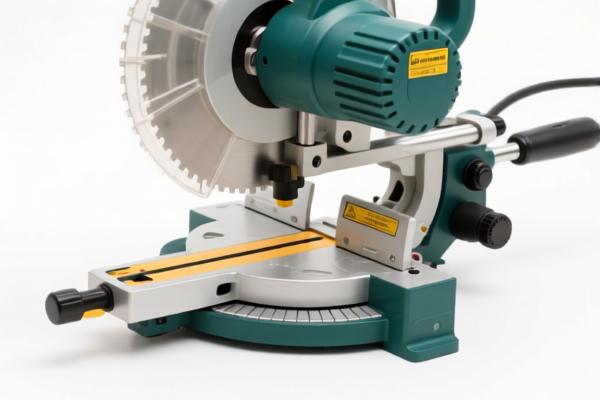
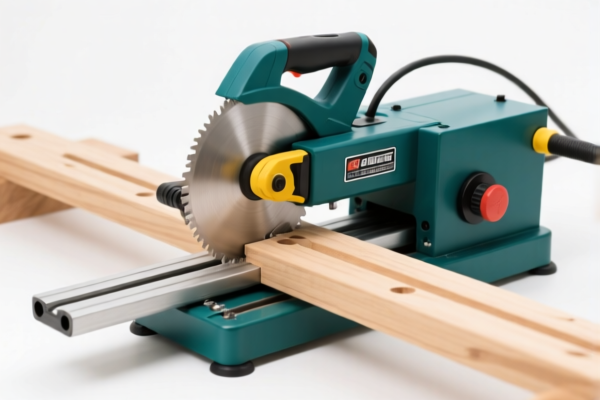
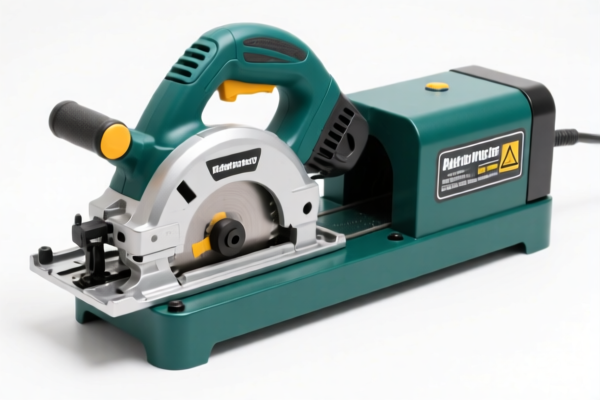
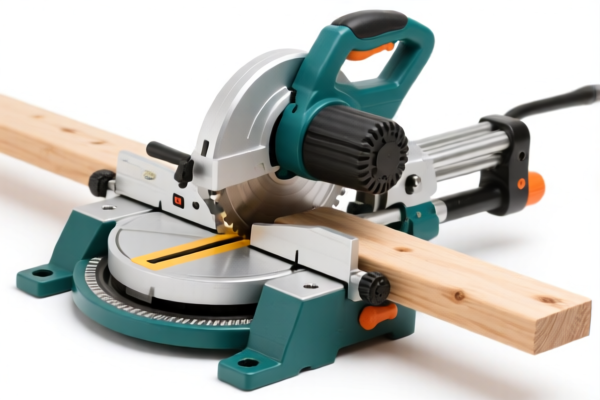
AI Analysis
✂️ Edge Trimming Tool: The "Classification Minefield"
🌐 HS Code Reference & Customs Clearance Guide | 2026 Tax Matrix Analysis | Strategic Compliance Strategy
📌 I. Product Definition: What Exactly is an "Edge Trimming Tool"?
"Edge Trimming Tool" is a generic term that describes the function rather than the nature of the tool. In international trade, this ambiguity is a major trap. Depending on what drives it (Manual, Electric, or Pneumatic) and what it cuts (Metal vs. Non-Metal), it falls into completely different HS Code chapters.
⚠️ Critical Distinction:
- Manual Tools (Hand-held, no motor) → Chapter 82 (Tools of Base Metal)
- Powered Tools (Electric/Pneumatic) → Chapter 84 (Machinery/Apparatus)
- Interchangeable Tools (Bits/Blades only) → Chapter 82/84 depending on specificity
📦 II. HS Code Classification Matrix (Based on Provided Data)
Below are the 6 possible classifications derived from the input data, ranging from high-tax manual tools to lower-tax powered devices.
🅰️ Category A: Manual Hand Tools (High Tax Burden)
These are tools operated by human force. They are subject to the highest tariffs due to "Section 301" and "122 Clause" additions.
| HS Code | Product Description (Inferred) | Tax Rate | Tax Breakdown | Logic/Summary |
|---|---|---|---|---|
| 8205.59.55.60 | Other Hand Tools (General) | 40.3% | Base: 5.3% + Section 301: 25.0% + Section 122: 10.0% |
Classified as a general hand tool. High base tariff + full punitive taxes apply. |
| 8205.51.75.00 | Other Household Hand Tools | 38.7% | Base: 3.7% + Section 301: 25.0% + Section 122: 10.0% |
Classified as a household tool. Slightly lower base tax, but still heavily penalized. |
| 8207.90.60.00 | Interchangeable Tools (Trimming) | 39.3% | Base: 4.3% + Section 301: 25.0% + Section 122: 10.0% |
Classified as an "Interchangeable Tool" for trimming. Note: Not classified under "Cutting Metal," which avoids some specific prohibitions but keeps high taxes. |
| 8207.90.75.85 | Interchangeable Tools (Non-Metal Cutting) | 38.7% | Base: 3.7% + Section 301: 25.0% + Section 122: 10.0% |
Specifically for trimming/cutting non-metal materials. Logical fit if the tool does not cut steel/metal. |
🔍 Key Insight for Manual Tools:
All manual options incur Base Tax + 35% Punitive Add-ons.
- Section 301 (25%): Standard US tariff on Chinese goods.
- Section 122 (10%): Additional duty targeting specific tool categories.
- Result: Total tax is nearly 40%, making manual tools very expensive to import.
🅱️ Category B: Powered/Driven Tools (Low Tax Burden)
These tools have their own motor (electric) or air source (pneumatic). They benefit from 0% Base Tariffs in many cases.
| HS Code | Product Description (Inferred) | Tax Rate | Tax Breakdown | Logic/Summary |
|---|---|---|---|---|
| 8467.29.00.90 | Powered Hand Tools (Electric) | 17.5% | Base: 0.0% + Section 301: 7.5% + Section 122: 10.0% |
Classified as "Other Powered Hand Tools." Zero base tax significantly reduces total liability. |
| 8467.89.50.90 | Powered Hand Tools (Pneumatic/Electric) | 17.5% | Base: 0.0% + Section 301: 7.5% + Section 122: 10.0% |
Classified as "Other Powered Hand Tools" (e.g., pneumatic trimmers). Same low-tax structure as above. |
🔍 Key Insight for Powered Tools:
The Base Tariff is 0%.
- Section 301 (7.5%): Reduced punitive rate for machinery/tools in this subheading compared to manual tools (25%).
- Section 122 (10%): Still applies.
- Result: Total tax is 17.5%, nearly half of the manual tool rate.
💰 III. Tax Clause Explanation (Why the Huge Difference?)
To understand the cost difference, you must understand the Three-Part Tax Structure:
-
Base Tariff (MFN Rate):
- Manual Tools (Ch 82): Typically 3.7% - 5.3%. The US protects domestic manual tool manufacturing.
- Powered Tools (Ch 84): Typically 0.0%. The US allows duty-free import of complex machinery to support domestic production needs.
-
Section 301 Additional Duty (Trade War Tax):
- List 4A (Hand Tools): 25% additional duty. This is a heavy penalty on manual goods.
- List 4C/Other (Powered Tools): 7.5% additional duty. Machinery and powered equipment face a much lower penalty rate.
-
Section 122 Additional Duty:
- Applies uniformly at 10% across most of these categories.
📊 Cost Comparison:
- Manual Trimmer: $100 Cost → $40.30 Tax
- Electric Trimmer: $100 Cost → $17.50 Tax
- Savings: $22.80 per unit (56% reduction in tax burden).
🛠️ IV. Customs Clearance Advice & Strategic Recommendations
✅ 1. Determine the "Driving Force" First
-
If it has a plug, battery, or air hose:
- Target HS Codes:
8467.29.00.90or8467.89.50.90. - Action: Clearly label the product as "Electric Edge Trimmer" or "Pneumatic Trimming Tool." Provide specs showing voltage/amperage or CFM/PSI requirements.
- Benefit: Avoid the 25% Section 301 tariff; pay only 7.5%.
- Target HS Codes:
-
If it is purely manual (pliers, scrapers, hand files):
- Target HS Codes:
8205.59.55.60,8205.51.75.00,8207.90.60.00, or8207.90.75.85. - Action: Be prepared for ~40% tax. Ensure the description matches the "Interchangeable" vs. "Hand Tool" distinction carefully.
- Target HS Codes:
✅ 2. Avoid the "Metal Cutting" Trap
- If the tool is interchangeable (a bit or blade), ensure it is not classified under "Tools for Cutting Metal" (which may have different, potentially prohibitive restrictions).
- The data suggests
8207.90.75.85is explicitly for non-metal cutting. If your tool cuts plastic, wood, or fabric, use this code to stay compliant with the "not for cutting metal" logic.
✅ 3. Documentation Requirements
| Document | Requirement for Powered Tools (8467) | Requirement for Manual Tools (8205/8207) |
|---|---|---|
| Commercial Invoice | Must state "Electric/Pneumatic," Voltage, Power | Must state "Hand Tool," Material (Steel/Iron) |
| Technical Spec Sheet | Mandatory: Show motor type, RPM, Air Pressure | Recommended: Show material hardness, handle type |
| UL/ETL Certification | Mandatory for Electric tools in the US | Not required |
| Safety Data Sheet | If applicable (e.g., pneumatic oil) | Not required |
✅ 4. Common Pitfalls to Avoid
❌ Mistake 1: Calling an Electric Trimmer a "Hand Tool."
👉 Consequence: Customs may reclassify it as a manual tool (8205...) and charge 40.3% instead of 17.5%.
✅ Fix: Always highlight the motor/power source in the product description.
❌ Mistake 2: Assuming all "Trimming Tools" are the same.
👉 Consequence: Using 8207 (Interchangeable) for a complete handheld device.
✅ Fix:
- Complete device with motor → 8467.
- Just the blade/bit → 8207.
- Complete device, no motor → 8205.
❌ Mistake 3: Ignoring Section 122.
👉 Consequence: Underestimating landed cost.
✅ Fix: Include the 10% Section 122 tax in all pricing models for both manual and powered tools.
🌍 V. Global Market Comparison (2026 Outlook)
| Market | Recommended HS Code | Est. Total Tax | Strategy |
|---|---|---|---|
| 🇺🇸 USA | 8467.29.00.90 (Powered) |
17.5% | Best Option. Use powered classification to minimize duty. |
| 🇺🇸 USA | 8205.59.55.60 (Manual) |
40.3% | Avoid unless no motor exists. High cost impact. |
| 🇪🇺 EU | Similar Codes | ~0-4% | No Section 301/122 taxes. VAT applies only. |
| 🇨🇳 China | Similar Codes | ~0-5% | Low tariffs. Easy clearance. |
🎯 VI. Conclusion: Strategic Selection
The "Edge Trimming Tool" classification is a binary choice:
-
Add Value via Power: If possible, design or source Electric/Pneumatic versions. The tax savings (22.8% less tax) can be passed to customers or kept as margin.
- Code:
8467.29.00.90or8467.89.50.90
- Code:
-
Accept the Manual Penalty: If the product must be manual, ensure it is classified as "Interchangeable" (8207) if it is a bit/blades, or "Hand Tool" (8205) if it is a complete unit.
- Code:
8207.90.75.85(for non-metal) is often the safest logical fit for trimming.
- Code:
🚀 Final Pro Tip:
Apply for an Advance Ruling (Ruling Request) with CBP if the tool is a new hybrid type. Clarify whether it is "Powered" or "Manual" and whether it "Cuts Metal." This prevents post-import audits and surprise bills.
✨ Professional Clearance Starts with Precise Classification!
💼 Every dollar saved in duty is pure profit!
Customer Reviews
About HS Code Classification
The Harmonized System (HS) is an internationally standardized nomenclature developed by the World Customs Organization (WCO) to classify traded products. Over 200 countries use the HS system as the basis for customs tariffs, trade statistics, and import/export regulations.
Each HS code follows a hierarchical structure:
- Chapter (2 digits) — Broad category of goods (e.g., Chapter 84: Machinery and Mechanical Appliances)
- Heading (4 digits) — More specific grouping within the chapter
- Subheading (6 digits) — Internationally standardized breakdown, used by all WCO member countries
- National subdivisions (8-10 digits) — Country-specific extensions for further classification, such as US HTSUS 10-digit codes
Correct HS code classification is essential for smooth customs clearance, accurate duty payment, and compliance with trade regulations. Misclassification can lead to customs delays, overpayment of duties, or penalties.
When importing from CN to US, the applicable tariff rates may include:
- Most-Favored-Nation (MFN) rate — The standard duty rate applied to WTO members
- General rate — Applied to countries without trade agreements
- Trade remedy duties — Additional tariffs such as Section 301 (anti-dumping), Section 232 (national security), or countervailing duties
The information provided on this page is for reference purposes only. For official classification, please consult with your local customs authority or a licensed customs broker.