electric brush
CN → US| HS编码 | 关税税率 | 原产国 | 目的国 | 文档 |
|---|---|---|---|---|
| 8509805045 | 14.2% | CN | US | 官方文档 |
| 9603210000 | 17.5% | CN | US | 官方文档 |
| 9018907560 | 10.0% | CN | US | 官方文档 |
| 8509905500 | 39.2% | CN | US | 官方文档 |
| 9018410000 | 10.0% | CN | US | 官方文档 |
商品图片
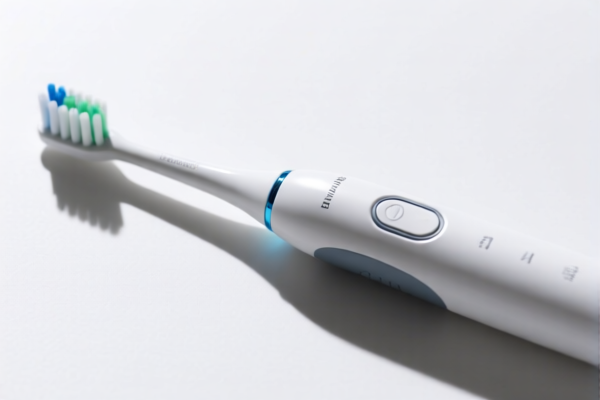
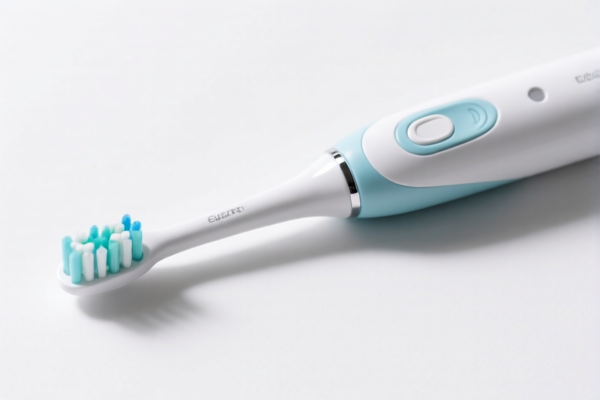
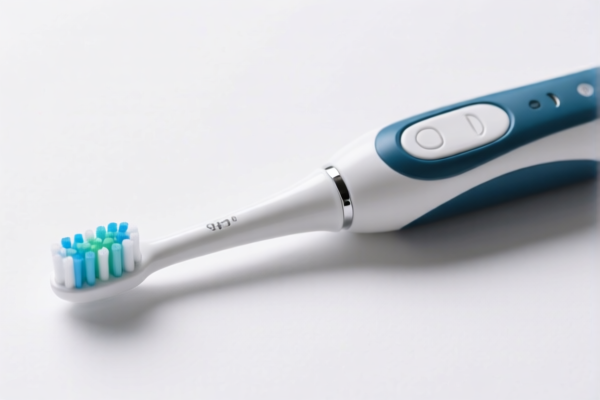
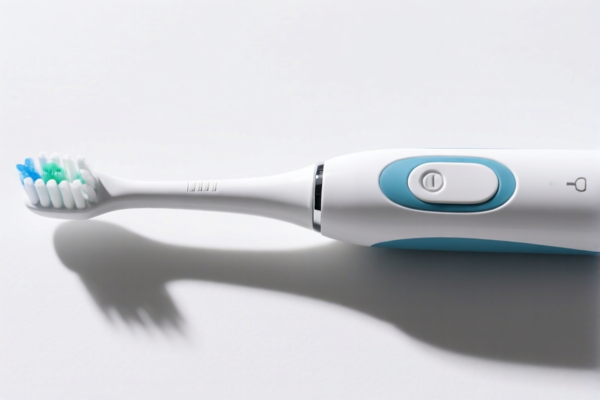
AI分析
🪥 Electric Toothbrush (电动牙刷)
🌐 HS Code Reference & Customs Clearance Guide | 2026 Latest Tariff Analysis | Professional Clearance Strategy
📌 1. Product Definition & Classification: What is an "Electric Toothbrush"?
An electric toothbrush is a personal care device designed for oral hygiene, utilizing motorized bristle movement to clean teeth more effectively than manual brushing. In international trade, the classification hinges on function, intended use, and technical composition.
Customs authorities distinguish between: * Household Electrical Appliances: Devices intended for general personal hygiene in a home setting (e.g., standard sonic/electric brushes). * Medical/Dental Instruments: Devices specifically designed for professional dental treatment or diagnostic purposes, often requiring strict medical device regulations.
⚠️ Key Distinction Point: - If the device is a consumer-grade hygiene tool with a rechargeable battery, charging base, and standard brush heads → It is generally classified as an Electrical Household Appliance or similar category. - If the device is a professional dental unit, used by dentists for scaling, polishing, or specific medical treatments → It is classified as a Medical/Scientific Instrument. - Crucial Note: Misclassification leads to significant tariff differences and potential compliance risks.
📦 2. HS Code Classification Details (Based on Provided Data)
The following table outlines the specific HS Codes and tariff structures provided in the data for "Electric Toothbrush."
| HS Code | Product Description | Summary / Classification Logic | Total Tax Rate | Tax Breakdown |
|---|---|---|---|---|
| 8509.80.50.45 | Electric Toothbrush | Classified as an electrical household appliance with its own motor. The purpose and classification are fully consistent. | 14.2% | Base Duty: 4.2% Additional Duty: 0.0% Section 301 (122 Clause): 10% |
| 9603.21.00.00 | Electric Toothbrush | Classified under the category of "Brushes," specifically matching the purpose of a toothbrush, despite being electric. | 17.5% | Base Duty: 0.0% Additional Duty: 7.5% Section 301 (122 Clause): 10% |
| 9018.90.75.60 | Electric Toothbrush | Classified as a medical/dental therapeutic instrument. This view treats the electric toothbrush as a medical device for oral treatment. | 10.0% | Base Duty: 0.0% Additional Duty: 0.0% Section 301 (122 Clause): 10% |
| 8509.90.55.00 | Electric Toothbrush | Classified as an electrical appliance part or specific sub-category of household appliances with its own motor. | 39.2% | Base Duty: 4.2% Additional Duty: 25.0% Section 301 (122 Clause): 10% |
| 9018.41.00.00 | Electric Toothbrush | Classified specifically as equipment/instruments used in dental science. Similar to the above medical classification but a distinct sub-code. | 10.0% | Base Duty: 0.0% Additional Duty: 0.0% Section 301 (122 Clause): 10% |
🔍 Critical Observation: - There is a massive disparity in total tax rates, ranging from 10.0% to 39.2%. - The lowest tax rate (10.0%) applies when the product is classified under Medical/Dental Instruments (Chapter 90). - The highest tax rate (39.2%) applies when classified as a specific type of Electrical Household Appliance (Chapter 85) with high additional duties. - The "Standard" consumer classification often lands around 14.2% - 17.5%.
💰 3. 2026 Latest Tariff Rate Details (Detailed Clause Explanation)
✅ Applicable Country: United States (US)
✅ Origin: China (CN)
✅ Validity: Based on current trade policies including Section 301 and IEEPA provisions.
🎯 1. 9018.90.75.60 & 9018.41.00.00 —— Medical/Dental Instruments (Lowest Tax)
| Item | Content |
|---|---|
| Base Duty | 0% (ad valorem) |
| USITC Additional Duty | 0% |
| IEEPA/Section 301 Duty | +10% (Specific to this medical sub-category) |
| Total Tax Rate | 10.0% |
| Tax Calculation | CIF Value × 10% |
| De Minimis Eligibility | ❌ No (Generally, medical devices are excluded from low-value exemptions if they meet specific criteria) |
| Legal Basis Path | IEEPA:9903.01.25 (Applied to specific medical codes) → USITC:9018.90.75.60 / 9018.41.00.00 |
📌 Explanation: - These codes classify the electric toothbrush as a medical or scientific instrument. - Why so low? Many medical instruments enjoy reduced base duties (0%) to encourage healthcare access. However, the 10% Section 301 tariff is still applicable due to the "122 Clause" designation for certain goods from China. - Strategy: This is the most tax-efficient route IF the product can be legitimately classified as a medical device (e.g., marketed for periodontal treatment, or if the FDA classifies it as such).
🎯 2. 8509.80.50.45 —— Electrical Household Appliances (Standard)
| Item | Content |
|---|---|
| Base Duty | 4.2% |
| USITC Additional Duty | 0% |
| IEEPA/Section 301 Duty | +10% |
| Total Tax Rate | 14.2% |
| Tax Calculation | CIF Value × 14.2% |
| De Minimis Eligibility | ❌ No |
| Legal Basis Path | IEEPA:9903.01.25 → USITC:8509.80.50.45 |
📌 Explanation: - This is a common classification for consumer-grade electric toothbrushes. - It is classified under Chapter 85 (Electrical machinery and equipment). - The base duty is higher than the medical route, but the additional duties are moderate.
🎯 3. 9603.21.00.00 —— Brushes (Alternative Classification)
| Item | Content |
|---|---|
| Base Duty | 0% |
| USITC Additional Duty | +7.5% |
| IEEPA/Section 301 Duty | +10% |
| Total Tax Rate | 17.5% |
| Tax Calculation | CIF Value × 17.5% |
| De Minimis Eligibility | ❌ No |
| Legal Basis Path | IEEPA:9903.01.25 → USITC:9603.21.00.00 |
📌 Explanation: - This code treats the electric toothbrush primarily as a "Toothbrush" under Chapter 96 (Brooms, brushes). - While the base duty is 0%, the 7.5% additional duty is significant. - This classification is often debated; some customs brokers may use it, but it is less common than Chapter 85 for electric devices.
🎯 4. 8509.90.55.00 —— Electrical Appliances (Highest Tax)
| Item | Content |
|---|---|
| Base Duty | 4.2% |
| USITC Additional Duty | +25.0% (High penalty rate) |
| IEEPA/Section 301 Duty | +10% |
| Total Tax Rate | 39.2% |
| Tax Calculation | CIF Value × 39.2% |
| De Minimis Eligibility | ❌ No |
| Legal Basis Path | IEEPA:9903.01.25 → USITC:8509.90.55.00 → FOOTNOTE:9903.88.01 |
📌 Explanation: - This code represents a high-risk, high-cost classification. - It likely refers to a specific sub-category of electrical appliances that attracts the maximum 25% Section 301 additional duty. - Avoid this code unless strictly necessary, as it nearly quadruples the cost compared to the medical classification.
🛠️ 4. Customs Clearance Practical Advice (Avoiding Pitfalls)
✅ 1. Preparation Checklist (Must-Have Documents)
| Document | Mandatory? | Description |
|---|---|---|
| ✅ Product Specification Sheet | ✔️ | Must detail: Voltage, Battery Type, Motor Power, Intended Use (Consumer vs. Medical). |
| ✅ FDA Registration (if applicable) | ✔️ | If claiming 9018 classification, FDA registration as a medical device is often required. |
| ✅ Product Photos (Including Packaging) | ✔️ | Clear images of the device, charging base, and any "Medical Device" labeling. |
| ✅ Commercial Invoice | ✔️ | Must clearly state the HS Code and product description. Do not just write "Toothbrush." |
| ✅ Certificate of Origin | ✔️ | To determine eligibility for any potential exemptions (though Section 301 largely negates this for CN origin). |
| ✅ FCC/CE Certificates | ✔️ | Proof of electrical safety and electromagnetic compatibility. |
✅ 2. Classification Strategy (Key Tips)
🔥 "Medical Claims Lower Tax, Consumer Claims Higher Tax!"
| Scenario | Recommended HS Code | Total Tax | Risk Level |
|---|---|---|---|
| Professional Dental Tool | 9018.90.75.60 or 9018.41.00.00 |
10.0% | ✅ Low (if FDA compliant) |
| Standard Consumer Electric Brush | 8509.80.50.45 |
14.2% | ✅ Medium (Standard classification) |
| Brush-Centric Marketing | 9603.21.00.00 |
17.5% | ✅ Medium (Less common) |
| Incorrectly High-Category Appliance | 8509.90.55.00 |
39.2% | ❌ High (Avoid!) |
📌 Advice: - If your product is clinically proven to treat gum disease, gingivitis, or is sold to dental clinics, actively pursue the
9018classification to save 4-9% in duties. - If it is a general consumer product (sold in supermarkets, Amazon), use8509.80.50.45. - Never use8509.90.55.00unless you are certain of the specific sub-category requirements, as it is punitive.
✅ 3. Special Cases
| Case | Handling Suggestion |
|---|---|
| OEM/Private Label | Ensure the brand owner's FDA registration matches the importer if using medical codes. |
| Combo Packs (Brush + Heads) | Declare as a "Set." The primary function (Electric Brush) dictates the HS Code. Do not split. |
| Replacement Heads Only | If sold separately, they may fall under 9603.30.00.00 (Toothbrushes, including dental scouring pads). Check separate tariff data for this. |
| Travel Kits | Must include the charging base or battery to be considered a complete appliance. |
🌍 5. Global Market Comparison (2026)
| Country/Region | Recommended HS Code | Est. Duty (China Origin) | Key Certifications | Notes |
|---|---|---|---|---|
| 🇺🇸 USA | 9018.90.75.60 |
10.0% (Medical) | FDA + FCC | Highest potential savings via Medical classification. |
| 🇪🇺 EU | 8509.40.00 |
~6-15% | CE + RoHS | EU classification differs; often treated as household appliance. |
| 🇨🇳 China | 8509.40.10 |
~5-10% | CCC | Domestic clearance is smoother. |
| 🇬🇧 UK | 8509.40.00 |
~0-5% | UKCA | Post-Brexit rules apply. |
| 🇯🇵 Japan | 8509.40.00 |
~0-5% | PSE | Strict electrical safety standards. |
📌 Conclusion: - The US market offers the most significant opportunity for tariff optimization through Medical Device classification. - Europe and Asia typically treat electric toothbrushes as standard household electrical appliances, with less variance in duty rates.
📌 6. Common Errors & Pitfalls (Lessons Learned)
❌ Error 1: Using 8509.90.55.00 for a standard toothbrush.
👉 Consequence: Pay 39.2% instead of 14.2%. Overpayment of 25% on every shipment.
❌ Error 2: Claiming Medical Classification (9018) without FDA approval.
👉 Consequence: Goods detained, denied entry, or forced to pay higher duties + fines. Compliance is key.
❌ Error 3: Misdeclaring as "Brush" (9603) for a high-tech electric device.
👉 Consequence: Customs may reclassify it, leading to delays and potential penalties for incorrect declaration.
❌ Error 4: Ignoring the "122 Clause" Section 301 impact.
👉 Consequence: Assuming 0% duty. Even medical devices face a 10% additional tariff. Factor this into pricing.
✅ Correct Approach:
"Electric Toothbrush, Rechargeable, with Sonic Motor, Model XYZ, FDA Registered Class I Medical Device, FCC Certified"
🎯 7. Conclusion: Optimize Classification, Maximize Profit!
🎯 Key Takeaway:
🔹 Medical Class = 10% Duty
🔹 Consumer Class = 14.2% Duty
🔹 Wrong Class = 39.2% Duty
📌 Action Plan:
1. Evaluate Product: Is it a consumer item or a medical treatment device?
2. Check FDA Status: If medical, ensure registration is active.
3. Select HS Code: Aim for 9018.90.75.60 or 9018.41.00.00 if eligible.
4. Document Everything: Provide specs, photos, and certifications.
5. Consult a Broker: For high-value shipments, get a Binding Ruling from US Customs.
📣 Immediate Action Required:
📞 Contact your customs broker today.
📄 Submit product specifications for pre-classification.
🚀 Avoid the 39.2% trap and save thousands on tariffs!
✨ Precision in Classification is the Key to Profitability!
💼 Don't let tariff errors erode your margins.
用户评价
关于 HS 编码归类
协调制度(HS)是由世界海关组织(WCO)制定的国际贸易商品分类标准。全球 200 多个国家采用 HS 系统作为海关关税、贸易统计和进出口监管的基础。
每个 HS 编码遵循以下层级结构:
- 章(2 位)——商品大类(例如:第 84 章:机器和机械设备)
- 品目(4 位)——章内的更具体分类
- 子目(6 位)——国际通用细分,所有 WCO 成员国统一使用
- 本国细分(8-10 位)——各国自行扩展的细分编码,如美国 HTSUS 10 位编码
正确的 HS 编码归类对于顺利通关、准确缴纳关税和遵守贸易法规至关重要。错误归类可能导致海关延误、多缴关税或罚款。
从CN进口到US时,适用的关税税率可能包括:
- 最惠国(MFN)税率——适用于 WTO 成员国的标准关税税率
- 普通税率——适用于无贸易协定国家
- 贸易救济关税——附加关税,如 301 条款(反倾销)、232 条款(国家安全)或反补贴税
本页内容仅供参考。如需正式归类,请咨询当地海关或持牌报关代理。