electric gloves
CN → US商品图片

AI分析
🔌 Electric Gloves (and Anti-Scald/Heated Apparel) – HS Code Classification & Customs Clearance Guide (2026)
🌐 HS Code Reference & Customs Guide | Latest 2026 Tariff Breakdown | Strategic Clearance Strategy
📌 I. Product Definition & Classification: What Are "Electric Gloves"?
The term "Electric Gloves" is ambiguous in international trade. It typically refers to two distinct categories of goods with vastly different classification rules and tax liabilities:
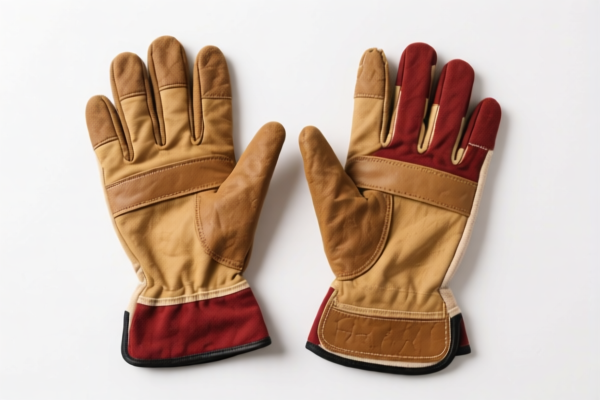
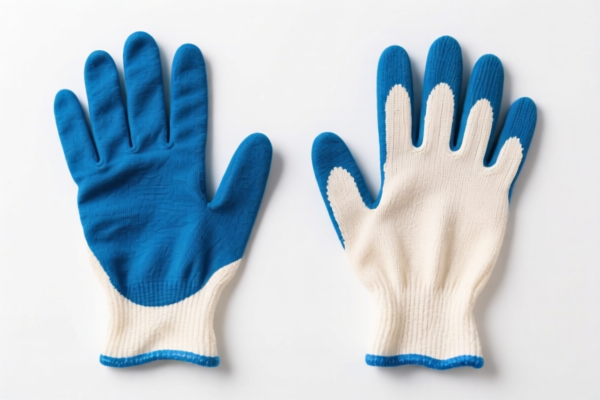
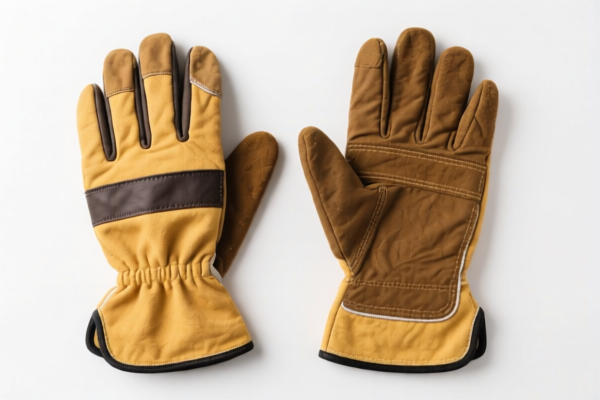
- Anti-Scald/Insulated Gloves (Non-Electronic): Protective gloves designed to withstand high temperatures (e.g., for kitchen use, welding, or industrial handling). These are made of fabrics, rubber, or plastic-coated materials.
- Heated Gloves/Apparel (Electromechanical): Gloves or accessories (like heated scarves/liners) containing electrical heating elements (wires, batteries, or connected to a power source). These fall under electric heating appliances or clothing accessories.
⚠️ Critical Distinction Point:
- If the product is purely protective (rubber, fabric, plastic coating) with no electrical components → It is a Protective Clothing/Accessory.
- If the product has heating elements, wires, or is an electric appliance → It is an Electric Heating Device or Clothing Accessory with Electrical Function.
📦 II. HS Code Classification Matrix (2026 Latest Tariff Alignment)
Based on the provided data, here are the specific HS Codes corresponding to different interpretations of "Electric Gloves" and related heated apparel.
| HS Code | Product Description | Application Scenario | Key Classification Criteria |
|---|---|---|---|
| 6216.00.08.00 | Anti-scald Gloves (Protective) | Kitchen use, industrial handling, welding protection | Made of fabric/plastic/rubber; No electrical heating function. Classified as hand protection. |
| 4015.19.11.50 | Anti-scald Gloves (Rubber/Chemical) | Lab use, chemical handling, high-temp rubber gloves | Made of vulcanized rubber or similar rubber goods with protective functions. |
| 8516.29.00.90 | Electric Heating Appliances (e.g., Heated Scarves/Liners) | Wearable heating elements, electric heated blankets | Classified as "Electric Space Heaters" or other electric heating appliances if the core function is heat generation via electricity. |
| 6217.10.95.50 | Clothing Accessories (e.g., Heated Scarves/Fabrics) | Textile-based heated scarves, electric heated collars | Classified as "Other Made-up Clothing Accessories" if the electrical aspect is minor or considered part of the textile accessory. |
| 8516.79.00.00 | Other Electric Heating Appliances (Core Function: Heating) | General electric heaters, excluding specific heaters like hair dryers | Used if the product is primarily an electric heater device, not strictly apparel. |
🔍 Important Note:
- 6216.00.08.00 and 4015.19.11.50 are for non-electric protective gloves. If your "electric gloves" have wires or heating pads, they cannot use these codes. - For truly electric gloves (with batteries/wires), Customs often struggles. Some may classify them as 8516 (Heaters) if the heating function is dominant, or 6217 if viewed as a textile accessory. 8516.29.00.90 and 6217.10.95.50 are the primary contenders for electric heated apparel.
💰 III. 2026 Tariff Rate Breakdown (Detailed Tax Analysis)
✅ Applicable Country: United States (US)
✅ Country of Origin: China (CN)
✅ Effective Time: Post-2025 (Including 122 Clause & Section 301 Tariffs)
🎯 1. 6216.00.08.00 – Anti-Scald Gloves (Protective, Non-Electric)
| Item | Detail |
|---|---|
| Base Tariff | 0.8% |
| Section 301 Additional Tariff | +7.5% |
| Section 122 Tariff | +10% |
| Total Tax Rate | 18.3% |
| Calculation Basis | CIF Value × 18.3% |
| De Minimis Exemption? | ❌ No (Subject to Section 301 & 122) |
📌 Explanation:
- This is the most favorable rate for protective gloves.
- Crucial: This ONLY applies if the gloves have NO electrical heating components. If they contain wires/batteries, this code is incorrect and risks penalty.
🎯 2. 4015.19.11.50 – Rubber Anti-Scald Gloves
| Item | Detail |
|---|---|
| Base Tariff | 3.0% |
| Section 301 Additional Tariff | +25.0% |
| Section 122 Tariff | +10% |
| Total Tax Rate | 38.0% |
| Calculation Basis | CIF Value × 38.0% |
| De Minimis Exemption? | ❌ No |
📌 Explanation:
- Rubber-based protective gloves face higher duties due to the higher base rate and Section 301 application.
- Use only for vulcanized rubber gloves without electrical functions.
🎯 3. 8516.29.00.90 – Electric Heating Appliances (e.g., Heated Apparel Components)
| Item | Detail |
|---|---|
| Base Tariff | 3.7% |
| Section 301 Additional Tariff | +25.0% |
| Section 122 Tariff | +10% |
| Total Tax Rate | 38.7% |
| Calculation Basis | CIF Value × 38.7% |
| De Minimis Exemption? | ❌ No |
📌 Explanation:
- If the "electric glove" is considered an electric heater (because its main purpose is to generate heat), it falls here.
- This is a high-tax category. Customs may view heated gloves as "other electric heating appliances."
🎯 4. 6217.10.95.50 – Clothing Accessories (e.g., Heated Scarves/Fabrics)
| Item | Detail |
|---|---|
| Base Tariff | 14.6% |
| Section 301 Additional Tariff | +7.5% |
| Section 122 Tariff | +10% |
| Total Tax Rate | 32.1% |
| Calculation Basis | CIF Value × 32.1% |
| De Minimis Exemption? | ❌ No |
📌 Explanation:
- This code is often used for textile-based heated accessories where the electrical component is secondary or integrated into the fabric.
- Lower than8516but still high. Requires proof that it is primarily a "clothing accessory."
🎯 5. 8516.79.00.00 – Other Electric Heating Appliances
| Item | Detail |
|---|---|
| Base Tariff | 2.7% |
| Section 301 Additional Tariff | 0.0% |
| Section 122 Tariff | +10% |
| Total Tax Rate | 12.7% |
| Calculation Basis | CIF Value × 12.7% |
| De Minimis Exemption? | ❌ No |
📌 Explanation:
- This is the lowest tax rate for electric heating devices.
- Applicable if the product can be classified as "Other electric heating appliances" not specified elsewhere.
- Strategy: Attempting to classify electric gloves here may be viable if the product is seen as a general heating element rather than an appliance. However, risk of reclassification exists.
🛠️ IV. Customs Clearance Practical Advice (Avoid Pitfalls)
✅ 1. Documentation Checklist (Mandatory)
| Document | Required? | Notes |
|---|---|---|
| ✅ Product Specifications | ✔️ | Must detail: Material, presence of wires/batteries, voltage, wattage. |
| ✅ Circuit Diagram/Schematic | ✔️ | Essential for 8516 or 8516.79 classification to prove electrical nature. |
| ✅ Product Photos | ✔️ | Clear images showing labels, ports, heating elements, and packaging. |
| ✅ Third-Party Test Reports | ✔️ | FCC (for electrical), UL/CE (safety), RoHS (compliance). |
| ✅ Commercial Invoice | ✔️ | Description must match HS Code (e.g., "Heated Gloves with Lithium Battery" vs. "Rubber Gloves"). |
| ✅ Certificate of Origin (CO) | ✔️ | If not from China, may reduce tariffs. |
| ✅ Packing List | ✔️ | List components separately if needed (e.g., gloves + charger). |
✅ 2. Classification Strategy (Key Mantras)
🔥 "Non-electric = 6216/4015; Electric = 8516/6217; Choose wisely, tax varies!"
| Scenario | Recommended HS Code | Tax Rate | Risk Level |
|---|---|---|---|
| Purely Protective Gloves (No wires, no battery) | 6216.00.08.00 |
18.3% | 🟢 Low |
| Rubber Protective Gloves (No wires) | 4015.19.11.50 |
38.0% | 🟢 Low |
| Heated Gloves (With wires/battery) classified as Heater | 8516.29.00.90 |
38.7% | 🟡 Medium |
| Heated Gloves classified as Clothing Accessory | 6217.10.95.50 |
32.1% | 🟡 Medium |
| Heated Gloves classified as Other Heater | 8516.79.00.00 |
12.7% | 🔴 High (Risk of dispute) |
📌 Strategic Insight:
- If the product is electric, avoid6216and4015as they are strictly for non-electric protective gear.
- For electric gloves,8516.79.00.00(12.7%) offers the lowest cost, but requires strong justification that it is "Other Electric Heating Appliance."
-6217.10.95.50(32.1%) is a safer middle ground if the item is heavily textile-based.
-8516.29.00.90(38.7%) is the safest for pure electrical devices but highest cost.
✅ 3. Special Case Handling
| Case | Recommendation |
|---|---|
| OEM Heated Gloves | Provide client design specs. If custom, ensure description matches "Heating Appliance." |
| Gloves + Battery Pack | Declare as a set. If battery is removable, still classify as one unit. |
| Heated Scarf vs. Heated Glove | Scarves often fall under 6217.10 (Accessory). Gloves may fall under 8516 (Appliance). Consistency is key. |
| Pre-shipment Inspection | Conduct 3rd party inspection to verify no prohibited components. |
🌍 V. Global Market Comparison (2026)
| Country/Region | Recommended HS Code | Tariff Rate | Certification | Notes |
|---|---|---|---|---|
| 🇺🇸 USA | 8516.79.00.00 |
12.7% | FCC + UL | Lowest rate for electric heaters. |
| 🇺🇸 USA | 6216.00.08.00 |
18.3% | None | Only for non-electric protective gloves. |
| 🇨🇳 China | Varies | 5-15% | CCC | Lower tariffs, different classification logic. |
| 🇪🇺 EU | 8516.80.90 | 0-4% | CE + RoHS | No Section 301/122. Much lower cost. |
| 🇬🇧 UK | 8516.80.90 | 0-4% | UKCA | Post-Brexit rules apply. |
📌 Conclusion:
- USA is the most expensive market due to Section 301 and 122 tariffs.
- EU/UK are significantly cheaper if you can get CE/UKCA certification.
- Strategy: For US market, try to argue for8516.79.00.00(12.7%) or6217.10.95.50(32.1%) rather than8516.29.00.90(38.7%).
📌 VI. Common Errors & Pitfalls (Blood Lessons)
❌ Error 1: Classifying Heated Gloves as 6216.00.08.00 (Protective Gloves)
👉 Consequence: Customs will reject, demand reclassification, and impose penalties. Tariff difference: 12.7% vs 18.3% or 38.7%.
❌ Error 2: Omitting Wiring/Battery details in the description
👉 Consequence: Customs suspects fraud. Goods detained for inspection.
❌ Error 3: Using "Electric Glove" as a vague description
👉 Consequence: High risk of audit. Must specify "Heated," "Electrical," or "Protective."
❌ Error 4: Ignoring Section 122 Tariff
👉 Consequence: All these HS codes include a 10% Section 122 tariff. Forgetting this leads to underpayment.
✅ Correct Approach:
"Heated Gloves, Textile Outer, Carbon Fiber Heating Elements, Rechargeable Battery, FCC Certified, Model XYZ"
Use HS Code8516.79.00.00or6217.10.95.50with full disclosure.
🎯 VII. Conclusion: Professional Classification, Cost Optimization!
🎯 Remember the Mantra:
🔹 "Non-electric = 6216/4015; Electric = 8516/6217. Choose wisely, tax varies!"
🔹 "HS Code defines life, tariff difference is huge, declaration error is costly!"
📌 Pro Tip:
If your "electric gloves" are heated, consider applying for an Advance Ruling from US Customs to confirm if
8516.79.00.00(12.7%) is acceptable. This saves potential back-taxes and penalties.
📣 Immediate Action:
📞 Contact a professional customs broker.
📤 Provide detailed product specs (especially electrical components).
🚀 Optimize your HS Code to minimize tariff while ensuring compliance.
✨ Professional Clearance Starts with Accurate Classification!
💼 Every cent of your cost deserves precise calculation!
用户评价
关于 HS 编码归类
协调制度(HS)是由世界海关组织(WCO)制定的国际贸易商品分类标准。全球 200 多个国家采用 HS 系统作为海关关税、贸易统计和进出口监管的基础。
每个 HS 编码遵循以下层级结构:
- 章(2 位)——商品大类(例如:第 84 章:机器和机械设备)
- 品目(4 位)——章内的更具体分类
- 子目(6 位)——国际通用细分,所有 WCO 成员国统一使用
- 本国细分(8-10 位)——各国自行扩展的细分编码,如美国 HTSUS 10 位编码
正确的 HS 编码归类对于顺利通关、准确缴纳关税和遵守贸易法规至关重要。错误归类可能导致海关延误、多缴关税或罚款。
从CN进口到US时,适用的关税税率可能包括:
- 最惠国(MFN)税率——适用于 WTO 成员国的标准关税税率
- 普通税率——适用于无贸易协定国家
- 贸易救济关税——附加关税,如 301 条款(反倾销)、232 条款(国家安全)或反补贴税
本页内容仅供参考。如需正式归类,请咨询当地海关或持牌报关代理。