electric gloves
CN → USProduct Images
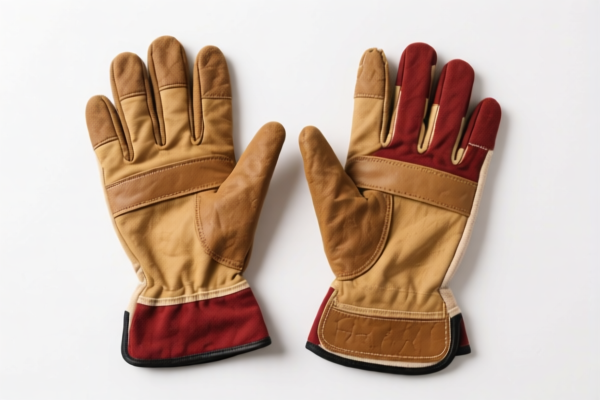

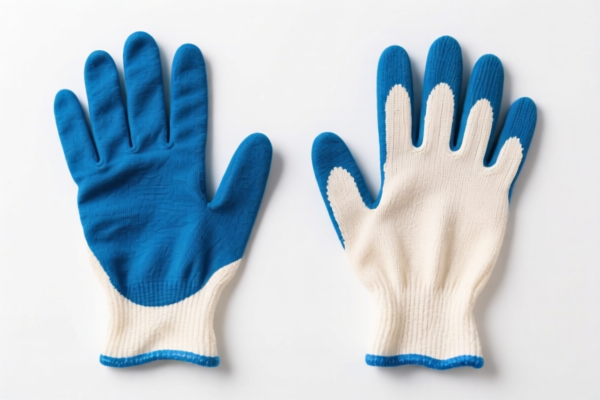
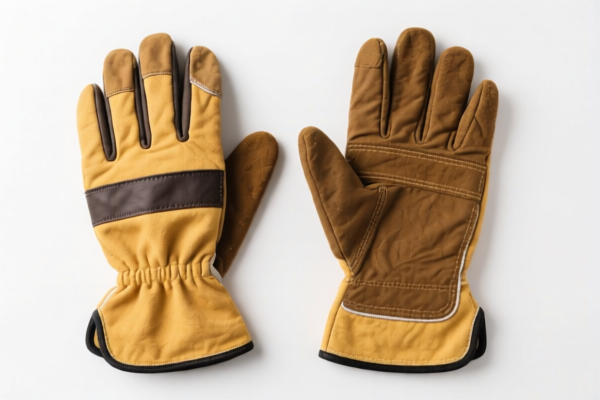
AI Analysis
🔌 Electric Gloves (and Anti-Scald/Heated Apparel) – HS Code Classification & Customs Clearance Guide (2026)
🌐 HS Code Reference & Customs Guide | Latest 2026 Tariff Breakdown | Strategic Clearance Strategy
📌 I. Product Definition & Classification: What Are "Electric Gloves"?
The term "Electric Gloves" is ambiguous in international trade. It typically refers to two distinct categories of goods with vastly different classification rules and tax liabilities:
- Anti-Scald/Insulated Gloves (Non-Electronic): Protective gloves designed to withstand high temperatures (e.g., for kitchen use, welding, or industrial handling). These are made of fabrics, rubber, or plastic-coated materials.
- Heated Gloves/Apparel (Electromechanical): Gloves or accessories (like heated scarves/liners) containing electrical heating elements (wires, batteries, or connected to a power source). These fall under electric heating appliances or clothing accessories.
⚠️ Critical Distinction Point:
- If the product is purely protective (rubber, fabric, plastic coating) with no electrical components → It is a Protective Clothing/Accessory.
- If the product has heating elements, wires, or is an electric appliance → It is an Electric Heating Device or Clothing Accessory with Electrical Function.
📦 II. HS Code Classification Matrix (2026 Latest Tariff Alignment)
Based on the provided data, here are the specific HS Codes corresponding to different interpretations of "Electric Gloves" and related heated apparel.
| HS Code | Product Description | Application Scenario | Key Classification Criteria |
|---|---|---|---|
| 6216.00.08.00 | Anti-scald Gloves (Protective) | Kitchen use, industrial handling, welding protection | Made of fabric/plastic/rubber; No electrical heating function. Classified as hand protection. |
| 4015.19.11.50 | Anti-scald Gloves (Rubber/Chemical) | Lab use, chemical handling, high-temp rubber gloves | Made of vulcanized rubber or similar rubber goods with protective functions. |
| 8516.29.00.90 | Electric Heating Appliances (e.g., Heated Scarves/Liners) | Wearable heating elements, electric heated blankets | Classified as "Electric Space Heaters" or other electric heating appliances if the core function is heat generation via electricity. |
| 6217.10.95.50 | Clothing Accessories (e.g., Heated Scarves/Fabrics) | Textile-based heated scarves, electric heated collars | Classified as "Other Made-up Clothing Accessories" if the electrical aspect is minor or considered part of the textile accessory. |
| 8516.79.00.00 | Other Electric Heating Appliances (Core Function: Heating) | General electric heaters, excluding specific heaters like hair dryers | Used if the product is primarily an electric heater device, not strictly apparel. |
🔍 Important Note:
- 6216.00.08.00 and 4015.19.11.50 are for non-electric protective gloves. If your "electric gloves" have wires or heating pads, they cannot use these codes. - For truly electric gloves (with batteries/wires), Customs often struggles. Some may classify them as 8516 (Heaters) if the heating function is dominant, or 6217 if viewed as a textile accessory. 8516.29.00.90 and 6217.10.95.50 are the primary contenders for electric heated apparel.
💰 III. 2026 Tariff Rate Breakdown (Detailed Tax Analysis)
✅ Applicable Country: United States (US)
✅ Country of Origin: China (CN)
✅ Effective Time: Post-2025 (Including 122 Clause & Section 301 Tariffs)
🎯 1. 6216.00.08.00 – Anti-Scald Gloves (Protective, Non-Electric)
| Item | Detail |
|---|---|
| Base Tariff | 0.8% |
| Section 301 Additional Tariff | +7.5% |
| Section 122 Tariff | +10% |
| Total Tax Rate | 18.3% |
| Calculation Basis | CIF Value × 18.3% |
| De Minimis Exemption? | ❌ No (Subject to Section 301 & 122) |
📌 Explanation:
- This is the most favorable rate for protective gloves.
- Crucial: This ONLY applies if the gloves have NO electrical heating components. If they contain wires/batteries, this code is incorrect and risks penalty.
🎯 2. 4015.19.11.50 – Rubber Anti-Scald Gloves
| Item | Detail |
|---|---|
| Base Tariff | 3.0% |
| Section 301 Additional Tariff | +25.0% |
| Section 122 Tariff | +10% |
| Total Tax Rate | 38.0% |
| Calculation Basis | CIF Value × 38.0% |
| De Minimis Exemption? | ❌ No |
📌 Explanation:
- Rubber-based protective gloves face higher duties due to the higher base rate and Section 301 application.
- Use only for vulcanized rubber gloves without electrical functions.
🎯 3. 8516.29.00.90 – Electric Heating Appliances (e.g., Heated Apparel Components)
| Item | Detail |
|---|---|
| Base Tariff | 3.7% |
| Section 301 Additional Tariff | +25.0% |
| Section 122 Tariff | +10% |
| Total Tax Rate | 38.7% |
| Calculation Basis | CIF Value × 38.7% |
| De Minimis Exemption? | ❌ No |
📌 Explanation:
- If the "electric glove" is considered an electric heater (because its main purpose is to generate heat), it falls here.
- This is a high-tax category. Customs may view heated gloves as "other electric heating appliances."
🎯 4. 6217.10.95.50 – Clothing Accessories (e.g., Heated Scarves/Fabrics)
| Item | Detail |
|---|---|
| Base Tariff | 14.6% |
| Section 301 Additional Tariff | +7.5% |
| Section 122 Tariff | +10% |
| Total Tax Rate | 32.1% |
| Calculation Basis | CIF Value × 32.1% |
| De Minimis Exemption? | ❌ No |
📌 Explanation:
- This code is often used for textile-based heated accessories where the electrical component is secondary or integrated into the fabric.
- Lower than8516but still high. Requires proof that it is primarily a "clothing accessory."
🎯 5. 8516.79.00.00 – Other Electric Heating Appliances
| Item | Detail |
|---|---|
| Base Tariff | 2.7% |
| Section 301 Additional Tariff | 0.0% |
| Section 122 Tariff | +10% |
| Total Tax Rate | 12.7% |
| Calculation Basis | CIF Value × 12.7% |
| De Minimis Exemption? | ❌ No |
📌 Explanation:
- This is the lowest tax rate for electric heating devices.
- Applicable if the product can be classified as "Other electric heating appliances" not specified elsewhere.
- Strategy: Attempting to classify electric gloves here may be viable if the product is seen as a general heating element rather than an appliance. However, risk of reclassification exists.
🛠️ IV. Customs Clearance Practical Advice (Avoid Pitfalls)
✅ 1. Documentation Checklist (Mandatory)
| Document | Required? | Notes |
|---|---|---|
| ✅ Product Specifications | ✔️ | Must detail: Material, presence of wires/batteries, voltage, wattage. |
| ✅ Circuit Diagram/Schematic | ✔️ | Essential for 8516 or 8516.79 classification to prove electrical nature. |
| ✅ Product Photos | ✔️ | Clear images showing labels, ports, heating elements, and packaging. |
| ✅ Third-Party Test Reports | ✔️ | FCC (for electrical), UL/CE (safety), RoHS (compliance). |
| ✅ Commercial Invoice | ✔️ | Description must match HS Code (e.g., "Heated Gloves with Lithium Battery" vs. "Rubber Gloves"). |
| ✅ Certificate of Origin (CO) | ✔️ | If not from China, may reduce tariffs. |
| ✅ Packing List | ✔️ | List components separately if needed (e.g., gloves + charger). |
✅ 2. Classification Strategy (Key Mantras)
🔥 "Non-electric = 6216/4015; Electric = 8516/6217; Choose wisely, tax varies!"
| Scenario | Recommended HS Code | Tax Rate | Risk Level |
|---|---|---|---|
| Purely Protective Gloves (No wires, no battery) | 6216.00.08.00 |
18.3% | 🟢 Low |
| Rubber Protective Gloves (No wires) | 4015.19.11.50 |
38.0% | 🟢 Low |
| Heated Gloves (With wires/battery) classified as Heater | 8516.29.00.90 |
38.7% | 🟡 Medium |
| Heated Gloves classified as Clothing Accessory | 6217.10.95.50 |
32.1% | 🟡 Medium |
| Heated Gloves classified as Other Heater | 8516.79.00.00 |
12.7% | 🔴 High (Risk of dispute) |
📌 Strategic Insight:
- If the product is electric, avoid6216and4015as they are strictly for non-electric protective gear.
- For electric gloves,8516.79.00.00(12.7%) offers the lowest cost, but requires strong justification that it is "Other Electric Heating Appliance."
-6217.10.95.50(32.1%) is a safer middle ground if the item is heavily textile-based.
-8516.29.00.90(38.7%) is the safest for pure electrical devices but highest cost.
✅ 3. Special Case Handling
| Case | Recommendation |
|---|---|
| OEM Heated Gloves | Provide client design specs. If custom, ensure description matches "Heating Appliance." |
| Gloves + Battery Pack | Declare as a set. If battery is removable, still classify as one unit. |
| Heated Scarf vs. Heated Glove | Scarves often fall under 6217.10 (Accessory). Gloves may fall under 8516 (Appliance). Consistency is key. |
| Pre-shipment Inspection | Conduct 3rd party inspection to verify no prohibited components. |
🌍 V. Global Market Comparison (2026)
| Country/Region | Recommended HS Code | Tariff Rate | Certification | Notes |
|---|---|---|---|---|
| 🇺🇸 USA | 8516.79.00.00 |
12.7% | FCC + UL | Lowest rate for electric heaters. |
| 🇺🇸 USA | 6216.00.08.00 |
18.3% | None | Only for non-electric protective gloves. |
| 🇨🇳 China | Varies | 5-15% | CCC | Lower tariffs, different classification logic. |
| 🇪🇺 EU | 8516.80.90 | 0-4% | CE + RoHS | No Section 301/122. Much lower cost. |
| 🇬🇧 UK | 8516.80.90 | 0-4% | UKCA | Post-Brexit rules apply. |
📌 Conclusion:
- USA is the most expensive market due to Section 301 and 122 tariffs.
- EU/UK are significantly cheaper if you can get CE/UKCA certification.
- Strategy: For US market, try to argue for8516.79.00.00(12.7%) or6217.10.95.50(32.1%) rather than8516.29.00.90(38.7%).
📌 VI. Common Errors & Pitfalls (Blood Lessons)
❌ Error 1: Classifying Heated Gloves as 6216.00.08.00 (Protective Gloves)
👉 Consequence: Customs will reject, demand reclassification, and impose penalties. Tariff difference: 12.7% vs 18.3% or 38.7%.
❌ Error 2: Omitting Wiring/Battery details in the description
👉 Consequence: Customs suspects fraud. Goods detained for inspection.
❌ Error 3: Using "Electric Glove" as a vague description
👉 Consequence: High risk of audit. Must specify "Heated," "Electrical," or "Protective."
❌ Error 4: Ignoring Section 122 Tariff
👉 Consequence: All these HS codes include a 10% Section 122 tariff. Forgetting this leads to underpayment.
✅ Correct Approach:
"Heated Gloves, Textile Outer, Carbon Fiber Heating Elements, Rechargeable Battery, FCC Certified, Model XYZ"
Use HS Code8516.79.00.00or6217.10.95.50with full disclosure.
🎯 VII. Conclusion: Professional Classification, Cost Optimization!
🎯 Remember the Mantra:
🔹 "Non-electric = 6216/4015; Electric = 8516/6217. Choose wisely, tax varies!"
🔹 "HS Code defines life, tariff difference is huge, declaration error is costly!"
📌 Pro Tip:
If your "electric gloves" are heated, consider applying for an Advance Ruling from US Customs to confirm if
8516.79.00.00(12.7%) is acceptable. This saves potential back-taxes and penalties.
📣 Immediate Action:
📞 Contact a professional customs broker.
📤 Provide detailed product specs (especially electrical components).
🚀 Optimize your HS Code to minimize tariff while ensuring compliance.
✨ Professional Clearance Starts with Accurate Classification!
💼 Every cent of your cost deserves precise calculation!
Customer Reviews
About HS Code Classification
The Harmonized System (HS) is an internationally standardized nomenclature developed by the World Customs Organization (WCO) to classify traded products. Over 200 countries use the HS system as the basis for customs tariffs, trade statistics, and import/export regulations.
Each HS code follows a hierarchical structure:
- Chapter (2 digits) — Broad category of goods (e.g., Chapter 84: Machinery and Mechanical Appliances)
- Heading (4 digits) — More specific grouping within the chapter
- Subheading (6 digits) — Internationally standardized breakdown, used by all WCO member countries
- National subdivisions (8-10 digits) — Country-specific extensions for further classification, such as US HTSUS 10-digit codes
Correct HS code classification is essential for smooth customs clearance, accurate duty payment, and compliance with trade regulations. Misclassification can lead to customs delays, overpayment of duties, or penalties.
When importing from CN to US, the applicable tariff rates may include:
- Most-Favored-Nation (MFN) rate — The standard duty rate applied to WTO members
- General rate — Applied to countries without trade agreements
- Trade remedy duties — Additional tariffs such as Section 301 (anti-dumping), Section 232 (national security), or countervailing duties
The information provided on this page is for reference purposes only. For official classification, please consult with your local customs authority or a licensed customs broker.