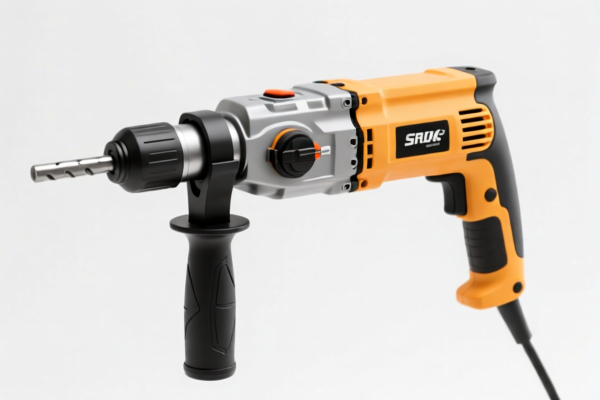
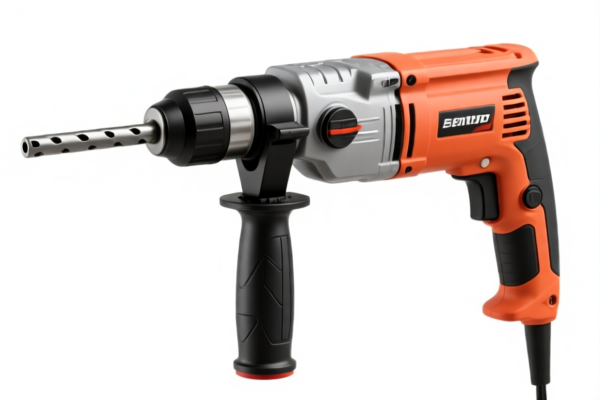
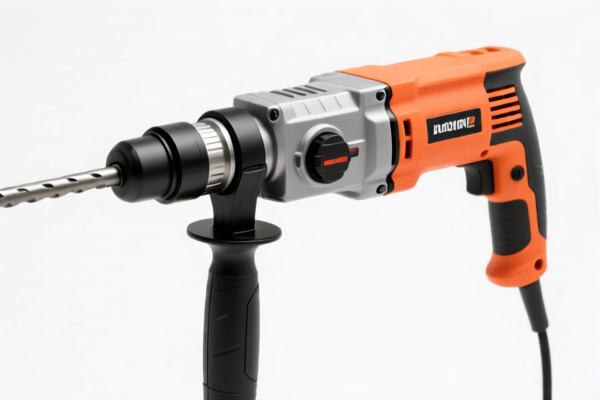
electric hardware drill
CN → US| HS编码 | 关税税率 | 原产国 | 目的国 | 文档 |
|---|---|---|---|---|
| 8467210050 | 11.7% | CN | US | 官方文档 |
| 8467115020 | 35.0% | CN | US | 官方文档 |
| 8467210010 | 11.7% | CN | US | 官方文档 |
商品图片

AI分析
🛠️ Electric Hardware Drill (Electric Drills)
🌐 HS Code Reference & Customs Clearance Guide | 2026 Latest Tariff Analysis | Professional Level Strategy
📌 1. Product Definition & Classification: Do You Really Know an "Electric Drill"?
An electric drill is a power tool used for drilling holes or driving screws. In international trade, the classification hinges on power source, handling method, and functional attributes. It is generally divided into:
- Hand-held Rotating Drill Tools: Powered by a built-in electric motor, designed to be held in the hand.
- Drill-like Tools: Tools that fit the functional definition of "drilling," regardless of minor structural differences.
⚠️ Key Distinction Point: * If it is a cordless (battery-operated) drill with a built-in motor, it typically falls under the "catch-all" category for other hand-held rotating tools. * If it is classified strictly as a "drill-like tool" based on specific functional attributes defined in customs rulings, it may trigger different tariff rates (especially regarding Section 301/122 tariffs).
📦 2. HS Code Classification Details (2026 Latest Tariff Authority)
| HS Code | Product Description | Application Scenario | Motor Type |
|---|---|---|---|
8467.21.00.50 |
Electric Drill, belongs to hand-held rotating drill tools with motors, classified under the "other" catch-all category. | General corded/uncorded electric drills classified as "other hand-held rotating tools." | Built-in Electric Motor |
8467.11.50.20 |
Electric Drill, belongs to drill-like tools, functional attributes consistent with the definition of drill-like tools. | Specific drills classified strictly as "drill-like tools" rather than general rotating tools. | N/A (Functional Classification) |
8467.21.00.10 |
Cordless Electric Drill, battery-powered, meets the characteristics of having a self-contained motor and rotational drilling purpose. | Battery-operated (cordless) drills. | Self-contained (Battery) |
🔍 Key Reminder: *
8467.21.00.50and8467.21.00.10are grouped under similar tariff rates due to their classification as hand-held rotating tools. *8467.11.50.20is classified differently based on "drill-like" functional attributes, leading to significantly higher additional tariffs.
💰 3. 2026 Latest Tariff Rate Details (Including Additional Taxes & Policy Surcharges)
✅ Applicable Country: United States (US)
✅ Origin: China (CN)
✅ Effective Time: Based on current 122 Clause and Section 301 regulations
🎯 1. 8467.21.00.50 —— Electric Drill (Hand-held Rotating Tool)
| Item | Content |
|---|---|
| Base Tariff | 1.7% (Ad Valorem) |
| Section 301 Additional Tariff | 0.0% |
| Section 122 Tariff (232) | 10% |
| Total Tariff Rate | 11.7% |
| Tax Calculation | CIF Value × 11.7% |
| De Minimis Eligibility | ✅ Yes (Usually, under $800, subject to CBP discretion) |
| Legal Basis Path | HTSUS:8467.21.00.50 → Section 122: 10% → Base: 1.7% |
📌 Explanation: * This code falls under "other" hand-held rotating tools. * It attracts the Section 122 tariff (10%) but no Section 301 tariff (0%). * Total: 11.7%. This is a relatively moderate tariff burden compared to other categories.
🎯 2. 8467.11.50.20 —— Electric Drill (Drill-like Tool)
| Item | Content |
|---|---|
| Base Tariff | 0.0% |
| Section 301 Additional Tariff | 25.0% |
| Section 122 Tariff (232) | 10% |
| Total Tariff Rate | 35.0% |
| Tax Calculation | CIF Value × 35.0% |
| De Minimis Eligibility | ❌ No (Subject to Section 301 restrictions) |
| Legal Basis Path | HTSUS:8467.11.50.20 → Section 301: 25% → Section 122: 10% |
📌 Warning: * This classification is triggered by specific "drill-like" functional definitions. * It attracts both Section 301 (25%) and Section 122 (10%) tariffs. * Total: 35.0%. This is a very high tariff and significantly impacts profitability.
🎯 3. 8467.21.00.10 —— Cordless Electric Drill (Battery-Powered)
| Item | Content |
|---|---|
| Base Tariff | 1.7% |
| Section 301 Additional Tariff | 0.0% |
| Section 122 Tariff (232) | 10% |
| Total Tariff Rate | 11.7% |
| Tax Calculation | CIF Value × 11.7% |
| De Minimis Eligibility | ✅ Yes (Usually, under $800, subject to CBP discretion) |
| Legal Basis Path | HTSUS:8467.21.00.10 → Section 122: 10% → Base: 1.7% |
📌 Note: * Cordless drills are classified similarly to general hand-held rotating tools. * The tariff structure is identical to
8467.21.00.50(11.7%). * Battery specifications (Li-ion, NiMH, etc.) do not change the HS code classification for the drill body itself, but proper declaration is required for shipping safety.
🛠️ 4. Customs Clearance Practical Advice (Real-World Pitfall Avoidance Guide)
✅ 1. Preparation Checklist (No omissions allowed)
| Material | Required | Explanation |
|---|---|---|
| ✅ Product Specification Sheet | ✔️ | Must detail: Voltage, Battery Capacity (for cordless), Torque, RPM, Weight |
| ✅ Product Photos (Clear) | ✔️ | Must show the entire drill, battery compartment, chuck, and label/model |
| ✅ Electrical Diagram/Schematic | ✔️ | Crucial for proving "hand-held rotating" vs. "fixed drill press" or other categories |
| ✅ Commercial Invoice | ✔️ | Clearly state "Electric Drill" and specify "Cordless" or "Corded" |
| ✅ Packing List | ✔️ | Detail contents: Drill body, battery, charger, bits (if included) |
| ✅ Battery MSDS (for Cordless) | ✔️ | Required for air/sea freight safety compliance (UN38.3 certification) |
✅ 2. Declaration Tips (Key Mantra)
🔥 "Cordless is 11.7%, Drill-like is 35%! Declare Battery Status Clearly!"
| Scenario | Correct Declaration | Wrong Practice |
|---|---|---|
| Cordless Drill (Battery included) | HS: 8467.21.00.10 Description: "Cordless Electric Drill, Li-ion" |
Declaring as "Drill-like Tool" → 35% Tariff |
| Corded Drill (Plug-in) | HS: 8467.21.00.50 Description: "Electric Drill, Hand-held" |
Declaring as "Drill-like Tool" → 35% Tariff |
| Drill with Extra Bits/Chips | Bundle as One Item under the drill HS Code | Separate declaration for bits → Different tariffs, higher complexity |
| Fixed/Industrial Drill Press | Do NOT use Drill HS Codes | Misclassifying stationary equipment as hand-held → Rejection/Fine |
✅ 3. Special Case Handling
| Case | Handling Advice |
|---|---|
| OEM/White Label Drills | Provide OEM agreement + design drawings to prove it is a standard hand-held drill, not a specialized "drill-like tool." |
| Drill + Screwdriver Combo | If the primary function is drilling, classify as Drill. If primary is driving screws, it may still be 8467.21 but ensure consistency. |
| Battery Separation | Ship batteries separately if volume is high, but declare clearly. The drill body alone is still 8467.21.00.50. |
| Section 301 Exemption | Currently, no exemption for 8467.11.50.20. For 8467.21, no Section 301 applies. |
🌍 5. Global Market Comparison (2026 Latest)
| Country/Region | Recommended HS Code | Tariff Rate (China Origin) | Key Certification | Remarks |
|---|---|---|---|---|
| 🇺🇸 USA | 8467.21.00.10 / .50 |
11.7% (122 Tariff) | FCC, UL, cUL | Avoid 8467.11.50.20 (35%) |
| 🇺🇸 USA | 8467.11.50.20 |
35.0% (301+122) | FCC, UL, cUL | High risk, avoid if possible |
| 🇪🇺 EU | 8467.21.00.10 |
~6.5% (Standard) | CE, RoHS, REACH | No Section 122/301 |
| 🇨🇳 China | 8467.21.00.10 |
~6.5% (Import) | CCC (for batteries) | Standard import tax |
| 🇯🇵 Japan | 8467.21.00.10 |
~5.0% | PSE (for batteries) | Low tariff, strict safety |
📌 Conclusion: * USA: The difference between 11.7% and 35% is massive. Ensure correct classification as "Hand-held Rotating Tool" (
8467.21) rather than "Drill-like Tool" (8467.11). * Global: Most other markets do not apply Section 122 or 301 tariffs. The 35% rate is specific to certain US classifications of Chinese origin.
📌 6. Common Mistakes & Pitfall Guide (Lessons Learned)
❌ Mistake 1: Declaring all drills as 8467.11.50.20 out of caution.
👉 Consequence: 35% Tariff. You could have paid only 11.7% by classifying as 8467.21.00.10 or .50.
❌ Mistake 2: Failing to specify "Cordless" for battery-powered drills.
👉 Consequence: Customs may request additional inspection or MSDS, causing delays. Use 8467.21.00.10 for clarity.
❌ Mistake 3: Ignoring Section 122 Tariff (10%).
👉 Consequence: Underestimating total landed cost. 11.7% = 1.7% Base + 10% Section 122.
✅ Correct Approach:
"Cordless Electric Drill, 20V Li-ion, Hand-held, for Drilling and Driving Screws, Model XYZ, FCC Certified"
HS Code:8467.21.00.10
Total Tariff: 11.7%
🎯 7. Conclusion: Precise Classification Saves 23.3%!
🎯 Remember the Mantra:
🔹 "Hand-held Rotating (8467.21) = 11.7%!"
🔹 "Drill-like (8467.11) = 35.0%!"
🔹 "Save 23.3% by choosing the right HS Code!"
📌 Pro Tip:
If your drill is not originating from China (e.g., Vietnam, Mexico, Thailand), Section 122 and Section 301 tariffs may not apply, potentially reducing the rate to the Base Tariff (1.7%). Always verify the Country of Origin!
📣 Immediate Action:
📞 Consult a professional customs broker
📄 Prepare detailed specs and photos
🚀 Ensure Section 122 compliance to avoid unexpected 10% surcharges!
✨ Professional Clearance Starts with Accurate Classification!
💼 Every percentage point counts in your profit margin!
用户评价
关于 HS 编码归类
协调制度(HS)是由世界海关组织(WCO)制定的国际贸易商品分类标准。全球 200 多个国家采用 HS 系统作为海关关税、贸易统计和进出口监管的基础。
每个 HS 编码遵循以下层级结构:
- 章(2 位)——商品大类(例如:第 84 章:机器和机械设备)
- 品目(4 位)——章内的更具体分类
- 子目(6 位)——国际通用细分,所有 WCO 成员国统一使用
- 本国细分(8-10 位)——各国自行扩展的细分编码,如美国 HTSUS 10 位编码
正确的 HS 编码归类对于顺利通关、准确缴纳关税和遵守贸易法规至关重要。错误归类可能导致海关延误、多缴关税或罚款。
从CN进口到US时,适用的关税税率可能包括:
- 最惠国(MFN)税率——适用于 WTO 成员国的标准关税税率
- 普通税率——适用于无贸易协定国家
- 贸易救济关税——附加关税,如 301 条款(反倾销)、232 条款(国家安全)或反补贴税
本页内容仅供参考。如需正式归类,请咨询当地海关或持牌报关代理。