electric hardware drill
CN → US| HS Code | Tariff Rate | Origin | Destination | Doc |
|---|---|---|---|---|
| 8467210050 | 11.7% | CN | US | Official Doc |
| 8467115020 | 35.0% | CN | US | Official Doc |
| 8467210010 | 11.7% | CN | US | Official Doc |
Product Images
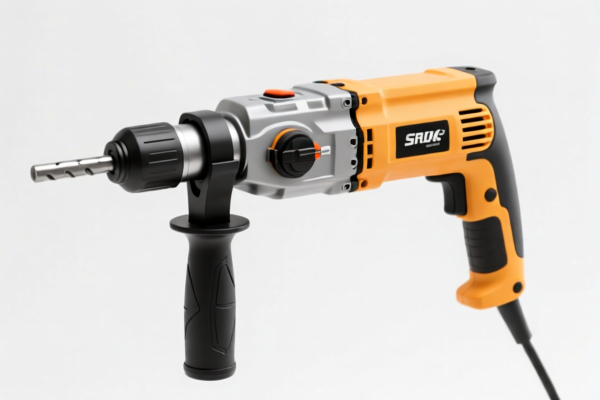
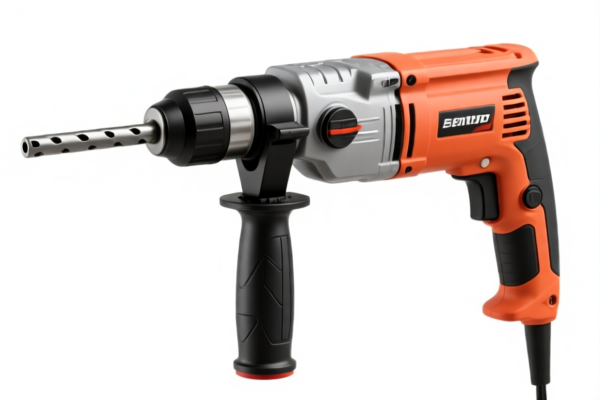
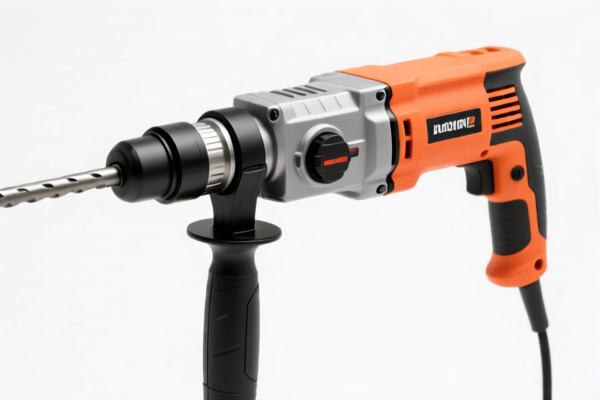

AI Analysis
🛠️ Electric Hardware Drill (Electric Drills)
🌐 HS Code Reference & Customs Clearance Guide | 2026 Latest Tariff Analysis | Professional Level Strategy
📌 1. Product Definition & Classification: Do You Really Know an "Electric Drill"?
An electric drill is a power tool used for drilling holes or driving screws. In international trade, the classification hinges on power source, handling method, and functional attributes. It is generally divided into:
- Hand-held Rotating Drill Tools: Powered by a built-in electric motor, designed to be held in the hand.
- Drill-like Tools: Tools that fit the functional definition of "drilling," regardless of minor structural differences.
⚠️ Key Distinction Point: * If it is a cordless (battery-operated) drill with a built-in motor, it typically falls under the "catch-all" category for other hand-held rotating tools. * If it is classified strictly as a "drill-like tool" based on specific functional attributes defined in customs rulings, it may trigger different tariff rates (especially regarding Section 301/122 tariffs).
📦 2. HS Code Classification Details (2026 Latest Tariff Authority)
| HS Code | Product Description | Application Scenario | Motor Type |
|---|---|---|---|
8467.21.00.50 |
Electric Drill, belongs to hand-held rotating drill tools with motors, classified under the "other" catch-all category. | General corded/uncorded electric drills classified as "other hand-held rotating tools." | Built-in Electric Motor |
8467.11.50.20 |
Electric Drill, belongs to drill-like tools, functional attributes consistent with the definition of drill-like tools. | Specific drills classified strictly as "drill-like tools" rather than general rotating tools. | N/A (Functional Classification) |
8467.21.00.10 |
Cordless Electric Drill, battery-powered, meets the characteristics of having a self-contained motor and rotational drilling purpose. | Battery-operated (cordless) drills. | Self-contained (Battery) |
🔍 Key Reminder: *
8467.21.00.50and8467.21.00.10are grouped under similar tariff rates due to their classification as hand-held rotating tools. *8467.11.50.20is classified differently based on "drill-like" functional attributes, leading to significantly higher additional tariffs.
💰 3. 2026 Latest Tariff Rate Details (Including Additional Taxes & Policy Surcharges)
✅ Applicable Country: United States (US)
✅ Origin: China (CN)
✅ Effective Time: Based on current 122 Clause and Section 301 regulations
🎯 1. 8467.21.00.50 —— Electric Drill (Hand-held Rotating Tool)
| Item | Content |
|---|---|
| Base Tariff | 1.7% (Ad Valorem) |
| Section 301 Additional Tariff | 0.0% |
| Section 122 Tariff (232) | 10% |
| Total Tariff Rate | 11.7% |
| Tax Calculation | CIF Value × 11.7% |
| De Minimis Eligibility | ✅ Yes (Usually, under $800, subject to CBP discretion) |
| Legal Basis Path | HTSUS:8467.21.00.50 → Section 122: 10% → Base: 1.7% |
📌 Explanation: * This code falls under "other" hand-held rotating tools. * It attracts the Section 122 tariff (10%) but no Section 301 tariff (0%). * Total: 11.7%. This is a relatively moderate tariff burden compared to other categories.
🎯 2. 8467.11.50.20 —— Electric Drill (Drill-like Tool)
| Item | Content |
|---|---|
| Base Tariff | 0.0% |
| Section 301 Additional Tariff | 25.0% |
| Section 122 Tariff (232) | 10% |
| Total Tariff Rate | 35.0% |
| Tax Calculation | CIF Value × 35.0% |
| De Minimis Eligibility | ❌ No (Subject to Section 301 restrictions) |
| Legal Basis Path | HTSUS:8467.11.50.20 → Section 301: 25% → Section 122: 10% |
📌 Warning: * This classification is triggered by specific "drill-like" functional definitions. * It attracts both Section 301 (25%) and Section 122 (10%) tariffs. * Total: 35.0%. This is a very high tariff and significantly impacts profitability.
🎯 3. 8467.21.00.10 —— Cordless Electric Drill (Battery-Powered)
| Item | Content |
|---|---|
| Base Tariff | 1.7% |
| Section 301 Additional Tariff | 0.0% |
| Section 122 Tariff (232) | 10% |
| Total Tariff Rate | 11.7% |
| Tax Calculation | CIF Value × 11.7% |
| De Minimis Eligibility | ✅ Yes (Usually, under $800, subject to CBP discretion) |
| Legal Basis Path | HTSUS:8467.21.00.10 → Section 122: 10% → Base: 1.7% |
📌 Note: * Cordless drills are classified similarly to general hand-held rotating tools. * The tariff structure is identical to
8467.21.00.50(11.7%). * Battery specifications (Li-ion, NiMH, etc.) do not change the HS code classification for the drill body itself, but proper declaration is required for shipping safety.
🛠️ 4. Customs Clearance Practical Advice (Real-World Pitfall Avoidance Guide)
✅ 1. Preparation Checklist (No omissions allowed)
| Material | Required | Explanation |
|---|---|---|
| ✅ Product Specification Sheet | ✔️ | Must detail: Voltage, Battery Capacity (for cordless), Torque, RPM, Weight |
| ✅ Product Photos (Clear) | ✔️ | Must show the entire drill, battery compartment, chuck, and label/model |
| ✅ Electrical Diagram/Schematic | ✔️ | Crucial for proving "hand-held rotating" vs. "fixed drill press" or other categories |
| ✅ Commercial Invoice | ✔️ | Clearly state "Electric Drill" and specify "Cordless" or "Corded" |
| ✅ Packing List | ✔️ | Detail contents: Drill body, battery, charger, bits (if included) |
| ✅ Battery MSDS (for Cordless) | ✔️ | Required for air/sea freight safety compliance (UN38.3 certification) |
✅ 2. Declaration Tips (Key Mantra)
🔥 "Cordless is 11.7%, Drill-like is 35%! Declare Battery Status Clearly!"
| Scenario | Correct Declaration | Wrong Practice |
|---|---|---|
| Cordless Drill (Battery included) | HS: 8467.21.00.10 Description: "Cordless Electric Drill, Li-ion" |
Declaring as "Drill-like Tool" → 35% Tariff |
| Corded Drill (Plug-in) | HS: 8467.21.00.50 Description: "Electric Drill, Hand-held" |
Declaring as "Drill-like Tool" → 35% Tariff |
| Drill with Extra Bits/Chips | Bundle as One Item under the drill HS Code | Separate declaration for bits → Different tariffs, higher complexity |
| Fixed/Industrial Drill Press | Do NOT use Drill HS Codes | Misclassifying stationary equipment as hand-held → Rejection/Fine |
✅ 3. Special Case Handling
| Case | Handling Advice |
|---|---|
| OEM/White Label Drills | Provide OEM agreement + design drawings to prove it is a standard hand-held drill, not a specialized "drill-like tool." |
| Drill + Screwdriver Combo | If the primary function is drilling, classify as Drill. If primary is driving screws, it may still be 8467.21 but ensure consistency. |
| Battery Separation | Ship batteries separately if volume is high, but declare clearly. The drill body alone is still 8467.21.00.50. |
| Section 301 Exemption | Currently, no exemption for 8467.11.50.20. For 8467.21, no Section 301 applies. |
🌍 5. Global Market Comparison (2026 Latest)
| Country/Region | Recommended HS Code | Tariff Rate (China Origin) | Key Certification | Remarks |
|---|---|---|---|---|
| 🇺🇸 USA | 8467.21.00.10 / .50 |
11.7% (122 Tariff) | FCC, UL, cUL | Avoid 8467.11.50.20 (35%) |
| 🇺🇸 USA | 8467.11.50.20 |
35.0% (301+122) | FCC, UL, cUL | High risk, avoid if possible |
| 🇪🇺 EU | 8467.21.00.10 |
~6.5% (Standard) | CE, RoHS, REACH | No Section 122/301 |
| 🇨🇳 China | 8467.21.00.10 |
~6.5% (Import) | CCC (for batteries) | Standard import tax |
| 🇯🇵 Japan | 8467.21.00.10 |
~5.0% | PSE (for batteries) | Low tariff, strict safety |
📌 Conclusion: * USA: The difference between 11.7% and 35% is massive. Ensure correct classification as "Hand-held Rotating Tool" (
8467.21) rather than "Drill-like Tool" (8467.11). * Global: Most other markets do not apply Section 122 or 301 tariffs. The 35% rate is specific to certain US classifications of Chinese origin.
📌 6. Common Mistakes & Pitfall Guide (Lessons Learned)
❌ Mistake 1: Declaring all drills as 8467.11.50.20 out of caution.
👉 Consequence: 35% Tariff. You could have paid only 11.7% by classifying as 8467.21.00.10 or .50.
❌ Mistake 2: Failing to specify "Cordless" for battery-powered drills.
👉 Consequence: Customs may request additional inspection or MSDS, causing delays. Use 8467.21.00.10 for clarity.
❌ Mistake 3: Ignoring Section 122 Tariff (10%).
👉 Consequence: Underestimating total landed cost. 11.7% = 1.7% Base + 10% Section 122.
✅ Correct Approach:
"Cordless Electric Drill, 20V Li-ion, Hand-held, for Drilling and Driving Screws, Model XYZ, FCC Certified"
HS Code:8467.21.00.10
Total Tariff: 11.7%
🎯 7. Conclusion: Precise Classification Saves 23.3%!
🎯 Remember the Mantra:
🔹 "Hand-held Rotating (8467.21) = 11.7%!"
🔹 "Drill-like (8467.11) = 35.0%!"
🔹 "Save 23.3% by choosing the right HS Code!"
📌 Pro Tip:
If your drill is not originating from China (e.g., Vietnam, Mexico, Thailand), Section 122 and Section 301 tariffs may not apply, potentially reducing the rate to the Base Tariff (1.7%). Always verify the Country of Origin!
📣 Immediate Action:
📞 Consult a professional customs broker
📄 Prepare detailed specs and photos
🚀 Ensure Section 122 compliance to avoid unexpected 10% surcharges!
✨ Professional Clearance Starts with Accurate Classification!
💼 Every percentage point counts in your profit margin!
Customer Reviews
About HS Code Classification
The Harmonized System (HS) is an internationally standardized nomenclature developed by the World Customs Organization (WCO) to classify traded products. Over 200 countries use the HS system as the basis for customs tariffs, trade statistics, and import/export regulations.
Each HS code follows a hierarchical structure:
- Chapter (2 digits) — Broad category of goods (e.g., Chapter 84: Machinery and Mechanical Appliances)
- Heading (4 digits) — More specific grouping within the chapter
- Subheading (6 digits) — Internationally standardized breakdown, used by all WCO member countries
- National subdivisions (8-10 digits) — Country-specific extensions for further classification, such as US HTSUS 10-digit codes
Correct HS code classification is essential for smooth customs clearance, accurate duty payment, and compliance with trade regulations. Misclassification can lead to customs delays, overpayment of duties, or penalties.
When importing from CN to US, the applicable tariff rates may include:
- Most-Favored-Nation (MFN) rate — The standard duty rate applied to WTO members
- General rate — Applied to countries without trade agreements
- Trade remedy duties — Additional tariffs such as Section 301 (anti-dumping), Section 232 (national security), or countervailing duties
The information provided on this page is for reference purposes only. For official classification, please consult with your local customs authority or a licensed customs broker.