electric insole
CN → US| HS编码 | 关税税率 | 原产国 | 目的国 | 文档 |
|---|---|---|---|---|
| 8516290090 | 38.7% | CN | US | 官方文档 |
| 8516790000 | 12.7% | CN | US | 官方文档 |
| 8509805045 | 14.2% | CN | US | 官方文档 |
| 8509805095 | 14.2% | CN | US | 官方文档 |
| 8516290090 | 38.7% | CN | US | 官方文档 |
商品图片
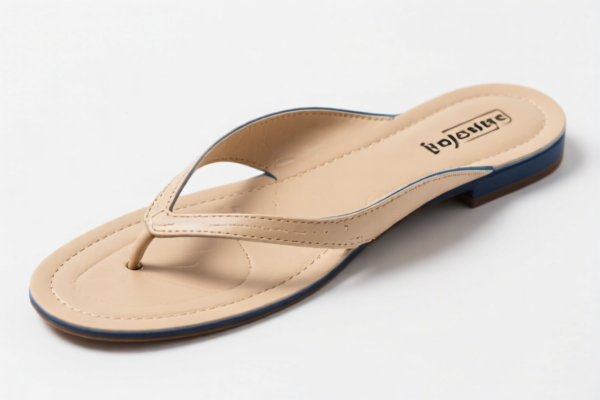
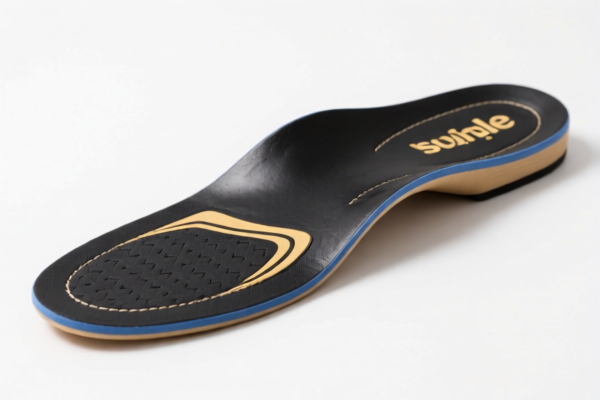
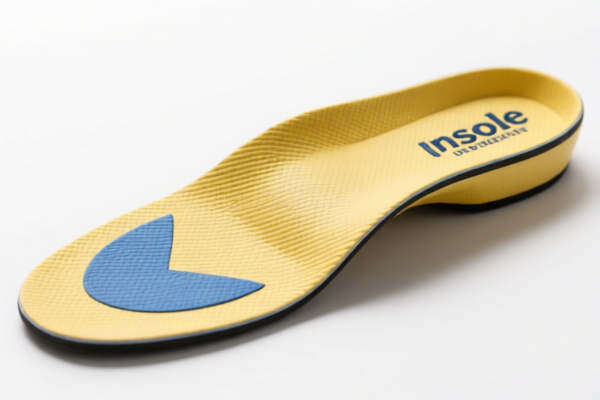
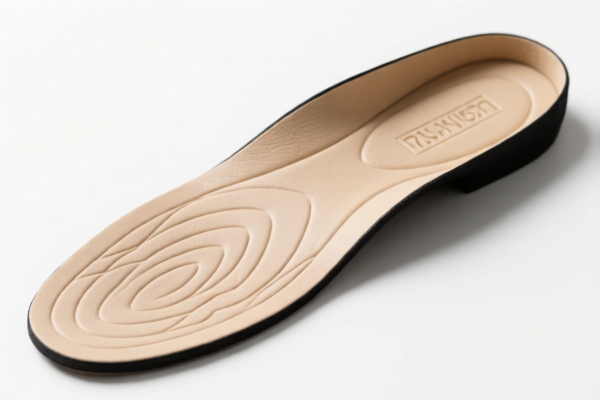
AI分析
🔥 Electric Insoles (Heated Footwear Components)
🌐 HS Code Reference & Customs Clearance Guide | 2026 Latest Tariff Analysis | Professional Classification Strategy
📌 I. Product Definition & Classification: Do You Truly Understand "Electric Insoles"?
Electric insoles are wearable heating devices designed to provide thermal comfort for feet. In international trade, their classification hinges on a critical distinction: Are they standalone heating appliances, or are they considered components/accessories of footwear?
Most customs authorities classify these products based on their primary function and integration level: * Heated Pads/Blankets (Standalone): If the insole is a self-contained unit with its own battery, controller, and heating elements, it is often classified under "Electric Heaters" or "Household Appliances." * Footwear Parts: If they are explicitly designed as interchangeable inserts for shoes and lack complex standalone controls, they might fall under "Parts of Footwear."
⚠️ Key Distinction Point:
- If the product is a complete heating system (pad + battery pack + wiring + control module) marketed as a warming device → HS Code 8516 or 8509.
- If it is merely a passive insert or a component specifically identifiable as a part of footwear → HS Code 6406 (Parts of Footwear).
However, based on the provided data which classifies it as an electric heating appliance, we will proceed with the classification of "Electric Heating Appliance."
📦 II. HS Code Classification Details (Based on Provided Data)
| HS Code | Product Description | Application Scenario | Tax Rate (Total) | Tax Breakdown |
|---|---|---|---|---|
8516.29.00.90 |
Electric Heating Element / Pad (Insulation Combined) | High-power heating pads, industrial warming mats, specialized electric blankets | 38.7% | Base: 3.7%, Additional (Sec 301): 25%, Section 122: 10% |
8516.79.00.00 |
Other Electric Heaters (For Domestic Use) | Household electric heaters, small warming devices | 12.7% | Base: 2.7%, Additional: 0%, Section 122: 10% |
8509.80.50.45 |
Other Household Electric Appliances | Small household machines with heating function | 14.2% | Base: 4.2%, Additional: 0%, Section 122: 10% |
8509.80.50.95 |
Other Household Electric Appliances (Miscellaneous) | Other domestic electric heating devices, non-specified | 14.2% | Base: 4.2%, Additional: 0%, Section 122: 10% |
🔍 Key Insight:
-8516.29.00.90is the most common classification for "heating pads" but carries the highest tariff (38.7%) due to high base duty and Section 301 additional duties.
-8516.79.00.00offers a significantly lower rate (12.7%) and is suitable for general electric heating appliances.
-8509.80.50.x5categories are for other household appliances, with a moderate rate (14.2%).
💰 III. 2026 Latest Tariff Rate Detailed Explanation
✅ Applicable Country: United States (US)
✅ Origin: China (CN)
✅ Effective Date: From November 10, 2025 onwards
🎯 1. 8516.29.00.90 —— Electric Heating Element / Pad (Insulation Combined)
| Item | Detail |
|---|---|
| Base Tariff | 3.7% (Ad Valorem) |
| Section 301 Additional Tariff | +25.0% |
| Section 122 Tariff | +10.0% |
| Total Tariff | 38.7% |
| Tax Calculation | CIF Value × 38.7% |
| De Minimis Exemption | ❌ Not Eligible |
| Legal Basis Path | USITC:8516.29.00.90 → Section 301: 25% → Section 122: 10% |
📌 Explanation:
- This code is used for electric heating elements where the heating element is combined with insulation materials.
- High Cost Alert: With a total rate of 38.7%, this is the most expensive option. Importers must verify if the product truly fits this "heating element" definition or if it can be classified under a lower rate.
🎯 2. 8516.79.00.00 —— Other Electric Heaters (For Domestic Use)
| Item | Detail |
|---|---|
| Base Tariff | 2.7% (Ad Valorem) |
| Section 301 Additional Tariff | 0.0% |
| Section 122 Tariff | +10.0% |
| Total Tariff | 12.7% |
| Tax Calculation | CIF Value × 12.7% |
| De Minimis Exemption | ❌ Not Eligible |
| Legal Basis Path | USITC:8516.79.00.00 → Section 122: 10% |
📌 Note:
- This is a cost-effective classification for electric heating appliances that are not specifically listed elsewhere.
- No Section 301 additional duty applies, making it significantly cheaper than8516.29.
🎯 3. 8509.80.50.45 & 8509.80.50.95 —— Other Household Electric Appliances
| Item | Detail |
|---|---|
| Base Tariff | 4.2% (Ad Valorem) |
| Section 301 Additional Tariff | 0.0% |
| Section 122 Tariff | +10.0% |
| Total Tariff | 14.2% |
| Tax Calculation | CIF Value × 14.2% |
| De Minimis Exemption | ❌ Not Eligible |
| Legal Basis Path | USITC:8509.80.50.x5 → Section 122: 10% |
📌 Note:
- These codes cover other household electric appliances. If the electric insole is considered a "household appliance" rather than a pure "heater," this classification may apply.
- The rate is slightly higher than8516.79but still much lower than8516.29.
🛠️ IV. Customs Clearance Practical Advice (Avoid Pitfalls)
✅ 1. Required Documentation Checklist
| Document | Required | Description |
|---|---|---|
| ✅ Product Specifications | ✔️ | Must include voltage, power (Watts), material composition (heating element, insulation). |
| ✅ Circuit Diagram / Structure | ✔️ | Critical to determine if it’s a "heating element" or a "complete appliance." |
| ✅ Product Photos (Labeled) | ✔️ | Clear images of the insole, battery pack, controller, and any labels. |
| ✅ Third-Party Test Report | ✔️ | FCC, CE, RoHS, UL (if applicable for electrical safety). |
| ✅ Commercial Invoice | ✔️ | Must accurately describe the product as "Electric Heating Insole" or "Heated Footwear Pad." |
| ✅ Packing List | ✔️ | Detail contents to avoid being mistaken for mixed shipments. |
✅ 2. Declaration Strategy (Key Tips)
🔥 "Describe the Function, Not Just the Form"
| Scenario | Recommended Declaration | Error to Avoid |
|---|---|---|
| Complete Heated Insole (with battery/controller) | "Electric Heated Insole, Household Appliance, Model XYZ" | Avoid vague terms like "Footwear Part" if it has complex electronics. |
| Heating Pad Only (No Battery) | "Electric Heating Element, Insulation Combined, for Footwear" | Do not under-declare if it’s a complete unit. |
| Simple Resistive Strip | "Electric Heating Pad, Part 8516.29" | Ensure it’s not classified under textile codes if it’s primarily electrical. |
✅ 3. Special Cases
| Scenario | Advice |
|---|---|
| OEM Customized Insoles | Provide design specs to prove it’s a standard electrical product, not a unique textile. |
| Bundled with Shoes | If sold with shoes, the entire set may be classified under footwear codes (HS 64), but the insole itself might still be subject to separate duties. Consult a specialist. |
| Battery-Powered | If lithium batteries are included, ensure proper UN38.3 testing and labeling for air/freight shipping. |
🌍 V. Global Market Comparison (2026)
| Country/Region | Recommended HS Code | Tariff Rate | Certification | Notes |
|---|---|---|---|---|
| 🇺🇸 USA | 8516.79.00.00 |
12.7% | FCC, UL | Lower rate than 8516.29. Best for general heaters. |
| 🇨🇳 China | 8516.29.00.90 |
Varies | CCC | Check local import regulations. |
| 🇪🇺 EU | 8516.29.00.90 |
~4-7% | CE, RoHS | No Section 301/122 equivalents. |
| 🇬🇧 UK | 8516.29.00.90 |
~4-7% | UKCA, RoHS | Post-Brexit rules apply. |
| 🇯🇵 Japan | 8516.29.00.90 |
~0-5% | PSE | Low tariffs for electrical goods. |
📌 Conclusion:
- The USA imposes significant additional tariffs (Section 301 & 122).
- Choosing the right HS Code (8516.79vs8516.29) can save 26% in duties.
- European and Asian markets are more tariff-friendly.
📌 VI. Common Mistakes & Pitfalls
❌ Mistake 1: Classifying electric insoles as Textiles (HS 60/61)
👉 Consequence: If customs deems the heating function primary, you’ll face retroactive duties + penalties.
❌ Mistake 2: Using 8516.29 when 8516.79 is applicable
👉 Consequence: Paying 38.7% instead of 12.7% → 26% overpayment!
❌ Mistake 3: Failing to declare Battery Contents
👉 Consequence: Shipments may be held or rejected at customs due to safety regulations (UN38.3).
✅ Correct Action:
"Heated Electric Insole, 12V, 10W, Lithium Battery Pack, FCC Certified, Model HE-100"
🎯 VII. Conclusion: Smart Classification, Higher Profits!
🎯 Remember:
🔹 "Heater or Appliance? Choose
8516.79for 12.7%.
🔹 "Heating Element?8516.29hits 38.7%.
🔹 "Check your circuit! Avoid the 26% penalty trap!"
📌 Pro Tip:
If your electric insoles are shipped to the US, consider:
1. Advance Ruling: Apply for a binding ruling from CBP to confirm the correct HS Code.
2. Supply Chain Adjustment: If tariffs are too high, consider assembling components in a non-China country (e.g., Vietnam, Mexico) to avoid Section 301 duties.
📣 Take Action Now:
📞 Consult a Customs Broker + Provide Circuit Diagram + Request HS Code Pre-Ruling
🚀 Minimize Tariffs, Maximize Profits, Clear Customs Smoothly!
✨ Professional Classification, Start with Precision!
💼 Every Percent of Duty Saved is Profit Kept!
用户评价
关于 HS 编码归类
协调制度(HS)是由世界海关组织(WCO)制定的国际贸易商品分类标准。全球 200 多个国家采用 HS 系统作为海关关税、贸易统计和进出口监管的基础。
每个 HS 编码遵循以下层级结构:
- 章(2 位)——商品大类(例如:第 84 章:机器和机械设备)
- 品目(4 位)——章内的更具体分类
- 子目(6 位)——国际通用细分,所有 WCO 成员国统一使用
- 本国细分(8-10 位)——各国自行扩展的细分编码,如美国 HTSUS 10 位编码
正确的 HS 编码归类对于顺利通关、准确缴纳关税和遵守贸易法规至关重要。错误归类可能导致海关延误、多缴关税或罚款。
从CN进口到US时,适用的关税税率可能包括:
- 最惠国(MFN)税率——适用于 WTO 成员国的标准关税税率
- 普通税率——适用于无贸易协定国家
- 贸易救济关税——附加关税,如 301 条款(反倾销)、232 条款(国家安全)或反补贴税
本页内容仅供参考。如需正式归类,请咨询当地海关或持牌报关代理。