electric insole
CN → US| HS Code | Tariff Rate | Origin | Destination | Doc |
|---|---|---|---|---|
| 8516290090 | 38.7% | CN | US | Official Doc |
| 8516790000 | 12.7% | CN | US | Official Doc |
| 8509805045 | 14.2% | CN | US | Official Doc |
| 8509805095 | 14.2% | CN | US | Official Doc |
| 8516290090 | 38.7% | CN | US | Official Doc |
Product Images
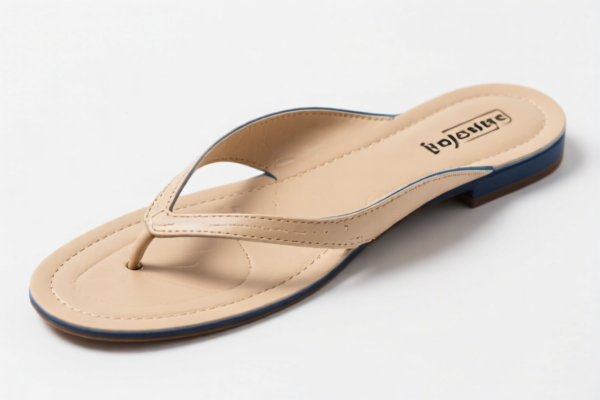
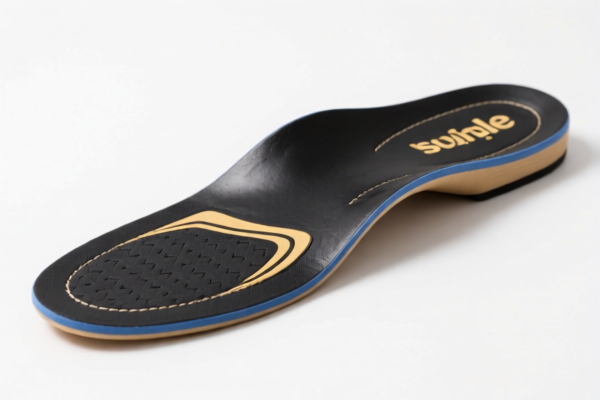
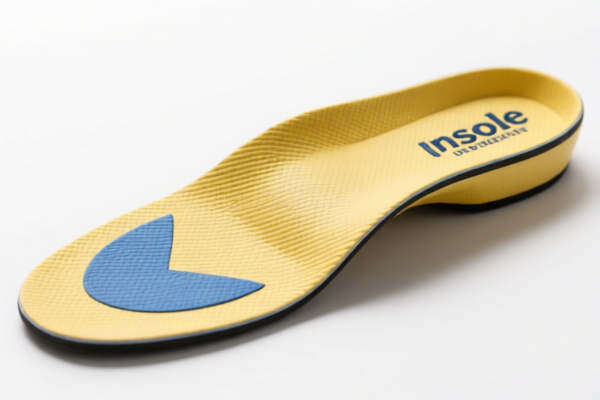
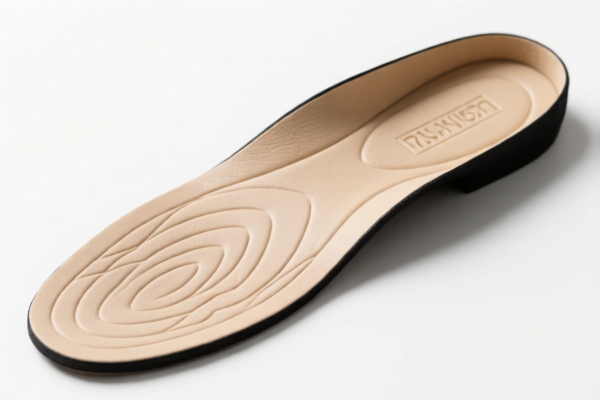
AI Analysis
🔥 Electric Insoles (Heated Footwear Components)
🌐 HS Code Reference & Customs Clearance Guide | 2026 Latest Tariff Analysis | Professional Classification Strategy
📌 I. Product Definition & Classification: Do You Truly Understand "Electric Insoles"?
Electric insoles are wearable heating devices designed to provide thermal comfort for feet. In international trade, their classification hinges on a critical distinction: Are they standalone heating appliances, or are they considered components/accessories of footwear?
Most customs authorities classify these products based on their primary function and integration level: * Heated Pads/Blankets (Standalone): If the insole is a self-contained unit with its own battery, controller, and heating elements, it is often classified under "Electric Heaters" or "Household Appliances." * Footwear Parts: If they are explicitly designed as interchangeable inserts for shoes and lack complex standalone controls, they might fall under "Parts of Footwear."
⚠️ Key Distinction Point:
- If the product is a complete heating system (pad + battery pack + wiring + control module) marketed as a warming device → HS Code 8516 or 8509.
- If it is merely a passive insert or a component specifically identifiable as a part of footwear → HS Code 6406 (Parts of Footwear).
However, based on the provided data which classifies it as an electric heating appliance, we will proceed with the classification of "Electric Heating Appliance."
📦 II. HS Code Classification Details (Based on Provided Data)
| HS Code | Product Description | Application Scenario | Tax Rate (Total) | Tax Breakdown |
|---|---|---|---|---|
8516.29.00.90 |
Electric Heating Element / Pad (Insulation Combined) | High-power heating pads, industrial warming mats, specialized electric blankets | 38.7% | Base: 3.7%, Additional (Sec 301): 25%, Section 122: 10% |
8516.79.00.00 |
Other Electric Heaters (For Domestic Use) | Household electric heaters, small warming devices | 12.7% | Base: 2.7%, Additional: 0%, Section 122: 10% |
8509.80.50.45 |
Other Household Electric Appliances | Small household machines with heating function | 14.2% | Base: 4.2%, Additional: 0%, Section 122: 10% |
8509.80.50.95 |
Other Household Electric Appliances (Miscellaneous) | Other domestic electric heating devices, non-specified | 14.2% | Base: 4.2%, Additional: 0%, Section 122: 10% |
🔍 Key Insight:
-8516.29.00.90is the most common classification for "heating pads" but carries the highest tariff (38.7%) due to high base duty and Section 301 additional duties.
-8516.79.00.00offers a significantly lower rate (12.7%) and is suitable for general electric heating appliances.
-8509.80.50.x5categories are for other household appliances, with a moderate rate (14.2%).
💰 III. 2026 Latest Tariff Rate Detailed Explanation
✅ Applicable Country: United States (US)
✅ Origin: China (CN)
✅ Effective Date: From November 10, 2025 onwards
🎯 1. 8516.29.00.90 —— Electric Heating Element / Pad (Insulation Combined)
| Item | Detail |
|---|---|
| Base Tariff | 3.7% (Ad Valorem) |
| Section 301 Additional Tariff | +25.0% |
| Section 122 Tariff | +10.0% |
| Total Tariff | 38.7% |
| Tax Calculation | CIF Value × 38.7% |
| De Minimis Exemption | ❌ Not Eligible |
| Legal Basis Path | USITC:8516.29.00.90 → Section 301: 25% → Section 122: 10% |
📌 Explanation:
- This code is used for electric heating elements where the heating element is combined with insulation materials.
- High Cost Alert: With a total rate of 38.7%, this is the most expensive option. Importers must verify if the product truly fits this "heating element" definition or if it can be classified under a lower rate.
🎯 2. 8516.79.00.00 —— Other Electric Heaters (For Domestic Use)
| Item | Detail |
|---|---|
| Base Tariff | 2.7% (Ad Valorem) |
| Section 301 Additional Tariff | 0.0% |
| Section 122 Tariff | +10.0% |
| Total Tariff | 12.7% |
| Tax Calculation | CIF Value × 12.7% |
| De Minimis Exemption | ❌ Not Eligible |
| Legal Basis Path | USITC:8516.79.00.00 → Section 122: 10% |
📌 Note:
- This is a cost-effective classification for electric heating appliances that are not specifically listed elsewhere.
- No Section 301 additional duty applies, making it significantly cheaper than8516.29.
🎯 3. 8509.80.50.45 & 8509.80.50.95 —— Other Household Electric Appliances
| Item | Detail |
|---|---|
| Base Tariff | 4.2% (Ad Valorem) |
| Section 301 Additional Tariff | 0.0% |
| Section 122 Tariff | +10.0% |
| Total Tariff | 14.2% |
| Tax Calculation | CIF Value × 14.2% |
| De Minimis Exemption | ❌ Not Eligible |
| Legal Basis Path | USITC:8509.80.50.x5 → Section 122: 10% |
📌 Note:
- These codes cover other household electric appliances. If the electric insole is considered a "household appliance" rather than a pure "heater," this classification may apply.
- The rate is slightly higher than8516.79but still much lower than8516.29.
🛠️ IV. Customs Clearance Practical Advice (Avoid Pitfalls)
✅ 1. Required Documentation Checklist
| Document | Required | Description |
|---|---|---|
| ✅ Product Specifications | ✔️ | Must include voltage, power (Watts), material composition (heating element, insulation). |
| ✅ Circuit Diagram / Structure | ✔️ | Critical to determine if it’s a "heating element" or a "complete appliance." |
| ✅ Product Photos (Labeled) | ✔️ | Clear images of the insole, battery pack, controller, and any labels. |
| ✅ Third-Party Test Report | ✔️ | FCC, CE, RoHS, UL (if applicable for electrical safety). |
| ✅ Commercial Invoice | ✔️ | Must accurately describe the product as "Electric Heating Insole" or "Heated Footwear Pad." |
| ✅ Packing List | ✔️ | Detail contents to avoid being mistaken for mixed shipments. |
✅ 2. Declaration Strategy (Key Tips)
🔥 "Describe the Function, Not Just the Form"
| Scenario | Recommended Declaration | Error to Avoid |
|---|---|---|
| Complete Heated Insole (with battery/controller) | "Electric Heated Insole, Household Appliance, Model XYZ" | Avoid vague terms like "Footwear Part" if it has complex electronics. |
| Heating Pad Only (No Battery) | "Electric Heating Element, Insulation Combined, for Footwear" | Do not under-declare if it’s a complete unit. |
| Simple Resistive Strip | "Electric Heating Pad, Part 8516.29" | Ensure it’s not classified under textile codes if it’s primarily electrical. |
✅ 3. Special Cases
| Scenario | Advice |
|---|---|
| OEM Customized Insoles | Provide design specs to prove it’s a standard electrical product, not a unique textile. |
| Bundled with Shoes | If sold with shoes, the entire set may be classified under footwear codes (HS 64), but the insole itself might still be subject to separate duties. Consult a specialist. |
| Battery-Powered | If lithium batteries are included, ensure proper UN38.3 testing and labeling for air/freight shipping. |
🌍 V. Global Market Comparison (2026)
| Country/Region | Recommended HS Code | Tariff Rate | Certification | Notes |
|---|---|---|---|---|
| 🇺🇸 USA | 8516.79.00.00 |
12.7% | FCC, UL | Lower rate than 8516.29. Best for general heaters. |
| 🇨🇳 China | 8516.29.00.90 |
Varies | CCC | Check local import regulations. |
| 🇪🇺 EU | 8516.29.00.90 |
~4-7% | CE, RoHS | No Section 301/122 equivalents. |
| 🇬🇧 UK | 8516.29.00.90 |
~4-7% | UKCA, RoHS | Post-Brexit rules apply. |
| 🇯🇵 Japan | 8516.29.00.90 |
~0-5% | PSE | Low tariffs for electrical goods. |
📌 Conclusion:
- The USA imposes significant additional tariffs (Section 301 & 122).
- Choosing the right HS Code (8516.79vs8516.29) can save 26% in duties.
- European and Asian markets are more tariff-friendly.
📌 VI. Common Mistakes & Pitfalls
❌ Mistake 1: Classifying electric insoles as Textiles (HS 60/61)
👉 Consequence: If customs deems the heating function primary, you’ll face retroactive duties + penalties.
❌ Mistake 2: Using 8516.29 when 8516.79 is applicable
👉 Consequence: Paying 38.7% instead of 12.7% → 26% overpayment!
❌ Mistake 3: Failing to declare Battery Contents
👉 Consequence: Shipments may be held or rejected at customs due to safety regulations (UN38.3).
✅ Correct Action:
"Heated Electric Insole, 12V, 10W, Lithium Battery Pack, FCC Certified, Model HE-100"
🎯 VII. Conclusion: Smart Classification, Higher Profits!
🎯 Remember:
🔹 "Heater or Appliance? Choose
8516.79for 12.7%.
🔹 "Heating Element?8516.29hits 38.7%.
🔹 "Check your circuit! Avoid the 26% penalty trap!"
📌 Pro Tip:
If your electric insoles are shipped to the US, consider:
1. Advance Ruling: Apply for a binding ruling from CBP to confirm the correct HS Code.
2. Supply Chain Adjustment: If tariffs are too high, consider assembling components in a non-China country (e.g., Vietnam, Mexico) to avoid Section 301 duties.
📣 Take Action Now:
📞 Consult a Customs Broker + Provide Circuit Diagram + Request HS Code Pre-Ruling
🚀 Minimize Tariffs, Maximize Profits, Clear Customs Smoothly!
✨ Professional Classification, Start with Precision!
💼 Every Percent of Duty Saved is Profit Kept!
Customer Reviews
About HS Code Classification
The Harmonized System (HS) is an internationally standardized nomenclature developed by the World Customs Organization (WCO) to classify traded products. Over 200 countries use the HS system as the basis for customs tariffs, trade statistics, and import/export regulations.
Each HS code follows a hierarchical structure:
- Chapter (2 digits) — Broad category of goods (e.g., Chapter 84: Machinery and Mechanical Appliances)
- Heading (4 digits) — More specific grouping within the chapter
- Subheading (6 digits) — Internationally standardized breakdown, used by all WCO member countries
- National subdivisions (8-10 digits) — Country-specific extensions for further classification, such as US HTSUS 10-digit codes
Correct HS code classification is essential for smooth customs clearance, accurate duty payment, and compliance with trade regulations. Misclassification can lead to customs delays, overpayment of duties, or penalties.
When importing from CN to US, the applicable tariff rates may include:
- Most-Favored-Nation (MFN) rate — The standard duty rate applied to WTO members
- General rate — Applied to countries without trade agreements
- Trade remedy duties — Additional tariffs such as Section 301 (anti-dumping), Section 232 (national security), or countervailing duties
The information provided on this page is for reference purposes only. For official classification, please consult with your local customs authority or a licensed customs broker.