ethylene plastic blow molding sheet
CN → US| HS编码 | 关税税率 | 原产国 | 目的国 | 文档 |
|---|---|---|---|---|
| 3915100000 | 35.0% | CN | US | 官方文档 |
| 3915900090 | 35.0% | CN | US | 官方文档 |
| 3901101000 | 41.5% | CN | US | 官方文档 |
| 3901105010 | 41.5% | CN | US | 官方文档 |
| 3907290000 | 41.5% | CN | US | 官方文档 |
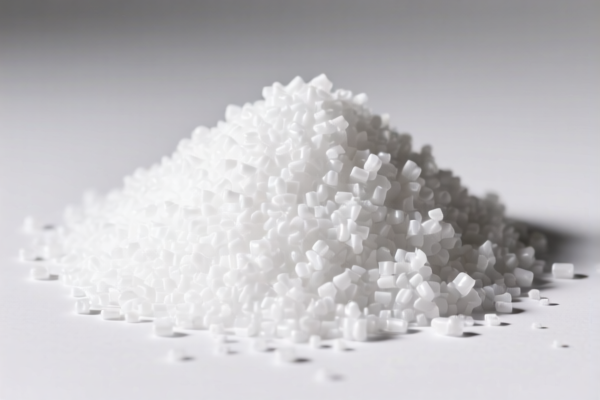
商品图片


AI分析
🏭 Ethylene Plastic Blow Molding Sheet / Scrap (乙烯塑料吹塑废料/片材)
🌐 HS Code Reference & Customs Clearance Guide | 2026 Latest Tariff Analysis | Professional Clearance Strategy
📌 I. Product Definition & Classification: What Exactly Is "Ethylene Plastic Blow Molding Sheet"?
In international trade, "Ethylene Plastic Blow Molding Sheet" can refer to two distinct states depending on its lifecycle:
1. Raw Material/Resin (Primary Form): Ethylene polymer resin used for blow molding. This is the input material.
2. Scrap/Offcuts (Waste State): Excess plastic, trimmings, or defective parts resulting from the blow molding process. This is the output waste.
⚠️ Critical Distinction:
- If it is solid resin/granules ready for manufacturing → Classified under Chapter 3901 (Ethylene Polymers).
- If it is scrap, chips, or waste pieces from production → Classified under Chapter 3915 (Waste and Scrap of Plastics).
📦 II. HS Code Classification Matrix (2026 Latest Tariff Authority对照)
| HS Code | Product Description | Material State | Classification Logic |
|---|---|---|---|
3915.10.00.00 |
Ethylene Plastic Blow Molding Scrap | Waste/Chips/Offcuts | Waste Category: Ethylene polymer waste, specifically from blow molding processes. Fits "Plastic Waste/Scrap" classification. |
3915.90.00.90 |
Ethylene Plastic Blow Molding Parts Scrap | Waste/Pieces | Waste Category: Ethylene plastic waste in piece/form, not specifically "chips," fitting general "Waste, Scrap & Offcuts" classification. |
3901.10.10.00 |
Ethylene Polymer Injection/Blow Molding Material | Primary Form (Resin) | Raw Material: Ethylene polymer in primary shape (granules/powder), generic classification for ethylene resins. |
3901.10.50.10 |
LLDPE Injection/Blow Molding Material | Primary Form (Resin) | Raw Material: Specifically Linear Low-Density Polyethylene (LLDPE), a common ethylene polymer for blow molding. |
3907.29.00.00 |
Ethylene Polymer Resin (Other) | Primary Form (Resin) | Raw Material: Other ethylene polymers not specified in 3901.10, often used as a catch-all for specific ethylene-based resins. |
🔍 Key Reminder:
- Scrap vs. Raw: The physical form determines the chapter. Waste/Trim → 3915. Resin/Granules → 3901/3907.
- Do Not Mix: Declaring waste as raw material (or vice versa) is a major compliance risk.
- Blow Molding Specifics: If the scrap is specifically from blow molding,3915.10.00.00is the most precise fit for chips. For larger pieces/trim,3915.90.00.90may apply.
💰 III. 2026 Latest Tariff Rate Breakdown (Including Surcharges & Policy Add-ons)
✅ Applicable Country: United States (US)
✅ Country of Origin: China (CN)
✅ Effective Date: From November 10, 2025 (for all subsequent imports)
🎯 1. 3915.10.00.00 —— Ethylene Plastic Blow Molding Scrap (Chips/Waste)
| Item | Content |
|---|---|
| Base Duty Rate | 0.0% (ad valorem) |
| Section 301 Surtax | +25.0% (From USITC Footnote 9903.88.01) |
| IEEPA Surcharge | +10.0% (Targeting China/HK products, effective from 2025-11-10) |
| Total Tax Rate | 35.0% |
| Tax Calculation | CIF Value × 35% |
| De Minimis Exemption | ❌ Not Applicable (deny_de_minimis) |
| Legal Basis Path | IEEPA:9903.01.25 → IEEPA:9903.01.24 → USITC:3915.10.00.00 → FOOTNOTE:9903.88.01 |
📌 Explanation:
- "Base 0%": Waste plastics have low base duties.
- "301 Surtax 25%": Standard penalty for Chinese plastic goods under Section 301.
- "IEEPA 10%": Additional tariff for Chinese-origin plastic waste/scrap.
- Total 35%: This is a high effective rate for waste, impacting recycling margins significantly.
🎯 2. 3915.90.00.90 —— Other Ethylene Plastic Scrap (Pieces/Offcuts)
| Item | Content |
|---|---|
| Base Duty Rate | 0.0% |
| Section 301 Surtax | +25.0% |
| IEEPA Surcharge | +10.0% |
| Total Tax Rate | 35.0% |
| Tax Calculation | CIF × 35% |
| De Minimis Exemption | ❌ Not Applicable |
| Legal Basis Path | IEEPA:9901.25 → IEEPA:9903.01.24 → USITC:3915.90.00.90 → FOOTNOTE:9903.88.01 |
📌 Note:
- Same tax structure as3915.10.00.00.
- Applies to larger scrap pieces, trimmings, or non-chip waste from ethylene plastic blow molding.
🎯 3. 3901.10.10.00 —— Ethylene Polymer Resin (Generic Primary Form)
| Item | Content |
|---|---|
| Base Duty Rate | 6.5% |
| Section 301 Surtax | +25.0% |
| IEEPA Surcharge | +10.0% |
| Total Tax Rate | 41.5% |
| Tax Calculation | CIF × 41.5% |
| De Minimis Exemption | ❌ Not Applicable |
| Legal Basis Path | IEEPA:9903.01.25 → IEEPA:9903.01.24 → USITC:3901.10.10.00 |
📌 Explanation:
- "Base 6.5%": Higher base duty for raw polymers compared to waste.
- Total 41.5%: Even higher than scrap due to the base rate. This applies if you are importing new resin for blow molding, not scrap.
🎯 4. 3901.10.50.10 —— Linear Low-Density Polyethylene (LLDPE) Resin
| Item | Content |
|---|---|
| Base Duty Rate | 6.5% |
| Section 301 Surtax | +25.0% |
| IEEPA Surcharge | +10.0% |
| Total Tax Rate | 41.5% |
| Tax Calculation | CIF × 41.5% |
| De Minimis Exemption | ❌ Not Applicable |
| Legal Basis Path | IEEPA:9903.01.25 → IEEPA:9903.01.24 → USITC:3901.10.50.10 |
📌 Note:
- Specific to LLDPE, the most common polymer for blow molding films and sheets.
- Same total rate as generic ethylene resin (3901.10.10.00).
🎯 5. 3907.29.00.00 —— Other Ethylene Polymers (Primary Form)
| Item | Content |
|---|---|
| Base Duty Rate | 6.5% |
| Section 301 Surtax | +25.0% |
| IEEPA Surcharge | +10.0% |
| Total Tax Rate | 41.5% |
| Tax Calculation | CIF × 41.5% |
| De Minimis Exemption | ❌ Not Applicable |
| Legal Basis Path | IEEPA:9903.01.25 → IEEPA:9903.01.24 → USITC:3907.29.00.00 |
📌 Note:
- Used for ethylene-based resins not covered under 3901.10.
- Also applies to "Other Polyethers" if misclassified, but correct classification for ethylene is 3901/3907.
🛠️ IV. Customs Clearance Practical Advice (Battle-Tested Pitfall Avoidance Guide)
✅ 1. Document Checklist (Mandatory)
| Document | Required | Notes |
|---|---|---|
| ✅ Product Specification Sheet | ✔️ | Must specify: Material (Ethylene/PE), Form (Resin vs. Scrap), Density, Melt Index. |
| ✅ MSDS / SDS | ✔️ | Critical for plastic resins to verify chemical composition. |
| ✅ Photos of Goods | ✔️ | Must clearly show: Granules (if raw) OR Chips/Pieces (if scrap). Avoid ambiguous images. |
| ✅ Commercial Invoice | ✔️ | Must accurately describe: "Ethylene Polymer Resin, Primary Form" OR "Ethylene Plastic Scrap, Blow Molding Offcuts". |
| ✅ Packing List | ✔️ | Detail weight of net vs. gross. Ensure scrap packaging is clean to avoid contamination claims. |
| ✅ Certificate of Origin (CO) | ✔️ | Essential for determining US origin vs. China origin tariffs. |
✅ 2. Declaration Tactics (Key Mantras)
🔥 "Resin is Raw, Scrap is Waste. Name it Right, Tax Rate is Straight!"
| Scenario | Correct Declaration | Incorrect Practice |
|---|---|---|
| Importing Resin for Production | 3901.10.10.00 or 3901.10.50.10 (Ethylene Polymer Resin) |
Calling it "Scrap" to save tax → Severe Penalty |
| Importing Plastic Trim/Chips | 3915.10.00.00 (Ethylene Plastic Scrap) |
Calling it "Resin" → Misclassification |
| Large Plastic Sheets/Trim | 3915.90.00.90 (Other Plastic Waste) |
Calling it "Raw Material" → High Tax Risk |
| Mixed Packaging | Separate HS Codes for Resin and Scrap | Mixing them in one line item → Customs Delay |
✅ 3. Special Case Handling
| Situation | Handling Advice |
|---|---|
| Contaminated Scrap | If scrap contains labels, glue, or other plastics, it may be classified as "Mixed Waste" with higher scrutiny. Clean it before export. |
| LLDPE Specificity | If you know it is LLDPE, use 3901.10.50.10. Using generic 3901.10.10.00 is acceptable but less precise. |
| Regrind/Recycled Pellets | If scrap is re-extruded into pellets, it is still "Scrap/Recyclable Material." Ensure description says "Ethylene Plastic Regrind/Scrap." |
| Bale vs. Loose | Scrap in bales is easier to classify under 3915. Loose chips are also 3915.10. |
🌍 V. Global Market Customs Comparison (2026 Latest)
| Country/Region | Recommended HS Code | Tariff (China Origin) | Certification | Notes |
|---|---|---|---|---|
| 🇺🇸 USA | 3915.10.00.00 / 3901.10.10.00 |
35% (Scrap) / 41.5% (Resin) | None specific | High tariffs due to 301 + IEEPA. |
| 🇨🇳 China | 3915.10.00.00 / 3901.10.10.00 |
0% (Scrap) / 6.5% (Resin) | None | Favorable for importing scrap. |
| 🇪🇺 EU | 3915.10.00 / 3901.10.10 |
Various | REACH | EU has strict plastic waste regulations. |
| 🇦🇺 Australia | 3915.10.00 / 3901.10.10 |
4% - 5% | None | Lower tariffs than US. |
| 🇯🇵 Japan | 3915.10.00 / 3901.10.10 |
3% - 6% | None | Moderate tariffs. |
📌 Conclusion:
- USA imposes the highest total tariffs (35%-41.5%) due to Section 301 and IEEPA.
- China and EU have stricter environmental controls on plastic waste imports.
- Resin (Raw) always costs more in duties than Scrap (Waste) in the US due to the base rate.
📌 VI. Common Errors & Pitfall Guide (Lessons Learned)
❌ Error 1: Declaring "Plastic Sheets" as "Resin" when it is actually Scrap
👉 Consequence: If classified as Resin, tax jumps from 35% to 41.5% + potential fraud penalties. If classified as Scrap but looks like Resin, Customs will hold it.
❌ Error 2: Using generic "Plastic Scrap" without specifying "Ethylene"
👉 Consequence: Customs may classify under a different plastic type with different tax rates (e.g., PVC vs. PE). Always specify material.
❌ Error 3: Failing to disclose "Blow Molding Offcuts"
👉 Consequence: If the scrap is from a prohibited process or mixed with hazardous materials, it could be rejected.
❌ Error 4: Ignoring IEEPA 10% Surcharge
👉 Consequence: Underpayment of 10% on CIF value. Back taxes + Interest + Penalties.
✅ Correct Practice:
"Ethylene Polymer Scrap, Blow Molding Offcuts, PE Material, Primary Form Waste, Model XYZ, Clean, No Contaminants"
🎯 VII. Conclusion: Professional Declaration, Save Time & Money
🎯 Remember Mantra:
🔹 "Scrap is 35%, Resin is 41.5%. Name it Ethylene, Declare it Clearly!"
🔹 "HS Code determines destiny. 1% difference in base, 25% difference in surcharge."
📌 Pro Tip:
If your ethylene plastic scrap/resin is originating from Vietnam, Mexico, or Thailand, you may be eligible for IEEPA Exemptions, reducing tariffs to 0%~5%.
✅ Recommendation:
📞 Contact a Professional Customs Broker + Provide Product Photos + Apply for HS Code Advance Ruling
🚀 Ensure smooth clearance, efficient export, and maximized profit!
✨ Professional Clearance Starts with Precise Classification!
💼 Every cent of your cost deserves precise calculation!
用户评价
关于 HS 编码归类
协调制度(HS)是由世界海关组织(WCO)制定的国际贸易商品分类标准。全球 200 多个国家采用 HS 系统作为海关关税、贸易统计和进出口监管的基础。
每个 HS 编码遵循以下层级结构:
- 章(2 位)——商品大类(例如:第 84 章:机器和机械设备)
- 品目(4 位)——章内的更具体分类
- 子目(6 位)——国际通用细分,所有 WCO 成员国统一使用
- 本国细分(8-10 位)——各国自行扩展的细分编码,如美国 HTSUS 10 位编码
正确的 HS 编码归类对于顺利通关、准确缴纳关税和遵守贸易法规至关重要。错误归类可能导致海关延误、多缴关税或罚款。
从CN进口到US时,适用的关税税率可能包括:
- 最惠国(MFN)税率——适用于 WTO 成员国的标准关税税率
- 普通税率——适用于无贸易协定国家
- 贸易救济关税——附加关税,如 301 条款(反倾销)、232 条款(国家安全)或反补贴税
本页内容仅供参考。如需正式归类,请咨询当地海关或持牌报关代理。