eva foam
CN → US商品图片
AI分析
🛠️ EVA Foam (Ethylene-Vinyl Acetate)
🌐 HS Code Reference & Customs Clearance Guide | 2026 Latest Tariff Analysis | Professional-Level Strategy
📌 I. Product Definition & Classification: Do You Really Understand "EVA Foam"?
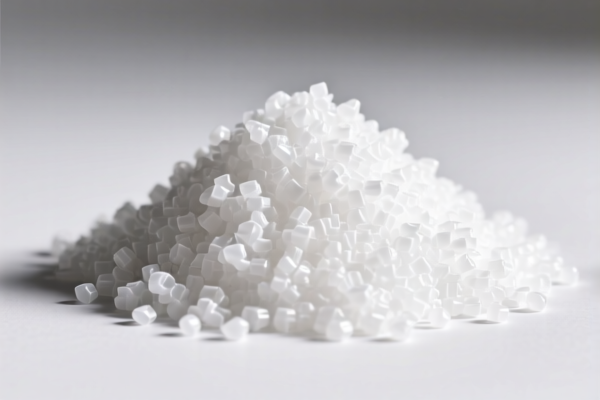
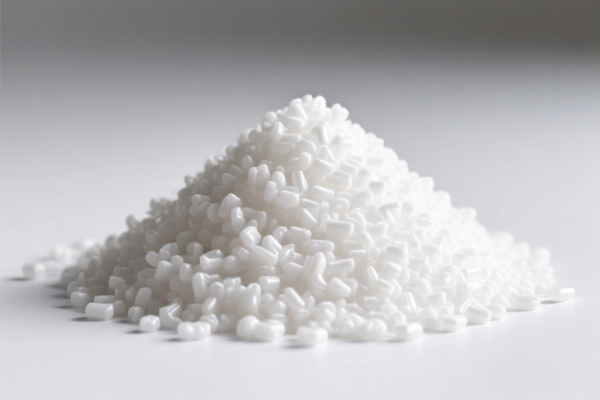
EVA Foam is a versatile, closed-cell foam material widely used in packaging, footwear, sports equipment, and insulation. In international trade, it is not a single HS Code product. Its classification depends strictly on processing level, shape, and end-use.
The two most common classifications are: 1. Raw/Unprocessed Sheets/Blocks → Classified under Chapter 39 (Plastics). 2. Finished/Partially Processed Articles → Classified under specific end-use chapters (e.g., Footwear, Packaging, Sports Goods).
⚠️ Critical Distinction:
- If the EVA foam is uncut sheets, rolls, or blocks → It is a "Plastic Article" (Chapter 39).
- If the EVA foam is cut into shapes, molded into shoes, or made into bags → It is a "Finished Article" (Chapter 64, 42, etc.).
- Misclassification Risk: Declaring cut shoe inserts as "uncut foam" will lead to rejection or high penalties.
📦 II. HS Code Classification Details (2026 Latest Tariff Authority Comparison)
| HS Code | Product Description | Application Scenario | Processing Level |
|---|---|---|---|
3921.13.00.00 |
Sheets, plates, film, foil, and strip, of plastics: Cellular, of Ethylene-Vinyl Acetate (EVA) | Unprocessed sheets/rolls used for packaging, DIY, or further manufacturing | ✅ Raw/Unprocessed |
3926.90.99.00 |
Other articles of plastics: Other | Cut/Molded EVA parts not specified elsewhere (e.g., EVA puzzle mats, custom spacers, non-footwear inserts) | ✅ Processed/Finished |
6406.10.00.00 |
Parts of footwear: Soles and heels, and parts thereof | EVA outsoles or midsoles for shoes (even if unattached) | ✅ Specific End-Use (Footwear) |
4202.92.00.00 |
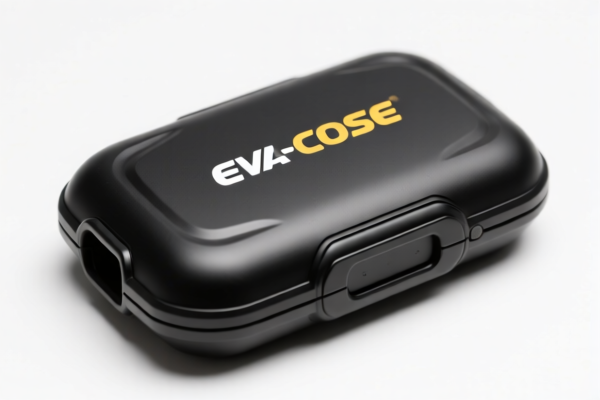
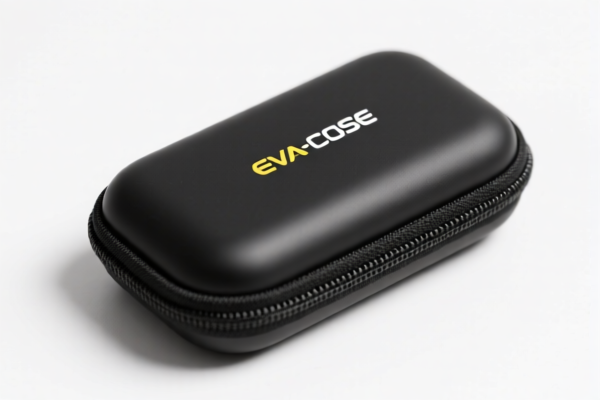
Trunks, suitcases, handbags, etc.: With outer surface of plastics or of textile materials | EVA lunch boxes, pencil cases, travel organizers | ✅ Specific End-Use (Accessories) |
9506.91.00.00 |
Articles and equipment for general physical exercise: Inflatable balls & others | EVA sports blocks, yoga mat bases, gym floor tiles | ✅ Specific End-Use (Sports) |
🔍 Key Reminder:
- Raw EVA Foam Sheets are almost always3921.13.00.00.
- Finished EVA Products (like shoe insoles or lunch boxes) cannot be declared as raw foam. They must use the specific end-use HS Code.
- Custom-cut shapes that don't fit other categories usually fall under3926.90.99.00.
💰 III. 2026 Latest Tariff Rate Details (Including Surcharges & Policy Add-ons)
✅ Applicable Country: United States (US)
✅ Origin: China (CN)
✅ Effective Time: From November 10, 2025 (including subsequent imports)
🎯 1. 3921.13.00.00 —— EVA Foam Sheets/Plates (Cellular, Unprocessed)
| Item | Content |
|---|---|
| Base Tariff | 5.7% (ad valorem) |
| USITC Additional Tariff | +25% (Under USITC Footnote 9903.88.01) |
| IEEPA Additional Tariff | +10% (Targeting China/HK products, effective Nov 10, 2025) |
| Total Rate | 40.7% |
| Tax Calculation | CIF Value × 40.7% |
| De Minimis Eligibility | ❌ Not Eligible (deny_de_minimis) |
| Legal Basis Path | IEEPA:9903.01.25 → IEEPA:9903.01.24 → USITC:3921.13.00.00 → FOOTNOTE:9903.88.01 |
📌 Explanation:
- Raw EVA foam sheets are considered "basic plastic materials" subject to Section 301 and IEEPA surcharges.
- 40.7% is a high combined rate. Importers should consider cost implications or sourcing from non-China origins if possible.
🎯 2. 3926.90.99.00 —— Other Plastic Articles (Processed EVA Products)
| Item | Content |
|---|---|
| Base Tariff | 5.3% (ad valorem) |
| USITC Additional Tariff | +25% |
| IEEPA Additional Tariff | +10% |
| Total Rate | 40.3% |
| Tax Calculation | CIF Value × 40.3% |
| De Minimis Eligibility | ❌ Not Eligible |
| Legal Basis Path | IEEPA:9901.25 → IEEPA:9903.01.24 → USITC:3926.90.99.00 → FOOTNOTE:9903.88.01 |
📌 Note:
- Cut EVA puzzle mats, EVA bags, or custom spacers fall here.
- Similar to raw foam, these are heavily taxed if originating from China.
🎯 3. 6406.10.00.00 —— EVA Shoe Soles/Heels (Parts of Footwear)
| Item | Content |
|---|---|
| Base Tariff | 10% (ad valorem) |
| USITC Additional Tariff | +25% |
| IEEPA Additional Tariff | +10% |
| Total Rate | 45% |
| Tax Calculation | CIF Value × 45% |
| De Minimis Eligibility | ❌ Not Eligible |
📌 Note:
- Even if the EVA sole is not attached to a shoe, it is classified as a "part of footwear."
- This often attracts a higher base rate (10% vs 5.3-5.7%) for raw plastics, leading to a higher total burden.
🛠️ IV. Customs Clearance Practical Advice (Battle-Tested Pitfall Guide)
✅ 1. Preparation Checklist (Must-Provides)
| Material | Required | Description |
|---|---|---|
| ✅ Product Photos | ✔️ | Clear images showing texture, thickness, and whether it’s a roll, sheet, or cut shape. |
| ✅ Technical Data Sheet | ✔️ | Density, hardness (Shore A/C), chemical composition (EVA content %). |
| ✅ Usage Declaration | ✔️ | Explicitly state: "For packaging," "For shoe manufacturing," or "For finished bags." |
| ✅ Commercial Invoice | ✔️ | Must match HS Code description exactly (e.g., "Cellular EVA Sheets" vs "EVA Footwear Parts"). |
| ✅ Certificate of Origin | ✔️ | Crucial for determining eligibility for any exemptions (though rare for China-origin in 2026). |
✅ 2. Declaration Tips (Key Mantras)
🔥 "Shape Defines Code, Use Defines Duty!"
| Scenario | Correct Declaration | Incorrect Action |
|---|---|---|
| EVA Rolls/Sheets | 3921.13.00.00 |
Declaring as "Finished Bags" → Seizure Risk |
| Cut EVA Inserts | 3926.90.99.00 |
Declaring as "Raw Foam" → Audit Trigger |
| EVA Shoe Soles | 6406.10.00.00 |
Declaring as "Plastic Articles" → Underpayment Penalty |
| EVA Lunch Boxes | 4202.92.00.00 |
Declaring as "Plastic Articles" → Different Tariff Path |
✅ 3. Special Handling
| Scenario | Recommendation |
|---|---|
| Custom Cut Shapes | Provide a cutting template or CAD file to prove it’s a specific part, not just scrap. |
| Mixed Shipments | If shipping both raw sheets and finished goods, declare separately. Do not lump under one HS Code. |
| Recycled EVA | If the foam is made from recycled materials, disclose this. Some destinations have different environmental regulations, though US tariff code remains similar. |
| OEM Components | If supplying EVA midsoles to a shoe factory, declare as "Parts of Footwear" (6406.10.00.00), not general plastic. |
🌍 V. Global Market Comparison (2026 Latest)
| Country/Region | Recommended HS Code | Tariff (China Origin) | Certification Requirement | Note |
|---|---|---|---|---|
| 🇺🇸 USA | 3921.13.00.00 |
40.7% | No specific CE/FCC, but must meet CPSC if for toys/kids | High tariff burden. |
| 🇨🇳 China | 3921.13.00.00 |
6.5% | None | Low import tariff, but domestic tax applies. |
| 🇪🇺 EU | 3921.13.00.00 |
6.5% | REACH Compliance | No Section 301 equivalent, but strict chemical standards. |
| 🇬🇧 UK | 3921.13.00.00 |
6.5% | UKCA Marking (if applicable) | Post-Brexit rules align closely with EU for plastics. |
| 🇦🇺 Australia | 3921.13.00.00 |
5.0% | ACCC Standards | Moderate tariff, lower than US. |
📌 Conclusion:
- The US is the only major market with heavy additional tariffs on EVA foam from China.
- For the EU and other markets, the base tariff is manageable (~5-6.5%), but REACH (EU) and chemical safety regulations are strict.
- Strategy: If exporting to the US, consider tariff engineering (e.g., ensuring final product is a different chapter if possible) or sourcing from Vietnam/Mexico for IEEPA exemption.
📌 VI. Common Mistakes & Pitfalls (Lessons Learned)
❌ Mistake 1: Declaring EVA Puzzle Mats (cut shapes) as Raw Foam Sheets.
👉 Consequence: Customs may reject the entry or reclassify under 3926.90.99.00, leading to delays and storage fees.
❌ Mistake 2: Declaring EVA Shoe Insoles as Plastic Articles (3926...).
👉 Consequence: Under-declaration of duties. Shoe parts often have different duty structures and regulatory oversight. Risk of penalties.
❌ Mistake 3: Ignoring Density and Composition.
👉 Consequence: If the product is not truly "Cellular" (closed-cell), it may be classified under 3921.14.00.00 (Polymers of Ethylene), which might have different tariff nuances. Always provide a lab report.
✅ Correct Practice:
"Cellular Ethylene-Vinyl Acetate Foam Sheets, Uncut, for Packaging Use, 1.5mm Thick, Roll Form"
🎯 VII. Conclusion: Precision in Classification Saves Costs!
🎯 Remember the Mantras:
🔹 "Raw Sheets go to 3921; Finished Goods go to their Chapter!"
🔹 "EVA is Plastic, but if it’s a Shoe Part, it’s Footwear!"
🔹 "US Tariffs on EVA are High (40%+); Plan Ahead!"
📌 Pro Tip:
If your EVA foam is intended for children’s toys, ensure it meets ASTM F963 (US) or EN71 (EU) standards. Non-compliance can lead to product recalls, regardless of HS Code accuracy.
📣 Immediate Action:
📞 Contact your customs broker before shipment.
📄 Submit product images and usage declarations in advance.
🚀 Avoid customs delays by getting an Advance Ruling if your product is complex.
✨ Professional Customs Clearance Starts with Accurate Classification!
💼 Every Percent of Tariff Matters in the Age of Trade Wars!
用户评价
关于 HS 编码归类
协调制度(HS)是由世界海关组织(WCO)制定的国际贸易商品分类标准。全球 200 多个国家采用 HS 系统作为海关关税、贸易统计和进出口监管的基础。
每个 HS 编码遵循以下层级结构:
- 章(2 位)——商品大类(例如:第 84 章:机器和机械设备)
- 品目(4 位)——章内的更具体分类
- 子目(6 位)——国际通用细分,所有 WCO 成员国统一使用
- 本国细分(8-10 位)——各国自行扩展的细分编码,如美国 HTSUS 10 位编码
正确的 HS 编码归类对于顺利通关、准确缴纳关税和遵守贸易法规至关重要。错误归类可能导致海关延误、多缴关税或罚款。
从CN进口到US时,适用的关税税率可能包括:
- 最惠国(MFN)税率——适用于 WTO 成员国的标准关税税率
- 普通税率——适用于无贸易协定国家
- 贸易救济关税——附加关税,如 301 条款(反倾销)、232 条款(国家安全)或反补贴税
本页内容仅供参考。如需正式归类,请咨询当地海关或持牌报关代理。