eva foam
CN → USProduct Images
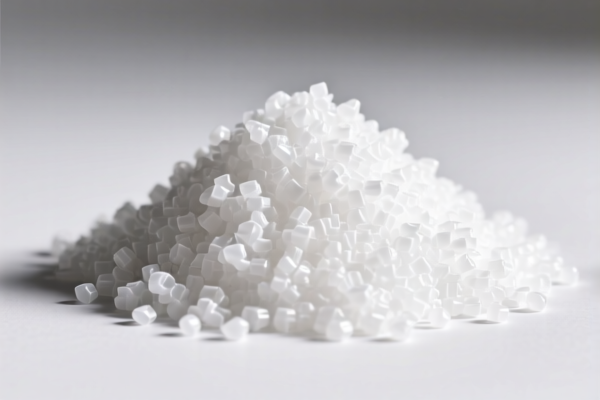
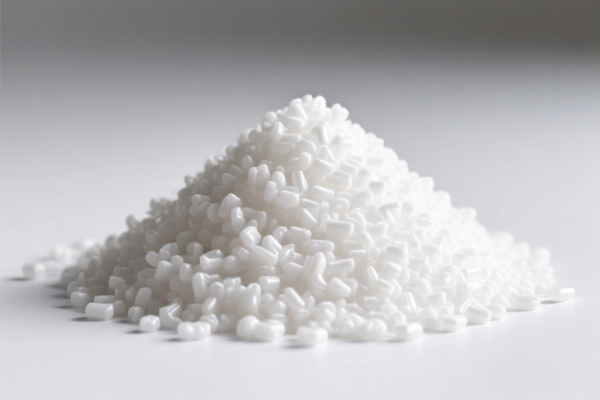
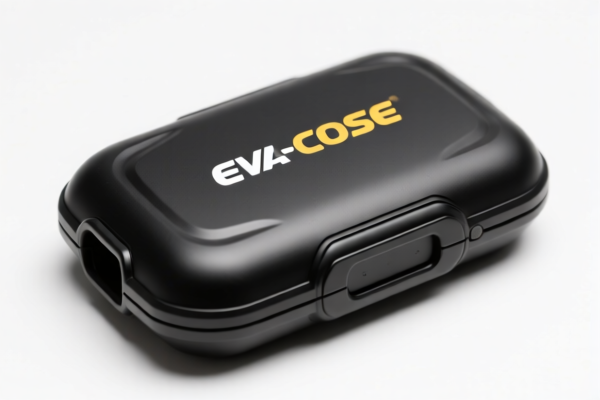
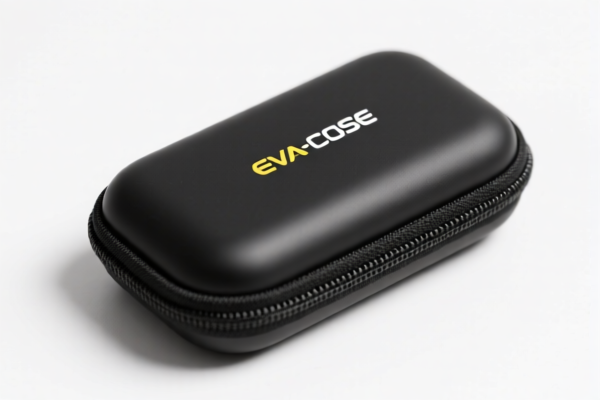
AI Analysis
🛠️ EVA Foam (Ethylene-Vinyl Acetate)
🌐 HS Code Reference & Customs Clearance Guide | 2026 Latest Tariff Analysis | Professional-Level Strategy
📌 I. Product Definition & Classification: Do You Really Understand "EVA Foam"?
EVA Foam is a versatile, closed-cell foam material widely used in packaging, footwear, sports equipment, and insulation. In international trade, it is not a single HS Code product. Its classification depends strictly on processing level, shape, and end-use.
The two most common classifications are: 1. Raw/Unprocessed Sheets/Blocks → Classified under Chapter 39 (Plastics). 2. Finished/Partially Processed Articles → Classified under specific end-use chapters (e.g., Footwear, Packaging, Sports Goods).
⚠️ Critical Distinction:
- If the EVA foam is uncut sheets, rolls, or blocks → It is a "Plastic Article" (Chapter 39).
- If the EVA foam is cut into shapes, molded into shoes, or made into bags → It is a "Finished Article" (Chapter 64, 42, etc.).
- Misclassification Risk: Declaring cut shoe inserts as "uncut foam" will lead to rejection or high penalties.
📦 II. HS Code Classification Details (2026 Latest Tariff Authority Comparison)
| HS Code | Product Description | Application Scenario | Processing Level |
|---|---|---|---|
3921.13.00.00 |
Sheets, plates, film, foil, and strip, of plastics: Cellular, of Ethylene-Vinyl Acetate (EVA) | Unprocessed sheets/rolls used for packaging, DIY, or further manufacturing | ✅ Raw/Unprocessed |
3926.90.99.00 |
Other articles of plastics: Other | Cut/Molded EVA parts not specified elsewhere (e.g., EVA puzzle mats, custom spacers, non-footwear inserts) | ✅ Processed/Finished |
6406.10.00.00 |
Parts of footwear: Soles and heels, and parts thereof | EVA outsoles or midsoles for shoes (even if unattached) | ✅ Specific End-Use (Footwear) |
4202.92.00.00 |
Trunks, suitcases, handbags, etc.: With outer surface of plastics or of textile materials | EVA lunch boxes, pencil cases, travel organizers | ✅ Specific End-Use (Accessories) |
9506.91.00.00 |
Articles and equipment for general physical exercise: Inflatable balls & others | EVA sports blocks, yoga mat bases, gym floor tiles | ✅ Specific End-Use (Sports) |
🔍 Key Reminder:
- Raw EVA Foam Sheets are almost always3921.13.00.00.
- Finished EVA Products (like shoe insoles or lunch boxes) cannot be declared as raw foam. They must use the specific end-use HS Code.
- Custom-cut shapes that don't fit other categories usually fall under3926.90.99.00.
💰 III. 2026 Latest Tariff Rate Details (Including Surcharges & Policy Add-ons)
✅ Applicable Country: United States (US)
✅ Origin: China (CN)
✅ Effective Time: From November 10, 2025 (including subsequent imports)
🎯 1. 3921.13.00.00 —— EVA Foam Sheets/Plates (Cellular, Unprocessed)
| Item | Content |
|---|---|
| Base Tariff | 5.7% (ad valorem) |
| USITC Additional Tariff | +25% (Under USITC Footnote 9903.88.01) |
| IEEPA Additional Tariff | +10% (Targeting China/HK products, effective Nov 10, 2025) |
| Total Rate | 40.7% |
| Tax Calculation | CIF Value × 40.7% |
| De Minimis Eligibility | ❌ Not Eligible (deny_de_minimis) |
| Legal Basis Path | IEEPA:9903.01.25 → IEEPA:9903.01.24 → USITC:3921.13.00.00 → FOOTNOTE:9903.88.01 |
📌 Explanation:
- Raw EVA foam sheets are considered "basic plastic materials" subject to Section 301 and IEEPA surcharges.
- 40.7% is a high combined rate. Importers should consider cost implications or sourcing from non-China origins if possible.
🎯 2. 3926.90.99.00 —— Other Plastic Articles (Processed EVA Products)
| Item | Content |
|---|---|
| Base Tariff | 5.3% (ad valorem) |
| USITC Additional Tariff | +25% |
| IEEPA Additional Tariff | +10% |
| Total Rate | 40.3% |
| Tax Calculation | CIF Value × 40.3% |
| De Minimis Eligibility | ❌ Not Eligible |
| Legal Basis Path | IEEPA:9901.25 → IEEPA:9903.01.24 → USITC:3926.90.99.00 → FOOTNOTE:9903.88.01 |
📌 Note:
- Cut EVA puzzle mats, EVA bags, or custom spacers fall here.
- Similar to raw foam, these are heavily taxed if originating from China.
🎯 3. 6406.10.00.00 —— EVA Shoe Soles/Heels (Parts of Footwear)
| Item | Content |
|---|---|
| Base Tariff | 10% (ad valorem) |
| USITC Additional Tariff | +25% |
| IEEPA Additional Tariff | +10% |
| Total Rate | 45% |
| Tax Calculation | CIF Value × 45% |
| De Minimis Eligibility | ❌ Not Eligible |
📌 Note:
- Even if the EVA sole is not attached to a shoe, it is classified as a "part of footwear."
- This often attracts a higher base rate (10% vs 5.3-5.7%) for raw plastics, leading to a higher total burden.
🛠️ IV. Customs Clearance Practical Advice (Battle-Tested Pitfall Guide)
✅ 1. Preparation Checklist (Must-Provides)
| Material | Required | Description |
|---|---|---|
| ✅ Product Photos | ✔️ | Clear images showing texture, thickness, and whether it’s a roll, sheet, or cut shape. |
| ✅ Technical Data Sheet | ✔️ | Density, hardness (Shore A/C), chemical composition (EVA content %). |
| ✅ Usage Declaration | ✔️ | Explicitly state: "For packaging," "For shoe manufacturing," or "For finished bags." |
| ✅ Commercial Invoice | ✔️ | Must match HS Code description exactly (e.g., "Cellular EVA Sheets" vs "EVA Footwear Parts"). |
| ✅ Certificate of Origin | ✔️ | Crucial for determining eligibility for any exemptions (though rare for China-origin in 2026). |
✅ 2. Declaration Tips (Key Mantras)
🔥 "Shape Defines Code, Use Defines Duty!"
| Scenario | Correct Declaration | Incorrect Action |
|---|---|---|
| EVA Rolls/Sheets | 3921.13.00.00 |
Declaring as "Finished Bags" → Seizure Risk |
| Cut EVA Inserts | 3926.90.99.00 |
Declaring as "Raw Foam" → Audit Trigger |
| EVA Shoe Soles | 6406.10.00.00 |
Declaring as "Plastic Articles" → Underpayment Penalty |
| EVA Lunch Boxes | 4202.92.00.00 |
Declaring as "Plastic Articles" → Different Tariff Path |
✅ 3. Special Handling
| Scenario | Recommendation |
|---|---|
| Custom Cut Shapes | Provide a cutting template or CAD file to prove it’s a specific part, not just scrap. |
| Mixed Shipments | If shipping both raw sheets and finished goods, declare separately. Do not lump under one HS Code. |
| Recycled EVA | If the foam is made from recycled materials, disclose this. Some destinations have different environmental regulations, though US tariff code remains similar. |
| OEM Components | If supplying EVA midsoles to a shoe factory, declare as "Parts of Footwear" (6406.10.00.00), not general plastic. |
🌍 V. Global Market Comparison (2026 Latest)
| Country/Region | Recommended HS Code | Tariff (China Origin) | Certification Requirement | Note |
|---|---|---|---|---|
| 🇺🇸 USA | 3921.13.00.00 |
40.7% | No specific CE/FCC, but must meet CPSC if for toys/kids | High tariff burden. |
| 🇨🇳 China | 3921.13.00.00 |
6.5% | None | Low import tariff, but domestic tax applies. |
| 🇪🇺 EU | 3921.13.00.00 |
6.5% | REACH Compliance | No Section 301 equivalent, but strict chemical standards. |
| 🇬🇧 UK | 3921.13.00.00 |
6.5% | UKCA Marking (if applicable) | Post-Brexit rules align closely with EU for plastics. |
| 🇦🇺 Australia | 3921.13.00.00 |
5.0% | ACCC Standards | Moderate tariff, lower than US. |
📌 Conclusion:
- The US is the only major market with heavy additional tariffs on EVA foam from China.
- For the EU and other markets, the base tariff is manageable (~5-6.5%), but REACH (EU) and chemical safety regulations are strict.
- Strategy: If exporting to the US, consider tariff engineering (e.g., ensuring final product is a different chapter if possible) or sourcing from Vietnam/Mexico for IEEPA exemption.
📌 VI. Common Mistakes & Pitfalls (Lessons Learned)
❌ Mistake 1: Declaring EVA Puzzle Mats (cut shapes) as Raw Foam Sheets.
👉 Consequence: Customs may reject the entry or reclassify under 3926.90.99.00, leading to delays and storage fees.
❌ Mistake 2: Declaring EVA Shoe Insoles as Plastic Articles (3926...).
👉 Consequence: Under-declaration of duties. Shoe parts often have different duty structures and regulatory oversight. Risk of penalties.
❌ Mistake 3: Ignoring Density and Composition.
👉 Consequence: If the product is not truly "Cellular" (closed-cell), it may be classified under 3921.14.00.00 (Polymers of Ethylene), which might have different tariff nuances. Always provide a lab report.
✅ Correct Practice:
"Cellular Ethylene-Vinyl Acetate Foam Sheets, Uncut, for Packaging Use, 1.5mm Thick, Roll Form"
🎯 VII. Conclusion: Precision in Classification Saves Costs!
🎯 Remember the Mantras:
🔹 "Raw Sheets go to 3921; Finished Goods go to their Chapter!"
🔹 "EVA is Plastic, but if it’s a Shoe Part, it’s Footwear!"
🔹 "US Tariffs on EVA are High (40%+); Plan Ahead!"
📌 Pro Tip:
If your EVA foam is intended for children’s toys, ensure it meets ASTM F963 (US) or EN71 (EU) standards. Non-compliance can lead to product recalls, regardless of HS Code accuracy.
📣 Immediate Action:
📞 Contact your customs broker before shipment.
📄 Submit product images and usage declarations in advance.
🚀 Avoid customs delays by getting an Advance Ruling if your product is complex.
✨ Professional Customs Clearance Starts with Accurate Classification!
💼 Every Percent of Tariff Matters in the Age of Trade Wars!
Customer Reviews
About HS Code Classification
The Harmonized System (HS) is an internationally standardized nomenclature developed by the World Customs Organization (WCO) to classify traded products. Over 200 countries use the HS system as the basis for customs tariffs, trade statistics, and import/export regulations.
Each HS code follows a hierarchical structure:
- Chapter (2 digits) — Broad category of goods (e.g., Chapter 84: Machinery and Mechanical Appliances)
- Heading (4 digits) — More specific grouping within the chapter
- Subheading (6 digits) — Internationally standardized breakdown, used by all WCO member countries
- National subdivisions (8-10 digits) — Country-specific extensions for further classification, such as US HTSUS 10-digit codes
Correct HS code classification is essential for smooth customs clearance, accurate duty payment, and compliance with trade regulations. Misclassification can lead to customs delays, overpayment of duties, or penalties.
When importing from CN to US, the applicable tariff rates may include:
- Most-Favored-Nation (MFN) rate — The standard duty rate applied to WTO members
- General rate — Applied to countries without trade agreements
- Trade remedy duties — Additional tariffs such as Section 301 (anti-dumping), Section 232 (national security), or countervailing duties
The information provided on this page is for reference purposes only. For official classification, please consult with your local customs authority or a licensed customs broker.