fabric less than 1 square meter, lined
CN → US| HS编码 | 关税税率 | 原产国 | 目的国 | 文档 |
|---|---|---|---|---|
| 5407522020 | 49.9% | CN | US | 官方文档 |
| 5111113000 | 45.0% | CN | US | 官方文档 |
| 5208316060 | 44.7% | CN | US | 官方文档 |
| 5212156020 | 42.8% | CN | US | 官方文档 |
| 5212156090 | 42.8% | CN | US | 官方文档 |
商品图片
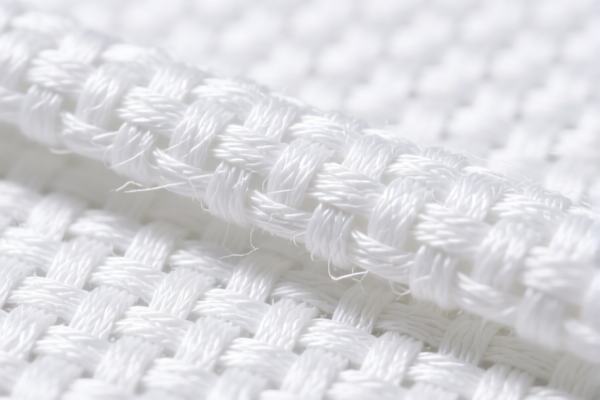
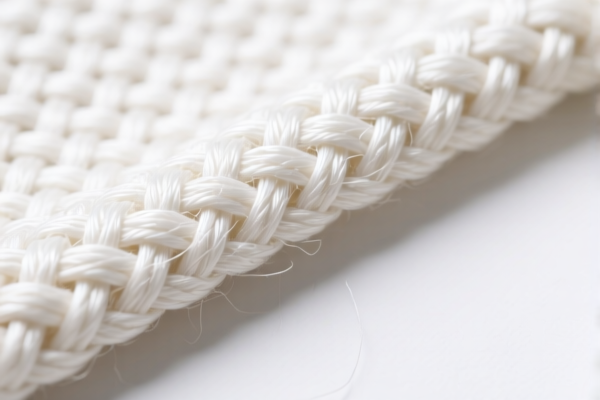
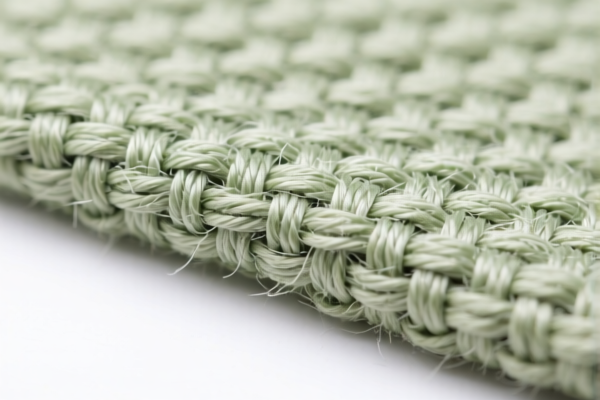
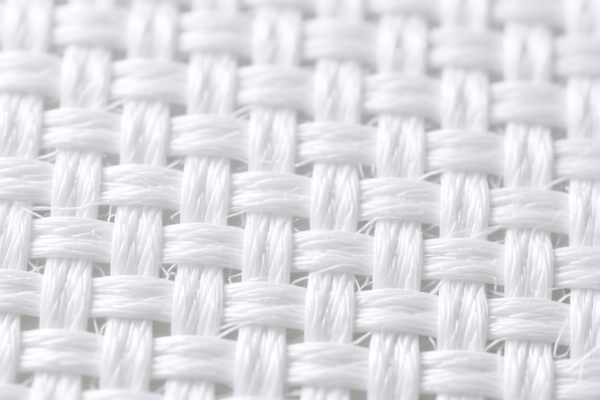
AI分析
🧵 Fabric (Less than 1 Square Meter, Lined)
🌐 HS Code Reference & Customs Clearance Guide | 2026 Latest Tariff Analysis | Professional Entry Strategy
📌 I. Product Definition & Classification: What is "Lined Fabric <1 Sq Meter"?
"Fabric" in international trade generally refers to woven or knitted textile materials. The specific descriptors "Less than 1 square meter" and "Lined" are critical for classification:
- Physical Form: Small piece (cut goods), not bolts. This often triggers "cutting" or "tailor's goods" logic but usually defaults to the fabric type unless made into a specific garment.
- "Lined": This implies a composite material (two layers bonded or sewn). Classification hinges on the outer layer's material or the primary material defining the character of the good.
- Use Case: The input data suggests various end-uses (clothing, bedding). The HS code must match the material composition and processing method (woven, printed, etc.).
⚠️ Key Distinction:
- If the item is raw fabric (woven/knitted, colored/printing) → Classify by fiber content (Cotton, Wool, Synthetic).
- If the item is made up (sewn into a shape) → Might be "made-up articles." However, small cut pieces often remain under "Fabric" chapters if not fully assembled.
- "Lined" adds complexity: It may be classified by the outer fabric if the lining is minor, or as a composite textile.
📦 II. HS Code Classification Details (Based on Provided Data)
Based on the provided JSON data, here are the 5 most relevant HS Codes for "Fabric <1 Sq Meter, Lined," categorized by material inference.
| HS Code | Product Description | Matching Logic (From Data) | Total Tax Rate |
|---|---|---|---|
| 5407.52.20.20 | Synthetic Fiber Fabric (Clothing Use) | Inferred: Fabric form + Clothing use. Likely synthetic filament (polyester/nylon) given the high tax bracket. No material conflict with filament properties. | 49.9% |
| 5111.11.30.00 | Wool/Fine Animal Hair Fabric | Inferred: Woven form + Clothing use. Assumed wool/animal hair component due to "clothing fabric" commonality. Fits "catch-all" logic if material is ambiguous. | 45.0% |
| 5208.31.60.60 | Cotton Fabric (Printed/Chintz) | Match: Cotton/Fiber + Woven + Clothing Use. Matches "Printcloth" use. Classified under "Other" due to missing weight/dye details. | 44.7% |
| 5212.15.60.20 | Cotton Fabric (Printed, <1kg/sq meter) | Match: Cotton + Printed Woven + Bedding Use. The "<1 sq meter" spec doesn't negate its status as cotton printed fabric. | 42.8% |
| 5212.15.60.90 | Cotton Fabric (Printed, Other) | Match: Cotton + Printed Woven. Logical inference for bedding/lightweight cotton fabric. "Other" subcategory. | 42.8% |
🔍 Key Insight:
- 5407.52.20.20 is the most expensive (49.9%) and likely applies to synthetic blends often used in lined garments.
- 52xx series (5208/5212) apply to Cotton. If your "lined fabric" is cotton-based, these codes are applicable.
- 5111.11.30.00 applies if the lining or outer layer contains Wool/Animal Hair.
💰 III. 2026 Latest Tariff Rate Breakdown (Including Surtaxes)
✅ Applicable Country: United States (US)
✅ Origin: China (CN)
✅ Effective Date: From Nov 10, 2025 (including subsequent imports)
The tax rates below include: 1. Base Duty (MFN Rate) 2. Section 301 Surtax (25%) 3. IEEPA Section 122 Surtax (10%) (Note: Data specifies "122 Clause Tax 10%" which aligns with recent IEEPA executive orders on Chinese textiles/apparel)
🎯 1. 5407.52.20.20 – Synthetic Filament Fabric (Clothing)
| Item | Detail |
|---|---|
| Base Duty | 14.9% |
| Section 301 Surtax | +25.0% |
| IEEPA Section 122 Surtax | +10.0% |
| Total Effective Rate | 49.9% |
| Calculation | CIF Value × 49.9% |
| De Minimis Exemption? | ❌ No (Denied) |
| Legal Path | Base Tariff → USITC:5407.52.20.20 → Section 301 → IEEPA:122 |
📌 Explanation:
- High base duty (14.9%) indicates it's not a simple raw material but a processed fabric.
- The 25% Section 301 tax is standard for many Chinese textile inputs.
- The 10% IEEPA tax is the critical new layer for 2025-2026 imports.
- Total ~50% makes this highly sensitive to cost structures.
🎯 2. 5111.11.30.00 – Wool/Fine Animal Hair Fabric
| Item | Detail |
|---|---|
| Base Duty | 10.0% |
| Section 301 Surtax | +25.0% |
| IEEPA Section 122 Surtax | +10.0% |
| Total Effective Rate | 45.0% |
| Calculation | CIF Value × 45.0% |
| De Minimis Exemption? | ❌ No |
| Legal Path | Base Tariff → USITC:5111.11.30.00 → Section 301 → IEEPA:122 |
📌 Note:
- Lower base duty (10%) than synthetics, but the surtaxes make it 45% total.
- Applies if the "lined" nature involves wool or if the outer layer is wool.
🎯 3. 5208.31.60.60 & 5212.15.60.xx – Cotton Fabrics
| Item | Detail |
|---|---|
| Base Duty | 9.7% (for 5208) / 7.8% (for 5212) |
| Section 301 Surtax | +25.0% |
| IEEPA Section 122 Surtax | +10.0% |
| Total Effective Rate | 44.7% - 42.8% |
| Calculation | CIF Value × Rate |
| De Minimis Exemption? | ❌ No |
📌 Explanation:
- Cotton fabrics have lower base duties (7.8%-9.7%).
- However, the 35% combined surtax (25+10) pushes the total to ~43-45%.
- 5212.15.60.20/90 is best for printed cotton fabrics used in bedding/light apparel.
🛠️ IV. Customs Clearance Practical Advice
✅ 1. Documentation Checklist (Essential)
| Document | Required? | Reason |
|---|---|---|
| Commercial Invoice | ✔️ | Must specify: "Fabric, Lined, <1 Sq Meter," Material Composition (e.g., 100% Cotton, 65% Poly/35% Cotton), and Unit Price. |
| Packing List | ✔️ | Clearly state quantity (meters/pieces) and total weight. |
| Material Composition Label | ✔️ | Critical for choosing between 5407 (Synthetic), 5111 (Wool), or 52xx (Cotton). |
| Product Photos | ✔️ | Show the "Lined" structure (outer + inner layer) to prove it's not a finished garment. |
| Customs Declaration Form | ✔️ | Accurate HS Code selection is vital to avoid penalties. |
✅ 2. Classification Strategy (Key Decisions)
🔥 "Material First, Use Second!"
| Scenario | Recommended HS Code | Why? |
|---|---|---|
| Outer Layer is Polyester/Nylon | 5407.52.20.20 |
Synthetic filament fabric. High tax (49.9%) but accurate. |
| Outer Layer is Cotton | 5208.31.60.60 or 5212.15.60.20 |
Cotton woven fabric. Lower base tax, but still high total due to surtaxes. |
| Outer Layer is Wool/Animal Hair | 5111.11.30.00 |
Wool fabric. Moderate total tax (45%). |
| Mixed Material (Cotton + Poly) | Check Main Character | If cotton >50% by weight → Cotton codes. If poly >50% → Synthetic codes. |
✅ 3. Critical Warnings for "<1 Sq Meter" Items
- Not "De Minimis": Small quantity (< $800) does NOT automatically exempt you from taxes for textiles from China. The $800 de minimis exemption is being scrutinized and often denied for textile/apparel categories under Section 301/IEEPA. Assume taxes apply!
- Lined Complexity: If the lining is a different material, customs may assess the outer fabric for classification. Ensure your invoice reflects the outer fabric's composition primarily.
- Printed vs. Plain:
- If printed → Use
5212.15.60(Cotton) or5407variants. - If plain/colored → Use
5208.31.60(Cotton) or5407variants. - Mistake: Misdeclaring printed as plain can lead to audits.
- If printed → Use
🌍 V. Global Market Comparison (2026)
| Market | Typical HS Code | Base Duty | Surtaxes (China) | Total Est. Rate | Notes |
|---|---|---|---|---|---|
| 🇺🇸 USA | 5407/5208/5111 | 7.8%-14.9% | +35% (25+10) | 42.8%-49.9% | High barrier. Pre-pay duties. |
| 🇨🇳 China | Same Codes | 0%-8% | None | ~0-8% | No surtaxes. |
| 🇪🇺 EU | Same Codes | 6.5%-12% | None | ~7-12% | No Section 301/IEEPA. Much cheaper. |
| 🇬🇧 UK | Same Codes | 6.5%-12% | None | ~7-12% | Post-Brexit, no US surtaxes. |
📌 Conclusion:
- US imports are heavily taxed due to geopolitical tariffs.
- EU/UK imports are significantly cheaper (~10-15% lower cost).
- Consider supply chain diversification if targeting the US market with high-volume fabric.
📌 VI. Common Errors & Pitfalls (Learn from Mistakes)
❌ Error 1: Assuming "<1 Sq Meter" = "Gift" or "Sample" → De Minimis Exemption
👉 Result: Customs seizes goods. Textiles from China are not exempt from Section 301/IEEPA under de minimis in many cases. Pay the tax!
❌ Error 2: Misdeclaring "Lined Fabric" as "Finished Garment"
👉 Result: Wrong HS Code (e.g., 6109 T-Shirt). Penalties for misclassification. Keep it as "Fabric" if not sewn into final shape.
❌ Error 3: Ignoring "Printed" status
👉 Result: Under-declaring tax. Printed fabrics often have different subheadings. Be precise.
❌ Error 4: Not specifying Material Composition
👉 Result: Customs assigns highest possible duty (often Synthetic). Always declare % Cotton, % Poly, etc.
🎯 VII. Final Recommendations: Cost Optimization & Compliance
🎯 Action Plan:
1. Confirm Material: Test the fabric. Is it Cotton, Wool, or Synthetic? This dictates the HS code base.
2. Calculate Landed Cost: Include CIF + 35% Surtaxes + Base Duty. Do not underestimate the 45-50% total tax burden for US imports.
3. Documentation: Ensure Invoice clearly states:
> "Textile Fabric, Lined, Outer Layer: [Material], Inner Layer: [Material], Printed/Plain, Less than 1 Sq Meter, HS Code: [Selected Code]"
4. Consider Pre-Ruling: If volume is high, apply for an Advance Ruling from US CBP to confirm the HS code and avoid future disputes.
📌 Pro Tip:
For Cotton fabrics,
5212.15.60.20(42.8%) is the lowest total tax option in the data set. If possible, switch to cotton-based linings or outer layers to save ~7% vs. synthetic options.
✨ Professional clearance starts with accurate classification!
💼 Your profit margin depends on these 35% surtaxes. Plan wisely!
用户评价
关于 HS 编码归类
协调制度(HS)是由世界海关组织(WCO)制定的国际贸易商品分类标准。全球 200 多个国家采用 HS 系统作为海关关税、贸易统计和进出口监管的基础。
每个 HS 编码遵循以下层级结构:
- 章(2 位)——商品大类(例如:第 84 章:机器和机械设备)
- 品目(4 位)——章内的更具体分类
- 子目(6 位)——国际通用细分,所有 WCO 成员国统一使用
- 本国细分(8-10 位)——各国自行扩展的细分编码,如美国 HTSUS 10 位编码
正确的 HS 编码归类对于顺利通关、准确缴纳关税和遵守贸易法规至关重要。错误归类可能导致海关延误、多缴关税或罚款。
从CN进口到US时,适用的关税税率可能包括:
- 最惠国(MFN)税率——适用于 WTO 成员国的标准关税税率
- 普通税率——适用于无贸易协定国家
- 贸易救济关税——附加关税,如 301 条款(反倾销)、232 条款(国家安全)或反补贴税
本页内容仅供参考。如需正式归类,请咨询当地海关或持牌报关代理。