fabric less than 1 square meter, lined
CN → US| HS Code | Tariff Rate | Origin | Destination | Doc |
|---|---|---|---|---|
| 5407522020 | 49.9% | CN | US | Official Doc |
| 5111113000 | 45.0% | CN | US | Official Doc |
| 5208316060 | 44.7% | CN | US | Official Doc |
| 5212156020 | 42.8% | CN | US | Official Doc |
| 5212156090 | 42.8% | CN | US | Official Doc |
Product Images
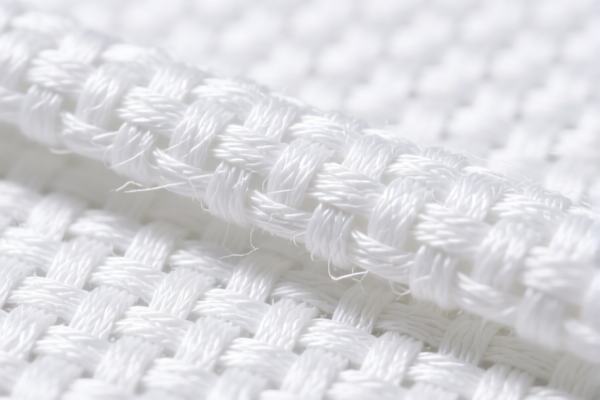
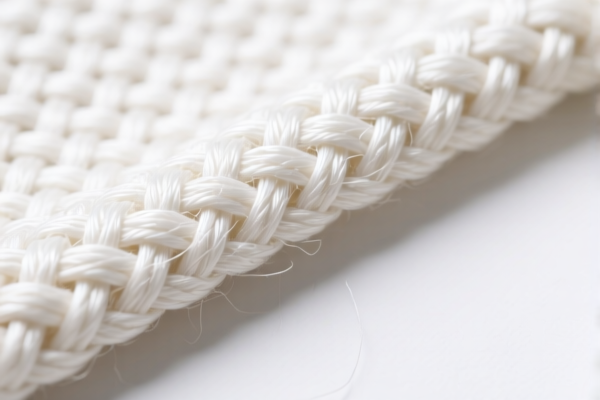
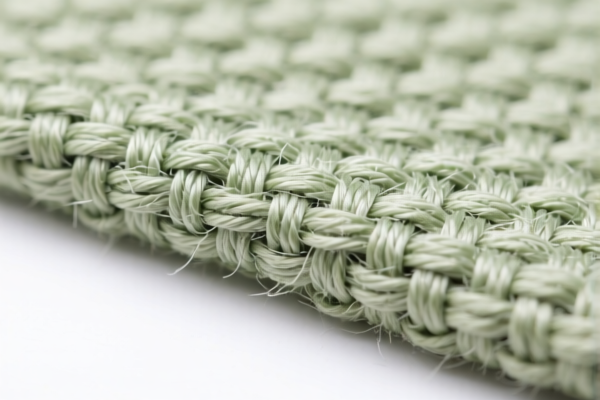
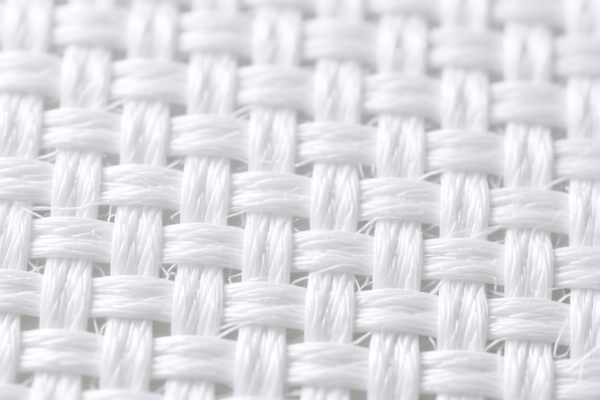
AI Analysis
🧵 Fabric (Less than 1 Square Meter, Lined)
🌐 HS Code Reference & Customs Clearance Guide | 2026 Latest Tariff Analysis | Professional Entry Strategy
📌 I. Product Definition & Classification: What is "Lined Fabric <1 Sq Meter"?
"Fabric" in international trade generally refers to woven or knitted textile materials. The specific descriptors "Less than 1 square meter" and "Lined" are critical for classification:
- Physical Form: Small piece (cut goods), not bolts. This often triggers "cutting" or "tailor's goods" logic but usually defaults to the fabric type unless made into a specific garment.
- "Lined": This implies a composite material (two layers bonded or sewn). Classification hinges on the outer layer's material or the primary material defining the character of the good.
- Use Case: The input data suggests various end-uses (clothing, bedding). The HS code must match the material composition and processing method (woven, printed, etc.).
⚠️ Key Distinction:
- If the item is raw fabric (woven/knitted, colored/printing) → Classify by fiber content (Cotton, Wool, Synthetic).
- If the item is made up (sewn into a shape) → Might be "made-up articles." However, small cut pieces often remain under "Fabric" chapters if not fully assembled.
- "Lined" adds complexity: It may be classified by the outer fabric if the lining is minor, or as a composite textile.
📦 II. HS Code Classification Details (Based on Provided Data)
Based on the provided JSON data, here are the 5 most relevant HS Codes for "Fabric <1 Sq Meter, Lined," categorized by material inference.
| HS Code | Product Description | Matching Logic (From Data) | Total Tax Rate |
|---|---|---|---|
| 5407.52.20.20 | Synthetic Fiber Fabric (Clothing Use) | Inferred: Fabric form + Clothing use. Likely synthetic filament (polyester/nylon) given the high tax bracket. No material conflict with filament properties. | 49.9% |
| 5111.11.30.00 | Wool/Fine Animal Hair Fabric | Inferred: Woven form + Clothing use. Assumed wool/animal hair component due to "clothing fabric" commonality. Fits "catch-all" logic if material is ambiguous. | 45.0% |
| 5208.31.60.60 | Cotton Fabric (Printed/Chintz) | Match: Cotton/Fiber + Woven + Clothing Use. Matches "Printcloth" use. Classified under "Other" due to missing weight/dye details. | 44.7% |
| 5212.15.60.20 | Cotton Fabric (Printed, <1kg/sq meter) | Match: Cotton + Printed Woven + Bedding Use. The "<1 sq meter" spec doesn't negate its status as cotton printed fabric. | 42.8% |
| 5212.15.60.90 | Cotton Fabric (Printed, Other) | Match: Cotton + Printed Woven. Logical inference for bedding/lightweight cotton fabric. "Other" subcategory. | 42.8% |
🔍 Key Insight:
- 5407.52.20.20 is the most expensive (49.9%) and likely applies to synthetic blends often used in lined garments.
- 52xx series (5208/5212) apply to Cotton. If your "lined fabric" is cotton-based, these codes are applicable.
- 5111.11.30.00 applies if the lining or outer layer contains Wool/Animal Hair.
💰 III. 2026 Latest Tariff Rate Breakdown (Including Surtaxes)
✅ Applicable Country: United States (US)
✅ Origin: China (CN)
✅ Effective Date: From Nov 10, 2025 (including subsequent imports)
The tax rates below include: 1. Base Duty (MFN Rate) 2. Section 301 Surtax (25%) 3. IEEPA Section 122 Surtax (10%) (Note: Data specifies "122 Clause Tax 10%" which aligns with recent IEEPA executive orders on Chinese textiles/apparel)
🎯 1. 5407.52.20.20 – Synthetic Filament Fabric (Clothing)
| Item | Detail |
|---|---|
| Base Duty | 14.9% |
| Section 301 Surtax | +25.0% |
| IEEPA Section 122 Surtax | +10.0% |
| Total Effective Rate | 49.9% |
| Calculation | CIF Value × 49.9% |
| De Minimis Exemption? | ❌ No (Denied) |
| Legal Path | Base Tariff → USITC:5407.52.20.20 → Section 301 → IEEPA:122 |
📌 Explanation:
- High base duty (14.9%) indicates it's not a simple raw material but a processed fabric.
- The 25% Section 301 tax is standard for many Chinese textile inputs.
- The 10% IEEPA tax is the critical new layer for 2025-2026 imports.
- Total ~50% makes this highly sensitive to cost structures.
🎯 2. 5111.11.30.00 – Wool/Fine Animal Hair Fabric
| Item | Detail |
|---|---|
| Base Duty | 10.0% |
| Section 301 Surtax | +25.0% |
| IEEPA Section 122 Surtax | +10.0% |
| Total Effective Rate | 45.0% |
| Calculation | CIF Value × 45.0% |
| De Minimis Exemption? | ❌ No |
| Legal Path | Base Tariff → USITC:5111.11.30.00 → Section 301 → IEEPA:122 |
📌 Note:
- Lower base duty (10%) than synthetics, but the surtaxes make it 45% total.
- Applies if the "lined" nature involves wool or if the outer layer is wool.
🎯 3. 5208.31.60.60 & 5212.15.60.xx – Cotton Fabrics
| Item | Detail |
|---|---|
| Base Duty | 9.7% (for 5208) / 7.8% (for 5212) |
| Section 301 Surtax | +25.0% |
| IEEPA Section 122 Surtax | +10.0% |
| Total Effective Rate | 44.7% - 42.8% |
| Calculation | CIF Value × Rate |
| De Minimis Exemption? | ❌ No |
📌 Explanation:
- Cotton fabrics have lower base duties (7.8%-9.7%).
- However, the 35% combined surtax (25+10) pushes the total to ~43-45%.
- 5212.15.60.20/90 is best for printed cotton fabrics used in bedding/light apparel.
🛠️ IV. Customs Clearance Practical Advice
✅ 1. Documentation Checklist (Essential)
| Document | Required? | Reason |
|---|---|---|
| Commercial Invoice | ✔️ | Must specify: "Fabric, Lined, <1 Sq Meter," Material Composition (e.g., 100% Cotton, 65% Poly/35% Cotton), and Unit Price. |
| Packing List | ✔️ | Clearly state quantity (meters/pieces) and total weight. |
| Material Composition Label | ✔️ | Critical for choosing between 5407 (Synthetic), 5111 (Wool), or 52xx (Cotton). |
| Product Photos | ✔️ | Show the "Lined" structure (outer + inner layer) to prove it's not a finished garment. |
| Customs Declaration Form | ✔️ | Accurate HS Code selection is vital to avoid penalties. |
✅ 2. Classification Strategy (Key Decisions)
🔥 "Material First, Use Second!"
| Scenario | Recommended HS Code | Why? |
|---|---|---|
| Outer Layer is Polyester/Nylon | 5407.52.20.20 |
Synthetic filament fabric. High tax (49.9%) but accurate. |
| Outer Layer is Cotton | 5208.31.60.60 or 5212.15.60.20 |
Cotton woven fabric. Lower base tax, but still high total due to surtaxes. |
| Outer Layer is Wool/Animal Hair | 5111.11.30.00 |
Wool fabric. Moderate total tax (45%). |
| Mixed Material (Cotton + Poly) | Check Main Character | If cotton >50% by weight → Cotton codes. If poly >50% → Synthetic codes. |
✅ 3. Critical Warnings for "<1 Sq Meter" Items
- Not "De Minimis": Small quantity (< $800) does NOT automatically exempt you from taxes for textiles from China. The $800 de minimis exemption is being scrutinized and often denied for textile/apparel categories under Section 301/IEEPA. Assume taxes apply!
- Lined Complexity: If the lining is a different material, customs may assess the outer fabric for classification. Ensure your invoice reflects the outer fabric's composition primarily.
- Printed vs. Plain:
- If printed → Use
5212.15.60(Cotton) or5407variants. - If plain/colored → Use
5208.31.60(Cotton) or5407variants. - Mistake: Misdeclaring printed as plain can lead to audits.
- If printed → Use
🌍 V. Global Market Comparison (2026)
| Market | Typical HS Code | Base Duty | Surtaxes (China) | Total Est. Rate | Notes |
|---|---|---|---|---|---|
| 🇺🇸 USA | 5407/5208/5111 | 7.8%-14.9% | +35% (25+10) | 42.8%-49.9% | High barrier. Pre-pay duties. |
| 🇨🇳 China | Same Codes | 0%-8% | None | ~0-8% | No surtaxes. |
| 🇪🇺 EU | Same Codes | 6.5%-12% | None | ~7-12% | No Section 301/IEEPA. Much cheaper. |
| 🇬🇧 UK | Same Codes | 6.5%-12% | None | ~7-12% | Post-Brexit, no US surtaxes. |
📌 Conclusion:
- US imports are heavily taxed due to geopolitical tariffs.
- EU/UK imports are significantly cheaper (~10-15% lower cost).
- Consider supply chain diversification if targeting the US market with high-volume fabric.
📌 VI. Common Errors & Pitfalls (Learn from Mistakes)
❌ Error 1: Assuming "<1 Sq Meter" = "Gift" or "Sample" → De Minimis Exemption
👉 Result: Customs seizes goods. Textiles from China are not exempt from Section 301/IEEPA under de minimis in many cases. Pay the tax!
❌ Error 2: Misdeclaring "Lined Fabric" as "Finished Garment"
👉 Result: Wrong HS Code (e.g., 6109 T-Shirt). Penalties for misclassification. Keep it as "Fabric" if not sewn into final shape.
❌ Error 3: Ignoring "Printed" status
👉 Result: Under-declaring tax. Printed fabrics often have different subheadings. Be precise.
❌ Error 4: Not specifying Material Composition
👉 Result: Customs assigns highest possible duty (often Synthetic). Always declare % Cotton, % Poly, etc.
🎯 VII. Final Recommendations: Cost Optimization & Compliance
🎯 Action Plan:
1. Confirm Material: Test the fabric. Is it Cotton, Wool, or Synthetic? This dictates the HS code base.
2. Calculate Landed Cost: Include CIF + 35% Surtaxes + Base Duty. Do not underestimate the 45-50% total tax burden for US imports.
3. Documentation: Ensure Invoice clearly states:
> "Textile Fabric, Lined, Outer Layer: [Material], Inner Layer: [Material], Printed/Plain, Less than 1 Sq Meter, HS Code: [Selected Code]"
4. Consider Pre-Ruling: If volume is high, apply for an Advance Ruling from US CBP to confirm the HS code and avoid future disputes.
📌 Pro Tip:
For Cotton fabrics,
5212.15.60.20(42.8%) is the lowest total tax option in the data set. If possible, switch to cotton-based linings or outer layers to save ~7% vs. synthetic options.
✨ Professional clearance starts with accurate classification!
💼 Your profit margin depends on these 35% surtaxes. Plan wisely!
Customer Reviews
About HS Code Classification
The Harmonized System (HS) is an internationally standardized nomenclature developed by the World Customs Organization (WCO) to classify traded products. Over 200 countries use the HS system as the basis for customs tariffs, trade statistics, and import/export regulations.
Each HS code follows a hierarchical structure:
- Chapter (2 digits) — Broad category of goods (e.g., Chapter 84: Machinery and Mechanical Appliances)
- Heading (4 digits) — More specific grouping within the chapter
- Subheading (6 digits) — Internationally standardized breakdown, used by all WCO member countries
- National subdivisions (8-10 digits) — Country-specific extensions for further classification, such as US HTSUS 10-digit codes
Correct HS code classification is essential for smooth customs clearance, accurate duty payment, and compliance with trade regulations. Misclassification can lead to customs delays, overpayment of duties, or penalties.
When importing from CN to US, the applicable tariff rates may include:
- Most-Favored-Nation (MFN) rate — The standard duty rate applied to WTO members
- General rate — Applied to countries without trade agreements
- Trade remedy duties — Additional tariffs such as Section 301 (anti-dumping), Section 232 (national security), or countervailing duties
The information provided on this page is for reference purposes only. For official classification, please consult with your local customs authority or a licensed customs broker.