fabric not exceeding 70g per square meter
CN → US| HS编码 | 关税税率 | 原产国 | 目的国 | 文档 |
|---|---|---|---|---|
| 5407619905 | 49.9% | CN | US | 官方文档 |
| 5208214020 | 45.2% | CN | US | 官方文档 |
| 5407710015 | 49.9% | CN | US | 官方文档 |
| 4802567090 | 35.0% | CN | US | 官方文档 |
| 4805917000 | 35.0% | CN | US | 官方文档 |
商品图片
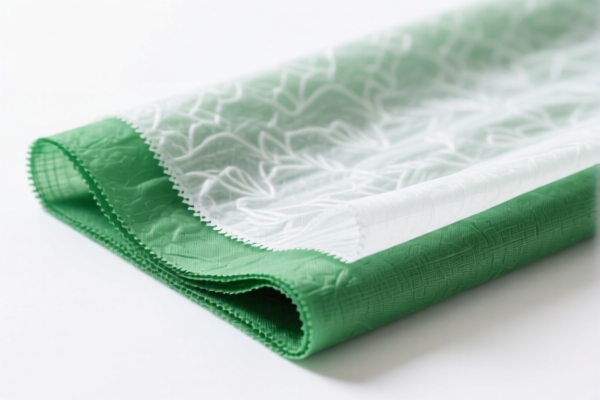
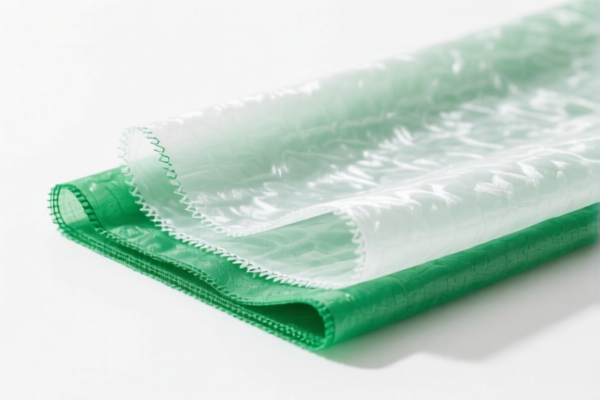
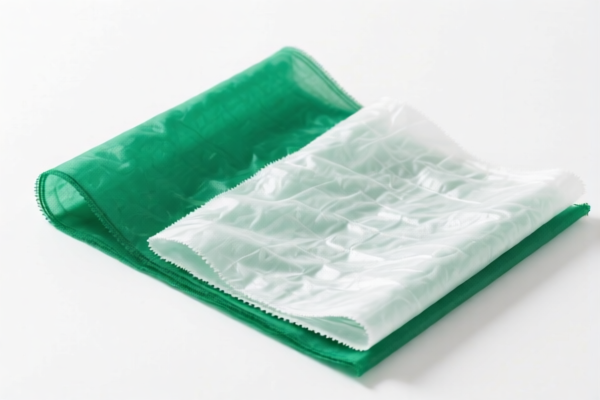
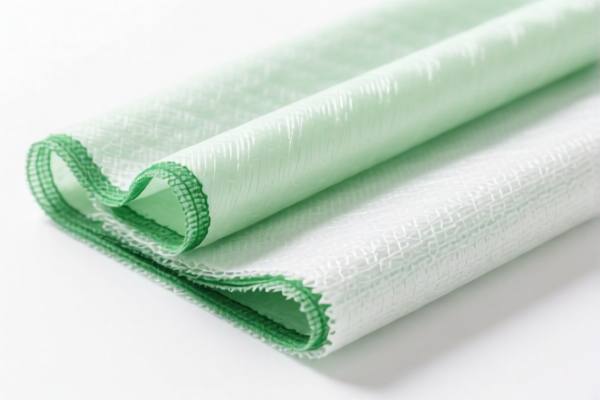
AI分析
🧵 Fabric ≤ 70g/m²: The High-Risk Import Category | 2026 Customs Guide
🌐 HS Code Classification & Tariff Strategy | Heavy Tariff Alert for Chinese Origin
📌 I. Product Definition: What is "Lightweight Fabric"?
"Fabric not exceeding 70g per square meter" refers to lightweight woven textiles, primarily used for: * Apparel: Lightweight shirts, dresses, linings, and lingerie. * Technical Uses: Medical masks, lightweight linings, and packaging. * Non-Woven Paper: In some cases, thin paper-like products may be confused with fabric.
⚠️ Critical Distinction:
- Synthetic Fiber Fabrics (e.g., Polyester, Nylon): Heavily taxed due to trade remedies.
- Cotton Fabrics: Slightly lower base tax but still subject to additional levies.
- Paper Products: Even if lightweight, if classified as "Paper" (Chapter 48), the base tax is 0%, but additional tariffs still apply.
📦 II. HS Code Classification Matrix (Based on Provided Data)
| HS Code | Product Type | Material/Weight Spec | Base Duty | Additional Tariffs | Total Tax | Key Condition |
|---|---|---|---|---|---|---|
5407.61.99.05 |
Fabric | Synthetic, ≤70g/m² | 14.9% | 25% (Sec 301) + 10% (122) | 49.9% | Must be synthetic fiber |
5208.21.40.20 |
Fabric | Cotton (Semi-finished), ≤70g/m² | 10.2% | 25% (Sec 301) + 10% (122) | 45.2% | Semi-finished state |
5407.71.00.15 |
Fabric | Synthetic, ≤70g/m² | 14.9% | 25% (Sec 301) + 10% (122) | 49.9% | Under 170g/m² limit |
4802.56.70.90 |
Paper | Weight 70g/m² | 0.0% | 25% (Sec 301) + 10% (122) | 35.0% | Classified as Paper, not Fabric |
4805.91.70.00 |
Paper | Weight ≤70g/m² | 0.0% | 25% (Sec 301) + 10% (122) | 35.0% | Paper under 150g/m² |
🔍 Key Insight:
- Fabric (Ch. 50-55) vs. Paper (Ch. 48): If the product is technically paper (e.g., thin cardstock or non-woven paper) but labeled as "fabric," it may be misclassified. However, if it meets the definition of woven fabric, it falls under Ch. 50-55. - Tax Disparity: Paper classifications have a 0% base duty, resulting in a 15% lower total tax compared to synthetic fabrics.
💰 III. Detailed Tariff Breakdown (2026 Analysis)
🎯 1. Synthetic Fabrics (5407.61.99.05, 5407.71.00.15)
| Item | Details |
|---|---|
| Base Duty | 14.9% (MFN Rate) |
| Section 301 Tariff | +25.0% (Trade War Tariff) |
| Section 122 Tariff | +10.0% (New Enforcement Tariff) |
| Total Effective Rate | 49.9% |
| De Minimis Exemption | ❌ Denied (High value/tariff items excluded) |
| Legal Basis | USTR List 3/4 (Sec 301) + IEEPA 122 Provisions |
📌 Explanation:
- These codes fall under Chapter 54 (Man-made Filaments).
- The 25% is the standard Section 301 tariff for Chinese goods.
- The 10% is a new additional tariff under Section 122, targeting specific textile categories to enforce compliance.
- Total: ~50%. This makes importing lightweight synthetic fabrics from China to the US extremely costly.
🎯 2. Cotton Fabric (5208.21.40.20)
| Item | Details |
|---|---|
| Base Duty | 10.2% |
| Section 301 Tariff | +25.0% |
| Section 122 Tariff | +10.0% |
| Total Effective Rate | 45.2% |
| De Minimis Exemption | ❌ Denied |
📌 Explanation:
- Cotton fabrics have a lower base rate (10.2%) vs. synthetics (14.9%).
- However, the additional tariffs remain the same, so the total is still high (45.2%).
- "Semi-finished" status: Ensure the goods are not finished apparel, which would have different duties.
🎯 3. Paper Products (4802.56.70.90, 4805.91.70.00)
| Item | Details |
|---|---|
| Base Duty | 0.0% |
| Section 301 Tariff | +25.0% |
| Section 122 Tariff | +10.0% |
| Total Effective Rate | 35.0% |
| De Minimis Exemption | ❌ Denied (if value exceeds threshold) |
📌 Explanation:
- If your product is not woven fabric but rather thin paper, you can save 15% in total tax (35% vs. 49.9%).
- Risk: Misclassifying fabric as paper can lead to penalties for false declaration. Only use if the product truly meets the legal definition of paper (e.g., cellulose-based, non-woven, specific density).
🛠️ IV. Customs Clearance Strategy & Recommendations
✅ 1. Documentation Requirements
| Document | Purpose |
|---|---|
| Commercial Invoice | Clearly state "Fabric, Weight ≤70g/m²" and HS Code. |
| Packing List | Detail weight per square meter if possible (to prove ≤70g/m²). |
| Product Specification Sheet | Include fiber content (Cotton vs. Polyester) to justify HS Code. |
| Labeling | Must include fiber content, country of origin, and care instructions. |
| Test Report | Optional but recommended: Grams per square meter (GSM) test report. |
✅ 2. Classification Advice
- If Synthetic (Polyester/Nylon): Use
5407.61.99.05or5407.71.00.15. Expect 49.9% tax. - If Cotton: Use
5208.21.40.20. Expect 45.2% tax. - If Paper-like: Only use
4802.56.70.90or4805.91.70.00if the product is not woven fabric. Expect 35.0% tax.
🚨 Warning: Do not misclassify fabric as paper to save taxes. Customs may require GSM tests and fiber analysis. If found to be fabric, you will face back duties + penalties.
✅ 3. Cost Optimization Strategies
- Source from Non-China Countries:
- Tariffs under Section 301 and 122 apply primarily to Chinese origin goods.
- Sourcing from Vietnam, Bangladesh, or India may reduce or eliminate these additional tariffs.
- Utilize De Minimis:
- If shipment value is <$800 (for eligible countries), it may qualify for De Minimis exemption (0% tax).
- Note: Recent changes may restrict De Minimis for Chinese goods. Verify current regulations.
- Pre-Arrival Ruling:
- Apply for an Advance Ruling from CBP to confirm HS Code before shipping.
- Bundle with Higher-Value Items:
- If importing with other goods, ensure fabric is not separated in a way that triggers individual scrutiny.
🌍 V. Global Comparison (2026)
| Country/Region | HS Code (Example) | Total Tax (China Origin) | Notes |
|---|---|---|---|
| 🇺🇸 USA | 5407.61.99.05 |
49.9% | High tariffs (301 + 122) |
| 🇪🇺 EU | 5407.61 | ~8-12% | No Section 301/122 equivalent |
| 🇨🇳 China | 5407.61 | ~14.9% | Base duty only (for exports from US) |
| 🇮🇳 India | 5407.61 | ~7.5-15% | Varies by specific type |
📌 Conclusion:
- USA is the most expensive market for Chinese lightweight fabrics due to Section 301 & 122 tariffs.
- Consider supply chain diversification to non-China origins to reduce costs.
- Always verify GSM and fiber content to avoid misclassification penalties.
📌 VI. Common Mistakes & Pitfalls
❌ Mistake 1: Classifying all thin textiles as "Paper" to save taxes.
👉 Result: Customs rejection, fines, and potential fraud charges.
❌ Mistake 2: Ignoring Section 122 Tariffs.
👉 Result: Underpayment of 10%, leading to post-clearance audits and back-taxes.
❌ Mistake 3: Assuming De Minimis applies to all shipments.
👉 Result: If goods are from China and value >$800, no exemption.
✅ Correct Approach:
"Verify fiber content, confirm GSM ≤70, select correct HS Code (Synthetic/Cotton/Paper), and calculate total duty including 301 & 122 tariffs."
🎯 VII. Final Recommendation
🎯 For Synthetic Fabrics (≤70g/m²):
- HS Code: 5407.61.99.05
- Total Tax: 49.9%
- Strategy: Source from non-China or negotiate cost-sharing with buyers.
🎯 For Cotton Fabrics (≤70g/m²):
- HS Code: 5208.21.40.20
- Total Tax: 45.2%
- Strategy: Slightly better than synthetic, but still high.
🎯 For Paper Products (≤70g/m²):
- HS Code: 4802.56.70.90
- Total Tax: 35.0%
- Strategy: Only if legally classified as paper. Significant savings.
📣 Immediate Action:
📞 Consult a Customs Broker: Confirm HS Code pre-shipment.
📄 Prepare GSM Test Report: Proof of weight ≤70g/m².
🌍 Evaluate Supply Chain: Consider Vietnam/Bangladesh for lower tariffs.
✨ Precision in classification saves thousands!
💼 Don’t let 50% tariffs eat your margins!
用户评价
关于 HS 编码归类
协调制度(HS)是由世界海关组织(WCO)制定的国际贸易商品分类标准。全球 200 多个国家采用 HS 系统作为海关关税、贸易统计和进出口监管的基础。
每个 HS 编码遵循以下层级结构:
- 章(2 位)——商品大类(例如:第 84 章:机器和机械设备)
- 品目(4 位)——章内的更具体分类
- 子目(6 位)——国际通用细分,所有 WCO 成员国统一使用
- 本国细分(8-10 位)——各国自行扩展的细分编码,如美国 HTSUS 10 位编码
正确的 HS 编码归类对于顺利通关、准确缴纳关税和遵守贸易法规至关重要。错误归类可能导致海关延误、多缴关税或罚款。
从CN进口到US时,适用的关税税率可能包括:
- 最惠国(MFN)税率——适用于 WTO 成员国的标准关税税率
- 普通税率——适用于无贸易协定国家
- 贸易救济关税——附加关税,如 301 条款(反倾销)、232 条款(国家安全)或反补贴税
本页内容仅供参考。如需正式归类,请咨询当地海关或持牌报关代理。