fabric not exceeding 70g per square meter
CN → US| HS Code | Tariff Rate | Origin | Destination | Doc |
|---|---|---|---|---|
| 5407619905 | 49.9% | CN | US | Official Doc |
| 5208214020 | 45.2% | CN | US | Official Doc |
| 5407710015 | 49.9% | CN | US | Official Doc |
| 4802567090 | 35.0% | CN | US | Official Doc |
| 4805917000 | 35.0% | CN | US | Official Doc |
Product Images
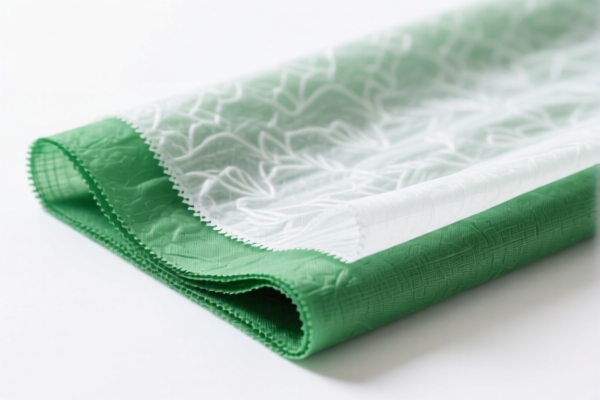
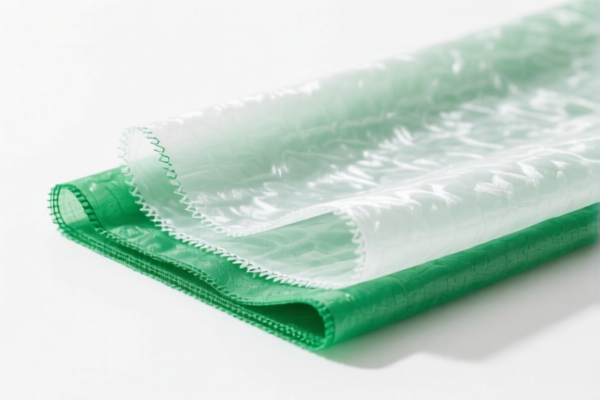
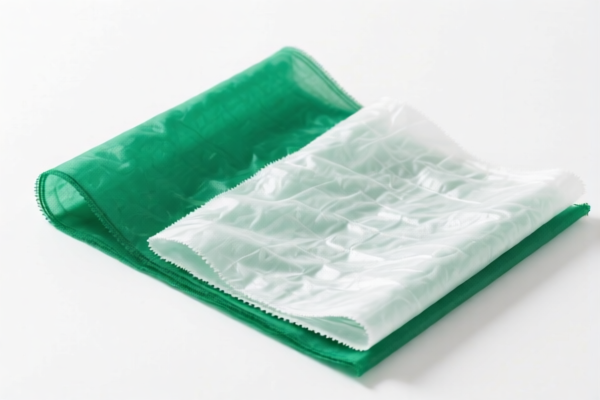
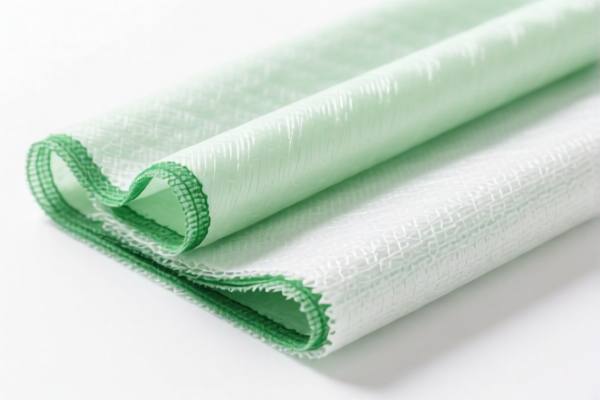
AI Analysis
🧵 Fabric ≤ 70g/m²: The High-Risk Import Category | 2026 Customs Guide
🌐 HS Code Classification & Tariff Strategy | Heavy Tariff Alert for Chinese Origin
📌 I. Product Definition: What is "Lightweight Fabric"?
"Fabric not exceeding 70g per square meter" refers to lightweight woven textiles, primarily used for: * Apparel: Lightweight shirts, dresses, linings, and lingerie. * Technical Uses: Medical masks, lightweight linings, and packaging. * Non-Woven Paper: In some cases, thin paper-like products may be confused with fabric.
⚠️ Critical Distinction:
- Synthetic Fiber Fabrics (e.g., Polyester, Nylon): Heavily taxed due to trade remedies.
- Cotton Fabrics: Slightly lower base tax but still subject to additional levies.
- Paper Products: Even if lightweight, if classified as "Paper" (Chapter 48), the base tax is 0%, but additional tariffs still apply.
📦 II. HS Code Classification Matrix (Based on Provided Data)
| HS Code | Product Type | Material/Weight Spec | Base Duty | Additional Tariffs | Total Tax | Key Condition |
|---|---|---|---|---|---|---|
5407.61.99.05 |
Fabric | Synthetic, ≤70g/m² | 14.9% | 25% (Sec 301) + 10% (122) | 49.9% | Must be synthetic fiber |
5208.21.40.20 |
Fabric | Cotton (Semi-finished), ≤70g/m² | 10.2% | 25% (Sec 301) + 10% (122) | 45.2% | Semi-finished state |
5407.71.00.15 |
Fabric | Synthetic, ≤70g/m² | 14.9% | 25% (Sec 301) + 10% (122) | 49.9% | Under 170g/m² limit |
4802.56.70.90 |
Paper | Weight 70g/m² | 0.0% | 25% (Sec 301) + 10% (122) | 35.0% | Classified as Paper, not Fabric |
4805.91.70.00 |
Paper | Weight ≤70g/m² | 0.0% | 25% (Sec 301) + 10% (122) | 35.0% | Paper under 150g/m² |
🔍 Key Insight:
- Fabric (Ch. 50-55) vs. Paper (Ch. 48): If the product is technically paper (e.g., thin cardstock or non-woven paper) but labeled as "fabric," it may be misclassified. However, if it meets the definition of woven fabric, it falls under Ch. 50-55. - Tax Disparity: Paper classifications have a 0% base duty, resulting in a 15% lower total tax compared to synthetic fabrics.
💰 III. Detailed Tariff Breakdown (2026 Analysis)
🎯 1. Synthetic Fabrics (5407.61.99.05, 5407.71.00.15)
| Item | Details |
|---|---|
| Base Duty | 14.9% (MFN Rate) |
| Section 301 Tariff | +25.0% (Trade War Tariff) |
| Section 122 Tariff | +10.0% (New Enforcement Tariff) |
| Total Effective Rate | 49.9% |
| De Minimis Exemption | ❌ Denied (High value/tariff items excluded) |
| Legal Basis | USTR List 3/4 (Sec 301) + IEEPA 122 Provisions |
📌 Explanation:
- These codes fall under Chapter 54 (Man-made Filaments).
- The 25% is the standard Section 301 tariff for Chinese goods.
- The 10% is a new additional tariff under Section 122, targeting specific textile categories to enforce compliance.
- Total: ~50%. This makes importing lightweight synthetic fabrics from China to the US extremely costly.
🎯 2. Cotton Fabric (5208.21.40.20)
| Item | Details |
|---|---|
| Base Duty | 10.2% |
| Section 301 Tariff | +25.0% |
| Section 122 Tariff | +10.0% |
| Total Effective Rate | 45.2% |
| De Minimis Exemption | ❌ Denied |
📌 Explanation:
- Cotton fabrics have a lower base rate (10.2%) vs. synthetics (14.9%).
- However, the additional tariffs remain the same, so the total is still high (45.2%).
- "Semi-finished" status: Ensure the goods are not finished apparel, which would have different duties.
🎯 3. Paper Products (4802.56.70.90, 4805.91.70.00)
| Item | Details |
|---|---|
| Base Duty | 0.0% |
| Section 301 Tariff | +25.0% |
| Section 122 Tariff | +10.0% |
| Total Effective Rate | 35.0% |
| De Minimis Exemption | ❌ Denied (if value exceeds threshold) |
📌 Explanation:
- If your product is not woven fabric but rather thin paper, you can save 15% in total tax (35% vs. 49.9%).
- Risk: Misclassifying fabric as paper can lead to penalties for false declaration. Only use if the product truly meets the legal definition of paper (e.g., cellulose-based, non-woven, specific density).
🛠️ IV. Customs Clearance Strategy & Recommendations
✅ 1. Documentation Requirements
| Document | Purpose |
|---|---|
| Commercial Invoice | Clearly state "Fabric, Weight ≤70g/m²" and HS Code. |
| Packing List | Detail weight per square meter if possible (to prove ≤70g/m²). |
| Product Specification Sheet | Include fiber content (Cotton vs. Polyester) to justify HS Code. |
| Labeling | Must include fiber content, country of origin, and care instructions. |
| Test Report | Optional but recommended: Grams per square meter (GSM) test report. |
✅ 2. Classification Advice
- If Synthetic (Polyester/Nylon): Use
5407.61.99.05or5407.71.00.15. Expect 49.9% tax. - If Cotton: Use
5208.21.40.20. Expect 45.2% tax. - If Paper-like: Only use
4802.56.70.90or4805.91.70.00if the product is not woven fabric. Expect 35.0% tax.
🚨 Warning: Do not misclassify fabric as paper to save taxes. Customs may require GSM tests and fiber analysis. If found to be fabric, you will face back duties + penalties.
✅ 3. Cost Optimization Strategies
- Source from Non-China Countries:
- Tariffs under Section 301 and 122 apply primarily to Chinese origin goods.
- Sourcing from Vietnam, Bangladesh, or India may reduce or eliminate these additional tariffs.
- Utilize De Minimis:
- If shipment value is <$800 (for eligible countries), it may qualify for De Minimis exemption (0% tax).
- Note: Recent changes may restrict De Minimis for Chinese goods. Verify current regulations.
- Pre-Arrival Ruling:
- Apply for an Advance Ruling from CBP to confirm HS Code before shipping.
- Bundle with Higher-Value Items:
- If importing with other goods, ensure fabric is not separated in a way that triggers individual scrutiny.
🌍 V. Global Comparison (2026)
| Country/Region | HS Code (Example) | Total Tax (China Origin) | Notes |
|---|---|---|---|
| 🇺🇸 USA | 5407.61.99.05 |
49.9% | High tariffs (301 + 122) |
| 🇪🇺 EU | 5407.61 | ~8-12% | No Section 301/122 equivalent |
| 🇨🇳 China | 5407.61 | ~14.9% | Base duty only (for exports from US) |
| 🇮🇳 India | 5407.61 | ~7.5-15% | Varies by specific type |
📌 Conclusion:
- USA is the most expensive market for Chinese lightweight fabrics due to Section 301 & 122 tariffs.
- Consider supply chain diversification to non-China origins to reduce costs.
- Always verify GSM and fiber content to avoid misclassification penalties.
📌 VI. Common Mistakes & Pitfalls
❌ Mistake 1: Classifying all thin textiles as "Paper" to save taxes.
👉 Result: Customs rejection, fines, and potential fraud charges.
❌ Mistake 2: Ignoring Section 122 Tariffs.
👉 Result: Underpayment of 10%, leading to post-clearance audits and back-taxes.
❌ Mistake 3: Assuming De Minimis applies to all shipments.
👉 Result: If goods are from China and value >$800, no exemption.
✅ Correct Approach:
"Verify fiber content, confirm GSM ≤70, select correct HS Code (Synthetic/Cotton/Paper), and calculate total duty including 301 & 122 tariffs."
🎯 VII. Final Recommendation
🎯 For Synthetic Fabrics (≤70g/m²):
- HS Code: 5407.61.99.05
- Total Tax: 49.9%
- Strategy: Source from non-China or negotiate cost-sharing with buyers.
🎯 For Cotton Fabrics (≤70g/m²):
- HS Code: 5208.21.40.20
- Total Tax: 45.2%
- Strategy: Slightly better than synthetic, but still high.
🎯 For Paper Products (≤70g/m²):
- HS Code: 4802.56.70.90
- Total Tax: 35.0%
- Strategy: Only if legally classified as paper. Significant savings.
📣 Immediate Action:
📞 Consult a Customs Broker: Confirm HS Code pre-shipment.
📄 Prepare GSM Test Report: Proof of weight ≤70g/m².
🌍 Evaluate Supply Chain: Consider Vietnam/Bangladesh for lower tariffs.
✨ Precision in classification saves thousands!
💼 Don’t let 50% tariffs eat your margins!
Customer Reviews
About HS Code Classification
The Harmonized System (HS) is an internationally standardized nomenclature developed by the World Customs Organization (WCO) to classify traded products. Over 200 countries use the HS system as the basis for customs tariffs, trade statistics, and import/export regulations.
Each HS code follows a hierarchical structure:
- Chapter (2 digits) — Broad category of goods (e.g., Chapter 84: Machinery and Mechanical Appliances)
- Heading (4 digits) — More specific grouping within the chapter
- Subheading (6 digits) — Internationally standardized breakdown, used by all WCO member countries
- National subdivisions (8-10 digits) — Country-specific extensions for further classification, such as US HTSUS 10-digit codes
Correct HS code classification is essential for smooth customs clearance, accurate duty payment, and compliance with trade regulations. Misclassification can lead to customs delays, overpayment of duties, or penalties.
When importing from CN to US, the applicable tariff rates may include:
- Most-Favored-Nation (MFN) rate — The standard duty rate applied to WTO members
- General rate — Applied to countries without trade agreements
- Trade remedy duties — Additional tariffs such as Section 301 (anti-dumping), Section 232 (national security), or countervailing duties
The information provided on this page is for reference purposes only. For official classification, please consult with your local customs authority or a licensed customs broker.