flowerpot
CN → US| HS编码 | 关税税率 | 原产国 | 目的国 | 文档 |
|---|---|---|---|---|
| 6912004810 | 19.8% | CN | US | 官方文档 |
| 6912005000 | 16.0% | CN | US | 官方文档 |
| 3924104000 | 13.4% | CN | US | 官方文档 |
| 3924905650 | 20.9% | CN | US | 官方文档 |
| 6914108000 | 44.0% | CN | US | 官方文档 |
| 6914908000 | 40.6% | CN | US | 官方文档 |
商品图片
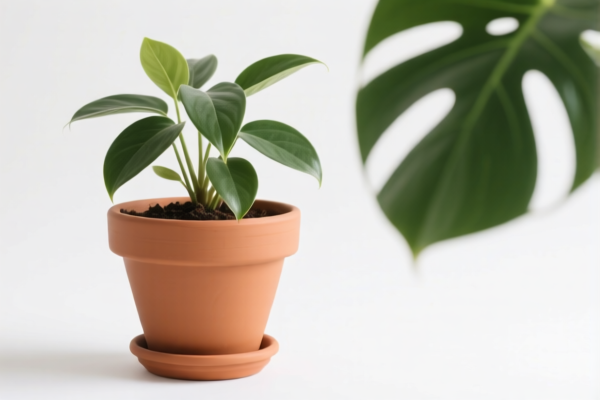
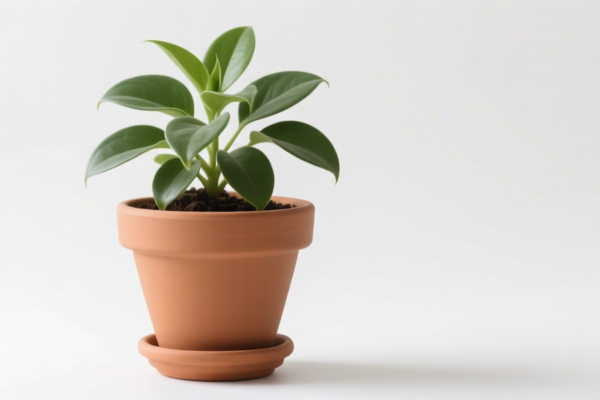
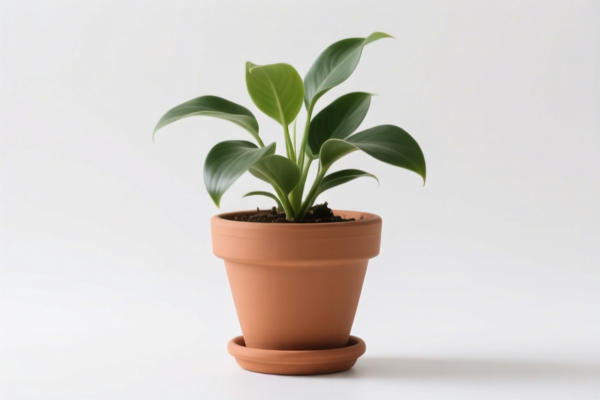
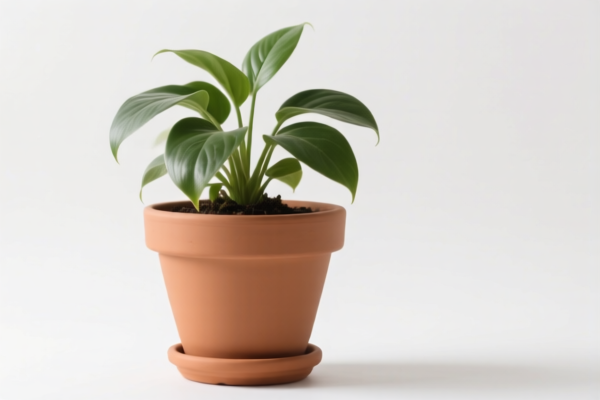
AI分析
🌱 Flowerpots: The Green Thumb’s Guide to Global Customs (HS Code & Tax Strategy)
🌐 HS Code Reference & Clearance Guide | 2024/2025 Latest Tariff Analysis | Professional Clearance Strategy
Flowerpots are essential for global horticulture, interior design, and landscaping. However, in international trade, "flowerpot" is not a single legal entity. It is a chameleon category that changes its tax identity based on material composition and manufacturing precision.
Misclassification here can lead to double-digit tariff shocks (e.g., jumping from 13.4% to 44%). This guide breaks down exactly how to classify your flowerpots based on the provided data, ensuring compliance and cost-efficiency.
📦 二、HS Code Classification Matrix (Material-Based)
Based on the provided data, flowerpots are categorized into three main material families: Ceramic/Porcelain, Plastic/Resin, and Other Non-Porcelain Materials.
| HS Code | Product Description & Material | Key Differentiator | Total Tax Rate |
|---|---|---|---|
| 6912.00.48.10 | Ceramic Flowerpots (Pottery) | Standard ceramic pots for home use | 19.8% |
| 6912.00.50.00 | Non-Porcelain Flowerpots | E.g., Terracotta, earthenware, unglazed | 16.0% |
| 3924.10.40.00 | Plastic Flowerpots (General) | Unclear material plastics, general household use | 13.4% |
| 3924.90.56.50 | Plastic Flowerpots (Specific) | Specific plastic household items | 20.9% |
| 6914.10.80.00 | Porcelain Flowerpots | High-fired, vitrified ceramic (durable, white/glossy) | 44.0% |
| 6914.90.80.00 | Other Ceramic Products | Ceramic pots falling under other sub-categories | 40.6% |
🔍 Critical Distinction:
- Ceramic (6912) vs. Porcelain (6914): "Ceramic" generally refers to pottery (lower firing temp, porous), while "Porcelain" is harder, more vitrified, and often finer. The tariff difference is massive (19.8% vs 44%). - Plastic (3924): Differentiated by general household use (3924.10) vs. specific plastic household items (3924.90).
💰 三、2024/2025 Tariff Rate Detailed Breakdown
✅ Applicable Context: Based on the provided tax details, these rates reflect Base Duty + Section 122 Duties + Additional Trade Measures.
🎯 1. 6912.00.48.10 – Ceramic Flowerpots (Pottery)
The most common classification for standard glazed ceramic pots.
| Component | Rate | Notes |
|---|---|---|
| Base Duty | 9.8% | Standard MFN rate for ceramic household goods |
| Additional Duty | 0.0% | No extra trade war tariffs applied |
| Section 122 Duty | 10.0% | Specific domestic trade measure |
| TOTAL EFFECTIVE RATE | 19.8% | ✅ Moderate Cost |
📌 Explanation: This is the "sweet spot" for ceramic pots. It avoids the high penalties associated with porcelain (6914) and specific plastic sub-categories.
🎯 2. 6912.00.50.00 – Non-Porcelain Flowerpots
Includes terracotta, earthenware, and unglazed clay pots.
| Component | Rate | Notes |
|---|---|---|
| Base Duty | 6.0% | Lower base rate due to material simplicity |
| Additional Duty | 0.0% | None |
| Section 122 Duty | 10.0% | Domestic trade measure applies |
| TOTAL EFFECTIVE RATE | 16.0% | ✅ Lowest Cost for Ceramic Family |
📌 Explanation: If your pots are rustic, unglazed, or made of lower-fired clay, this code offers the best savings in the ceramic family.
🎯 3. 3924.10.40.00 – Plastic Flowerpots (General)
For plastic pots where the specific material type is not clearly defined or falls under general household goods.
| Component | Rate | Notes |
|---|---|---|
| Base Duty | 3.4% | Very low base duty for plastics |
| Additional Duty | 0.0% | None |
| Section 122 Duty | 10.0% | Domestic trade measure applies |
| TOTAL EFFECTIVE RATE | 13.4% | ✅ Lowest Overall Cost |
📌 Explanation: Plastic pots generally have the lowest entry barriers. Ensure your product description aligns with "other household articles" to qualify.
🎯 4. 3924.90.56.50 – Plastic Flowerpots (Specific)
For plastic flowerpots categorized under more specific plastic household items.
| Component | Rate | Notes |
|---|---|---|
| Base Duty | 3.4% | Low base rate |
| Additional Duty | 7.5% | Critical Penalty: Additional trade measure |
| Section 122 Duty | 10.0% | Domestic trade measure applies |
| TOTAL EFFECTIVE RATE | 20.9% | ⚠️ Higher Cost for Plastic |
📌 Warning: Do not mistakenly classify a standard plastic pot here unless it fits a specific "other plastic household" niche. The 7.5% additional duty makes it more expensive than the general plastic code (13.4%).
🎯 5. 6914.10.80.00 – Porcelain Flowerpots
High-quality, vitrified, often white or brightly glazed pots. High risk, high cost.
| Component | Rate | Notes |
|---|---|---|
| Base Duty | 9.0% | Standard for porcelain |
| Additional Duty | 25.0% | Major Penalty: High additional trade tariff |
| Section 122 Duty | 10.0% | Domestic trade measure applies |
| TOTAL EFFECTIVE RATE | 44.0% | 🔴 Highest Cost Category |
📌 Explanation: Porcelain is treated as a luxury or high-value ceramic item with significant trade barriers. The 25% additional duty is the biggest cost driver.
🎯 6. 6914.90.80.00 – Other Ceramic Products
Ceramic flowerpots that do not fit into the main porcelain category but are still classified under 6914.
| Component | Rate | Notes |
|---|---|---|
| Base Duty | 5.6% | Low base duty |
| Additional Duty | 25.0% | Major Penalty: Same high additional tariff as porcelain |
| Section 122 Duty | 10.0% | Domestic trade measure applies |
| TOTAL EFFECTIVE RATE | 40.6% | 🔴 High Cost |
📌 Explanation: Even if it’s not "standard" porcelain, if it falls under HS 6914, the 25% additional duty applies.
🛠️ 四、Customs Clearance Strategy & Best Practices
✅ 1. Documentation Requirements
| Document | Requirement | Purpose |
|---|---|---|
| Commercial Invoice | Must specify Material (e.g., "Glazed Ceramic," "Terracotta," "PP Plastic") | Determines HS Code eligibility |
| Product Photos | Clear images showing texture, glaze, and finish | Distinguishes Ceramic (6912) from Porcelain (6914) |
| Composition Statement | Declaration of raw materials (e.g., "Kaolin Clay," "Polypropylene") | Supports classification under correct HS heading |
| Usage Declaration | "For planting flowers" / "Household decorative use" | Confirms end-use for tariff classification |
✅ 2. Classification Decision Tree
mermaid graph TD A[Start: Flowerpot] --> B{Material?} B -->|Plastic| C[HS 3924] B -->|Ceramic/Porcelain| D{Type?}
C --> C1{General Household?}
C1 -->|Yes| E[HS 3924.10.40.00]
C1 -->|No/Specific| F[HS 3924.90.56.50]

D --> G{Is it Porcelain?}
G -->|Yes/Vitrified| H[HS 6914.10.80.00]
G -->|No/Ceramic| I{Sub-type?}

I -->|General Ceramic| J[HS 6912.00.48.10]
I -->|Non-Porcelain/Earthenware| K[HS 6912.00.50.00]
I -->|Other Ceramic| L[HS 6914.90.80.00]
✅ 3. Cost Optimization Tips
- Choose Plastic if Possible: The lowest tax rate is 13.4% (
3924.10.40.00) for plastic pots. - Avoid Porcelain for Mass Market: The 44% tax on
6914.10.80.00makes porcelain pots significantly less competitive unless they are high-end luxury items. - Clarify "Ceramic" vs. "Porcelain": If your product is a standard garden pot, ensure it is classified as Ceramic (6912) rather than Porcelain (6914) to save ~25% in additional duties.
- Plastic Specificity: Ensure your plastic pots are described as "General Household Articles" to use
3924.10.40.00(13.4%) instead of3924.90.56.50(20.9%).
✅ 4. Common Pitfalls
- ❌ Mislabeling Material: Describing a plastic pot as "resin ceramic" or vice versa can lead to audits and back taxes.
- ❌ Ignoring Section 122: All categories include a 10% Section 122 Duty. This is non-negotiable and must be factored into all pricing.
- ❌ Over-classifying Plastic: Using
3924.90.56.50when3924.10.40.00is applicable results in a 7.5% unnecessary tax hike.
📌 五、Final Recommendation
For importers seeking cost efficiency, prioritize:
1. Plastic Pots (3924.10.40.00 @ 13.4%)
2. Non-Porcelain Ceramic Pots (6912.00.50.00 @ 16.0%)
For luxury/premium markets where material authenticity is key:
* Use Ceramic (6912.00.48.10 @ 19.8%) for mid-range.
* Use Porcelain (6914.10.80.00 @ 44.0%) only if high retail margins can absorb the 44% total duty.
📞 Pro Tip: Always request a Pre-Ruling from customs if the material classification (Ceramic vs. Porcelain) is ambiguous. A wrong classification can result in significant back taxes and penalties.
✨ Clear, Accurate Classification Saves You Thousands! 💼 Your Supply Chain, Optimized.
用户评价
关于 HS 编码归类
协调制度(HS)是由世界海关组织(WCO)制定的国际贸易商品分类标准。全球 200 多个国家采用 HS 系统作为海关关税、贸易统计和进出口监管的基础。
每个 HS 编码遵循以下层级结构:
- 章(2 位)——商品大类(例如:第 84 章:机器和机械设备)
- 品目(4 位)——章内的更具体分类
- 子目(6 位)——国际通用细分,所有 WCO 成员国统一使用
- 本国细分(8-10 位)——各国自行扩展的细分编码,如美国 HTSUS 10 位编码
正确的 HS 编码归类对于顺利通关、准确缴纳关税和遵守贸易法规至关重要。错误归类可能导致海关延误、多缴关税或罚款。
从CN进口到US时,适用的关税税率可能包括:
- 最惠国(MFN)税率——适用于 WTO 成员国的标准关税税率
- 普通税率——适用于无贸易协定国家
- 贸易救济关税——附加关税,如 301 条款(反倾销)、232 条款(国家安全)或反补贴税
本页内容仅供参考。如需正式归类,请咨询当地海关或持牌报关代理。