flowerpot
CN → US| HS Code | Tariff Rate | Origin | Destination | Doc |
|---|---|---|---|---|
| 6912004810 | 19.8% | CN | US | Official Doc |
| 6912005000 | 16.0% | CN | US | Official Doc |
| 3924104000 | 13.4% | CN | US | Official Doc |
| 3924905650 | 20.9% | CN | US | Official Doc |
| 6914108000 | 44.0% | CN | US | Official Doc |
| 6914908000 | 40.6% | CN | US | Official Doc |
Product Images

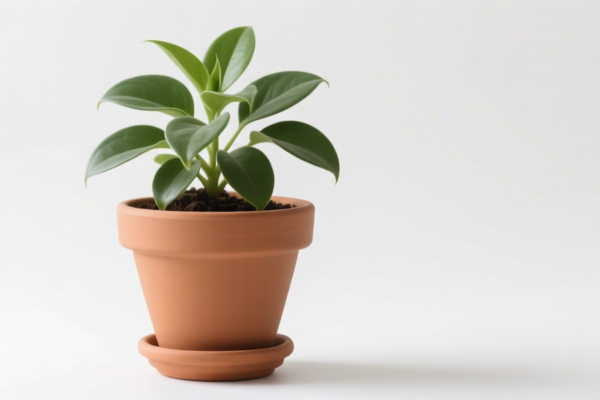
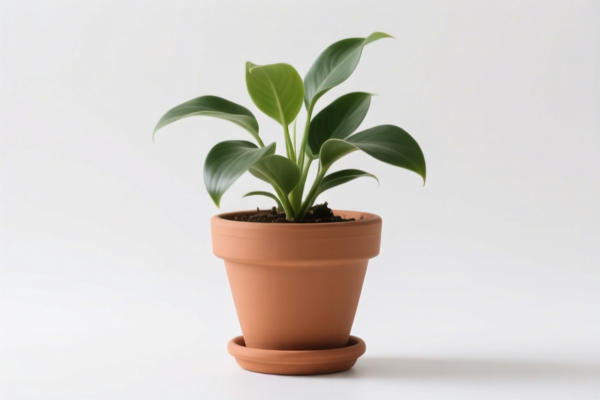
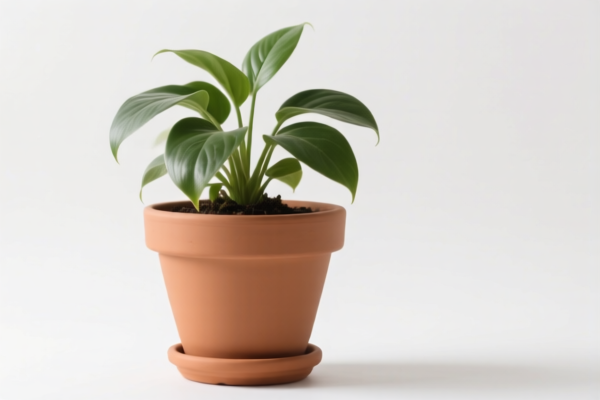
AI Analysis
🌱 Flowerpots: The Green Thumb’s Guide to Global Customs (HS Code & Tax Strategy)
🌐 HS Code Reference & Clearance Guide | 2024/2025 Latest Tariff Analysis | Professional Clearance Strategy
Flowerpots are essential for global horticulture, interior design, and landscaping. However, in international trade, "flowerpot" is not a single legal entity. It is a chameleon category that changes its tax identity based on material composition and manufacturing precision.
Misclassification here can lead to double-digit tariff shocks (e.g., jumping from 13.4% to 44%). This guide breaks down exactly how to classify your flowerpots based on the provided data, ensuring compliance and cost-efficiency.
📦 二、HS Code Classification Matrix (Material-Based)
Based on the provided data, flowerpots are categorized into three main material families: Ceramic/Porcelain, Plastic/Resin, and Other Non-Porcelain Materials.
| HS Code | Product Description & Material | Key Differentiator | Total Tax Rate |
|---|---|---|---|
| 6912.00.48.10 | Ceramic Flowerpots (Pottery) | Standard ceramic pots for home use | 19.8% |
| 6912.00.50.00 | Non-Porcelain Flowerpots | E.g., Terracotta, earthenware, unglazed | 16.0% |
| 3924.10.40.00 | Plastic Flowerpots (General) | Unclear material plastics, general household use | 13.4% |
| 3924.90.56.50 | Plastic Flowerpots (Specific) | Specific plastic household items | 20.9% |
| 6914.10.80.00 | Porcelain Flowerpots | High-fired, vitrified ceramic (durable, white/glossy) | 44.0% |
| 6914.90.80.00 | Other Ceramic Products | Ceramic pots falling under other sub-categories | 40.6% |
🔍 Critical Distinction:
- Ceramic (6912) vs. Porcelain (6914): "Ceramic" generally refers to pottery (lower firing temp, porous), while "Porcelain" is harder, more vitrified, and often finer. The tariff difference is massive (19.8% vs 44%). - Plastic (3924): Differentiated by general household use (3924.10) vs. specific plastic household items (3924.90).
💰 三、2024/2025 Tariff Rate Detailed Breakdown
✅ Applicable Context: Based on the provided tax details, these rates reflect Base Duty + Section 122 Duties + Additional Trade Measures.
🎯 1. 6912.00.48.10 – Ceramic Flowerpots (Pottery)
The most common classification for standard glazed ceramic pots.
| Component | Rate | Notes |
|---|---|---|
| Base Duty | 9.8% | Standard MFN rate for ceramic household goods |
| Additional Duty | 0.0% | No extra trade war tariffs applied |
| Section 122 Duty | 10.0% | Specific domestic trade measure |
| TOTAL EFFECTIVE RATE | 19.8% | ✅ Moderate Cost |
📌 Explanation: This is the "sweet spot" for ceramic pots. It avoids the high penalties associated with porcelain (6914) and specific plastic sub-categories.
🎯 2. 6912.00.50.00 – Non-Porcelain Flowerpots
Includes terracotta, earthenware, and unglazed clay pots.
| Component | Rate | Notes |
|---|---|---|
| Base Duty | 6.0% | Lower base rate due to material simplicity |
| Additional Duty | 0.0% | None |
| Section 122 Duty | 10.0% | Domestic trade measure applies |
| TOTAL EFFECTIVE RATE | 16.0% | ✅ Lowest Cost for Ceramic Family |
📌 Explanation: If your pots are rustic, unglazed, or made of lower-fired clay, this code offers the best savings in the ceramic family.
🎯 3. 3924.10.40.00 – Plastic Flowerpots (General)
For plastic pots where the specific material type is not clearly defined or falls under general household goods.
| Component | Rate | Notes |
|---|---|---|
| Base Duty | 3.4% | Very low base duty for plastics |
| Additional Duty | 0.0% | None |
| Section 122 Duty | 10.0% | Domestic trade measure applies |
| TOTAL EFFECTIVE RATE | 13.4% | ✅ Lowest Overall Cost |
📌 Explanation: Plastic pots generally have the lowest entry barriers. Ensure your product description aligns with "other household articles" to qualify.
🎯 4. 3924.90.56.50 – Plastic Flowerpots (Specific)
For plastic flowerpots categorized under more specific plastic household items.
| Component | Rate | Notes |
|---|---|---|
| Base Duty | 3.4% | Low base rate |
| Additional Duty | 7.5% | Critical Penalty: Additional trade measure |
| Section 122 Duty | 10.0% | Domestic trade measure applies |
| TOTAL EFFECTIVE RATE | 20.9% | ⚠️ Higher Cost for Plastic |
📌 Warning: Do not mistakenly classify a standard plastic pot here unless it fits a specific "other plastic household" niche. The 7.5% additional duty makes it more expensive than the general plastic code (13.4%).
🎯 5. 6914.10.80.00 – Porcelain Flowerpots
High-quality, vitrified, often white or brightly glazed pots. High risk, high cost.
| Component | Rate | Notes |
|---|---|---|
| Base Duty | 9.0% | Standard for porcelain |
| Additional Duty | 25.0% | Major Penalty: High additional trade tariff |
| Section 122 Duty | 10.0% | Domestic trade measure applies |
| TOTAL EFFECTIVE RATE | 44.0% | 🔴 Highest Cost Category |
📌 Explanation: Porcelain is treated as a luxury or high-value ceramic item with significant trade barriers. The 25% additional duty is the biggest cost driver.
🎯 6. 6914.90.80.00 – Other Ceramic Products
Ceramic flowerpots that do not fit into the main porcelain category but are still classified under 6914.
| Component | Rate | Notes |
|---|---|---|
| Base Duty | 5.6% | Low base duty |
| Additional Duty | 25.0% | Major Penalty: Same high additional tariff as porcelain |
| Section 122 Duty | 10.0% | Domestic trade measure applies |
| TOTAL EFFECTIVE RATE | 40.6% | 🔴 High Cost |
📌 Explanation: Even if it’s not "standard" porcelain, if it falls under HS 6914, the 25% additional duty applies.
🛠️ 四、Customs Clearance Strategy & Best Practices
✅ 1. Documentation Requirements
| Document | Requirement | Purpose |
|---|---|---|
| Commercial Invoice | Must specify Material (e.g., "Glazed Ceramic," "Terracotta," "PP Plastic") | Determines HS Code eligibility |
| Product Photos | Clear images showing texture, glaze, and finish | Distinguishes Ceramic (6912) from Porcelain (6914) |
| Composition Statement | Declaration of raw materials (e.g., "Kaolin Clay," "Polypropylene") | Supports classification under correct HS heading |
| Usage Declaration | "For planting flowers" / "Household decorative use" | Confirms end-use for tariff classification |
✅ 2. Classification Decision Tree
mermaid graph TD A[Start: Flowerpot] --> B{Material?} B -->|Plastic| C[HS 3924] B -->|Ceramic/Porcelain| D{Type?}
C --> C1{General Household?}
C1 -->|Yes| E[HS 3924.10.40.00]
C1 -->|No/Specific| F[HS 3924.90.56.50]

D --> G{Is it Porcelain?}
G -->|Yes/Vitrified| H[HS 6914.10.80.00]
G -->|No/Ceramic| I{Sub-type?}

I -->|General Ceramic| J[HS 6912.00.48.10]
I -->|Non-Porcelain/Earthenware| K[HS 6912.00.50.00]
I -->|Other Ceramic| L[HS 6914.90.80.00]
✅ 3. Cost Optimization Tips
- Choose Plastic if Possible: The lowest tax rate is 13.4% (
3924.10.40.00) for plastic pots. - Avoid Porcelain for Mass Market: The 44% tax on
6914.10.80.00makes porcelain pots significantly less competitive unless they are high-end luxury items. - Clarify "Ceramic" vs. "Porcelain": If your product is a standard garden pot, ensure it is classified as Ceramic (6912) rather than Porcelain (6914) to save ~25% in additional duties.
- Plastic Specificity: Ensure your plastic pots are described as "General Household Articles" to use
3924.10.40.00(13.4%) instead of3924.90.56.50(20.9%).
✅ 4. Common Pitfalls
- ❌ Mislabeling Material: Describing a plastic pot as "resin ceramic" or vice versa can lead to audits and back taxes.
- ❌ Ignoring Section 122: All categories include a 10% Section 122 Duty. This is non-negotiable and must be factored into all pricing.
- ❌ Over-classifying Plastic: Using
3924.90.56.50when3924.10.40.00is applicable results in a 7.5% unnecessary tax hike.
📌 五、Final Recommendation
For importers seeking cost efficiency, prioritize:
1. Plastic Pots (3924.10.40.00 @ 13.4%)
2. Non-Porcelain Ceramic Pots (6912.00.50.00 @ 16.0%)
For luxury/premium markets where material authenticity is key:
* Use Ceramic (6912.00.48.10 @ 19.8%) for mid-range.
* Use Porcelain (6914.10.80.00 @ 44.0%) only if high retail margins can absorb the 44% total duty.
📞 Pro Tip: Always request a Pre-Ruling from customs if the material classification (Ceramic vs. Porcelain) is ambiguous. A wrong classification can result in significant back taxes and penalties.
✨ Clear, Accurate Classification Saves You Thousands! 💼 Your Supply Chain, Optimized.
Customer Reviews
About HS Code Classification
The Harmonized System (HS) is an internationally standardized nomenclature developed by the World Customs Organization (WCO) to classify traded products. Over 200 countries use the HS system as the basis for customs tariffs, trade statistics, and import/export regulations.
Each HS code follows a hierarchical structure:
- Chapter (2 digits) — Broad category of goods (e.g., Chapter 84: Machinery and Mechanical Appliances)
- Heading (4 digits) — More specific grouping within the chapter
- Subheading (6 digits) — Internationally standardized breakdown, used by all WCO member countries
- National subdivisions (8-10 digits) — Country-specific extensions for further classification, such as US HTSUS 10-digit codes
Correct HS code classification is essential for smooth customs clearance, accurate duty payment, and compliance with trade regulations. Misclassification can lead to customs delays, overpayment of duties, or penalties.
When importing from CN to US, the applicable tariff rates may include:
- Most-Favored-Nation (MFN) rate — The standard duty rate applied to WTO members
- General rate — Applied to countries without trade agreements
- Trade remedy duties — Additional tariffs such as Section 301 (anti-dumping), Section 232 (national security), or countervailing duties
The information provided on this page is for reference purposes only. For official classification, please consult with your local customs authority or a licensed customs broker.