footwear hs code 6402915020
CN → US| HS编码 | 关税税率 | 原产国 | 目的国 | 文档 |
|---|---|---|---|---|
| 6403999071 | 20.0% | CN | US | 官方文档 |
| 6402996930 | 58.0% | CN | US | 官方文档 |
| 6404198990 | 0.0% | CN | US | 官方文档 |
| 6402996960 | 58.0% | CN | US | 官方文档 |
| 6404192060 | 47.5% | CN | US | 官方文档 |
商品图片
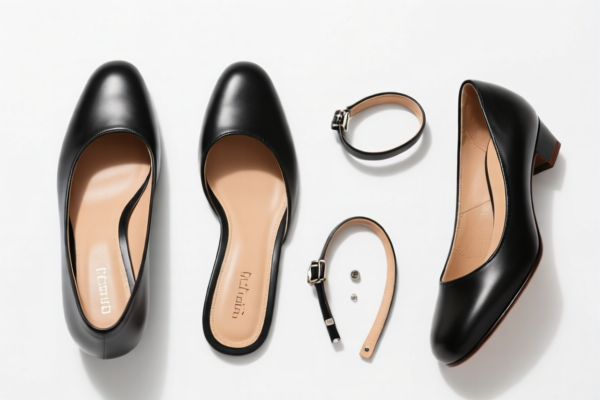
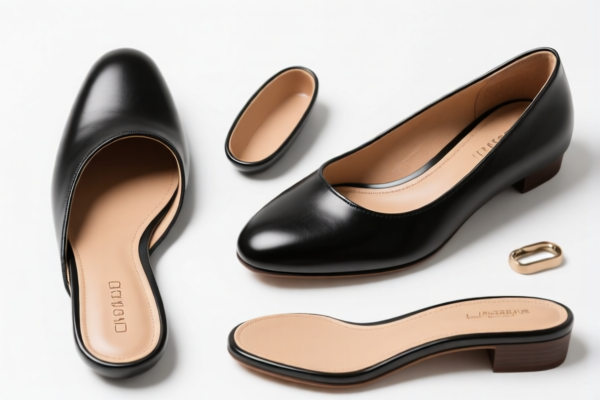
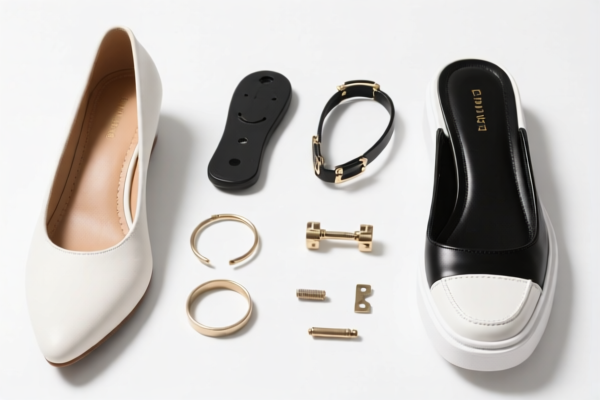
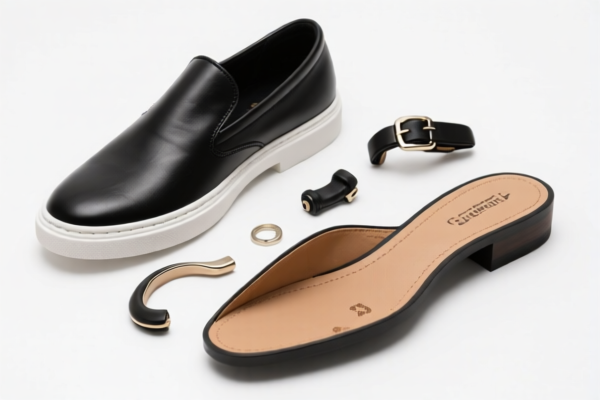
AI分析
🥾 Footwear – HS Code 6402.91.50.20
🌐 HS Code Reference & Customs Clearance Guide | 2026 Latest Tariff Analysis | Professional-Level Entry Strategy
📌 I. Product Definition and Classification: Do You Truly Understand “This Footwear”?
Footwear classified under HS Code 6402.91.50.20 falls within Chapter 64 of the Harmonized System, specifically under heading 6402: “Other footwear with outer soles and uppers of rubber or plastics.”
This code is highly specific. It typically refers to rubber or plastic-soled footwear that is not sports footwear, protective footwear, or orthopedic footwear, and often indicates general-purpose or casual rubber/plastic shoes (e.g., rain boots, flip-flops, house slippers with rubber/plastic soles, etc.), depending on national subheading definitions (in this case, likely a U.S. HTSUS 10-digit code).
⚠️ Key Distinction Points:
- If the footwear has textile, leather, or other material uppers combined with rubber/plastic soles, it may fall under 6402.99 series instead.
- If the footwear is sports-specific (e.g., running, basketball, soccer), it likely belongs to 6404 or 6403, not 6402.91.50.20.
- If it is protective footwear (e.g., steel-toe safety shoes), it may be classified under 6403 or 6402.91.10 depending on construction.
Thus, 6402.91.50.20 is generally for non-sports, non-protective, rubber/plastic-soled footwear with rubber/plastic uppers or specific construction details defined by national tariff schedules.
📦 II. HS Code Classification Details (2026 Latest Tariff Authority Reference)
| HS Code | Product Description | Applicable Scenario | Upper Material | Sole Material | Sports/Protective? |
|---|---|---|---|---|---|
6402.91.50.20 |
Footwear, rubber/plastic soles & uppers, other | General casual, rain footwear, house slippers | Rubber/Plastic | Rubber/Plastic | ❌ No |
6402.99.69.30 |
Footwear, rubber/plastic soles & uppers, other (detailed subheading) | Similar to above but finer classification | Rubber/Plastic | Rubber/Plastic | ❌ No |
6402.99.69.60 |
Footwear, rubber/plastic soles & uppers, other | Alternative subheading for same category | Rubber/Plastic | Rubber/Plastic | ❌ No |
6403.99.90.71 |
Footwear, plastic outer sole, gusseted type | Plastic sole, possibly waterproof | Mixed/Leather/Textile | Plastic | ❌ No |
6404.19.89.90 |
Footwear, rubber/plastic soles, textile uppers | Casual sneakers, sports-style | Textile | Rubber/Plastic | ⚠️ Possibly Sports |
6404.19.20.60 |
Footwear, rubber/plastic soles, textile uppers | Specific textile-upper category | Textile | Rubber/Plastic | ⚠️ Possibly Sports |
🔍 Critical Reminder:
- 6402.91.50.20 is for rubber/plastic upper AND sole. If the upper is textile or leather, it does not belong here.
- Sports footwear with rubber/plastic soles typically falls under 6404, not 6402.
- Protective footwear may fall under 6403 or specific 6402 subheadings for safety gear.
💰 III. 2026 Latest Tariff Rate Details (Including Additional Taxes, Policy Surcharges)
✅ Applicable Country: United States (US)
✅ Country of Origin: China (CN)
✅ Effective Date: From November 10, 2025 (including subsequent imports)
🎯 1. 6402.91.50.20 – Rubber/Plastic Sole & Upper Footwear (General)
| Item | Content |
|---|---|
| Base Tariff Rate | 10% (ad valorem) |
| Section 301 Surcharge (USITC) | +10% (Footnote 9903.01.24 applies to many footwear from China) |
| Section 122 Tariff | +10% (Additional surcharge for certain Chinese goods) |
| Total Effective Rate | 30% |
| Tax Calculation | CIF Value × 30% |
| De Minimis Eligibility | ❌ Not Eligible (deny_de_minimis) |
| Legal Basis Path | HTSUS:6402.91.50.20 → USITC:9903.01.24 → Section 122:10% |
📌 Explanation:
- The base tariff for rubber/plastic-soled footwear is typically 10%.
- Section 301 surcharge adds 10% for many Chinese footwear items.
- Section 122 adds another 10% for certain categories.
- Total: 30%. This is a high effective tariff, requiring careful cost planning.
🎯 2. 6402.99.69.30 & 6402.99.69.60 – Similar Rubber/Plastic Footwear (Detailed Subheadings)
| Item | Content |
|---|---|
| Base Tariff Rate | 48% (ad valorem) |
| Section 301 Surcharge (USITC) | +0% |
| Section 122 Tariff | +10% |
| Total Effective Rate | 58% |
| Tax Calculation | CIF Value × 58% |
| De Minimis Eligibility | ❌ Not Eligible |
| Legal Basis Path | HTSUS:6402.99.69.30/60 → Section 122:10% |
📌 Note:
- These subheadings carry a much higher base rate (48%) due to finer classification.
- Section 122 adds 10%, resulting in a staggering 58% total tariff.
- These codes are often for specific types of rubber/plastic footwear with detailed construction criteria.
🎯 3. 6403.99.90.71 – Plastic Outer Sole, Gusseted Type
| Item | Content |
|---|---|
| Base Tariff Rate | 10% |
| Section 301 Surcharge | +10% |
| Section 122 Tariff | +10% |
| Total Effective Rate | 30% |
| Tax Calculation | CIF Value × 30% |
| De Minimis Eligibility | ❌ Not Eligible |
| Legal Basis Path | HTSUS:6403.99.90.71 → USITC:9903.01.25 → Section 122:10% |
📌 Explanation:
- Plastic sole footwear with gusseted construction.
- Total tariff: 30%.
🎯 4. 6404.19.89.90 – Rubber/Plastic Sole, Textile Upper
| Item | Content |
|---|---|
| Base Tariff Rate | 90¢/pair + 20% (ad valorem) |
| Section 301 Surcharge | +7.5% |
| Section 122 Tariff | +10% |
| Total Effective Rate | 90¢/pr. + 37.5% |
| Tax Calculation | 90¢/pair + (CIF Value × 37.5%) |
| De Minimis Eligibility | ❌ Not Eligible |
| Legal Basis Path | HTSUS:6404.19.89.90 → USITC:9903.01.25 → Section 122:10% |
📌 Note:
- Textile upper + rubber/plastic sole often falls under 6404.
- Base rate includes per-pair fee (90¢) + 20% ad valorem.
- Total: 90¢/pr. + 37.5% after surcharges.
🎯 5. 6404.19.20.60 – Rubber/Plastic Sole, Textile Upper (Specific)
| Item | Content |
|---|---|
| Base Tariff Rate | 37.5% |
| Section 301 Surcharge | +0% |
| Section 122 Tariff | +10% |
| Total Effective Rate | 47.5% |
| Tax Calculation | CIF Value × 47.5% |
| De Minimis Eligibility | ❌ Not Eligible |
| Legal Basis Path | HTSUS:6404.19.20.60 → Section 122:10% |
📌 Note:
- Similar to above but with a higher base rate (37.5%).
- Total: 47.5%.
🛠️ IV. Customs Clearance Practical Advice (Real-World Pitfall Avoidance Guide)
✅ 1. Documentation Checklist (All Required)
| Document | Required | Explanation |
|---|---|---|
| ✅ Product Specification Sheet | ✔️ | Includes material composition (upper/sole), size, style, intended use |
| ✅ Material Composition Statement | ✔️ | Explicitly state upper material and sole material |
| ✅ Product Photos (Clear) | ✔️ | Show whole shoe, sole texture, upper material, labels |
| ✅ Commercial Invoice | ✔️ | Clearly describe as “Footwear, rubber/plastic sole and upper” |
| ✅ Packing List | ✔️ | List quantities, weights, dimensions |
| ✅ Origin Certificate (CO) | ✔️ | If not China origin, to check for FTA benefits |
| ✅ Test Reports (if applicable) | ✔️ | FDA, CPSIA, Prop 65 (if sold in US) |
✅ 2. Declaration Tips (Key Mantras)
🔥 “Material is King! Upper matters, Sole determines the chapter!”
| Scenario | Correct HS Code | Wrong Practice |
|---|---|---|
| Rubber/Plastic Upper + Rubber/Plastic Sole | 6402.91.50.20 or 6402.99.69.30/60 |
Misdeclare as textile-upper → Wrong code, penalty |
| Textile Upper + Rubber/Plastic Sole | 6404.19.89.90 or 6404.19.20.60 |
Misdeclare as rubber-upper → 58% instead of 30–47% |
| Plastic Sole + Gusseted | 6403.99.90.71 |
Misdeclare as 6402 → 30% vs 30% (but still wrong classification risk) |
| Sports/Running Shoes | 6404 or 6403 |
Misdeclare as casual → Underreporting risk |
✅ 3. Special Situations
| Situation | Recommendation |
|---|---|
| Mixed Materials | Clearly specify primary material of upper and sole. If mixed, most significant material determines classification. |
| Customized/OEM | Provide design sheets, material specs, and customer agreements to avoid misclassification. |
| Footwear with Removable Insoles | Still classified by main upper and sole materials. |
| Footwear for Medical/Orthopedic Use | May require additional documentation; possibly different code (6405 or specific subheadings). |
🌍 V. Global Market Comparison (2026 Latest)
| Country/Region | Recommended HS Code | Tariff (China Origin) | Certification Required | Notes |
|---|---|---|---|---|
| 🇺🇸 United States | 6402.91.50.20 |
30% (Section 301 + 122) | CPSIA, Prop 65 (if applicable) | Highest tariffs among major markets |
| 🇨🇳 China | 6402.91.50.20 |
10–20% | CCC (if applicable) | Lower tariffs, no additional surcharges |
| 🇪🇺 European Union | 6402.91.50.20 |
0–4.5% (if GSP applies) | CE, REACH | No additional surcharges |
| 🇬🇧 United Kingdom | 6402.91.50.20 |
0–4.5% | UKCA, REACH | Post-Brexit rules apply |
| 🇦🇺 Australia | 6402.91.50.20 |
5–10% | RCM, Standards | No additional surcharges |
📌 Conclusion:
- The United States imposes the highest tariffs on Chinese footwear due to Section 301 and Section 122.
- Other markets (EU, UK, Australia, China) have significantly lower or zero tariffs.
- Strategic Recommendation: Consider supply chain diversification (e.g., Vietnam, India, Bangladesh) to avoid US surcharges.
📌 VI. Common Mistakes & Pitfall Avoidance (Lessons Learned)
❌ Mistake 1: Declaring textile-upper footwear as rubber-upper (6402 instead of 6404)
👉 Consequence: Incorrect classification, potential penalty, and audit.
❌ Mistake 2: Ignoring Section 122 and Section 301 surcharges in cost calculations
👉 Consequence: Underestimated landed cost by 10–20%, leading to margin erosion.
❌ Mistake 3: Not providing material composition statements
👉 Consequence: Customs delays, possible reclassification, and higher duties.
❌ Mistake 4: Assuming de minimis applies to small shipments
👉 Consequence: Not eligible for footwear under current US rules → Unexpected taxes.
✅ Correct Approach:
“Rubber-Upper, Rubber-Plastic Sole Casual Footwear, Model XYZ, CPSIA Compliant, 100% Rubber Upper, 100% Rubber Sole”
🎯 VII. Conclusion: Professional Declaration, Save Time, Reduce Costs
🎯 Remember the Mantra:
🔹 “Material defines the code. Upper matters. Sole determines the chapter. Surcharges add 30%+!”
🔹 “HS Code determines fate. Tariff difference can cost thousands. Declaration must be precise!”
📌 Pro Tip:
If your footwear is originating from Vietnam, India, Bangladesh, or Thailand, you may avoid Section 301 and Section 122 surcharges, reducing tariffs to 0–10%.
Recommendation:
- Apply for Advance Ruling from US Customs (CBP) before shipment.
- Ensure accurate material declarations on commercial invoices.
- Consider supply chain shifts to non-China origins for US-bound goods.
📣 Take Action Now:
📞 Contact a licensed customs broker + Provide material specs + Apply for HTSUS Advance Ruling
🚀 Ensure smooth customs clearance, cost control, and maximum profitability!
✨ Professional Customs Clearance Starts with Precise Classification!
💼 Every cent of cost deserves accurate calculation!
用户评价
关于 HS 编码归类
协调制度(HS)是由世界海关组织(WCO)制定的国际贸易商品分类标准。全球 200 多个国家采用 HS 系统作为海关关税、贸易统计和进出口监管的基础。
每个 HS 编码遵循以下层级结构:
- 章(2 位)——商品大类(例如:第 84 章:机器和机械设备)
- 品目(4 位)——章内的更具体分类
- 子目(6 位)——国际通用细分,所有 WCO 成员国统一使用
- 本国细分(8-10 位)——各国自行扩展的细分编码,如美国 HTSUS 10 位编码
正确的 HS 编码归类对于顺利通关、准确缴纳关税和遵守贸易法规至关重要。错误归类可能导致海关延误、多缴关税或罚款。
从CN进口到US时,适用的关税税率可能包括:
- 最惠国(MFN)税率——适用于 WTO 成员国的标准关税税率
- 普通税率——适用于无贸易协定国家
- 贸易救济关税——附加关税,如 301 条款(反倾销)、232 条款(国家安全)或反补贴税
本页内容仅供参考。如需正式归类,请咨询当地海关或持牌报关代理。