footwear hs code 6402915020
CN → US| HS Code | Tariff Rate | Origin | Destination | Doc |
|---|---|---|---|---|
| 6403999071 | 20.0% | CN | US | Official Doc |
| 6402996930 | 58.0% | CN | US | Official Doc |
| 6404198990 | 0.0% | CN | US | Official Doc |
| 6402996960 | 58.0% | CN | US | Official Doc |
| 6404192060 | 47.5% | CN | US | Official Doc |
Product Images
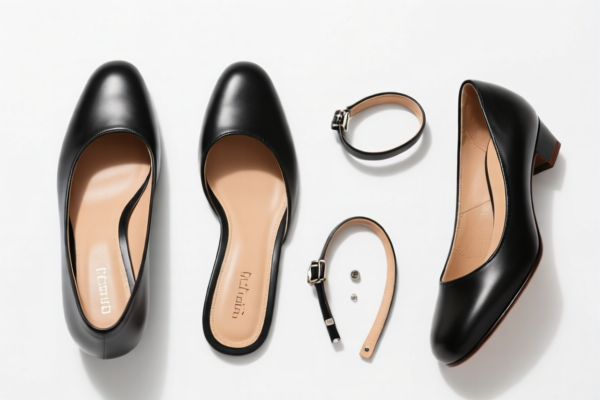
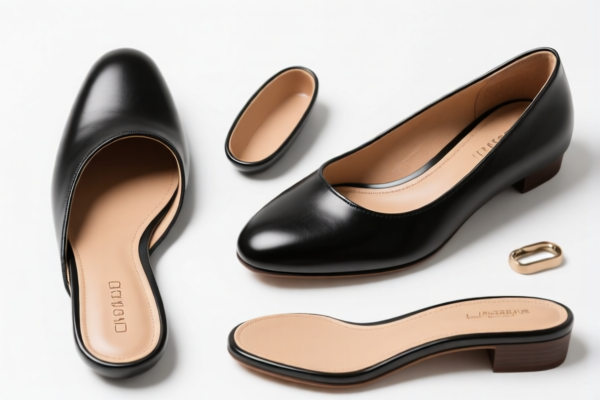
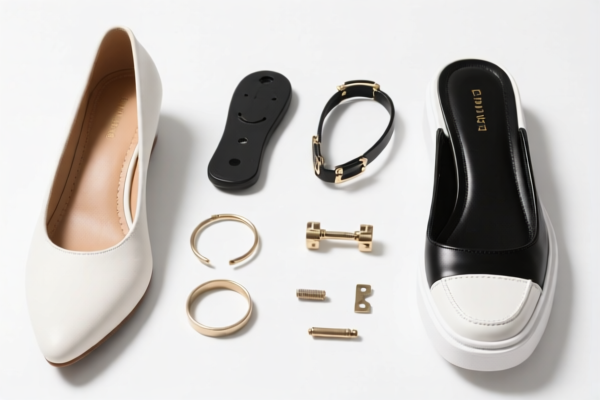
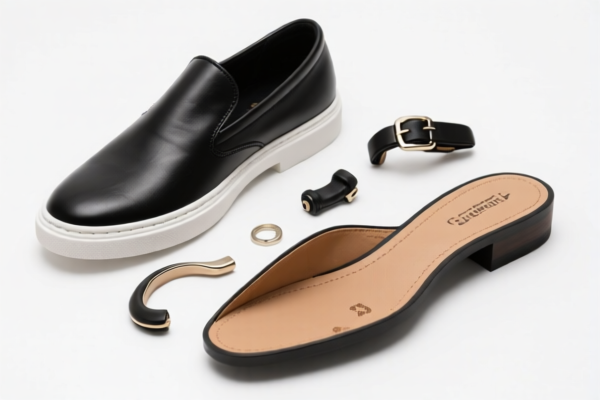
AI Analysis
🥾 Footwear – HS Code 6402.91.50.20
🌐 HS Code Reference & Customs Clearance Guide | 2026 Latest Tariff Analysis | Professional-Level Entry Strategy
📌 I. Product Definition and Classification: Do You Truly Understand “This Footwear”?
Footwear classified under HS Code 6402.91.50.20 falls within Chapter 64 of the Harmonized System, specifically under heading 6402: “Other footwear with outer soles and uppers of rubber or plastics.”
This code is highly specific. It typically refers to rubber or plastic-soled footwear that is not sports footwear, protective footwear, or orthopedic footwear, and often indicates general-purpose or casual rubber/plastic shoes (e.g., rain boots, flip-flops, house slippers with rubber/plastic soles, etc.), depending on national subheading definitions (in this case, likely a U.S. HTSUS 10-digit code).
⚠️ Key Distinction Points:
- If the footwear has textile, leather, or other material uppers combined with rubber/plastic soles, it may fall under 6402.99 series instead.
- If the footwear is sports-specific (e.g., running, basketball, soccer), it likely belongs to 6404 or 6403, not 6402.91.50.20.
- If it is protective footwear (e.g., steel-toe safety shoes), it may be classified under 6403 or 6402.91.10 depending on construction.
Thus, 6402.91.50.20 is generally for non-sports, non-protective, rubber/plastic-soled footwear with rubber/plastic uppers or specific construction details defined by national tariff schedules.
📦 II. HS Code Classification Details (2026 Latest Tariff Authority Reference)
| HS Code | Product Description | Applicable Scenario | Upper Material | Sole Material | Sports/Protective? |
|---|---|---|---|---|---|
6402.91.50.20 |
Footwear, rubber/plastic soles & uppers, other | General casual, rain footwear, house slippers | Rubber/Plastic | Rubber/Plastic | ❌ No |
6402.99.69.30 |
Footwear, rubber/plastic soles & uppers, other (detailed subheading) | Similar to above but finer classification | Rubber/Plastic | Rubber/Plastic | ❌ No |
6402.99.69.60 |
Footwear, rubber/plastic soles & uppers, other | Alternative subheading for same category | Rubber/Plastic | Rubber/Plastic | ❌ No |
6403.99.90.71 |
Footwear, plastic outer sole, gusseted type | Plastic sole, possibly waterproof | Mixed/Leather/Textile | Plastic | ❌ No |
6404.19.89.90 |
Footwear, rubber/plastic soles, textile uppers | Casual sneakers, sports-style | Textile | Rubber/Plastic | ⚠️ Possibly Sports |
6404.19.20.60 |
Footwear, rubber/plastic soles, textile uppers | Specific textile-upper category | Textile | Rubber/Plastic | ⚠️ Possibly Sports |
🔍 Critical Reminder:
- 6402.91.50.20 is for rubber/plastic upper AND sole. If the upper is textile or leather, it does not belong here.
- Sports footwear with rubber/plastic soles typically falls under 6404, not 6402.
- Protective footwear may fall under 6403 or specific 6402 subheadings for safety gear.
💰 III. 2026 Latest Tariff Rate Details (Including Additional Taxes, Policy Surcharges)
✅ Applicable Country: United States (US)
✅ Country of Origin: China (CN)
✅ Effective Date: From November 10, 2025 (including subsequent imports)
🎯 1. 6402.91.50.20 – Rubber/Plastic Sole & Upper Footwear (General)
| Item | Content |
|---|---|
| Base Tariff Rate | 10% (ad valorem) |
| Section 301 Surcharge (USITC) | +10% (Footnote 9903.01.24 applies to many footwear from China) |
| Section 122 Tariff | +10% (Additional surcharge for certain Chinese goods) |
| Total Effective Rate | 30% |
| Tax Calculation | CIF Value × 30% |
| De Minimis Eligibility | ❌ Not Eligible (deny_de_minimis) |
| Legal Basis Path | HTSUS:6402.91.50.20 → USITC:9903.01.24 → Section 122:10% |
📌 Explanation:
- The base tariff for rubber/plastic-soled footwear is typically 10%.
- Section 301 surcharge adds 10% for many Chinese footwear items.
- Section 122 adds another 10% for certain categories.
- Total: 30%. This is a high effective tariff, requiring careful cost planning.
🎯 2. 6402.99.69.30 & 6402.99.69.60 – Similar Rubber/Plastic Footwear (Detailed Subheadings)
| Item | Content |
|---|---|
| Base Tariff Rate | 48% (ad valorem) |
| Section 301 Surcharge (USITC) | +0% |
| Section 122 Tariff | +10% |
| Total Effective Rate | 58% |
| Tax Calculation | CIF Value × 58% |
| De Minimis Eligibility | ❌ Not Eligible |
| Legal Basis Path | HTSUS:6402.99.69.30/60 → Section 122:10% |
📌 Note:
- These subheadings carry a much higher base rate (48%) due to finer classification.
- Section 122 adds 10%, resulting in a staggering 58% total tariff.
- These codes are often for specific types of rubber/plastic footwear with detailed construction criteria.
🎯 3. 6403.99.90.71 – Plastic Outer Sole, Gusseted Type
| Item | Content |
|---|---|
| Base Tariff Rate | 10% |
| Section 301 Surcharge | +10% |
| Section 122 Tariff | +10% |
| Total Effective Rate | 30% |
| Tax Calculation | CIF Value × 30% |
| De Minimis Eligibility | ❌ Not Eligible |
| Legal Basis Path | HTSUS:6403.99.90.71 → USITC:9903.01.25 → Section 122:10% |
📌 Explanation:
- Plastic sole footwear with gusseted construction.
- Total tariff: 30%.
🎯 4. 6404.19.89.90 – Rubber/Plastic Sole, Textile Upper
| Item | Content |
|---|---|
| Base Tariff Rate | 90¢/pair + 20% (ad valorem) |
| Section 301 Surcharge | +7.5% |
| Section 122 Tariff | +10% |
| Total Effective Rate | 90¢/pr. + 37.5% |
| Tax Calculation | 90¢/pair + (CIF Value × 37.5%) |
| De Minimis Eligibility | ❌ Not Eligible |
| Legal Basis Path | HTSUS:6404.19.89.90 → USITC:9903.01.25 → Section 122:10% |
📌 Note:
- Textile upper + rubber/plastic sole often falls under 6404.
- Base rate includes per-pair fee (90¢) + 20% ad valorem.
- Total: 90¢/pr. + 37.5% after surcharges.
🎯 5. 6404.19.20.60 – Rubber/Plastic Sole, Textile Upper (Specific)
| Item | Content |
|---|---|
| Base Tariff Rate | 37.5% |
| Section 301 Surcharge | +0% |
| Section 122 Tariff | +10% |
| Total Effective Rate | 47.5% |
| Tax Calculation | CIF Value × 47.5% |
| De Minimis Eligibility | ❌ Not Eligible |
| Legal Basis Path | HTSUS:6404.19.20.60 → Section 122:10% |
📌 Note:
- Similar to above but with a higher base rate (37.5%).
- Total: 47.5%.
🛠️ IV. Customs Clearance Practical Advice (Real-World Pitfall Avoidance Guide)
✅ 1. Documentation Checklist (All Required)
| Document | Required | Explanation |
|---|---|---|
| ✅ Product Specification Sheet | ✔️ | Includes material composition (upper/sole), size, style, intended use |
| ✅ Material Composition Statement | ✔️ | Explicitly state upper material and sole material |
| ✅ Product Photos (Clear) | ✔️ | Show whole shoe, sole texture, upper material, labels |
| ✅ Commercial Invoice | ✔️ | Clearly describe as “Footwear, rubber/plastic sole and upper” |
| ✅ Packing List | ✔️ | List quantities, weights, dimensions |
| ✅ Origin Certificate (CO) | ✔️ | If not China origin, to check for FTA benefits |
| ✅ Test Reports (if applicable) | ✔️ | FDA, CPSIA, Prop 65 (if sold in US) |
✅ 2. Declaration Tips (Key Mantras)
🔥 “Material is King! Upper matters, Sole determines the chapter!”
| Scenario | Correct HS Code | Wrong Practice |
|---|---|---|
| Rubber/Plastic Upper + Rubber/Plastic Sole | 6402.91.50.20 or 6402.99.69.30/60 |
Misdeclare as textile-upper → Wrong code, penalty |
| Textile Upper + Rubber/Plastic Sole | 6404.19.89.90 or 6404.19.20.60 |
Misdeclare as rubber-upper → 58% instead of 30–47% |
| Plastic Sole + Gusseted | 6403.99.90.71 |
Misdeclare as 6402 → 30% vs 30% (but still wrong classification risk) |
| Sports/Running Shoes | 6404 or 6403 |
Misdeclare as casual → Underreporting risk |
✅ 3. Special Situations
| Situation | Recommendation |
|---|---|
| Mixed Materials | Clearly specify primary material of upper and sole. If mixed, most significant material determines classification. |
| Customized/OEM | Provide design sheets, material specs, and customer agreements to avoid misclassification. |
| Footwear with Removable Insoles | Still classified by main upper and sole materials. |
| Footwear for Medical/Orthopedic Use | May require additional documentation; possibly different code (6405 or specific subheadings). |
🌍 V. Global Market Comparison (2026 Latest)
| Country/Region | Recommended HS Code | Tariff (China Origin) | Certification Required | Notes |
|---|---|---|---|---|
| 🇺🇸 United States | 6402.91.50.20 |
30% (Section 301 + 122) | CPSIA, Prop 65 (if applicable) | Highest tariffs among major markets |
| 🇨🇳 China | 6402.91.50.20 |
10–20% | CCC (if applicable) | Lower tariffs, no additional surcharges |
| 🇪🇺 European Union | 6402.91.50.20 |
0–4.5% (if GSP applies) | CE, REACH | No additional surcharges |
| 🇬🇧 United Kingdom | 6402.91.50.20 |
0–4.5% | UKCA, REACH | Post-Brexit rules apply |
| 🇦🇺 Australia | 6402.91.50.20 |
5–10% | RCM, Standards | No additional surcharges |
📌 Conclusion:
- The United States imposes the highest tariffs on Chinese footwear due to Section 301 and Section 122.
- Other markets (EU, UK, Australia, China) have significantly lower or zero tariffs.
- Strategic Recommendation: Consider supply chain diversification (e.g., Vietnam, India, Bangladesh) to avoid US surcharges.
📌 VI. Common Mistakes & Pitfall Avoidance (Lessons Learned)
❌ Mistake 1: Declaring textile-upper footwear as rubber-upper (6402 instead of 6404)
👉 Consequence: Incorrect classification, potential penalty, and audit.
❌ Mistake 2: Ignoring Section 122 and Section 301 surcharges in cost calculations
👉 Consequence: Underestimated landed cost by 10–20%, leading to margin erosion.
❌ Mistake 3: Not providing material composition statements
👉 Consequence: Customs delays, possible reclassification, and higher duties.
❌ Mistake 4: Assuming de minimis applies to small shipments
👉 Consequence: Not eligible for footwear under current US rules → Unexpected taxes.
✅ Correct Approach:
“Rubber-Upper, Rubber-Plastic Sole Casual Footwear, Model XYZ, CPSIA Compliant, 100% Rubber Upper, 100% Rubber Sole”
🎯 VII. Conclusion: Professional Declaration, Save Time, Reduce Costs
🎯 Remember the Mantra:
🔹 “Material defines the code. Upper matters. Sole determines the chapter. Surcharges add 30%+!”
🔹 “HS Code determines fate. Tariff difference can cost thousands. Declaration must be precise!”
📌 Pro Tip:
If your footwear is originating from Vietnam, India, Bangladesh, or Thailand, you may avoid Section 301 and Section 122 surcharges, reducing tariffs to 0–10%.
Recommendation:
- Apply for Advance Ruling from US Customs (CBP) before shipment.
- Ensure accurate material declarations on commercial invoices.
- Consider supply chain shifts to non-China origins for US-bound goods.
📣 Take Action Now:
📞 Contact a licensed customs broker + Provide material specs + Apply for HTSUS Advance Ruling
🚀 Ensure smooth customs clearance, cost control, and maximum profitability!
✨ Professional Customs Clearance Starts with Precise Classification!
💼 Every cent of cost deserves accurate calculation!
Customer Reviews
About HS Code Classification
The Harmonized System (HS) is an internationally standardized nomenclature developed by the World Customs Organization (WCO) to classify traded products. Over 200 countries use the HS system as the basis for customs tariffs, trade statistics, and import/export regulations.
Each HS code follows a hierarchical structure:
- Chapter (2 digits) — Broad category of goods (e.g., Chapter 84: Machinery and Mechanical Appliances)
- Heading (4 digits) — More specific grouping within the chapter
- Subheading (6 digits) — Internationally standardized breakdown, used by all WCO member countries
- National subdivisions (8-10 digits) — Country-specific extensions for further classification, such as US HTSUS 10-digit codes
Correct HS code classification is essential for smooth customs clearance, accurate duty payment, and compliance with trade regulations. Misclassification can lead to customs delays, overpayment of duties, or penalties.
When importing from CN to US, the applicable tariff rates may include:
- Most-Favored-Nation (MFN) rate — The standard duty rate applied to WTO members
- General rate — Applied to countries without trade agreements
- Trade remedy duties — Additional tariffs such as Section 301 (anti-dumping), Section 232 (national security), or countervailing duties
The information provided on this page is for reference purposes only. For official classification, please consult with your local customs authority or a licensed customs broker.