gel arch support insoles
CN → US| HS编码 | 关税税率 | 原产国 | 目的国 | 文档 |
|---|---|---|---|---|
| 9021908100 | 10.0% | CN | US | 官方文档 |
| 9021100090 | 10.0% | CN | US | 官方文档 |
| 6406909000 | 17.5% | CN | US | 官方文档 |
| 6406901580 | 32.4% | CN | US | 官方文档 |
| 9021908100 | 10.0% | CN | US | 官方文档 |
商品图片
AI分析
👟 Gel Arch Support Insoles: Precision Classification & Customs Clearance Guide (2026)
🌐 HS Code Reference & Clearance Strategy | 2026 Latest Tariff Analysis | Professional Compliance Guide
📌 Part 1: Product Definition – What Exactly Are “Gel Arch Support Insoles”?
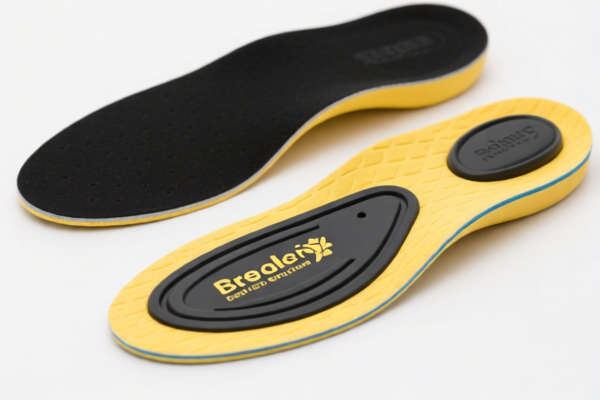
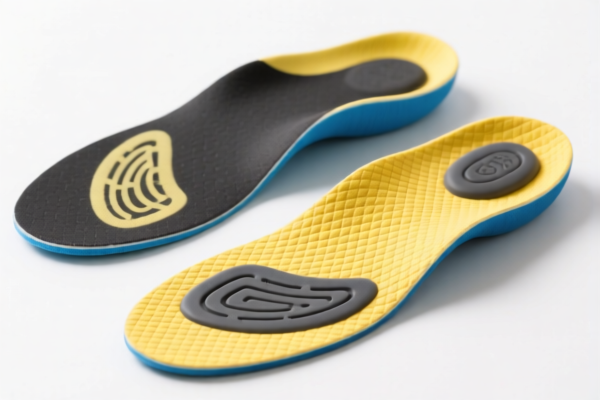
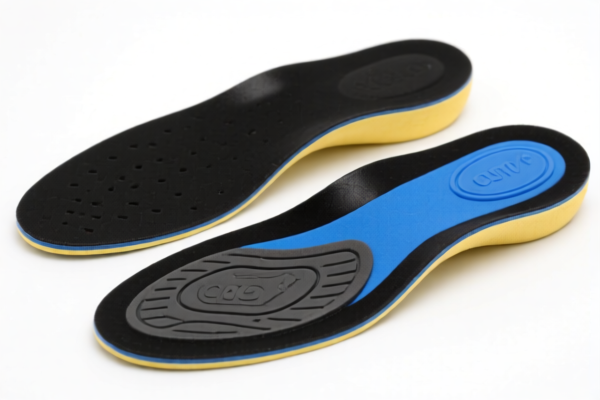
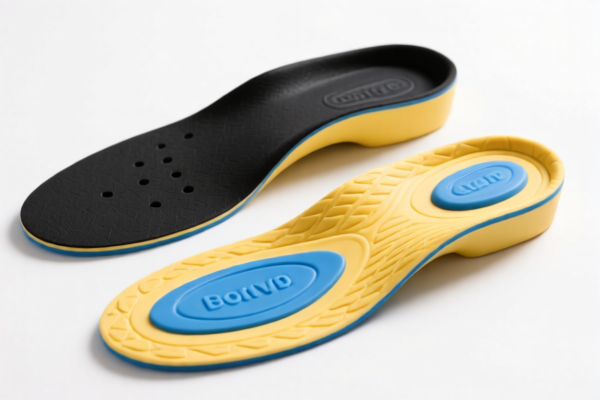
Gel arch support insoles are specialized footbeds designed to provide structural support, shock absorption, and ergonomic alignment for the foot’s arch. In international trade, their classification depends heavily on function, material, and intended use.
They are generally categorized into two main streams: 1. Medical/Orthopedic Devices: If designed for therapeutic correction of foot deformities, post-surgical recovery, or diagnosed medical conditions. 2. Footwear Accessories: If marketed as general comfort, fashion, or sports enhancement without specific medical claims.
⚠️ Key Distinction Point:
- If the product includes medical labeling, prescription claims, or orthopedic certification → Likely classified under Chapter 90 (Medical Instruments).
- If marketed as general comfort, sports gear, or shoe accessories → Likely classified under Chapter 64 (Footwear Articles).
📦 Part 2: HS Code Classification Matrix (2026 Authorized List)
Based on the provided , here are the five unique HS Codes (with one duplicate removed for clarity) and their logical justifications:
| HS Code | Summary / Rationale | Total Tax Rate | Tax Breakdown (China Origin → US) |
|---|---|---|---|
| 9021.90.81.00 | Orthopedic Accessory: Gel insoles with arch support are classified as orthopedic aids/accessories. This fits the logic of “medical device components” for postural correction. | 10.0% | Base: 0% + Sec 301/122: 10% |
| 9021.10.00.90 | Non-Fixing Orthopedic Appliance: Classified as a supportive appliance that does not involve internal fixation (screws/plates). Falls under “other orthopedic appliances.” | 10.0% | Base: 0% + Sec 301/122: 10% |
| 6406.90.90.00 | Shoe Part – Non-Textile Material: If the gel is encapsulated in non-textile materials (e.g., plastic, rubber, PVC, PU), it is treated as a part of footwear. “Other parts of footwear of other materials.” | 17.5% | Base: 0% + Sec 301/122: 7.5% + IEEPA 122: 10% |
| 6406.90.15.80 | Shoe Part – Textile Material: If the insole has a textile fabric layer (e.g., cloth top cover, mesh backing), it is classified under “parts of footwear of textile materials.” | 32.4% | Base: 14.9% + Sec 301/122: 7.5% + IEEPA 122: 10% |
🔍 Important Note:
- 9021.90.81.00 and 9021.10.00.90 both result in 10.0% total tax.
- 6406.90.90.00 and 6406.90.15.80 fall under footwear parts, with higher tariffs due to Section 301 and IEEPA Section 122 add-ons.
- The duplicate entry for9021.90.81.00in the source data is consolidated here for clarity.
💰 Part 3: Tariff Structure Explained (China → US)
✅ Applicable Jurisdiction: United States (US)
✅ Country of Origin: China (CN)
✅ Effective Date: Post-November 10, 2025 (including subsequent imports)
🎯 Category A: Medical/Orthopedic Classification (9021.xxxx)
1. 9021.90.81.00 – Orthopedic Appliance Parts
- Base Duty: 0%
- Section 301/122 Add-on: 10%
- Total Effective Rate: 10.0%
- De Minimis Eligibility: ❌ No
- Legal Basis:
IEEPA:9903.01.25→USITC:9021.90.81.00- Rationale: The product serves a medical function (arch correction), thus exempt from most footwear duties but subject to targeted China tariffs.
2. 9021.10.00.90 – Other Orthopedic Appliances
- Base Duty: 0%
- Section 301/122 Add-on: 10%
- Total Effective Rate: 10.0%
- De Minimis Eligibility: ❌ No
- Legal Basis:
IEEPA:9903.01.24→USITC:9021.10.00.90- Rationale: Non-fixing supportive devices (e.g., braces, insoles) fall under this “catch-all” for orthopedic aids.
🎯 Category B: Footwear Parts Classification (6406.90.xx)
3. 6406.90.90.00 – Parts of Footwear, Other Materials
- Base Duty: 0%
- Section 301 Add-on: 7.5%
- IEEPA Section 122: 10%
- Total Effective Rate: 17.5%
- De Minimis Eligibility: ❌ No
- Legal Basis:
USITC:6406.90.90.00→FOOTNOTE:9903.88.01- Rationale: If the gel insole is primarily made of plastic/rubber/PU with minimal textile, it is considered a “shoe part” of “other materials.”
4. 6406.90.15.80 – Parts of Footwear, Textile Materials
- Base Duty: 14.9%
- Section 301 Add-on: 7.5%
- IEEPA Section 122: 10%
- Total Effective Rate: 32.4%
- De Minimis Eligibility: ❌ No
- Legal Basis:
USITC:6406.90.15.80→FOOTNOTE:9903.88.01- Rationale: If the insole includes textile fabric (e.g., cotton, polyester top layer), it triggers the higher base duty for textile-based footwear parts.
📌 Critical Insight:
- Medical classification (9021) is highly advantageous (10% vs. 17.5–32.4%).
- To qualify for 9021, the product must be marketed and documented as orthopedic/medical, not just “comfort insoles.”
- Misclassification from 9021 to 6406 can result in doubling or tripling of duty costs.
🛠️ Part 4: Customs Clearance Best Practices (Avoid Costly Errors)
✅ 1. Documentation Checklist (Non-Negotiable)
| Document | Required? | Purpose |
|---|---|---|
| Product Specification Sheet | ✔️ | Must detail material composition (e.g., “90% Polyurethane Gel, 10% Textile Backing”) |
| Intended Use Statement | ✔️ | Explicitly state: “Orthopedic aid for arch support” or “General footwear accessory” |
| Material Breakdown | ✔️ | Crucial for distinguishing between 6406.90.90.00 and 6406.90.15.80 |
| Medical Certification (if applicable) | ✔️ | FDA 510(k), CE MDR, or ISO 13485 to support 9021 classification |
| Commercial Invoice | ✔️ | Must clearly describe item as “Orthopedic Gel Insole” if claiming 9021 |
| Packing List | ✔️ | Confirm no additional non-insole items are included |
✅ 2. Declaration Strategy (Do’s and Don’ts)
| Scenario | Recommended HS Code | Why? |
|---|---|---|
| Medical-grade insoles (with orthopedic claims) | 9021.90.81.00 or 9021.10.00.90 |
Lowest tax (10%), justified by function |
| General comfort insoles (plastic/rubber gel) | 6406.90.90.00 |
Moderate tax (17.5%), accurate for material |
| Textile-backed comfort insoles | 6406.90.15.80 |
Highest tax (32.4%) due to textile component |
| Mix of medical + general insoles in same shipment | Separate Bills of Lading | Do not mix classifications; leads to seizure or audit |
🔥 Pro Tip:
If your product is primarily for medical use, ensure all marketing materials, labels, and invoices reflect “orthopedic” or “medical” language. Customs officers will cross-reference marketing claims with classification.
✅ 3. Common Pitfalls & Penalties
❌ Pitfall 1: Classifying medical insoles as footwear parts
👉 Result: Overpayment of 7.5–22.4% in duties.
👉 Fix: Submit medical certifications and update HS code to 9021.
❌ Pitfall 2: Ignoring textile content in insoles
👉 Result: Incorrectly using 6406.90.90.00 instead of 6406.90.15.80.
👉 Fix: Test material composition; if textile >5%, use 15.80.
❌ Pitfall 3: Using “De Minimis” (Section 321) for insoles
👉 Result: Denied. All 5 HS codes listed have no de minimis eligibility for China-origin goods.
👉 Fix: Plan for full duty payment at border.
❌ Pitfall 4: Mislabeling as “Shoe Insoles” when they are “Orthopedic Appliances”
👉 Result: Customs may downgrade classification, triggering audits or penalties.
👉 Fix: Use precise terminology: “Orthopedic Arch Support Insole” for 9021.
🌍 Part 5: Global Market Comparison (2026)
| Country | Recommended HS Code | Est. Total Duty | Notes |
|---|---|---|---|
| 🇺🇸 USA | 9021.90.81.00 |
10.0% | Lowest rate; requires medical justification |
| 🇺🇸 USA | 6406.90.90.00 |
17.5% | If not medical; non-textile gel |
| 🇪🇺 EU | 9021.90.81 |
~2.0% | Lower base duty; VAT applies (19–25%) |
| 🇨🇳 China | 9021.90.81 |
0% | No import duty; VAT 13% |
| 🇬🇧 UK | 9021.90.81 |
0% | Post-Brexit, similar to EU |
📌 Conclusion:
- USA has the highest effective duty burden for non-medical insoles (up to 32.4%).
- Medical classification (9021) is the gold standard for US imports due to lower tariffs.
- EU/UK favor medical classification with near-zero base duties, but VAT is significant.
📌 Part 6: Actionable Clearance Checklist
- Determine Intent: Is this a medical device or footwear accessory?
- Test Materials: Does the insole contain textile fabric? If yes, avoid 6406.90.90.00.
- Prepare Medical Docs: For 9021 classification, have FDA/CE certificates ready.
- Label Accurately: Use “Orthopedic Insole” not “Shoe Insert” for medical claims.
- Calculate Total Landed Cost: Include 10% (medical) or 17.5–32.4% (footwear) + freight + handling.
- Pre-Ruling Request: Submit to US Customs for Binding Ruling if volume is high.
- Monitor Policy Changes: IEEPA Section 122 rates are subject to adjustment; verify before each shipment.
🎯 Final Takeaway: Precision Classification = Maximum Profit
🔹 Remember:
“Medical = 10%. Footwear = 17.5–32.4%. Textile = 32.4%.”
One word in your invoice can save 22.4% in duties.
📣 Immediate Action Required:
- ✅ Audit your product labels for medical vs. general claims.
- ✅ Verify material composition to avoid textile misclassification.
- ✅ Engage a licensed customs broker to file for a US Customs Binding Ruling before your next shipment.
📌 Pro Tip:
If your insoles are manufactured in Vietnam, India, or Mexico, you may qualify for preferential tariffs under USMCA or GSP programs, potentially reducing duties to 0%. Always check country of origin benefits!
✨ Customs Clearance Starts with Correct Classification
💼 Your Margin Depends on Your HS Code
🚀 Classify Right. Declare Smart. Profit Higher.
用户评价
关于 HS 编码归类
协调制度(HS)是由世界海关组织(WCO)制定的国际贸易商品分类标准。全球 200 多个国家采用 HS 系统作为海关关税、贸易统计和进出口监管的基础。
每个 HS 编码遵循以下层级结构:
- 章(2 位)——商品大类(例如:第 84 章:机器和机械设备)
- 品目(4 位)——章内的更具体分类
- 子目(6 位)——国际通用细分,所有 WCO 成员国统一使用
- 本国细分(8-10 位)——各国自行扩展的细分编码,如美国 HTSUS 10 位编码
正确的 HS 编码归类对于顺利通关、准确缴纳关税和遵守贸易法规至关重要。错误归类可能导致海关延误、多缴关税或罚款。
从CN进口到US时,适用的关税税率可能包括:
- 最惠国(MFN)税率——适用于 WTO 成员国的标准关税税率
- 普通税率——适用于无贸易协定国家
- 贸易救济关税——附加关税,如 301 条款(反倾销)、232 条款(国家安全)或反补贴税
本页内容仅供参考。如需正式归类,请咨询当地海关或持牌报关代理。