gel arch support insoles
CN → US| HS Code | Tariff Rate | Origin | Destination | Doc |
|---|---|---|---|---|
| 9021908100 | 10.0% | CN | US | Official Doc |
| 9021100090 | 10.0% | CN | US | Official Doc |
| 6406909000 | 17.5% | CN | US | Official Doc |
| 6406901580 | 32.4% | CN | US | Official Doc |
| 9021908100 | 10.0% | CN | US | Official Doc |
Product Images
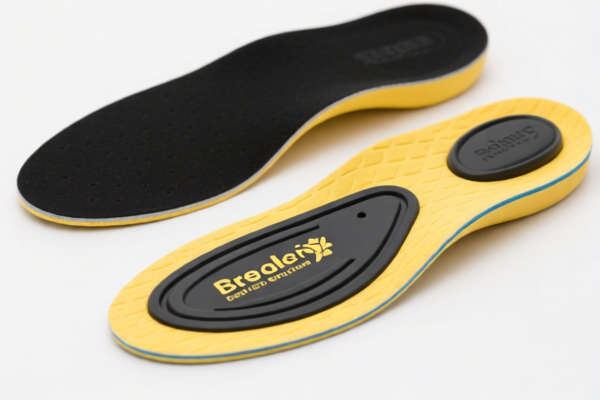
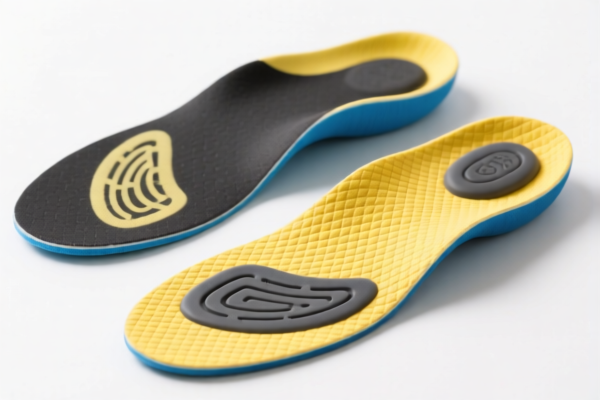
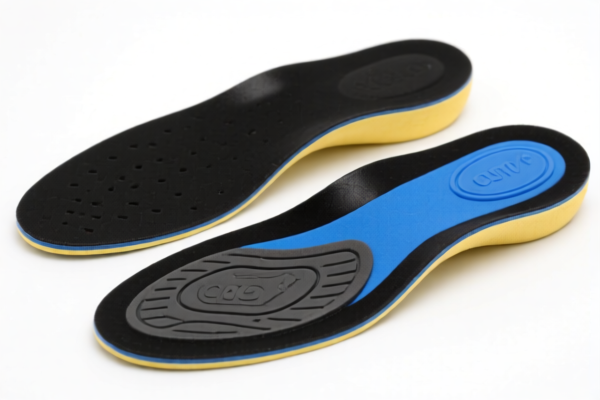
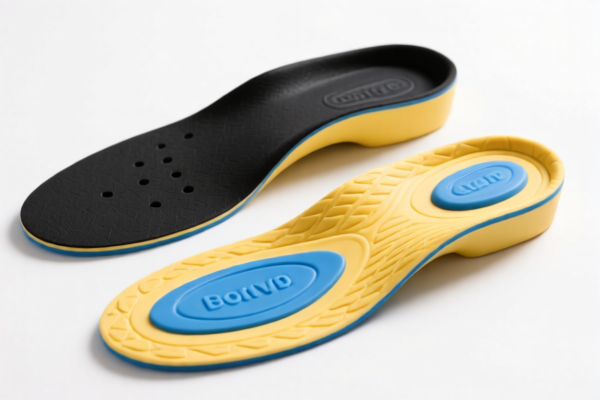
AI Analysis
👟 Gel Arch Support Insoles: Precision Classification & Customs Clearance Guide (2026)
🌐 HS Code Reference & Clearance Strategy | 2026 Latest Tariff Analysis | Professional Compliance Guide
📌 Part 1: Product Definition – What Exactly Are “Gel Arch Support Insoles”?
Gel arch support insoles are specialized footbeds designed to provide structural support, shock absorption, and ergonomic alignment for the foot’s arch. In international trade, their classification depends heavily on function, material, and intended use.
They are generally categorized into two main streams: 1. Medical/Orthopedic Devices: If designed for therapeutic correction of foot deformities, post-surgical recovery, or diagnosed medical conditions. 2. Footwear Accessories: If marketed as general comfort, fashion, or sports enhancement without specific medical claims.
⚠️ Key Distinction Point:
- If the product includes medical labeling, prescription claims, or orthopedic certification → Likely classified under Chapter 90 (Medical Instruments).
- If marketed as general comfort, sports gear, or shoe accessories → Likely classified under Chapter 64 (Footwear Articles).
📦 Part 2: HS Code Classification Matrix (2026 Authorized List)
Based on the provided , here are the five unique HS Codes (with one duplicate removed for clarity) and their logical justifications:
| HS Code | Summary / Rationale | Total Tax Rate | Tax Breakdown (China Origin → US) |
|---|---|---|---|
| 9021.90.81.00 | Orthopedic Accessory: Gel insoles with arch support are classified as orthopedic aids/accessories. This fits the logic of “medical device components” for postural correction. | 10.0% | Base: 0% + Sec 301/122: 10% |
| 9021.10.00.90 | Non-Fixing Orthopedic Appliance: Classified as a supportive appliance that does not involve internal fixation (screws/plates). Falls under “other orthopedic appliances.” | 10.0% | Base: 0% + Sec 301/122: 10% |
| 6406.90.90.00 | Shoe Part – Non-Textile Material: If the gel is encapsulated in non-textile materials (e.g., plastic, rubber, PVC, PU), it is treated as a part of footwear. “Other parts of footwear of other materials.” | 17.5% | Base: 0% + Sec 301/122: 7.5% + IEEPA 122: 10% |
| 6406.90.15.80 | Shoe Part – Textile Material: If the insole has a textile fabric layer (e.g., cloth top cover, mesh backing), it is classified under “parts of footwear of textile materials.” | 32.4% | Base: 14.9% + Sec 301/122: 7.5% + IEEPA 122: 10% |
🔍 Important Note:
- 9021.90.81.00 and 9021.10.00.90 both result in 10.0% total tax.
- 6406.90.90.00 and 6406.90.15.80 fall under footwear parts, with higher tariffs due to Section 301 and IEEPA Section 122 add-ons.
- The duplicate entry for9021.90.81.00in the source data is consolidated here for clarity.
💰 Part 3: Tariff Structure Explained (China → US)
✅ Applicable Jurisdiction: United States (US)
✅ Country of Origin: China (CN)
✅ Effective Date: Post-November 10, 2025 (including subsequent imports)
🎯 Category A: Medical/Orthopedic Classification (9021.xxxx)
1. 9021.90.81.00 – Orthopedic Appliance Parts
- Base Duty: 0%
- Section 301/122 Add-on: 10%
- Total Effective Rate: 10.0%
- De Minimis Eligibility: ❌ No
- Legal Basis:
IEEPA:9903.01.25→USITC:9021.90.81.00- Rationale: The product serves a medical function (arch correction), thus exempt from most footwear duties but subject to targeted China tariffs.
2. 9021.10.00.90 – Other Orthopedic Appliances
- Base Duty: 0%
- Section 301/122 Add-on: 10%
- Total Effective Rate: 10.0%
- De Minimis Eligibility: ❌ No
- Legal Basis:
IEEPA:9903.01.24→USITC:9021.10.00.90- Rationale: Non-fixing supportive devices (e.g., braces, insoles) fall under this “catch-all” for orthopedic aids.
🎯 Category B: Footwear Parts Classification (6406.90.xx)
3. 6406.90.90.00 – Parts of Footwear, Other Materials
- Base Duty: 0%
- Section 301 Add-on: 7.5%
- IEEPA Section 122: 10%
- Total Effective Rate: 17.5%
- De Minimis Eligibility: ❌ No
- Legal Basis:
USITC:6406.90.90.00→FOOTNOTE:9903.88.01- Rationale: If the gel insole is primarily made of plastic/rubber/PU with minimal textile, it is considered a “shoe part” of “other materials.”
4. 6406.90.15.80 – Parts of Footwear, Textile Materials
- Base Duty: 14.9%
- Section 301 Add-on: 7.5%
- IEEPA Section 122: 10%
- Total Effective Rate: 32.4%
- De Minimis Eligibility: ❌ No
- Legal Basis:
USITC:6406.90.15.80→FOOTNOTE:9903.88.01- Rationale: If the insole includes textile fabric (e.g., cotton, polyester top layer), it triggers the higher base duty for textile-based footwear parts.
📌 Critical Insight:
- Medical classification (9021) is highly advantageous (10% vs. 17.5–32.4%).
- To qualify for 9021, the product must be marketed and documented as orthopedic/medical, not just “comfort insoles.”
- Misclassification from 9021 to 6406 can result in doubling or tripling of duty costs.
🛠️ Part 4: Customs Clearance Best Practices (Avoid Costly Errors)
✅ 1. Documentation Checklist (Non-Negotiable)
| Document | Required? | Purpose |
|---|---|---|
| Product Specification Sheet | ✔️ | Must detail material composition (e.g., “90% Polyurethane Gel, 10% Textile Backing”) |
| Intended Use Statement | ✔️ | Explicitly state: “Orthopedic aid for arch support” or “General footwear accessory” |
| Material Breakdown | ✔️ | Crucial for distinguishing between 6406.90.90.00 and 6406.90.15.80 |
| Medical Certification (if applicable) | ✔️ | FDA 510(k), CE MDR, or ISO 13485 to support 9021 classification |
| Commercial Invoice | ✔️ | Must clearly describe item as “Orthopedic Gel Insole” if claiming 9021 |
| Packing List | ✔️ | Confirm no additional non-insole items are included |
✅ 2. Declaration Strategy (Do’s and Don’ts)
| Scenario | Recommended HS Code | Why? |
|---|---|---|
| Medical-grade insoles (with orthopedic claims) | 9021.90.81.00 or 9021.10.00.90 |
Lowest tax (10%), justified by function |
| General comfort insoles (plastic/rubber gel) | 6406.90.90.00 |
Moderate tax (17.5%), accurate for material |
| Textile-backed comfort insoles | 6406.90.15.80 |
Highest tax (32.4%) due to textile component |
| Mix of medical + general insoles in same shipment | Separate Bills of Lading | Do not mix classifications; leads to seizure or audit |
🔥 Pro Tip:
If your product is primarily for medical use, ensure all marketing materials, labels, and invoices reflect “orthopedic” or “medical” language. Customs officers will cross-reference marketing claims with classification.
✅ 3. Common Pitfalls & Penalties
❌ Pitfall 1: Classifying medical insoles as footwear parts
👉 Result: Overpayment of 7.5–22.4% in duties.
👉 Fix: Submit medical certifications and update HS code to 9021.
❌ Pitfall 2: Ignoring textile content in insoles
👉 Result: Incorrectly using 6406.90.90.00 instead of 6406.90.15.80.
👉 Fix: Test material composition; if textile >5%, use 15.80.
❌ Pitfall 3: Using “De Minimis” (Section 321) for insoles
👉 Result: Denied. All 5 HS codes listed have no de minimis eligibility for China-origin goods.
👉 Fix: Plan for full duty payment at border.
❌ Pitfall 4: Mislabeling as “Shoe Insoles” when they are “Orthopedic Appliances”
👉 Result: Customs may downgrade classification, triggering audits or penalties.
👉 Fix: Use precise terminology: “Orthopedic Arch Support Insole” for 9021.
🌍 Part 5: Global Market Comparison (2026)
| Country | Recommended HS Code | Est. Total Duty | Notes |
|---|---|---|---|
| 🇺🇸 USA | 9021.90.81.00 |
10.0% | Lowest rate; requires medical justification |
| 🇺🇸 USA | 6406.90.90.00 |
17.5% | If not medical; non-textile gel |
| 🇪🇺 EU | 9021.90.81 |
~2.0% | Lower base duty; VAT applies (19–25%) |
| 🇨🇳 China | 9021.90.81 |
0% | No import duty; VAT 13% |
| 🇬🇧 UK | 9021.90.81 |
0% | Post-Brexit, similar to EU |
📌 Conclusion:
- USA has the highest effective duty burden for non-medical insoles (up to 32.4%).
- Medical classification (9021) is the gold standard for US imports due to lower tariffs.
- EU/UK favor medical classification with near-zero base duties, but VAT is significant.
📌 Part 6: Actionable Clearance Checklist
- Determine Intent: Is this a medical device or footwear accessory?
- Test Materials: Does the insole contain textile fabric? If yes, avoid 6406.90.90.00.
- Prepare Medical Docs: For 9021 classification, have FDA/CE certificates ready.
- Label Accurately: Use “Orthopedic Insole” not “Shoe Insert” for medical claims.
- Calculate Total Landed Cost: Include 10% (medical) or 17.5–32.4% (footwear) + freight + handling.
- Pre-Ruling Request: Submit to US Customs for Binding Ruling if volume is high.
- Monitor Policy Changes: IEEPA Section 122 rates are subject to adjustment; verify before each shipment.
🎯 Final Takeaway: Precision Classification = Maximum Profit
🔹 Remember:
“Medical = 10%. Footwear = 17.5–32.4%. Textile = 32.4%.”
One word in your invoice can save 22.4% in duties.
📣 Immediate Action Required:
- ✅ Audit your product labels for medical vs. general claims.
- ✅ Verify material composition to avoid textile misclassification.
- ✅ Engage a licensed customs broker to file for a US Customs Binding Ruling before your next shipment.
📌 Pro Tip:
If your insoles are manufactured in Vietnam, India, or Mexico, you may qualify for preferential tariffs under USMCA or GSP programs, potentially reducing duties to 0%. Always check country of origin benefits!
✨ Customs Clearance Starts with Correct Classification
💼 Your Margin Depends on Your HS Code
🚀 Classify Right. Declare Smart. Profit Higher.
Customer Reviews
About HS Code Classification
The Harmonized System (HS) is an internationally standardized nomenclature developed by the World Customs Organization (WCO) to classify traded products. Over 200 countries use the HS system as the basis for customs tariffs, trade statistics, and import/export regulations.
Each HS code follows a hierarchical structure:
- Chapter (2 digits) — Broad category of goods (e.g., Chapter 84: Machinery and Mechanical Appliances)
- Heading (4 digits) — More specific grouping within the chapter
- Subheading (6 digits) — Internationally standardized breakdown, used by all WCO member countries
- National subdivisions (8-10 digits) — Country-specific extensions for further classification, such as US HTSUS 10-digit codes
Correct HS code classification is essential for smooth customs clearance, accurate duty payment, and compliance with trade regulations. Misclassification can lead to customs delays, overpayment of duties, or penalties.
When importing from CN to US, the applicable tariff rates may include:
- Most-Favored-Nation (MFN) rate — The standard duty rate applied to WTO members
- General rate — Applied to countries without trade agreements
- Trade remedy duties — Additional tariffs such as Section 301 (anti-dumping), Section 232 (national security), or countervailing duties
The information provided on this page is for reference purposes only. For official classification, please consult with your local customs authority or a licensed customs broker.