glass bead
CN → US| HS编码 | 关税税率 | 原产国 | 目的国 | 文档 |
|---|---|---|---|---|
| 7117909000 | 28.5% | CN | US | 官方文档 |
| 7018105000 | 35.0% | CN | US | 官方文档 |
| 7018101000 | 39.0% | CN | US | 官方文档 |
| 7018102000 | 35.0% | CN | US | 官方文档 |
| 9602005080 | 20.2% | CN | US | 官方文档 |
商品图片
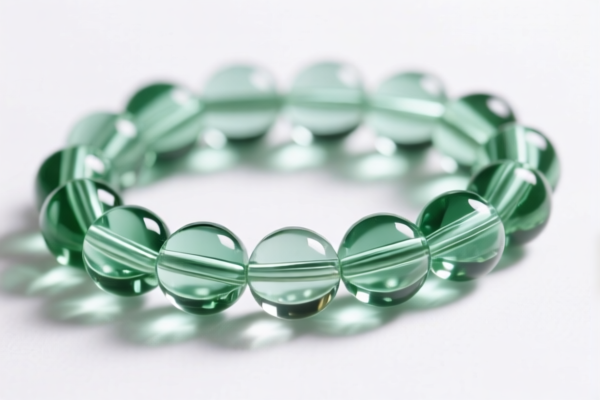
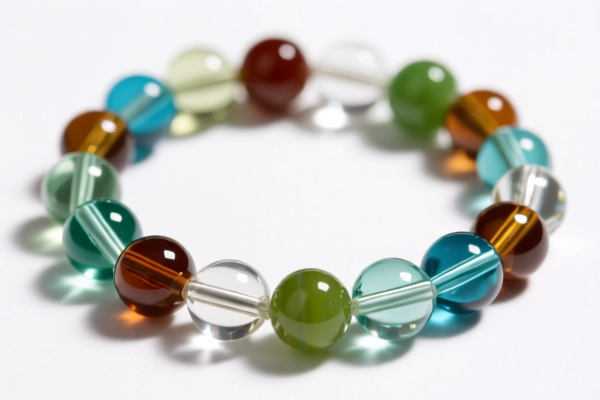
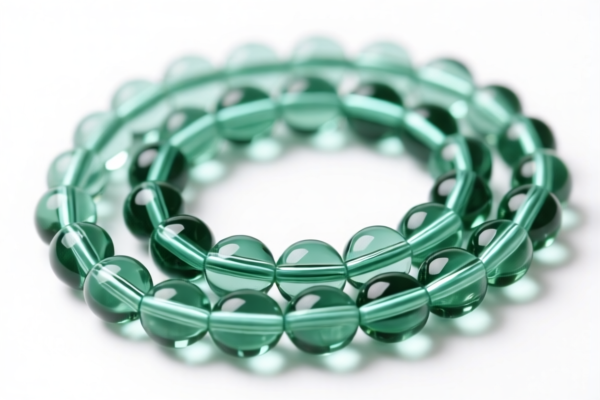
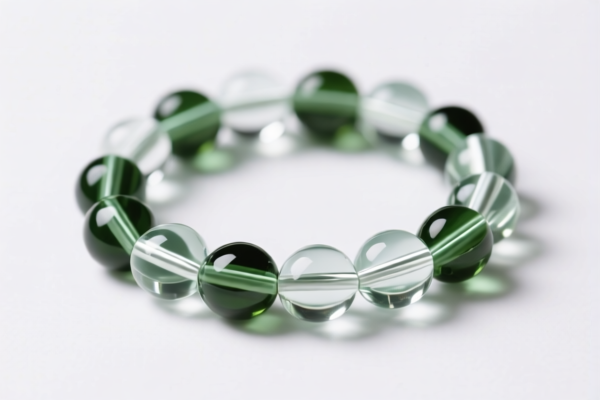
AI分析
📦 Glass Beads: HS Code Classification & Customs Clearance Guide (2026 Update)
🌐 HS Code Reference & Customs Strategy | Detailed Tariff Analysis for US Imports
📌 I. Product Definition: What Are "Glass Beads"?
Glass beads are small, spherical (or shaped) objects made primarily from glass, used for a wide variety of purposes including jewelry making, clothing embellishment, industrial blasting, and decorative arts. In international trade, their classification depends heavily on:
- Material & Form: Pure glass, shape (bead vs. powder vs. crafted item).
- Intended Use: Jewelry components, industrial abrasives, or festive decorations.
- Level of Processing: Raw beads vs. carved/molded decorative items.
⚠️ Key Distinction:
- If used as raw components for jewelry → Typically falls under Chapter 71 (Imitation Jewelry) or Chapter 70 (Glass).
- If used as industrial abrasives → Not covered in the provided data (typically Chapter 31 or 70.17).
- If used as festive decorations → Falls under Chapter 95 (Toys, Games, Sports Equipment).
- If carved/molded as decorative art → May fall under Chapter 96 (Articles of stone, plaster, cement, or glass).
📦 II. HS Code Classification Details (Based on Provided Data)
The following HS Codes are derived from the provided dataset. Each entry includes the rationale, total tax rate, and detailed tax breakdown.
| HS Code | Summary Rationale | Total Tax | Tax Detail Breakdown |
|---|---|---|---|
| 7117.90.90.00 | Imitation jewelry accessory: non-precious metal ornament, decorative loose beads | 28.5% | Base: 11.0%, Add'l: 7.5%, Section 301 (122): 10% |
| 7018.10.50.00 | Glass beads, directly matching glass bead category; material & form fully compliant | 35.0% | Base: 0.0%, Add'l: 25.0%, Section 301 (122): 10% |
| 7018.10.10.00 | Glass material, bead form; fully matches glass small articles definition | 39.0% | Base: 4.0%, Add'l: 25.0%, Section 301 (122): 10% |
| 7018.10.20.00 | Crystal glass beads; glass material & bead form matches glass small articles | 35.0% | Base: 0.0%, Add'l: 25.0%, Section 301 (122): 10% |
| 9602.00.50.80 | Carved/molded glass beads; classified as glass decorative articles | 20.2% | Base: 2.7%, Add'l: 7.5%, Section 301 (122): 10% |
| 9505.10.10.00 | Glass seed beads for decoration; festive/Christmas ornament use | 17.5% | Base: 0.0%, Add'l: 7.5%, Section 301 (122): 10% |
🔍 Key Insight:
- The highest tariff (39.0%) applies to raw glass beads under 7018.10.10.00.
- The lowest tariff (17.5%) applies to decorative glass seed beads used for Christmas/festive purposes under 9505.10.10.00.
- Section 301 (122) tariff of 10% applies uniformly to all entries (China-origin goods).
💰 III. Detailed Tariff Breakdown by HS Code
🎯 1. 7117.90.90.00 – Imitation Jewelry Accessories (28.5%)
| Item | Detail |
|---|---|
| Base Tariff | 11.0% |
| USITC Add'l Tariff | +7.5% |
| IEEPA/Section 301 Tariff | +10% |
| Total Effective Rate | 28.5% |
| Tax Calculation | CIF Value × 28.5% |
| De Minimis Exemption | ❌ Not Eligible (Deny de minimis for China-origin goods) |
| Legal Reference | Section 301 (122) applies to all China-origin glass jewelry components |
📌 Explanation:
This classification treats glass beads as imitation jewelry accessories. The base tariff of 11% reflects the "imitation jewelry" category, while the 7.5% is the USITC add'l tariff. The 10% is the Section 301 tariff on Chinese goods.
🎯 2. 7018.10.50.00 – Glass Beads, General (35.0%)
| Item | Detail |
|---|---|
| Base Tariff | 0.0% |
| USITC Add'l Tariff | +25.0% |
| IEEPA/Section 301 Tariff | +10% |
| Total Effective Rate | 35.0% |
| Tax Calculation | CIF Value × 35.0% |
| De Minimis Exemption | ❌ Not Eligible |
| Legal Reference | USITC Footnote 9903.88.01 applies |
📌 Explanation:
Raw glass beads are classified under Chapter 70. While the base tariff is 0%, the 25% USITC add'l tariff is significant. This is a common pitfall for importers who underestimate the impact of add'l tariffs.
🎯 3. 7018.10.10.00 – Glass Beads, High Tariff (39.0%)
| Item | Detail |
|---|---|
| Base Tariff | 4.0% |
| USITC Add'l Tariff | +25.0% |
| IEEPA/Section 301 Tariff | +10% |
| Total Effective Rate | 39.0% |
| Tax Calculation | CIF Value × 39.0% |
| De Minimis Exemption | ❌ Not Eligible |
| Legal Reference | USITC Footnote 9903.88.01 |
📌 Explanation:
This is the highest tariff bracket for glass beads. The 4% base tariff plus 25% add'l tariff results in a 39% total rate. Importers must carefully avoid this classification if possible.
🎯 4. 7018.10.20.00 – Crystal Glass Beads (35.0%)
| Item | Detail |
|---|---|
| Base Tariff | 0.0% |
| USITC Add'l Tariff | +25.0% |
| IEEPA/Section 301 Tariff | +10% |
| Total Effective Rate | 35.0% |
| Tax Calculation | CIF Value × 35.0% |
| De Minimis Exemption | ❌ Not Eligible |
| Legal Reference | USITC Footnote 9903.88.01 |
📌 Explanation:
Crystal glass beads are treated similarly to general glass beads. The base tariff is 0%, but the 25% add'l tariff makes the total cost high.
🎯 5. 9602.00.50.80 – Carved/Molded Glass Beads (20.2%)
| Item | Detail |
|---|---|
| Base Tariff | 2.7% |
| USITC Add'l Tariff | +7.5% |
| IEEPA/Section 301 Tariff | +10% |
| Total Effective Rate | 20.2% |
| Tax Calculation | CIF Value × 20.2% |
| De Minimis Exemption | ❌ Not Eligible |
| Legal Reference | Section 301 (122) applies |
📌 Explanation:
If glass beads are carved or molded into decorative shapes, they may qualify under Chapter 96. This results in a significantly lower tariff (20.2%) compared to raw glass beads (35–39%). This is a cost-saving classification opportunity.
🎯 6. 9505.10.10.00 – Decorative Glass Seed Beads (17.5%)
| Item | Detail |
|---|---|
| Base Tariff | 0.0% |
| USITC Add'l Tariff | +7.5% |
| IEEPA/Section 301 Tariff | +10% |
| Total Effective Rate | 17.5% |
| Tax Calculation | CIF Value × 17.5% |
| De Minimis Exemption | ❌ Not Eligible |
| Legal Reference | Section 301 (122) applies |
📌 Explanation:
If glass beads are used as Christmas/festive decorations (e.g., glass seed beads for ornamentation), they fall under Chapter 95. This has the lowest tariff (17.5%) among all options. Proper labeling and marketing as "festive decorations" are critical to qualify.
🛠️ IV. Customs Clearance Practical Advice
✅ 1. Essential Documentation Checklist
| Document | Required | Notes |
|---|---|---|
| Product Specification Sheet | ✔️ | Include material (glass), shape, size, intended use |
| Product Photos (Clear) | ✔️ | Show beads, packaging, labels, and any markings |
| Commercial Invoice | ✔️ | Clearly state "Glass Beads" and intended use (e.g., "for jewelry," "for Christmas decorations") |
| Packing List | ✔️ | Detail quantity, weight, and dimensions |
| Certificate of Origin (CO) | ✔️ | If non-China origin, may qualify for lower tariffs |
| Third-Party Test Reports | ✔️ | RoHS, REACH, etc., if applicable for jewelry/decorative use |
📌 Key Tip:
- Intended use must be clearly declared. Misdeclaring decorative beads as jewelry components can lead to higher tariffs or customs penalties.
✅ 2. Classification Strategy (Cost-Saving Tips)
| Scenario | Recommended HS Code | Total Tax | Why? |
|---|---|---|---|
| Raw glass beads for jewelry | 7117.90.90.00 | 28.5% | Cheaper than raw glass classification (35–39%) |
| Raw glass beads for general use | 7018.10.50.00 | 35.0% | Standard glass bead classification |
| Crystal glass beads | 7018.10.20.00 | 35.0% | Slightly cheaper than non-crystal (39%) |
| Carved/molded decorative beads | 9602.00.50.80 | 20.2% | Significant savings if beads are artistic |
| Glass seed beads for Christmas | 9505.10.10.00 | 17.5% | Lowest tariff; must be marketed as festive decorations |
🔥 Golden Rule:
"Use Determines Code; Code Determines Cost!"
- Always align your marketing, labeling, and invoice description with the chosen HS Code.
- For 9505.10.10.00, explicitly state "For Christmas/Festive Decorations" on the invoice and packaging.
✅ 3. Common Pitfalls & How to Avoid Them
| ❌ Mistake | ✅ Correct Approach |
|---|---|
| Declaring glass beads as "raw materials" without specifying use | Specify intended use: "For jewelry assembly" or "For Christmas decoration" |
| Misdeclaring carved beads as raw beads | Provide photos showing carved/molded features; use 9602.00.50.80 |
| Ignoring Section 301 tariffs | Remember: 10% additional tax applies to all China-origin glass beads |
| Assuming de minimis exemption applies | ❌ No de minimis for China-origin goods under Section 301 |
🌍 V. Global Customs Comparison (2026 Update)
| Country/Region | Recommended HS Code | Tariff Rate | Key Requirements |
|---|---|---|---|
| 🇺🇸 United States | 9505.10.10.00 (if festive) or 7117.90.90.00 (jewelry) | 17.5%–39% | Section 301 (10%) applies; de minimis denied |
| 🇨🇳 China | Same HS Codes | 5%–10% | No additional tariffs for domestic trade |
| 🇪🇺 European Union | 7018.10 or 7117 | 0%–6.5% | CE marking may be required for decorative items |
| 🇬🇧 United Kingdom | 7018.10 or 7117 | 0%–6.5% | UKCA marking may be required |
| 🇯🇵 Japan | 7018.10 or 7117 | 0%–5% | No additional tariffs |
📌 Conclusion:
- The US market imposes the highest tariffs due to Section 301 and USITC add'l tariffs.
- Other markets have significantly lower or zero tariffs for glass beads.
- Strategic recommendation: If exporting to the US, consider reclassifying as festive decorations (9505.10.10.00) or carved decorative items (9602.00.50.80) to reduce costs.
📌 VI. Summary & Action Plan
🔹 Key Takeaways:
- Tariff Range: 17.5% to 39% for US imports from China.
- Lowest Tariff: 9505.10.10.00 (17.5%) for festive decorations.
- Highest Tariff: 7018.10.10.00 (39.0%) for raw glass beads.
- Section 301: 10% additional tax applies to all China-origin goods.
- No De Minimis Exemption: All shipments subject to full tariff calculation.
🔹 Action Plan:
- Determine Intended Use: Jewelry, decoration, or industrial?
- Select Optimal HS Code: Choose the lowest applicable tariff.
- Prepare Documentation: Ensure invoice and labeling match the HS Code.
- Consult Customs Broker: Verify classification before shipment.
- Monitor Policy Changes: Section 301 tariffs may change; stay updated.
🎯 Final Reminder:
🔥 "Classify Correctly, Declare Clearly, Save Significantly!"
🔹 HS Code = Cost Multiplier
🔹 One Wrong Digit = Thousands in Extra Duties
📞 Next Steps:
- Engage a licensed customs broker for pre-shipment classification review.
- Request an Advance Ruling from US CBP if uncertain.
- Keep detailed records of product specifications and intended use.
✨ Professional Clearance Starts with Accurate Classification!
💼 Your Bottom Line Depends on the Digits!
用户评价
关于 HS 编码归类
协调制度(HS)是由世界海关组织(WCO)制定的国际贸易商品分类标准。全球 200 多个国家采用 HS 系统作为海关关税、贸易统计和进出口监管的基础。
每个 HS 编码遵循以下层级结构:
- 章(2 位)——商品大类(例如:第 84 章:机器和机械设备)
- 品目(4 位)——章内的更具体分类
- 子目(6 位)——国际通用细分,所有 WCO 成员国统一使用
- 本国细分(8-10 位)——各国自行扩展的细分编码,如美国 HTSUS 10 位编码
正确的 HS 编码归类对于顺利通关、准确缴纳关税和遵守贸易法规至关重要。错误归类可能导致海关延误、多缴关税或罚款。
从CN进口到US时,适用的关税税率可能包括:
- 最惠国(MFN)税率——适用于 WTO 成员国的标准关税税率
- 普通税率——适用于无贸易协定国家
- 贸易救济关税——附加关税,如 301 条款(反倾销)、232 条款(国家安全)或反补贴税
本页内容仅供参考。如需正式归类,请咨询当地海关或持牌报关代理。