glass bead
CN → US| HS Code | Tariff Rate | Origin | Destination | Doc |
|---|---|---|---|---|
| 7117909000 | 28.5% | CN | US | Official Doc |
| 7018105000 | 35.0% | CN | US | Official Doc |
| 7018101000 | 39.0% | CN | US | Official Doc |
| 7018102000 | 35.0% | CN | US | Official Doc |
| 9602005080 | 20.2% | CN | US | Official Doc |
Product Images
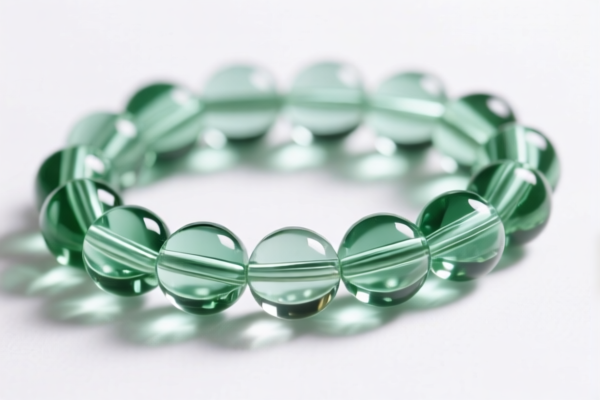
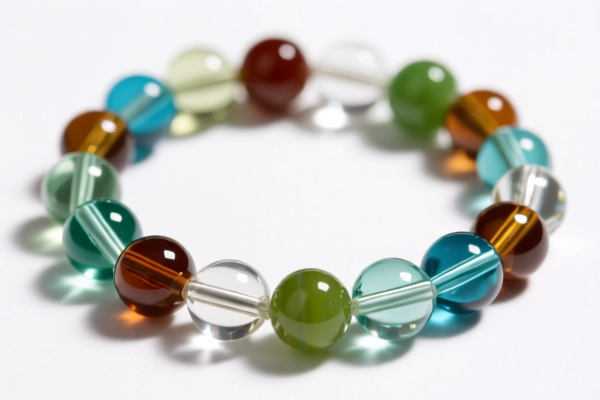
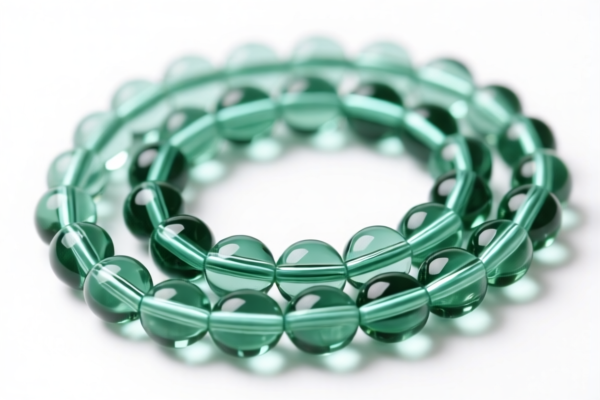
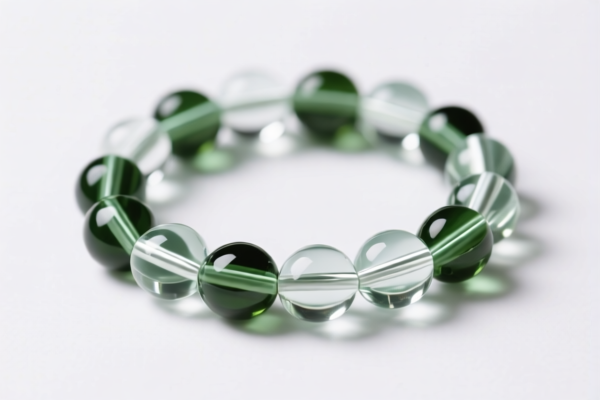
AI Analysis
📦 Glass Beads: HS Code Classification & Customs Clearance Guide (2026 Update)
🌐 HS Code Reference & Customs Strategy | Detailed Tariff Analysis for US Imports
📌 I. Product Definition: What Are "Glass Beads"?
Glass beads are small, spherical (or shaped) objects made primarily from glass, used for a wide variety of purposes including jewelry making, clothing embellishment, industrial blasting, and decorative arts. In international trade, their classification depends heavily on:
- Material & Form: Pure glass, shape (bead vs. powder vs. crafted item).
- Intended Use: Jewelry components, industrial abrasives, or festive decorations.
- Level of Processing: Raw beads vs. carved/molded decorative items.
⚠️ Key Distinction:
- If used as raw components for jewelry → Typically falls under Chapter 71 (Imitation Jewelry) or Chapter 70 (Glass).
- If used as industrial abrasives → Not covered in the provided data (typically Chapter 31 or 70.17).
- If used as festive decorations → Falls under Chapter 95 (Toys, Games, Sports Equipment).
- If carved/molded as decorative art → May fall under Chapter 96 (Articles of stone, plaster, cement, or glass).
📦 II. HS Code Classification Details (Based on Provided Data)
The following HS Codes are derived from the provided dataset. Each entry includes the rationale, total tax rate, and detailed tax breakdown.
| HS Code | Summary Rationale | Total Tax | Tax Detail Breakdown |
|---|---|---|---|
| 7117.90.90.00 | Imitation jewelry accessory: non-precious metal ornament, decorative loose beads | 28.5% | Base: 11.0%, Add'l: 7.5%, Section 301 (122): 10% |
| 7018.10.50.00 | Glass beads, directly matching glass bead category; material & form fully compliant | 35.0% | Base: 0.0%, Add'l: 25.0%, Section 301 (122): 10% |
| 7018.10.10.00 | Glass material, bead form; fully matches glass small articles definition | 39.0% | Base: 4.0%, Add'l: 25.0%, Section 301 (122): 10% |
| 7018.10.20.00 | Crystal glass beads; glass material & bead form matches glass small articles | 35.0% | Base: 0.0%, Add'l: 25.0%, Section 301 (122): 10% |
| 9602.00.50.80 | Carved/molded glass beads; classified as glass decorative articles | 20.2% | Base: 2.7%, Add'l: 7.5%, Section 301 (122): 10% |
| 9505.10.10.00 | Glass seed beads for decoration; festive/Christmas ornament use | 17.5% | Base: 0.0%, Add'l: 7.5%, Section 301 (122): 10% |
🔍 Key Insight:
- The highest tariff (39.0%) applies to raw glass beads under 7018.10.10.00.
- The lowest tariff (17.5%) applies to decorative glass seed beads used for Christmas/festive purposes under 9505.10.10.00.
- Section 301 (122) tariff of 10% applies uniformly to all entries (China-origin goods).
💰 III. Detailed Tariff Breakdown by HS Code
🎯 1. 7117.90.90.00 – Imitation Jewelry Accessories (28.5%)
| Item | Detail |
|---|---|
| Base Tariff | 11.0% |
| USITC Add'l Tariff | +7.5% |
| IEEPA/Section 301 Tariff | +10% |
| Total Effective Rate | 28.5% |
| Tax Calculation | CIF Value × 28.5% |
| De Minimis Exemption | ❌ Not Eligible (Deny de minimis for China-origin goods) |
| Legal Reference | Section 301 (122) applies to all China-origin glass jewelry components |
📌 Explanation:
This classification treats glass beads as imitation jewelry accessories. The base tariff of 11% reflects the "imitation jewelry" category, while the 7.5% is the USITC add'l tariff. The 10% is the Section 301 tariff on Chinese goods.
🎯 2. 7018.10.50.00 – Glass Beads, General (35.0%)
| Item | Detail |
|---|---|
| Base Tariff | 0.0% |
| USITC Add'l Tariff | +25.0% |
| IEEPA/Section 301 Tariff | +10% |
| Total Effective Rate | 35.0% |
| Tax Calculation | CIF Value × 35.0% |
| De Minimis Exemption | ❌ Not Eligible |
| Legal Reference | USITC Footnote 9903.88.01 applies |
📌 Explanation:
Raw glass beads are classified under Chapter 70. While the base tariff is 0%, the 25% USITC add'l tariff is significant. This is a common pitfall for importers who underestimate the impact of add'l tariffs.
🎯 3. 7018.10.10.00 – Glass Beads, High Tariff (39.0%)
| Item | Detail |
|---|---|
| Base Tariff | 4.0% |
| USITC Add'l Tariff | +25.0% |
| IEEPA/Section 301 Tariff | +10% |
| Total Effective Rate | 39.0% |
| Tax Calculation | CIF Value × 39.0% |
| De Minimis Exemption | ❌ Not Eligible |
| Legal Reference | USITC Footnote 9903.88.01 |
📌 Explanation:
This is the highest tariff bracket for glass beads. The 4% base tariff plus 25% add'l tariff results in a 39% total rate. Importers must carefully avoid this classification if possible.
🎯 4. 7018.10.20.00 – Crystal Glass Beads (35.0%)
| Item | Detail |
|---|---|
| Base Tariff | 0.0% |
| USITC Add'l Tariff | +25.0% |
| IEEPA/Section 301 Tariff | +10% |
| Total Effective Rate | 35.0% |
| Tax Calculation | CIF Value × 35.0% |
| De Minimis Exemption | ❌ Not Eligible |
| Legal Reference | USITC Footnote 9903.88.01 |
📌 Explanation:
Crystal glass beads are treated similarly to general glass beads. The base tariff is 0%, but the 25% add'l tariff makes the total cost high.
🎯 5. 9602.00.50.80 – Carved/Molded Glass Beads (20.2%)
| Item | Detail |
|---|---|
| Base Tariff | 2.7% |
| USITC Add'l Tariff | +7.5% |
| IEEPA/Section 301 Tariff | +10% |
| Total Effective Rate | 20.2% |
| Tax Calculation | CIF Value × 20.2% |
| De Minimis Exemption | ❌ Not Eligible |
| Legal Reference | Section 301 (122) applies |
📌 Explanation:
If glass beads are carved or molded into decorative shapes, they may qualify under Chapter 96. This results in a significantly lower tariff (20.2%) compared to raw glass beads (35–39%). This is a cost-saving classification opportunity.
🎯 6. 9505.10.10.00 – Decorative Glass Seed Beads (17.5%)
| Item | Detail |
|---|---|
| Base Tariff | 0.0% |
| USITC Add'l Tariff | +7.5% |
| IEEPA/Section 301 Tariff | +10% |
| Total Effective Rate | 17.5% |
| Tax Calculation | CIF Value × 17.5% |
| De Minimis Exemption | ❌ Not Eligible |
| Legal Reference | Section 301 (122) applies |
📌 Explanation:
If glass beads are used as Christmas/festive decorations (e.g., glass seed beads for ornamentation), they fall under Chapter 95. This has the lowest tariff (17.5%) among all options. Proper labeling and marketing as "festive decorations" are critical to qualify.
🛠️ IV. Customs Clearance Practical Advice
✅ 1. Essential Documentation Checklist
| Document | Required | Notes |
|---|---|---|
| Product Specification Sheet | ✔️ | Include material (glass), shape, size, intended use |
| Product Photos (Clear) | ✔️ | Show beads, packaging, labels, and any markings |
| Commercial Invoice | ✔️ | Clearly state "Glass Beads" and intended use (e.g., "for jewelry," "for Christmas decorations") |
| Packing List | ✔️ | Detail quantity, weight, and dimensions |
| Certificate of Origin (CO) | ✔️ | If non-China origin, may qualify for lower tariffs |
| Third-Party Test Reports | ✔️ | RoHS, REACH, etc., if applicable for jewelry/decorative use |
📌 Key Tip:
- Intended use must be clearly declared. Misdeclaring decorative beads as jewelry components can lead to higher tariffs or customs penalties.
✅ 2. Classification Strategy (Cost-Saving Tips)
| Scenario | Recommended HS Code | Total Tax | Why? |
|---|---|---|---|
| Raw glass beads for jewelry | 7117.90.90.00 | 28.5% | Cheaper than raw glass classification (35–39%) |
| Raw glass beads for general use | 7018.10.50.00 | 35.0% | Standard glass bead classification |
| Crystal glass beads | 7018.10.20.00 | 35.0% | Slightly cheaper than non-crystal (39%) |
| Carved/molded decorative beads | 9602.00.50.80 | 20.2% | Significant savings if beads are artistic |
| Glass seed beads for Christmas | 9505.10.10.00 | 17.5% | Lowest tariff; must be marketed as festive decorations |
🔥 Golden Rule:
"Use Determines Code; Code Determines Cost!"
- Always align your marketing, labeling, and invoice description with the chosen HS Code.
- For 9505.10.10.00, explicitly state "For Christmas/Festive Decorations" on the invoice and packaging.
✅ 3. Common Pitfalls & How to Avoid Them
| ❌ Mistake | ✅ Correct Approach |
|---|---|
| Declaring glass beads as "raw materials" without specifying use | Specify intended use: "For jewelry assembly" or "For Christmas decoration" |
| Misdeclaring carved beads as raw beads | Provide photos showing carved/molded features; use 9602.00.50.80 |
| Ignoring Section 301 tariffs | Remember: 10% additional tax applies to all China-origin glass beads |
| Assuming de minimis exemption applies | ❌ No de minimis for China-origin goods under Section 301 |
🌍 V. Global Customs Comparison (2026 Update)
| Country/Region | Recommended HS Code | Tariff Rate | Key Requirements |
|---|---|---|---|
| 🇺🇸 United States | 9505.10.10.00 (if festive) or 7117.90.90.00 (jewelry) | 17.5%–39% | Section 301 (10%) applies; de minimis denied |
| 🇨🇳 China | Same HS Codes | 5%–10% | No additional tariffs for domestic trade |
| 🇪🇺 European Union | 7018.10 or 7117 | 0%–6.5% | CE marking may be required for decorative items |
| 🇬🇧 United Kingdom | 7018.10 or 7117 | 0%–6.5% | UKCA marking may be required |
| 🇯🇵 Japan | 7018.10 or 7117 | 0%–5% | No additional tariffs |
📌 Conclusion:
- The US market imposes the highest tariffs due to Section 301 and USITC add'l tariffs.
- Other markets have significantly lower or zero tariffs for glass beads.
- Strategic recommendation: If exporting to the US, consider reclassifying as festive decorations (9505.10.10.00) or carved decorative items (9602.00.50.80) to reduce costs.
📌 VI. Summary & Action Plan
🔹 Key Takeaways:
- Tariff Range: 17.5% to 39% for US imports from China.
- Lowest Tariff: 9505.10.10.00 (17.5%) for festive decorations.
- Highest Tariff: 7018.10.10.00 (39.0%) for raw glass beads.
- Section 301: 10% additional tax applies to all China-origin goods.
- No De Minimis Exemption: All shipments subject to full tariff calculation.
🔹 Action Plan:
- Determine Intended Use: Jewelry, decoration, or industrial?
- Select Optimal HS Code: Choose the lowest applicable tariff.
- Prepare Documentation: Ensure invoice and labeling match the HS Code.
- Consult Customs Broker: Verify classification before shipment.
- Monitor Policy Changes: Section 301 tariffs may change; stay updated.
🎯 Final Reminder:
🔥 "Classify Correctly, Declare Clearly, Save Significantly!"
🔹 HS Code = Cost Multiplier
🔹 One Wrong Digit = Thousands in Extra Duties
📞 Next Steps:
- Engage a licensed customs broker for pre-shipment classification review.
- Request an Advance Ruling from US CBP if uncertain.
- Keep detailed records of product specifications and intended use.
✨ Professional Clearance Starts with Accurate Classification!
💼 Your Bottom Line Depends on the Digits!
Customer Reviews
About HS Code Classification
The Harmonized System (HS) is an internationally standardized nomenclature developed by the World Customs Organization (WCO) to classify traded products. Over 200 countries use the HS system as the basis for customs tariffs, trade statistics, and import/export regulations.
Each HS code follows a hierarchical structure:
- Chapter (2 digits) — Broad category of goods (e.g., Chapter 84: Machinery and Mechanical Appliances)
- Heading (4 digits) — More specific grouping within the chapter
- Subheading (6 digits) — Internationally standardized breakdown, used by all WCO member countries
- National subdivisions (8-10 digits) — Country-specific extensions for further classification, such as US HTSUS 10-digit codes
Correct HS code classification is essential for smooth customs clearance, accurate duty payment, and compliance with trade regulations. Misclassification can lead to customs delays, overpayment of duties, or penalties.
When importing from CN to US, the applicable tariff rates may include:
- Most-Favored-Nation (MFN) rate — The standard duty rate applied to WTO members
- General rate — Applied to countries without trade agreements
- Trade remedy duties — Additional tariffs such as Section 301 (anti-dumping), Section 232 (national security), or countervailing duties
The information provided on this page is for reference purposes only. For official classification, please consult with your local customs authority or a licensed customs broker.