gray + blue soap dish
CN → US| HS编码 | 关税税率 | 原产国 | 目的国 | 文档 |
|---|---|---|---|---|
| 3924905650 | 20.9% | CN | US | 官方文档 |
| 6912004810 | 19.8% | CN | US | 官方文档 |
| 6912004890 | 19.8% | CN | US | 官方文档 |
| 7323999030 | 88.4% | CN | US | 官方文档 |
| 3924104000 | 13.4% | CN | US | 官方文档 |
商品图片


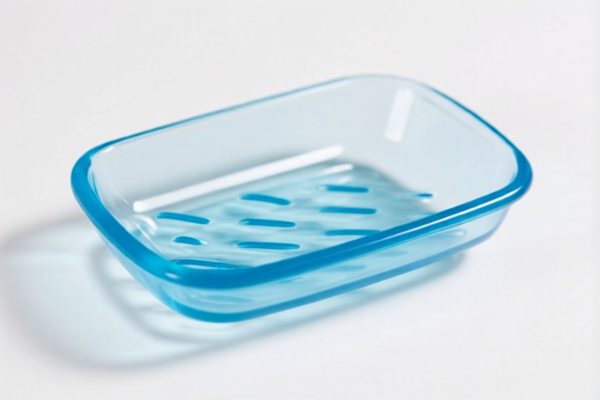
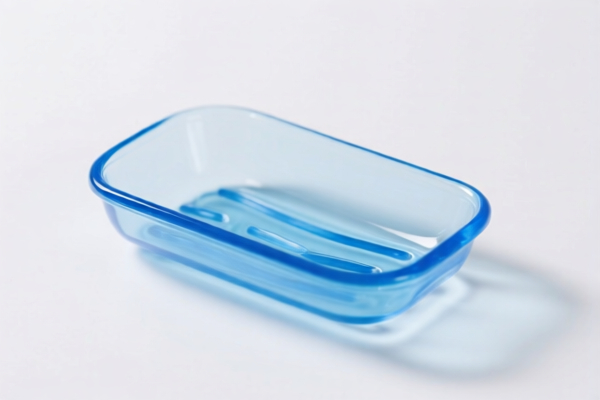
AI分析
🧼 Gray + Blue Soap Dish
🌐 HS Code Reference & Customs Clearance Guide | 2026 Latest Tariff Analysis | Professional Customs Strategy
📌 Part 1: Product Definition & Classification: What Exactly Is a "Soap Dish"?
A soap dish, in international trade, is a small holder used to support a bar of soap during use. While seemingly simple, its material composition determines its HS Code classification and, consequently, the tariff rate. The "Gray + Blue" color description is purely aesthetic and does not influence the HS code; only the base material matters.
Based on the provided data, soap dishes are primarily categorized by material: Plastic, Ceramic/Non-Metallic, and Iron/Steel.
⚠️ Key Distinction Point:
- If the soap dish is made of plastic (hard or soft), it falls under Chapter 39.
- If it is made of ceramic, porcelain, or glass, it falls under Chapter 69.
- If it is made of iron or steel (often stainless steel), it falls under Chapter 73.
- Color (Gray/Blue) is irrelevant for tariff classification but must be clearly stated in the commercial invoice to avoid ambiguity.
📦 Part 2: HS Code Classification Details (2026 Latest Tariff Authority Comparison)
Below are the specific HS Codes mapped to the material of your Gray + Blue Soap Dish.
| HS Code | Product Description | Material Type | Typical Use Case |
|---|---|---|---|
3924.90.56.50 |
Plastic soap dish, for sanitary articles | Plastic | General bathroom use, often molded plastic |
3924.10.40.00 |
Plastic soap dish, tableware & household items | Plastic | Kitchen or bathroom, often part of a plastic set |
6912.00.48.10 |
Ceramic or non-metallic soap dish, for food/beverage contact | Ceramic/Non-Metallic | High-end bathroom, food-safe grade (rare for soap) |
6912.00.48.90 |
Non-porcelain soap dish, toilet articles | Ceramic/Non-Metallic | Standard ceramic or glass soap dish |
7323.99.90.30 |
Iron or steel soap dish, kitchen/tableware | Iron/Steel | Stainless steel holder, rust-resistant |
🔍 Critical Note:
- Plastic vs. Ceramic: Misclassifying a plastic dish as ceramic (or vice versa) leads to incorrect duty calculations.
- Steel vs. Plastic: Steel soap dishes often have much higher tariffs due to Section 301 and other trade remedies.
- Food Contact:6912.00.48.10mentions "food or beverage contact." Most soap dishes are for hygiene (non-food), so6912.00.48.90is more common for ceramics.
💰 Part 3: 2026 Latest Tariff Rate Breakdown (Including Surcharges & Policy Add-ons)
✅ Applicable Country: United States (US)
✅ Origin: China (CN)
✅ Effective Time: Current rates apply (based on provided data)
🎯 1. 3924.90.56.50 & 3924.10.40.00 —— Plastic Soap Dishes
| Item | Content |
|---|---|
| Base Duty Rate | 3.4% (ad valorem) |
| Additional Duty (Section 301/Retaliatory) | 0.0% - 7.5% (depending on specific sub-category) |
| Section 122 Duty | +10% (Specific surcharge for plastic articles) |
| Total Effective Tax Rate | 13.4% (for 3924.10.40.00) 20.9% (for 3924.90.56.50) |
| Tax Calculation | CIF Value × Total Rate |
| De Minimis Eligibility | ❌ No (Subject to full duty) |
| Legal Basis Path | Base Rate + Additional Duty + Section 122: 10% |
📌 Explanation:
-3924.10.40.00is more favorable (13.4%) as it may be classified under "tableware/household items" with 0% additional duty.
-3924.90.56.50incurs a 7.5% additional duty, bringing the total to 20.9%.
- Section 122 (10%) is a fixed surcharge on plastic articles.
- Recommendation: If the design allows, aim for classification under3924.10.40.00to save 7.5% in duties.
🎯 2. 6912.00.48.10 & 6912.00.48.90 —— Ceramic/Non-Metallic Soap Dishes
| Item | Content |
|---|---|
| Base Duty Rate | 9.8% |
| Additional Duty | 0.0% |
| Section 122 Duty | +10% |
| Total Effective Tax Rate | 19.8% |
| Tax Calculation | CIF Value × 19.8% |
| De Minimis Eligibility | ❌ No |
| Legal Basis Path | Base Rate: 9.8% + Section 122: 10% |
📌 Explanation:
- Ceramic dishes have a higher base rate (9.8%) compared to plastic (3.4%), but they avoid the 7.5% additional duty seen in some plastic categories.
- The total tax is 19.8%, which is slightly lower than the worst-case plastic rate (20.9%) but higher than the best-case plastic rate (13.4%).
- Note:6912.00.48.10and6912.00.48.90have identical tax rates (19.8%). The distinction is for regulatory/food safety purposes, not cost.
🎯 3. 7323.99.90.30 —— Iron/Steel Soap Dishes
| Item | Content |
|---|---|
| Base Duty Rate | 3.4% |
| Additional Duty (Section 301) | +25.0% |
| Section 122 Duty | +10% |
| Steel/Aluminum/Copper Surcharge | +50% (Note: Data indicates "Steel, aluminum, copper products add 50%") |
| Total Effective Tax Rate | 88.4% |
| Tax Calculation | CIF Value × 88.4% |
| De Minimis Eligibility | ❌ No |
| Legal Basis Path | Base: 3.4% + Section 301: 25% + Section 122: 10% + Steel Surcharge: 50% |
📌 Explanation:
- ⚠️ HIGH TARIFF ALERT: Steel soap dishes are subject to a massive 88.4% total tax.
- The 50% surcharge on steel products is the primary driver.
- Recommendation: AVOID classifying gray/blue soap dishes as steel unless there is a compelling reason. The cost impact is prohibitive.
🛠️ Part 4: Customs Clearance Practical Advice (Battle-Tested Pitfall Guide)
✅ 1. Material Verification is Key
| Material | Correct HS Code Range | Common Mistake | Consequence |
|---|---|---|---|
| Plastic | 3924.10.40.00 / 3924.90.56.50 |
Mislabeling as "Resin" or "Ceramic" | Delayed clearance, audit |
| Ceramic | 6912.00.48.10 / 6912.00.48.90 |
Calling it "Porcelain" without specifying | Higher base rate if misclassified |
| Steel | 7323.99.90.30 |
Calling it "Metal" vaguely | 88.4% Tax! |
🔥 Golden Rule:
"Material defines the code, not the color. Gray + Blue is just a color; Plastic is 13.4%-20.9%, Ceramic is 19.8%, Steel is 88.4%."
✅ 2. Documentation Checklist (Non-Negotiable)
| Document | Required? | Notes |
|---|---|---|
| ✅ Commercial Invoice | ✔️ | Must state: "Soap Dish," Material (e.g., "ABS Plastic" or "Ceramic"), Color: "Gray/Blue" |
| ✅ Product Photos | ✔️ | Clear image of the item to confirm material appearance |
| ✅ Specification Sheet | ✔️ | Confirm no metal components if claiming plastic/ceramic |
| ✅ Packing List | ✔️ | Quantity, Weight, Dimensions |
| ✅ Country of Origin Certificate | ✔️ | If not China, may qualify for lower rates (but data provided is for China origin) |
✅ 3. Special Scenarios & Handling
| Scenario | Handling Advice |
|---|---|
| Mixed Material (Plastic Base + Steel Rack) | If >50% value is steel, or if steel is essential to function, it may be classified as steel (7323...). Risk: 88.4% tax. Solution: Design with plastic/rubber coating on steel to argue for plastic/ceramic classification. |
| Gift Set (Soap Dish + Soap + Towel) | If packaged together, the essential character determines classification. Usually, the soap dish dominates if it’s the main item. However, if soap is included, ensure it’s clearly a set. |
| "Food Contact" Claim | Only use 6912.00.48.10 if the product is explicitly certified for food contact (rare for soap dishes). Otherwise, use 6912.00.48.90 to avoid regulatory scrutiny. |
| Color Accuracy | Ensure "Gray + Blue" is not misleading. If it’s actually "Steel with Blue Coating," it may be reclassified as steel. |
🌍 Part 5: Global Market Comparison (2026 Latest)
| Market | Recommended HS Code (Plastic) | Est. Tax Rate (China Origin) | Notes |
|---|---|---|---|
| 🇺🇸 USA | 3924.10.40.00 |
13.4% (Best) / 20.9% | High surcharges on plastics and steel |
| 🇨🇳 China | 3924.10.40.00 |
9.8% | No Section 122 or 301 |
| 🇪🇺 EU | 3924.10.00 |
6.5% | Lower base duties, no Section 122 equivalent |
| 🇬🇧 UK | 3924.10.00 |
6.5% | Post-Brexit, similar to EU |
| 🇦🇺 Australia | 3924.10.00 |
5.0% | No additional surcharges |
📌 Conclusion:
- The USA has the most complex and high tariff structure for soap dishes due to Section 301 and Section 122.
- Plastic is generally the most cost-effective material for export to the US.
- Steel should be avoided for soap dishes due to the 88.4% tax.
📌 Part 6: Common Errors & Pitfalls (Blood-Tested Lessons)
❌ Error 1: Classifying a plastic soap dish as ceramic
👉 Result: Higher base tax (9.8% vs 3.4%) but same Section 122 (10%). Total 19.8% vs 13.4%. Loss of $0.06/unit.
❌ Error 2: Classifying a steel soap dish as plastic (due to blue coating)
👉 Result: Audit triggered. Customs will require proof of material. If proven steel, back-taxes of ~75% + penalties. Catastrophic.
❌ Error 3: Ignoring Section 122 (10%)
👉 Result: Underestimating total landed cost. Every plastic and ceramic item has this 10% surcharge in the US. Factor it into pricing.
❌ Error 4: Vague Description: "Soap Holder"
👉 Result: Customs may classify under general "plastic articles" or "other" codes, leading to higher discretionary rates. Be specific.
✅ Correct Declaration Example:
"Plastic Soap Dish, ABS Material, Gray with Blue Accents, for Bathroom Use, Model SD-2026"
HS Code:3924.10.40.00
Duty: 13.4%
🎯 Part 7: Conclusion: Precision Saves Money!
🎯 Remember the Mantra:
🔹 "Plastic is 13.4%-20.9%, Ceramic is 19.8%, Steel is 88.4%."
🔹 "Color doesn't matter, Material does. Gray/Blue is just a label."
🔹 "Section 122 is 10% for Plastic & Ceramic. Don't forget it."
📌 Pro Tip:
- For Plastic: Try to fit
3924.10.40.00(13.4%) rather than3924.90.56.50(20.9%) by ensuring it’s marketed as "tableware/household item."- For Steel: Avoid unless the customer insists. The 88.4% tax is a deal-breaker.
- Pre-Ruling: If unsure, apply for a Customs Ruling from CBP to confirm the HS Code for your specific "Gray + Blue" design.
📣 Immediate Action:
📞 Confirm Material with your manufacturer.
📄 Update Invoice with precise description.
🧮 Calculate Landed Cost using the correct HS Code.
✨ Professional Clearance Starts with Accurate Classification!
💼 Every percentage point saved is pure profit!
用户评价
关于 HS 编码归类
协调制度(HS)是由世界海关组织(WCO)制定的国际贸易商品分类标准。全球 200 多个国家采用 HS 系统作为海关关税、贸易统计和进出口监管的基础。
每个 HS 编码遵循以下层级结构:
- 章(2 位)——商品大类(例如:第 84 章:机器和机械设备)
- 品目(4 位)——章内的更具体分类
- 子目(6 位)——国际通用细分,所有 WCO 成员国统一使用
- 本国细分(8-10 位)——各国自行扩展的细分编码,如美国 HTSUS 10 位编码
正确的 HS 编码归类对于顺利通关、准确缴纳关税和遵守贸易法规至关重要。错误归类可能导致海关延误、多缴关税或罚款。
从CN进口到US时,适用的关税税率可能包括:
- 最惠国(MFN)税率——适用于 WTO 成员国的标准关税税率
- 普通税率——适用于无贸易协定国家
- 贸易救济关税——附加关税,如 301 条款(反倾销)、232 条款(国家安全)或反补贴税
本页内容仅供参考。如需正式归类,请咨询当地海关或持牌报关代理。