gray + blue soap dish
CN → US| HS Code | Tariff Rate | Origin | Destination | Doc |
|---|---|---|---|---|
| 3924905650 | 20.9% | CN | US | Official Doc |
| 6912004810 | 19.8% | CN | US | Official Doc |
| 6912004890 | 19.8% | CN | US | Official Doc |
| 7323999030 | 88.4% | CN | US | Official Doc |
| 3924104000 | 13.4% | CN | US | Official Doc |
Product Images


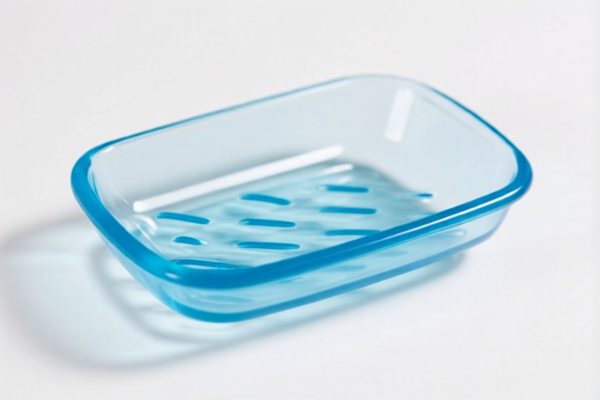
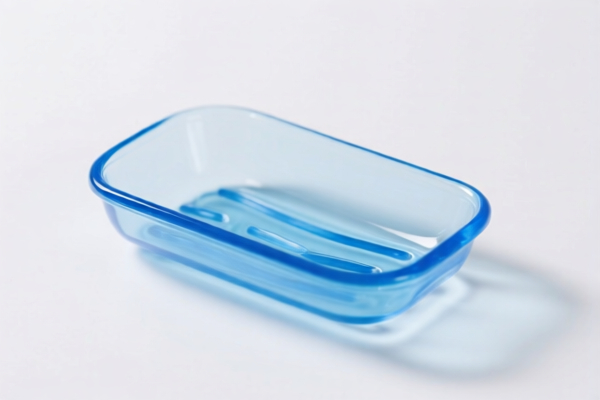
AI Analysis
🧼 Gray + Blue Soap Dish
🌐 HS Code Reference & Customs Clearance Guide | 2026 Latest Tariff Analysis | Professional Customs Strategy
📌 Part 1: Product Definition & Classification: What Exactly Is a "Soap Dish"?
A soap dish, in international trade, is a small holder used to support a bar of soap during use. While seemingly simple, its material composition determines its HS Code classification and, consequently, the tariff rate. The "Gray + Blue" color description is purely aesthetic and does not influence the HS code; only the base material matters.
Based on the provided data, soap dishes are primarily categorized by material: Plastic, Ceramic/Non-Metallic, and Iron/Steel.
⚠️ Key Distinction Point:
- If the soap dish is made of plastic (hard or soft), it falls under Chapter 39.
- If it is made of ceramic, porcelain, or glass, it falls under Chapter 69.
- If it is made of iron or steel (often stainless steel), it falls under Chapter 73.
- Color (Gray/Blue) is irrelevant for tariff classification but must be clearly stated in the commercial invoice to avoid ambiguity.
📦 Part 2: HS Code Classification Details (2026 Latest Tariff Authority Comparison)
Below are the specific HS Codes mapped to the material of your Gray + Blue Soap Dish.
| HS Code | Product Description | Material Type | Typical Use Case |
|---|---|---|---|
3924.90.56.50 |
Plastic soap dish, for sanitary articles | Plastic | General bathroom use, often molded plastic |
3924.10.40.00 |
Plastic soap dish, tableware & household items | Plastic | Kitchen or bathroom, often part of a plastic set |
6912.00.48.10 |
Ceramic or non-metallic soap dish, for food/beverage contact | Ceramic/Non-Metallic | High-end bathroom, food-safe grade (rare for soap) |
6912.00.48.90 |
Non-porcelain soap dish, toilet articles | Ceramic/Non-Metallic | Standard ceramic or glass soap dish |
7323.99.90.30 |
Iron or steel soap dish, kitchen/tableware | Iron/Steel | Stainless steel holder, rust-resistant |
🔍 Critical Note:
- Plastic vs. Ceramic: Misclassifying a plastic dish as ceramic (or vice versa) leads to incorrect duty calculations.
- Steel vs. Plastic: Steel soap dishes often have much higher tariffs due to Section 301 and other trade remedies.
- Food Contact:6912.00.48.10mentions "food or beverage contact." Most soap dishes are for hygiene (non-food), so6912.00.48.90is more common for ceramics.
💰 Part 3: 2026 Latest Tariff Rate Breakdown (Including Surcharges & Policy Add-ons)
✅ Applicable Country: United States (US)
✅ Origin: China (CN)
✅ Effective Time: Current rates apply (based on provided data)
🎯 1. 3924.90.56.50 & 3924.10.40.00 —— Plastic Soap Dishes
| Item | Content |
|---|---|
| Base Duty Rate | 3.4% (ad valorem) |
| Additional Duty (Section 301/Retaliatory) | 0.0% - 7.5% (depending on specific sub-category) |
| Section 122 Duty | +10% (Specific surcharge for plastic articles) |
| Total Effective Tax Rate | 13.4% (for 3924.10.40.00) 20.9% (for 3924.90.56.50) |
| Tax Calculation | CIF Value × Total Rate |
| De Minimis Eligibility | ❌ No (Subject to full duty) |
| Legal Basis Path | Base Rate + Additional Duty + Section 122: 10% |
📌 Explanation:
-3924.10.40.00is more favorable (13.4%) as it may be classified under "tableware/household items" with 0% additional duty.
-3924.90.56.50incurs a 7.5% additional duty, bringing the total to 20.9%.
- Section 122 (10%) is a fixed surcharge on plastic articles.
- Recommendation: If the design allows, aim for classification under3924.10.40.00to save 7.5% in duties.
🎯 2. 6912.00.48.10 & 6912.00.48.90 —— Ceramic/Non-Metallic Soap Dishes
| Item | Content |
|---|---|
| Base Duty Rate | 9.8% |
| Additional Duty | 0.0% |
| Section 122 Duty | +10% |
| Total Effective Tax Rate | 19.8% |
| Tax Calculation | CIF Value × 19.8% |
| De Minimis Eligibility | ❌ No |
| Legal Basis Path | Base Rate: 9.8% + Section 122: 10% |
📌 Explanation:
- Ceramic dishes have a higher base rate (9.8%) compared to plastic (3.4%), but they avoid the 7.5% additional duty seen in some plastic categories.
- The total tax is 19.8%, which is slightly lower than the worst-case plastic rate (20.9%) but higher than the best-case plastic rate (13.4%).
- Note:6912.00.48.10and6912.00.48.90have identical tax rates (19.8%). The distinction is for regulatory/food safety purposes, not cost.
🎯 3. 7323.99.90.30 —— Iron/Steel Soap Dishes
| Item | Content |
|---|---|
| Base Duty Rate | 3.4% |
| Additional Duty (Section 301) | +25.0% |
| Section 122 Duty | +10% |
| Steel/Aluminum/Copper Surcharge | +50% (Note: Data indicates "Steel, aluminum, copper products add 50%") |
| Total Effective Tax Rate | 88.4% |
| Tax Calculation | CIF Value × 88.4% |
| De Minimis Eligibility | ❌ No |
| Legal Basis Path | Base: 3.4% + Section 301: 25% + Section 122: 10% + Steel Surcharge: 50% |
📌 Explanation:
- ⚠️ HIGH TARIFF ALERT: Steel soap dishes are subject to a massive 88.4% total tax.
- The 50% surcharge on steel products is the primary driver.
- Recommendation: AVOID classifying gray/blue soap dishes as steel unless there is a compelling reason. The cost impact is prohibitive.
🛠️ Part 4: Customs Clearance Practical Advice (Battle-Tested Pitfall Guide)
✅ 1. Material Verification is Key
| Material | Correct HS Code Range | Common Mistake | Consequence |
|---|---|---|---|
| Plastic | 3924.10.40.00 / 3924.90.56.50 |
Mislabeling as "Resin" or "Ceramic" | Delayed clearance, audit |
| Ceramic | 6912.00.48.10 / 6912.00.48.90 |
Calling it "Porcelain" without specifying | Higher base rate if misclassified |
| Steel | 7323.99.90.30 |
Calling it "Metal" vaguely | 88.4% Tax! |
🔥 Golden Rule:
"Material defines the code, not the color. Gray + Blue is just a color; Plastic is 13.4%-20.9%, Ceramic is 19.8%, Steel is 88.4%."
✅ 2. Documentation Checklist (Non-Negotiable)
| Document | Required? | Notes |
|---|---|---|
| ✅ Commercial Invoice | ✔️ | Must state: "Soap Dish," Material (e.g., "ABS Plastic" or "Ceramic"), Color: "Gray/Blue" |
| ✅ Product Photos | ✔️ | Clear image of the item to confirm material appearance |
| ✅ Specification Sheet | ✔️ | Confirm no metal components if claiming plastic/ceramic |
| ✅ Packing List | ✔️ | Quantity, Weight, Dimensions |
| ✅ Country of Origin Certificate | ✔️ | If not China, may qualify for lower rates (but data provided is for China origin) |
✅ 3. Special Scenarios & Handling
| Scenario | Handling Advice |
|---|---|
| Mixed Material (Plastic Base + Steel Rack) | If >50% value is steel, or if steel is essential to function, it may be classified as steel (7323...). Risk: 88.4% tax. Solution: Design with plastic/rubber coating on steel to argue for plastic/ceramic classification. |
| Gift Set (Soap Dish + Soap + Towel) | If packaged together, the essential character determines classification. Usually, the soap dish dominates if it’s the main item. However, if soap is included, ensure it’s clearly a set. |
| "Food Contact" Claim | Only use 6912.00.48.10 if the product is explicitly certified for food contact (rare for soap dishes). Otherwise, use 6912.00.48.90 to avoid regulatory scrutiny. |
| Color Accuracy | Ensure "Gray + Blue" is not misleading. If it’s actually "Steel with Blue Coating," it may be reclassified as steel. |
🌍 Part 5: Global Market Comparison (2026 Latest)
| Market | Recommended HS Code (Plastic) | Est. Tax Rate (China Origin) | Notes |
|---|---|---|---|
| 🇺🇸 USA | 3924.10.40.00 |
13.4% (Best) / 20.9% | High surcharges on plastics and steel |
| 🇨🇳 China | 3924.10.40.00 |
9.8% | No Section 122 or 301 |
| 🇪🇺 EU | 3924.10.00 |
6.5% | Lower base duties, no Section 122 equivalent |
| 🇬🇧 UK | 3924.10.00 |
6.5% | Post-Brexit, similar to EU |
| 🇦🇺 Australia | 3924.10.00 |
5.0% | No additional surcharges |
📌 Conclusion:
- The USA has the most complex and high tariff structure for soap dishes due to Section 301 and Section 122.
- Plastic is generally the most cost-effective material for export to the US.
- Steel should be avoided for soap dishes due to the 88.4% tax.
📌 Part 6: Common Errors & Pitfalls (Blood-Tested Lessons)
❌ Error 1: Classifying a plastic soap dish as ceramic
👉 Result: Higher base tax (9.8% vs 3.4%) but same Section 122 (10%). Total 19.8% vs 13.4%. Loss of $0.06/unit.
❌ Error 2: Classifying a steel soap dish as plastic (due to blue coating)
👉 Result: Audit triggered. Customs will require proof of material. If proven steel, back-taxes of ~75% + penalties. Catastrophic.
❌ Error 3: Ignoring Section 122 (10%)
👉 Result: Underestimating total landed cost. Every plastic and ceramic item has this 10% surcharge in the US. Factor it into pricing.
❌ Error 4: Vague Description: "Soap Holder"
👉 Result: Customs may classify under general "plastic articles" or "other" codes, leading to higher discretionary rates. Be specific.
✅ Correct Declaration Example:
"Plastic Soap Dish, ABS Material, Gray with Blue Accents, for Bathroom Use, Model SD-2026"
HS Code:3924.10.40.00
Duty: 13.4%
🎯 Part 7: Conclusion: Precision Saves Money!
🎯 Remember the Mantra:
🔹 "Plastic is 13.4%-20.9%, Ceramic is 19.8%, Steel is 88.4%."
🔹 "Color doesn't matter, Material does. Gray/Blue is just a label."
🔹 "Section 122 is 10% for Plastic & Ceramic. Don't forget it."
📌 Pro Tip:
- For Plastic: Try to fit
3924.10.40.00(13.4%) rather than3924.90.56.50(20.9%) by ensuring it’s marketed as "tableware/household item."- For Steel: Avoid unless the customer insists. The 88.4% tax is a deal-breaker.
- Pre-Ruling: If unsure, apply for a Customs Ruling from CBP to confirm the HS Code for your specific "Gray + Blue" design.
📣 Immediate Action:
📞 Confirm Material with your manufacturer.
📄 Update Invoice with precise description.
🧮 Calculate Landed Cost using the correct HS Code.
✨ Professional Clearance Starts with Accurate Classification!
💼 Every percentage point saved is pure profit!
Customer Reviews
About HS Code Classification
The Harmonized System (HS) is an internationally standardized nomenclature developed by the World Customs Organization (WCO) to classify traded products. Over 200 countries use the HS system as the basis for customs tariffs, trade statistics, and import/export regulations.
Each HS code follows a hierarchical structure:
- Chapter (2 digits) — Broad category of goods (e.g., Chapter 84: Machinery and Mechanical Appliances)
- Heading (4 digits) — More specific grouping within the chapter
- Subheading (6 digits) — Internationally standardized breakdown, used by all WCO member countries
- National subdivisions (8-10 digits) — Country-specific extensions for further classification, such as US HTSUS 10-digit codes
Correct HS code classification is essential for smooth customs clearance, accurate duty payment, and compliance with trade regulations. Misclassification can lead to customs delays, overpayment of duties, or penalties.
When importing from CN to US, the applicable tariff rates may include:
- Most-Favored-Nation (MFN) rate — The standard duty rate applied to WTO members
- General rate — Applied to countries without trade agreements
- Trade remedy duties — Additional tariffs such as Section 301 (anti-dumping), Section 232 (national security), or countervailing duties
The information provided on this page is for reference purposes only. For official classification, please consult with your local customs authority or a licensed customs broker.