hats
CN → US| HS编码 | 关税税率 | 原产国 | 目的国 | 文档 |
|---|---|---|---|---|
| 6506996000 | 43.5% | CN | US | 官方文档 |
| 6506910060 | 35.0% | CN | US | 官方文档 |
| 6504009015 | 41.8% | CN | US | 官方文档 |
| 6504003000 | 41.0% | CN | US | 官方文档 |
| 7326200090 | 88.9% | CN | US | 官方文档 |
商品图片
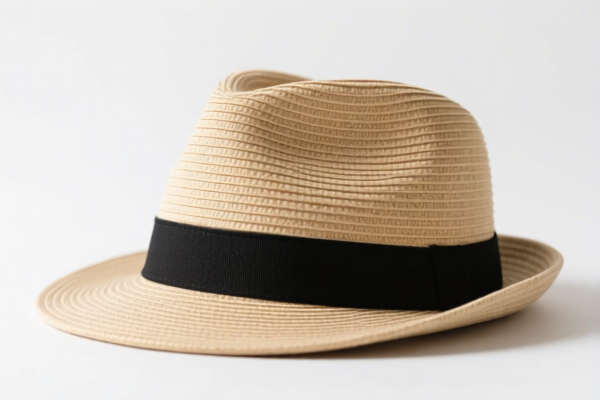
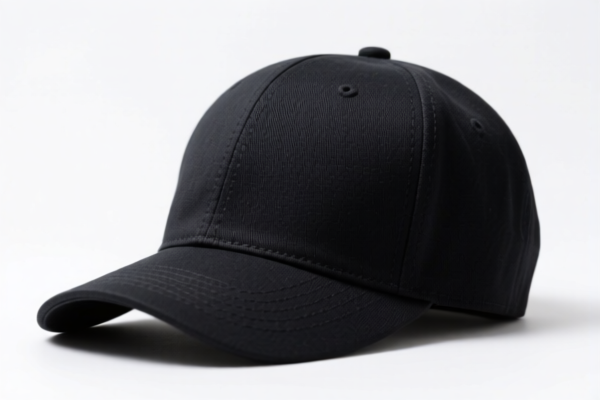
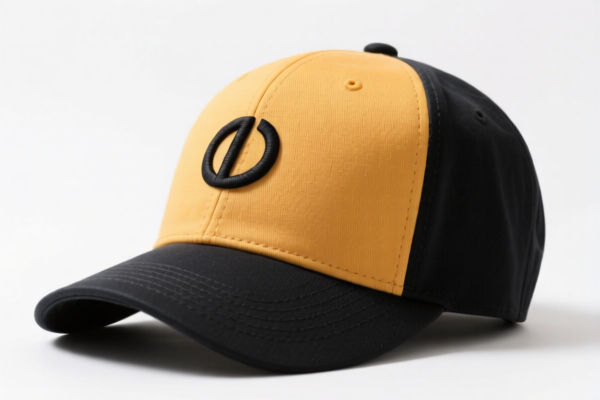
AI分析
🎩 Hats (Headwear & Accessories)
🌐 HS Code Reference & Customs Clearance Guide | 2024/2025 Latest Tariff Analysis | Professional Clearance Strategy
📌 I. Product Definition & Classification: Do You Really Understand "Hats"?
Hats are not a monolithic product category. In international trade, their classification depends entirely on material composition and function. A hat made of woven straw is treated differently than a baseball cap made of cotton or a hard hat made of plastic. Misclassification leads to massive tariff shocks (e.g., jumping from 6% to 88.9%).
Key Distinctions: * Plant Fiber/Paper Straw Hats: Woven, breathable, often seasonal (Summer hats). * Textile/Cotton/Polyester Hats: Knitted, sewn, or non-woven (Baseball caps, Beanies). * Plastic/Rubber Hats: Hard shells, safety helmets, rain hats. * Metal Accessories: Buckles, clips, or decorative pins made of steel/iron.
⚠️ Critical Alert:
- If the hat is woven from plant fibers (straw, pandanus, etc.) → 6504.00.30.00
- If the hat is made of other materials (cotton, wool, synthetic fibers not specifically listed) → 6506.99.60.00 (Catch-all)
- If the hat is made of rubber or plastics → 6506.91.00.60
- If the hat is made of artificial fibers (sewn) → 6504.00.90.15 (Note: This code often captures specific synthetic constructions)
- If you are importing metal hat clips/adjustments separately → 7326.20.00.90
📦 II. HS Code Classification Details (Latest Tariff Authority Comparison)
| HS Code | Product Description | Material Basis | Applicable Scenario |
|---|---|---|---|
6504.00.30.00 |
Hats, plaited or made from plaited parts, of straw or other plaiting materials | Plant fibers, paper yarn | Straw hats, sun hats, woven summer caps |
6506.99.60.00 |
Other hats and headgear, not knitted or crocheted, or made up from lace, felt or other textile fabric | Catch-all for other materials (Cotton, Wool, Mixed) | Baseball caps, newsboy caps, generic cloth hats |
6506.91.00.60 |
Hats and other headgear, made of rubber or plastics | Rubber, Plastic (Hard/Soft) | Safety helmets, rain hats, plastic decorative headbands |
6504.00.90.15 |
Hats, based on artificial fibers (sewn/constructed) | Artificial/Synthetic Fibers | Synthetic beanies, performance sport hats |
7326.20.00.90 |
Hat clips, metal fittings, or accessories | Iron, Steel, Metal | Metal buckles, decorative pins, adjustment clips |
🔍 Important Note:
- Hats vs. Accessories: If you import a hat with metal clips, the hat itself is classified under 65xx, while the metal clips (if shipped separately or deemed distinct) may fall under 7326. Do not mix them in a single line item if their HS codes differ significantly, as it can trigger inspection delays. - "Other" Catch-all:6506.99.60.00is a residual category. If your hat doesn't fit plant fibers (6504) or plastic/rubber (6506), it likely goes here.
💰 III. 2024/2025 Latest Tariff Rate Breakdown (Including Additional Taxes & Policy Surcharges)
✅ Applicable Country: United States (US)
✅ Country of Origin: China (CN)
✅ Effective Date: Current applicable tariffs include Section 301 and 122/IEEPA measures.
🎯 1. 6504.00.30.00 —— Hats, Plant Fiber/Straw Base
| Item | Content |
|---|---|
| Base Tariff | 6.0% |
| Section 301 Tariff | +25.0% |
| Section 122 Tariff | +10.0% |
| Total Effective Rate | 41.0% |
| Tax Calculation | CIF Value × 41% |
| De Minimis Exemption | ❌ Not Eligible (High-risk category) |
| Legal Basis | HTSUS 6504.00.30 + 301 Footnote + 122 Add-on |
📌 Explanation:
- Straw/plant fiber hats are considered "light manufacturing" but still heavily impacted by trade wars. - The 41% rate is brutal for low-margin seasonal goods. - Strategy: Consider sourcing straw from non-China countries (e.g., Vietnam, India) to avoid the 35% additional tariffs (25%+10%).
🎯 2. 6506.99.60.00 —— Hats, Other Materials (Catch-all)
| Item | Content |
|---|---|
| Base Tariff | 8.5% |
| Section 301 Tariff | +25.0% |
| Section 122 Tariff | +10.0% |
| Total Effective Rate | 43.5% |
| Tax Calculation | CIF Value × 43.5% |
| De Minimis Exemption | ❌ Not Eligible |
| Legal Basis | HTSUS 6506.99.60 + 301 Footnote + 122 Add-on |
📌 Explanation:
- This is the "Default Trap" for most generic cloth hats (cotton/poly blends). - Higher base rate (8.5%) than plant fiber hats. - Total 43.5% makes US imports extremely expensive. - Strategy: Verify if the material can be classified under a different subheading with lower base rates, but be prepared for the 35% add-on.
🎯 3. 6506.91.00.60 —— Hats, Rubber or Plastic Base
| Item | Content |
|---|---|
| Base Tariff | 0.0% |
| Section 301 Tariff | +25.0% |
| Section 122 Tariff | +10.0% |
| Total Effective Rate | 35.0% |
| Tax Calculation | CIF Value × 35.0% |
| De Minimis Exemption | ❌ Not Eligible |
| Legal Basis | HTSUS 6506.91.00.60 + 301 Footnote + 122 Add-on |
📌 Explanation:
- Lowest Total Rate among Hats! - Base tariff is 0% because rubber/plastic headgear is often duty-free under standard MFN. - However, the 35% additional tariffs still apply. - Strategy: This is the most cost-effective classification for plastic/rubber hats. Ensure the product is truly rubber/plastic, not coated fabric.
🎯 4. 6504.00.90.15 —— Hats, Artificial Fiber Base
| Item | Content |
|---|---|
| Base Tariff | 6.8% |
| Section 301 Tariff | +25.0% |
| Section 122 Tariff | +10.0% |
| Total Effective Rate | 41.8% |
| Tax Calculation | CIF Value × 41.8% |
| De Minimis Exemption | ❌ Not Eligible |
| Legal Basis | HTSUS 6504.00.90.15 + 301 Footnote + 122 Add-on |
📌 Explanation:
- Specific to sewn artificial fiber hats. - Slightly higher than straw hats (41.8% vs 41.0%). - Strategy: Ensure the "sewn" aspect is documented. If the hat is knitted, it might fall under different codes, but for this data, it's fixed here.
🎯 5. 7326.20.00.90 —— Metal Hat Clips/Accessories
| Item | Content |
|---|---|
| Base Tariff | 3.9% |
| Section 301 Tariff | +25.0% |
| Section 122 Tariff | +10.0% |
| Steel/Aluminum/Copper Surcharge | +50.0% (If applicable under specific steel/aluminum orders) |
| Total Effective Rate | 88.9% (Standard) or 88.9%+ |
| Tax Calculation | CIF Value × 88.9% |
| De Minimis Exemption | ❌ Not Eligible |
| Legal Basis | HTSUS 7326.20.00.90 + Steel/Aluminum Tariffs |
📌 Explanation:
- HIGHEST TAX RATE. - Metal accessories are subject to Section 232 (Steel/Aluminum) tariffs in addition to Section 301. - 88.9% is a deal-breaker for most low-value accessories. - Strategy: Avoid importing metal clips from China separately. Integrate them into the hat assembly before shipment if possible (if HTS classification allows), or source metal parts from non-China countries.
🛠️ IV. Customs Clearance Practical Advice (Pitfall Avoidance Guide)
✅ 1. Preparation Checklist (Non-negotiable)
| Document | Required? | Description |
|---|---|---|
| ✅ Material Composition Sheet | ✔️ | Must specify % of plant fiber, cotton, plastic, etc. |
| ✅ Product Photos | ✔️ | Clear shots of weave, lining, and labels |
| ✅ Label/Tag Image | ✔️ | Shows country of origin, material care instructions |
| ✅ Commercial Invoice | ✔️ | Must list "Hat" or specific type (e.g., "Straw Sun Hat"), NOT generic "Headwear" |
| ✅ Packaging List | ✔️ | Separate line items for hats vs. metal accessories if shipped together |
✅ 2. Declaration Tips (Key Mantra)
🔥 "Material Defines Code, Metal Adds 50%, Separate Metal if Possible!"
| Scenario | Correct Declaration | Wrong Practice |
|---|---|---|
| Straw Hat | 6504.00.30.00 |
Misdeclare as 6506 (43.5% vs 41%) → Minor saving, but risk of audit |
| Plastic Helmet | 6506.91.00.60 |
Misdeclare as 6506.99 (43.5% vs 35%) → Overpay 8.5% |
| Metal Clip (Standalone) | 7326.20.00.90 |
Hide inside hat shipment → Risk of 88.9% penalty + seizure |
| Cotton Baseball Cap | 6506.99.60.00 |
Claim as "Textile" without specifying → May fall into catch-all |
✅ 3. Special Case Handling
| Case | Recommendation |
|---|---|
| Hat with Metal Buckle | If the buckle is integral, declare as Hat. If large/heavy, consider separate declaration (but expect 88.9% on the buckle). |
| Custom/Embroidered Hats | Ensure embroidery doesn't change the "material" classification. Still 6506.99.60.00 usually. |
| Safety Helmets | Often classified under 6506.91 (Plastic/Rubber). Check for ANSI/NIOSH certification requirements for duty-free or different treatment? No, still 35% for China origin. |
| Seasonal Straw Hats | High volume, low margin. 41% tax kills profit. Consider DDP (Delivered Duty Paid) pricing or overseas fulfillment to absorb cost. |
🌍 V. Global Market Comparison (2024/2025)
| Country/Region | Recommended HS Code | Tariff (China Origin) | Key Requirement | Remarks |
|---|---|---|---|---|
| 🇺🇸 USA | 6504.00.30.00 (Straw) / 6506.99.60.00 (Other) |
41.0% - 43.5% | No special certs | Highly Tariffed due to 301+122 |
| 🇨🇳 China | Same HS Codes | 6.0% - 8.5% | CCC (if applicable) | Low Tax, good for domestic sale |
| 🇪🇺 EU | 6504 / 6506 | 0% - 12% (Varies) | CE (if safety) | No Retaliatory Tariffs |
| 🇨🇦 Canada | 6504 / 6506 | 0% - 12.5% | No special tariffs | Better than USA |
| 🇬🇧 UK | 6504 / 6506 | 0% - 12% | No post-Brexit surcharges | Neutral Trade |
📌 Conclusion:
- USA is the most expensive market for Chinese hats due to the 35%+ surcharge. - Europe and Canada offer significantly better margins. - Strategic Move: Consider transshipment or final assembly in Vietnam/Mexico to avoid "Made in China" tariffs (though USCBP scrutinizes transshipment closely).
📌 VI. Common Mistakes & Pitfalls (Blood & Tears Lessons)
❌ Mistake 1: Declaring a Plastic Hat as 6506.99.60.00
👉 Result: Pay 43.5% instead of 35.0%. Waste 8.5% margin.
👉 Fix: Clearly state "Rubber/Plastic" on invoice.
❌ Mistake 2: Shipping Metal Clips inside the hat box without separate declaration
👉 Result: Customs may audit, classify as metal goods, and apply 88.9% retroactively.
👉 Fix: Declare separately or ensure value is negligible if de minimis applies (but it doesn't for high tariffs).
❌ Mistake 3: Ignoring the 122 Clause
👉 Result: Only calculating Section 301 (25%). Surprise bill for +10%.
👉 Fix: Always budget for Base + 25% + 10%.
✅ Correct Practice:
"Straw Hat, Hand-Woven, Coconut Fiber, Imported from China, HS 6504.00.30.00"
🎯 VII. Conclusion: Professional Classification Saves Money!
🎯 Remember the Mantra:
🔹 "Plant Fiber 41%, Plastic 35%, Metal 89%!"
🔹 "Don't Let Metal Clips Kill Your Hat Margin!"
🔹 "41-44% Tax is High, Plan Your Supply Chain!"
📌 Pro Tip:
If you are a high-volume importer:
1. Apply for an Advance Ruling (Ruling No.) from US Customs (CBP) for unique hat designs.
2. Explore Exclusions: Check if your specific HS code has Section 301 exclusions available (they expire frequently).
3. Diversify Sourcing: Move metal components to non-China sources to avoid the 88.9% tax.
📣 Act Now:
📞 Consult a licensed customs broker.
📦 Provide detailed material specs.
🚀 Optimize your HS Code, Protect Your Margin, Clear Customs Smoothly!
✨ Professional Customs Clearance Starts with Precise Classification!
💼 Every Percentage Point of Tariff Matters!
用户评价
关于 HS 编码归类
协调制度(HS)是由世界海关组织(WCO)制定的国际贸易商品分类标准。全球 200 多个国家采用 HS 系统作为海关关税、贸易统计和进出口监管的基础。
每个 HS 编码遵循以下层级结构:
- 章(2 位)——商品大类(例如:第 84 章:机器和机械设备)
- 品目(4 位)——章内的更具体分类
- 子目(6 位)——国际通用细分,所有 WCO 成员国统一使用
- 本国细分(8-10 位)——各国自行扩展的细分编码,如美国 HTSUS 10 位编码
正确的 HS 编码归类对于顺利通关、准确缴纳关税和遵守贸易法规至关重要。错误归类可能导致海关延误、多缴关税或罚款。
从CN进口到US时,适用的关税税率可能包括:
- 最惠国(MFN)税率——适用于 WTO 成员国的标准关税税率
- 普通税率——适用于无贸易协定国家
- 贸易救济关税——附加关税,如 301 条款(反倾销)、232 条款(国家安全)或反补贴税
本页内容仅供参考。如需正式归类,请咨询当地海关或持牌报关代理。