hats
CN → US| HS Code | Tariff Rate | Origin | Destination | Doc |
|---|---|---|---|---|
| 6506996000 | 43.5% | CN | US | Official Doc |
| 6506910060 | 35.0% | CN | US | Official Doc |
| 6504009015 | 41.8% | CN | US | Official Doc |
| 6504003000 | 41.0% | CN | US | Official Doc |
| 7326200090 | 88.9% | CN | US | Official Doc |
Product Images
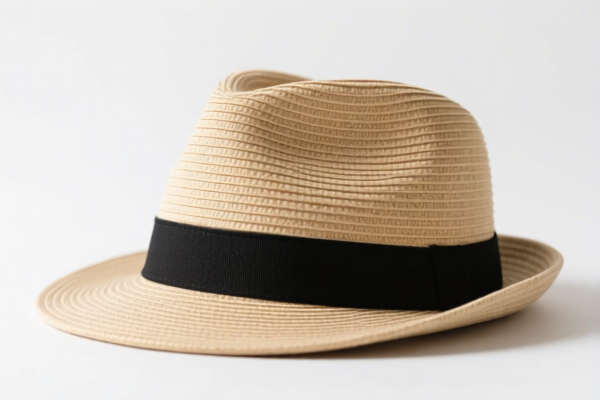
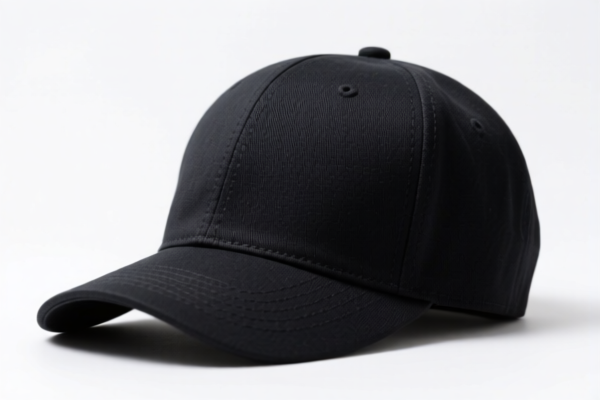
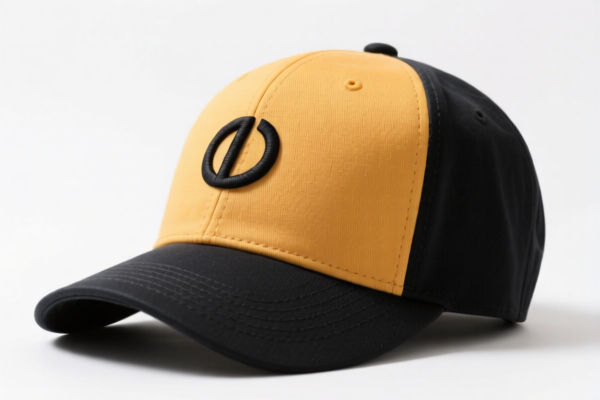
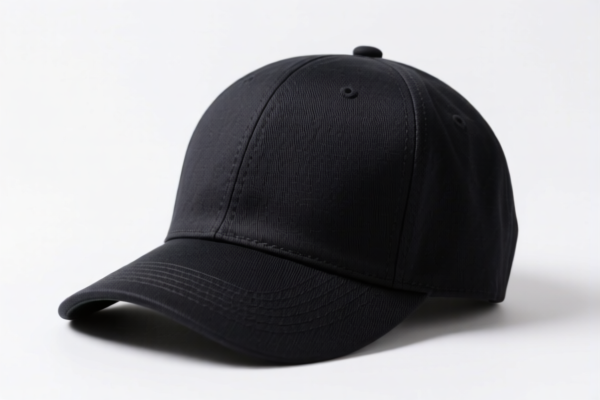
AI Analysis
🎩 Hats (Headwear & Accessories)
🌐 HS Code Reference & Customs Clearance Guide | 2024/2025 Latest Tariff Analysis | Professional Clearance Strategy
📌 I. Product Definition & Classification: Do You Really Understand "Hats"?
Hats are not a monolithic product category. In international trade, their classification depends entirely on material composition and function. A hat made of woven straw is treated differently than a baseball cap made of cotton or a hard hat made of plastic. Misclassification leads to massive tariff shocks (e.g., jumping from 6% to 88.9%).
Key Distinctions: * Plant Fiber/Paper Straw Hats: Woven, breathable, often seasonal (Summer hats). * Textile/Cotton/Polyester Hats: Knitted, sewn, or non-woven (Baseball caps, Beanies). * Plastic/Rubber Hats: Hard shells, safety helmets, rain hats. * Metal Accessories: Buckles, clips, or decorative pins made of steel/iron.
⚠️ Critical Alert:
- If the hat is woven from plant fibers (straw, pandanus, etc.) → 6504.00.30.00
- If the hat is made of other materials (cotton, wool, synthetic fibers not specifically listed) → 6506.99.60.00 (Catch-all)
- If the hat is made of rubber or plastics → 6506.91.00.60
- If the hat is made of artificial fibers (sewn) → 6504.00.90.15 (Note: This code often captures specific synthetic constructions)
- If you are importing metal hat clips/adjustments separately → 7326.20.00.90
📦 II. HS Code Classification Details (Latest Tariff Authority Comparison)
| HS Code | Product Description | Material Basis | Applicable Scenario |
|---|---|---|---|
6504.00.30.00 |
Hats, plaited or made from plaited parts, of straw or other plaiting materials | Plant fibers, paper yarn | Straw hats, sun hats, woven summer caps |
6506.99.60.00 |
Other hats and headgear, not knitted or crocheted, or made up from lace, felt or other textile fabric | Catch-all for other materials (Cotton, Wool, Mixed) | Baseball caps, newsboy caps, generic cloth hats |
6506.91.00.60 |
Hats and other headgear, made of rubber or plastics | Rubber, Plastic (Hard/Soft) | Safety helmets, rain hats, plastic decorative headbands |
6504.00.90.15 |
Hats, based on artificial fibers (sewn/constructed) | Artificial/Synthetic Fibers | Synthetic beanies, performance sport hats |
7326.20.00.90 |
Hat clips, metal fittings, or accessories | Iron, Steel, Metal | Metal buckles, decorative pins, adjustment clips |
🔍 Important Note:
- Hats vs. Accessories: If you import a hat with metal clips, the hat itself is classified under 65xx, while the metal clips (if shipped separately or deemed distinct) may fall under 7326. Do not mix them in a single line item if their HS codes differ significantly, as it can trigger inspection delays. - "Other" Catch-all:6506.99.60.00is a residual category. If your hat doesn't fit plant fibers (6504) or plastic/rubber (6506), it likely goes here.
💰 III. 2024/2025 Latest Tariff Rate Breakdown (Including Additional Taxes & Policy Surcharges)
✅ Applicable Country: United States (US)
✅ Country of Origin: China (CN)
✅ Effective Date: Current applicable tariffs include Section 301 and 122/IEEPA measures.
🎯 1. 6504.00.30.00 —— Hats, Plant Fiber/Straw Base
| Item | Content |
|---|---|
| Base Tariff | 6.0% |
| Section 301 Tariff | +25.0% |
| Section 122 Tariff | +10.0% |
| Total Effective Rate | 41.0% |
| Tax Calculation | CIF Value × 41% |
| De Minimis Exemption | ❌ Not Eligible (High-risk category) |
| Legal Basis | HTSUS 6504.00.30 + 301 Footnote + 122 Add-on |
📌 Explanation:
- Straw/plant fiber hats are considered "light manufacturing" but still heavily impacted by trade wars. - The 41% rate is brutal for low-margin seasonal goods. - Strategy: Consider sourcing straw from non-China countries (e.g., Vietnam, India) to avoid the 35% additional tariffs (25%+10%).
🎯 2. 6506.99.60.00 —— Hats, Other Materials (Catch-all)
| Item | Content |
|---|---|
| Base Tariff | 8.5% |
| Section 301 Tariff | +25.0% |
| Section 122 Tariff | +10.0% |
| Total Effective Rate | 43.5% |
| Tax Calculation | CIF Value × 43.5% |
| De Minimis Exemption | ❌ Not Eligible |
| Legal Basis | HTSUS 6506.99.60 + 301 Footnote + 122 Add-on |
📌 Explanation:
- This is the "Default Trap" for most generic cloth hats (cotton/poly blends). - Higher base rate (8.5%) than plant fiber hats. - Total 43.5% makes US imports extremely expensive. - Strategy: Verify if the material can be classified under a different subheading with lower base rates, but be prepared for the 35% add-on.
🎯 3. 6506.91.00.60 —— Hats, Rubber or Plastic Base
| Item | Content |
|---|---|
| Base Tariff | 0.0% |
| Section 301 Tariff | +25.0% |
| Section 122 Tariff | +10.0% |
| Total Effective Rate | 35.0% |
| Tax Calculation | CIF Value × 35.0% |
| De Minimis Exemption | ❌ Not Eligible |
| Legal Basis | HTSUS 6506.91.00.60 + 301 Footnote + 122 Add-on |
📌 Explanation:
- Lowest Total Rate among Hats! - Base tariff is 0% because rubber/plastic headgear is often duty-free under standard MFN. - However, the 35% additional tariffs still apply. - Strategy: This is the most cost-effective classification for plastic/rubber hats. Ensure the product is truly rubber/plastic, not coated fabric.
🎯 4. 6504.00.90.15 —— Hats, Artificial Fiber Base
| Item | Content |
|---|---|
| Base Tariff | 6.8% |
| Section 301 Tariff | +25.0% |
| Section 122 Tariff | +10.0% |
| Total Effective Rate | 41.8% |
| Tax Calculation | CIF Value × 41.8% |
| De Minimis Exemption | ❌ Not Eligible |
| Legal Basis | HTSUS 6504.00.90.15 + 301 Footnote + 122 Add-on |
📌 Explanation:
- Specific to sewn artificial fiber hats. - Slightly higher than straw hats (41.8% vs 41.0%). - Strategy: Ensure the "sewn" aspect is documented. If the hat is knitted, it might fall under different codes, but for this data, it's fixed here.
🎯 5. 7326.20.00.90 —— Metal Hat Clips/Accessories
| Item | Content |
|---|---|
| Base Tariff | 3.9% |
| Section 301 Tariff | +25.0% |
| Section 122 Tariff | +10.0% |
| Steel/Aluminum/Copper Surcharge | +50.0% (If applicable under specific steel/aluminum orders) |
| Total Effective Rate | 88.9% (Standard) or 88.9%+ |
| Tax Calculation | CIF Value × 88.9% |
| De Minimis Exemption | ❌ Not Eligible |
| Legal Basis | HTSUS 7326.20.00.90 + Steel/Aluminum Tariffs |
📌 Explanation:
- HIGHEST TAX RATE. - Metal accessories are subject to Section 232 (Steel/Aluminum) tariffs in addition to Section 301. - 88.9% is a deal-breaker for most low-value accessories. - Strategy: Avoid importing metal clips from China separately. Integrate them into the hat assembly before shipment if possible (if HTS classification allows), or source metal parts from non-China countries.
🛠️ IV. Customs Clearance Practical Advice (Pitfall Avoidance Guide)
✅ 1. Preparation Checklist (Non-negotiable)
| Document | Required? | Description |
|---|---|---|
| ✅ Material Composition Sheet | ✔️ | Must specify % of plant fiber, cotton, plastic, etc. |
| ✅ Product Photos | ✔️ | Clear shots of weave, lining, and labels |
| ✅ Label/Tag Image | ✔️ | Shows country of origin, material care instructions |
| ✅ Commercial Invoice | ✔️ | Must list "Hat" or specific type (e.g., "Straw Sun Hat"), NOT generic "Headwear" |
| ✅ Packaging List | ✔️ | Separate line items for hats vs. metal accessories if shipped together |
✅ 2. Declaration Tips (Key Mantra)
🔥 "Material Defines Code, Metal Adds 50%, Separate Metal if Possible!"
| Scenario | Correct Declaration | Wrong Practice |
|---|---|---|
| Straw Hat | 6504.00.30.00 |
Misdeclare as 6506 (43.5% vs 41%) → Minor saving, but risk of audit |
| Plastic Helmet | 6506.91.00.60 |
Misdeclare as 6506.99 (43.5% vs 35%) → Overpay 8.5% |
| Metal Clip (Standalone) | 7326.20.00.90 |
Hide inside hat shipment → Risk of 88.9% penalty + seizure |
| Cotton Baseball Cap | 6506.99.60.00 |
Claim as "Textile" without specifying → May fall into catch-all |
✅ 3. Special Case Handling
| Case | Recommendation |
|---|---|
| Hat with Metal Buckle | If the buckle is integral, declare as Hat. If large/heavy, consider separate declaration (but expect 88.9% on the buckle). |
| Custom/Embroidered Hats | Ensure embroidery doesn't change the "material" classification. Still 6506.99.60.00 usually. |
| Safety Helmets | Often classified under 6506.91 (Plastic/Rubber). Check for ANSI/NIOSH certification requirements for duty-free or different treatment? No, still 35% for China origin. |
| Seasonal Straw Hats | High volume, low margin. 41% tax kills profit. Consider DDP (Delivered Duty Paid) pricing or overseas fulfillment to absorb cost. |
🌍 V. Global Market Comparison (2024/2025)
| Country/Region | Recommended HS Code | Tariff (China Origin) | Key Requirement | Remarks |
|---|---|---|---|---|
| 🇺🇸 USA | 6504.00.30.00 (Straw) / 6506.99.60.00 (Other) |
41.0% - 43.5% | No special certs | Highly Tariffed due to 301+122 |
| 🇨🇳 China | Same HS Codes | 6.0% - 8.5% | CCC (if applicable) | Low Tax, good for domestic sale |
| 🇪🇺 EU | 6504 / 6506 | 0% - 12% (Varies) | CE (if safety) | No Retaliatory Tariffs |
| 🇨🇦 Canada | 6504 / 6506 | 0% - 12.5% | No special tariffs | Better than USA |
| 🇬🇧 UK | 6504 / 6506 | 0% - 12% | No post-Brexit surcharges | Neutral Trade |
📌 Conclusion:
- USA is the most expensive market for Chinese hats due to the 35%+ surcharge. - Europe and Canada offer significantly better margins. - Strategic Move: Consider transshipment or final assembly in Vietnam/Mexico to avoid "Made in China" tariffs (though USCBP scrutinizes transshipment closely).
📌 VI. Common Mistakes & Pitfalls (Blood & Tears Lessons)
❌ Mistake 1: Declaring a Plastic Hat as 6506.99.60.00
👉 Result: Pay 43.5% instead of 35.0%. Waste 8.5% margin.
👉 Fix: Clearly state "Rubber/Plastic" on invoice.
❌ Mistake 2: Shipping Metal Clips inside the hat box without separate declaration
👉 Result: Customs may audit, classify as metal goods, and apply 88.9% retroactively.
👉 Fix: Declare separately or ensure value is negligible if de minimis applies (but it doesn't for high tariffs).
❌ Mistake 3: Ignoring the 122 Clause
👉 Result: Only calculating Section 301 (25%). Surprise bill for +10%.
👉 Fix: Always budget for Base + 25% + 10%.
✅ Correct Practice:
"Straw Hat, Hand-Woven, Coconut Fiber, Imported from China, HS 6504.00.30.00"
🎯 VII. Conclusion: Professional Classification Saves Money!
🎯 Remember the Mantra:
🔹 "Plant Fiber 41%, Plastic 35%, Metal 89%!"
🔹 "Don't Let Metal Clips Kill Your Hat Margin!"
🔹 "41-44% Tax is High, Plan Your Supply Chain!"
📌 Pro Tip:
If you are a high-volume importer:
1. Apply for an Advance Ruling (Ruling No.) from US Customs (CBP) for unique hat designs.
2. Explore Exclusions: Check if your specific HS code has Section 301 exclusions available (they expire frequently).
3. Diversify Sourcing: Move metal components to non-China sources to avoid the 88.9% tax.
📣 Act Now:
📞 Consult a licensed customs broker.
📦 Provide detailed material specs.
🚀 Optimize your HS Code, Protect Your Margin, Clear Customs Smoothly!
✨ Professional Customs Clearance Starts with Precise Classification!
💼 Every Percentage Point of Tariff Matters!
Customer Reviews
About HS Code Classification
The Harmonized System (HS) is an internationally standardized nomenclature developed by the World Customs Organization (WCO) to classify traded products. Over 200 countries use the HS system as the basis for customs tariffs, trade statistics, and import/export regulations.
Each HS code follows a hierarchical structure:
- Chapter (2 digits) — Broad category of goods (e.g., Chapter 84: Machinery and Mechanical Appliances)
- Heading (4 digits) — More specific grouping within the chapter
- Subheading (6 digits) — Internationally standardized breakdown, used by all WCO member countries
- National subdivisions (8-10 digits) — Country-specific extensions for further classification, such as US HTSUS 10-digit codes
Correct HS code classification is essential for smooth customs clearance, accurate duty payment, and compliance with trade regulations. Misclassification can lead to customs delays, overpayment of duties, or penalties.
When importing from CN to US, the applicable tariff rates may include:
- Most-Favored-Nation (MFN) rate — The standard duty rate applied to WTO members
- General rate — Applied to countries without trade agreements
- Trade remedy duties — Additional tariffs such as Section 301 (anti-dumping), Section 232 (national security), or countervailing duties
The information provided on this page is for reference purposes only. For official classification, please consult with your local customs authority or a licensed customs broker.