heating stove
CN → US| HS编码 | 关税税率 | 原产国 | 目的国 | 文档 |
|---|---|---|---|---|
| 7321116000 | 85.0% | CN | US | 官方文档 |
| 8516290030 | 38.7% | CN | US | 官方文档 |
| 8516290060 | 38.7% | CN | US | 官方文档 |
| 8516290060 | 38.7% | CN | US | 官方文档 |
| 8516290030 | 38.7% | CN | US | 官方文档 |
商品图片
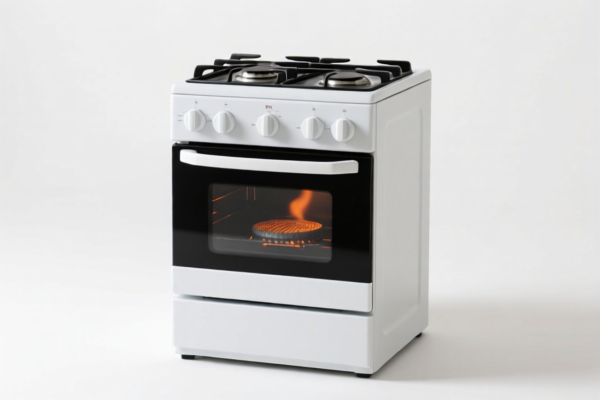
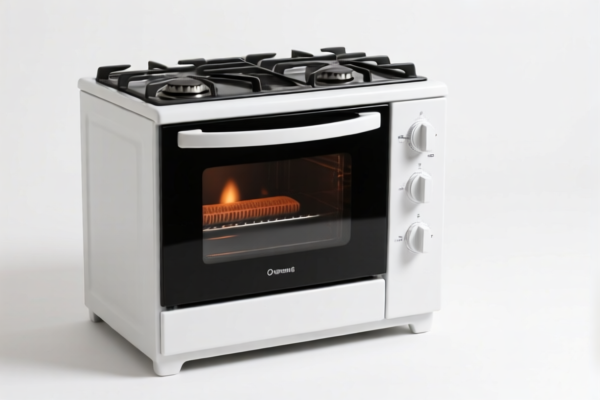
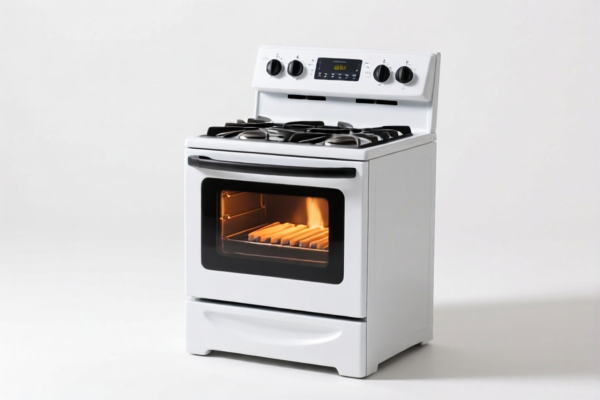
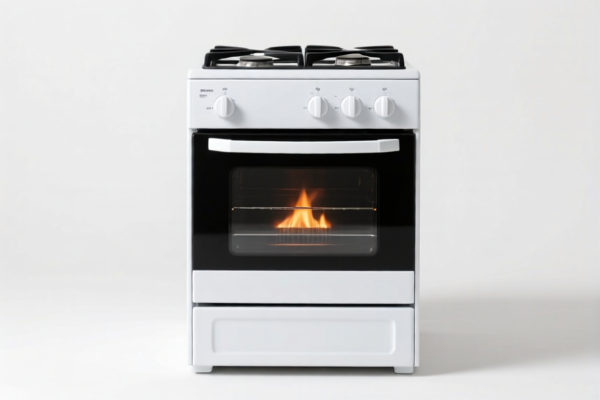
AI分析
🔥 Heating Stove (Space Heaters & Cookware Warmers)
🌐 HS Code Reference & Customs Clearance Guide | 2026 Latest Tariff Analysis | Professional Clearance Strategy
📌 I. Product Definition & Classification: Do You Really Understand "Heating Stoves"?
"Heating Stoves" in international trade is a broad category that generally splits into two distinct functional paths based on their energy source and primary use case:
- Gas-Powered Heating/Cooking Accessories: Typically made of Iron or Steel, used as warming trays, chafing dishes, or heating elements for cooking appliances.
- Electric Space Heaters: Portable or non-portable devices that convert electricity into heat for warming indoor spaces.
⚠️ Key Distinction Point:
- If it is Gas-powered and made of Iron/Steel for warming/cooking contexts → It falls under Chapter 73.
- If it is Electric for space heating → It falls under Chapter 85.
- Note: The specific HS codes below reflect the most common classifications for these variants under US import regulations.
📦 II. HS Code Classification Details (2026 Latest Tariff Authority Comparison)
| HS Code | Product Description | Application Scenario | Energy Source/Material |
|---|---|---|---|
7321.11.60.00 |
Gas stoves and similar appliances; Warming/Heating parts made of Iron or Steel | Gas cooking appliances, warming plates, chafing dishes, kitchen heating accessories | ⛽ Gas + 🦾 Iron/Steel |
8516.29.00.30 |
Electric Space Heaters | Portable or non-portable electric heaters, fan heaters, convector heaters | ⚡ Electric |
8516.29.00.60 |
Other Electric Heating Appliances | General electric heating devices, space heaters, other electric heating apparatus not elsewhere specified | ⚡ Electric |
🔍 Critical Reminder:
- Gas vs. Electric is the Primary Split: Do not confuse Gas Stoves (7321) with Electric Heaters (8516). Misclassification leads to massive duty discrepancies.
- Iron/Steel Material: For gas appliances, if the heating component is primarily Iron/Steel, it often stays within Chapter 73.
- Electric Heaters: Both8516.29.00.30and8516.29.00.60cover electric heaters. The distinction is often administrative or based on specific sub-heading definitions in the Harmonized Tariff Schedule (HTS).
💰 III. 2026 Latest Tariff Rate Detail (Including Surtaxes & Policy Add-ons)
✅ Applicable Country: United States (US)
✅ Country of Origin: China (CN)
✅ Effective Date: 2025/2026 (Including subsequent imports)
🎯 1. 7321.11.60.00 —— Gas Stoves / Warming Appliances (Iron/Steel)
This classification applies to gas heating appliances and parts made of iron or steel.
| Item | Content |
|---|---|
| Basic Duty Rate | 0% (ad valorem) |
| Section 301 Surcharge | +25% |
| Section 122 Duty | +10% |
| Section 232 Duty (Steel/Aluminum/Copper) | +50% |
| Total Duty Rate | 85.0% |
| Tax Calculation | CIF Value × 85% |
| De Minimis Exemption | ❌ Not Applicable |
| Legal Basis Path | Section 301 + Section 122 + Section 232 |
📌 Explanation:
- This is the highest risk category among heating stoves due to the combination of Section 301 (Trade War), Section 122, and Section 232 (Steel/Aluminum).
- The 50% Section 232 tariff is specifically targeted at steel and aluminum products, which heavily impacts gas stoves made of iron/steel.
- Total Tax Load: 85%. This makes shipping standard gas heating stoves from China to the US extremely cost-prohibitive unless exempted or sourced from third countries.
🎯 2. 8516.29.00.30 & 8516.29.00.60 —— Electric Space Heaters
Both codes cover electric space heaters. The duty structure is identical for these sub-headings in the provided data.
| Item | Content |
|---|---|
| Basic Duty Rate | 3.7% (ad valorem) |
| Section 301 Surcharge | +25% |
| Section 122 Duty | +10% |
| Total Duty Rate | 38.7% |
| Tax Calculation | CIF Value × 38.7% |
| De Minimis Exemption | ❌ Not Applicable |
| Legal Basis Path | Section 301 + Section 122 |
📌 Explanation:
- Unlike gas stoves, electric heaters do not incur the Section 232 (Steel) tariff in this specific calculation context (as they are primarily classified under electrical appliances, not raw steel products).
- However, they are still heavily taxed with Section 301 (25%) and Section 122 (10%).
- Total Tax Load: 38.7%. While lower than gas stoves, this is still a significant cost factor.
🛠️ IV. Customs Clearance Practical Advice (Combat Pitfall Guide)
✅ 1. Required Documentation Checklist (None Can Be Missing)
| Document | Mandatory? | Description |
|---|---|---|
| ✅ Product Specification Sheet | ✔️ | Must detail power source (Gas/Electric), material (Iron/Steel for gas), capacity, and safety certifications. |
| ✅ Technical Diagrams | ✔️ | For electric heaters, show heating element type. For gas, show burner structure. |
| ✅ Product Photos (Label/Mount) | ✔️ | Clear view of model number, voltage/amperage (for electric) or BTU/output (for gas). |
| ✅ Safety Certifications | ✔️ | UL, ETL, CSA (for US market). Essential for electric heaters to avoid detention. |
| ✅ Commercial Invoice | ✔️ | Must clearly state "Electric Space Heater" or "Gas Stove/Warming Appliance" – Do not use generic "Heater". |
| ✅ Certificate of Origin (CO) | ✔️ | Required to determine eligibility for any potential exemptions or to verify Chinese origin for surtaxes. |
| ✅ Packing List | ✔️ | Detailed packing list to prove no hidden components that might trigger different classifications. |
✅ 2. Declaration Tactics (Key Mantra)
🔥 "Source Matters: Gas is Steel (85%), Electric is Appliance (38.7%)"
| Scenario | Correct Declaration | Incorrect Practice |
|---|---|---|
| Gas Warming Tray | 7321.11.60.00 |
Misdeclare as 8516 (Electric) → High Risk of Penalty |
| Electric Portable Heater | 8516.29.00.30 or 60 |
Misdeclare as 7321 → Duty Underpayment |
| Gas Stove Made of Ceramic | Verify Specific Sub-heading | Assume all gas stoves are 7321 → May be incorrect if material differs |
| Electric Heater with Stand | Whole Unit Declaration | Split into "Heater" + "Stand" → Complex Duty Calculation Risk |
✅ 3. Special Situation Handling
| Situation | Handling Advice |
|---|---|
| Hybrid Units (Gas + Electric Ignition) | Often still classified under Gas (7321) because the primary function is gas heating. The electric component is auxiliary. |
| Electric Heaters with Steel Housing | Usually still classified under 8516 (Electric Appliances) rather than 7321 or 7308, unless the steel structure is the primary value/function. |
| OEM Custom Heaters | Provide customer PO and design drawings. Avoid vague descriptions like "Heating Device." |
| Origin Diversification | If sourcing from Vietnam, Thailand, or Mexico, you may be eligible for IEEPA Exemptions or lower Section 301 rates. Crucial for cost reduction. |
🌍 V. Global Market Clearance Comparison (2026 Latest)
| Country/Region | Recommended HS Code | Estimated Duty (China Origin) | Certification Requirement | Notes |
|---|---|---|---|---|
| 🇺🇸 USA | 8516.29.00.30 (Electric) |
38.7% (incl. Surtaxes) | UL/ETL + FCC (if applicable) | High cost due to Section 301 & 122. |
| 🇺🇸 USA | 7321.11.60.00 (Gas) |
85.0% (incl. Surtaxes) | UL/CSA + Venting Standards | Extremely high cost due to Section 232. |
| 🇨🇳 China | 8516.29.00.30 |
~3.7% - 5% | CCC + RoHS | No US surtaxes. |
| 🇪🇺 EU | 8516.29.00 |
~0% - 4% | CE + RoHS + ErP | No Section 301/232 equivalents. |
| 🇬🇧 UK | 8516.29.00 |
~4% | UKCA + CE | Post-Brexit rules apply. |
📌 Conclusion:
- USA is the most expensive market for Chinese-made heating stoves due to multiple layers of surtaxes (Section 301, 122, and 232).
- Electric heaters (38.7%) are more viable than Gas heaters (85%) due to the absence of the Steel/Aluminum Section 232 tariff in the electric classification.
- Supply Chain Diversification (e.g., moving final assembly to Southeast Asia) is highly recommended to mitigate US tariff risks.
📌 VI. Common Mistakes & Pitfall Guide (Lessons Learned)
❌ Mistake 1: Classifying a Gas Stove under 8516 to avoid Section 232.
👉 Consequence: Customs will reclassify upon inspection. Penalty for misdeclaration + back duties + potential fraud charges.
❌ Mistake 2: Ignoring Section 232 for Gas Stoves.
👉 Consequence: Unexpected 50% additional duty if the heater is made of steel/iron. Total tax jumps to 85%.
❌ Mistake 3: Using generic terms like "Heater" or "Stove" on the Invoice.
👉 Consequence: CBP (Customs and Border Protection) may issue a Request for Information (RFI) or detain the cargo, causing delays.
❌ Mistake 4: Assuming all Electric Heaters have the same tax rate.
👉 Consequence: While 8516.29.00.30 and .60 have the same rate here, other sub-headings might differ. Always verify the exact HTSUS.
✅ Correct Practice:
- Gas: "Gas Heating Stove, Iron Body, BTU Output X, Model ABC" →
7321.11.60.00- Electric: "Portable Electric Space Heater, 1500W, 120V, UL Listed, Model XYZ" →
8516.29.00.30
🎯 VII. Conclusion: Professional Declaration, Save Costs, Ensure Smooth Clearance!
🎯 Remember the Mantra:
🔹 "Gas is Steel (85% Tax), Electric is Appliance (38.7% Tax)."
🔹 "Don't mix Chapter 73 and 85. The duty difference is 46%!"
🔹 "Consider Origin Diversification to escape US Surtaxes."
📌 Pro Tip:
If your heating stoves are originally from Vietnam, Thailand, or Mexico, you might qualify for IEEPA Exemptions or reduced Section 301 rates.
👉 Action: Apply for Advance Ruling from CBP to confirm HS Code and duty liability before shipping.
📣 Immediate Action:
📞 Contact a professional customs broker.
📄 Provide product specs (Gas/Electric, Material).
🚀 Ensure your Heating Stove passes customs smoothly and profitably!
✨ Professional Clearance Starts with Accurate Classification!
💼 Every cent of tax is worth precise calculation!
用户评价
关于 HS 编码归类
协调制度(HS)是由世界海关组织(WCO)制定的国际贸易商品分类标准。全球 200 多个国家采用 HS 系统作为海关关税、贸易统计和进出口监管的基础。
每个 HS 编码遵循以下层级结构:
- 章(2 位)——商品大类(例如:第 84 章:机器和机械设备)
- 品目(4 位)——章内的更具体分类
- 子目(6 位)——国际通用细分,所有 WCO 成员国统一使用
- 本国细分(8-10 位)——各国自行扩展的细分编码,如美国 HTSUS 10 位编码
正确的 HS 编码归类对于顺利通关、准确缴纳关税和遵守贸易法规至关重要。错误归类可能导致海关延误、多缴关税或罚款。
从CN进口到US时,适用的关税税率可能包括:
- 最惠国(MFN)税率——适用于 WTO 成员国的标准关税税率
- 普通税率——适用于无贸易协定国家
- 贸易救济关税——附加关税,如 301 条款(反倾销)、232 条款(国家安全)或反补贴税
本页内容仅供参考。如需正式归类,请咨询当地海关或持牌报关代理。