heating stove
CN → US| HS Code | Tariff Rate | Origin | Destination | Doc |
|---|---|---|---|---|
| 7321116000 | 85.0% | CN | US | Official Doc |
| 8516290030 | 38.7% | CN | US | Official Doc |
| 8516290060 | 38.7% | CN | US | Official Doc |
| 8516290060 | 38.7% | CN | US | Official Doc |
| 8516290030 | 38.7% | CN | US | Official Doc |
Product Images
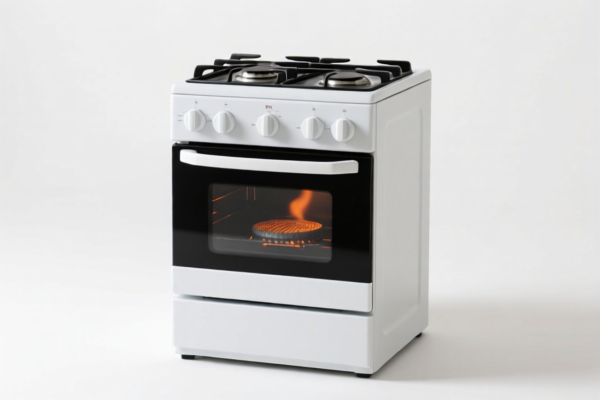
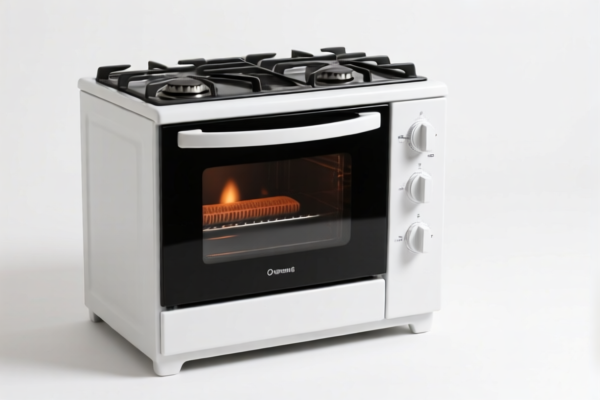
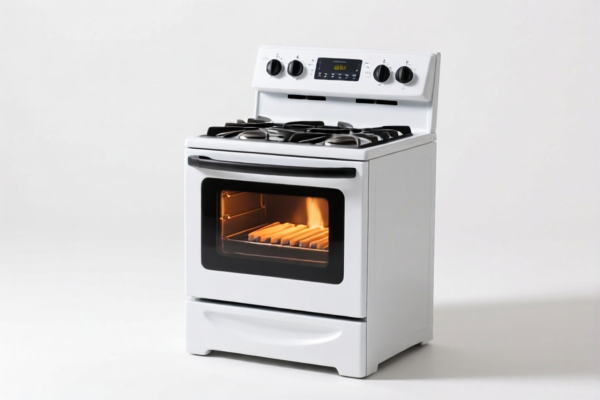
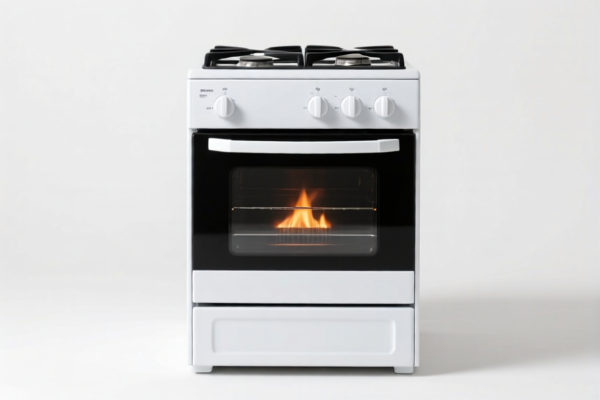
AI Analysis
🔥 Heating Stove (Space Heaters & Cookware Warmers)
🌐 HS Code Reference & Customs Clearance Guide | 2026 Latest Tariff Analysis | Professional Clearance Strategy
📌 I. Product Definition & Classification: Do You Really Understand "Heating Stoves"?
"Heating Stoves" in international trade is a broad category that generally splits into two distinct functional paths based on their energy source and primary use case:
- Gas-Powered Heating/Cooking Accessories: Typically made of Iron or Steel, used as warming trays, chafing dishes, or heating elements for cooking appliances.
- Electric Space Heaters: Portable or non-portable devices that convert electricity into heat for warming indoor spaces.
⚠️ Key Distinction Point:
- If it is Gas-powered and made of Iron/Steel for warming/cooking contexts → It falls under Chapter 73.
- If it is Electric for space heating → It falls under Chapter 85.
- Note: The specific HS codes below reflect the most common classifications for these variants under US import regulations.
📦 II. HS Code Classification Details (2026 Latest Tariff Authority Comparison)
| HS Code | Product Description | Application Scenario | Energy Source/Material |
|---|---|---|---|
7321.11.60.00 |
Gas stoves and similar appliances; Warming/Heating parts made of Iron or Steel | Gas cooking appliances, warming plates, chafing dishes, kitchen heating accessories | ⛽ Gas + 🦾 Iron/Steel |
8516.29.00.30 |
Electric Space Heaters | Portable or non-portable electric heaters, fan heaters, convector heaters | ⚡ Electric |
8516.29.00.60 |
Other Electric Heating Appliances | General electric heating devices, space heaters, other electric heating apparatus not elsewhere specified | ⚡ Electric |
🔍 Critical Reminder:
- Gas vs. Electric is the Primary Split: Do not confuse Gas Stoves (7321) with Electric Heaters (8516). Misclassification leads to massive duty discrepancies.
- Iron/Steel Material: For gas appliances, if the heating component is primarily Iron/Steel, it often stays within Chapter 73.
- Electric Heaters: Both8516.29.00.30and8516.29.00.60cover electric heaters. The distinction is often administrative or based on specific sub-heading definitions in the Harmonized Tariff Schedule (HTS).
💰 III. 2026 Latest Tariff Rate Detail (Including Surtaxes & Policy Add-ons)
✅ Applicable Country: United States (US)
✅ Country of Origin: China (CN)
✅ Effective Date: 2025/2026 (Including subsequent imports)
🎯 1. 7321.11.60.00 —— Gas Stoves / Warming Appliances (Iron/Steel)
This classification applies to gas heating appliances and parts made of iron or steel.
| Item | Content |
|---|---|
| Basic Duty Rate | 0% (ad valorem) |
| Section 301 Surcharge | +25% |
| Section 122 Duty | +10% |
| Section 232 Duty (Steel/Aluminum/Copper) | +50% |
| Total Duty Rate | 85.0% |
| Tax Calculation | CIF Value × 85% |
| De Minimis Exemption | ❌ Not Applicable |
| Legal Basis Path | Section 301 + Section 122 + Section 232 |
📌 Explanation:
- This is the highest risk category among heating stoves due to the combination of Section 301 (Trade War), Section 122, and Section 232 (Steel/Aluminum).
- The 50% Section 232 tariff is specifically targeted at steel and aluminum products, which heavily impacts gas stoves made of iron/steel.
- Total Tax Load: 85%. This makes shipping standard gas heating stoves from China to the US extremely cost-prohibitive unless exempted or sourced from third countries.
🎯 2. 8516.29.00.30 & 8516.29.00.60 —— Electric Space Heaters
Both codes cover electric space heaters. The duty structure is identical for these sub-headings in the provided data.
| Item | Content |
|---|---|
| Basic Duty Rate | 3.7% (ad valorem) |
| Section 301 Surcharge | +25% |
| Section 122 Duty | +10% |
| Total Duty Rate | 38.7% |
| Tax Calculation | CIF Value × 38.7% |
| De Minimis Exemption | ❌ Not Applicable |
| Legal Basis Path | Section 301 + Section 122 |
📌 Explanation:
- Unlike gas stoves, electric heaters do not incur the Section 232 (Steel) tariff in this specific calculation context (as they are primarily classified under electrical appliances, not raw steel products).
- However, they are still heavily taxed with Section 301 (25%) and Section 122 (10%).
- Total Tax Load: 38.7%. While lower than gas stoves, this is still a significant cost factor.
🛠️ IV. Customs Clearance Practical Advice (Combat Pitfall Guide)
✅ 1. Required Documentation Checklist (None Can Be Missing)
| Document | Mandatory? | Description |
|---|---|---|
| ✅ Product Specification Sheet | ✔️ | Must detail power source (Gas/Electric), material (Iron/Steel for gas), capacity, and safety certifications. |
| ✅ Technical Diagrams | ✔️ | For electric heaters, show heating element type. For gas, show burner structure. |
| ✅ Product Photos (Label/Mount) | ✔️ | Clear view of model number, voltage/amperage (for electric) or BTU/output (for gas). |
| ✅ Safety Certifications | ✔️ | UL, ETL, CSA (for US market). Essential for electric heaters to avoid detention. |
| ✅ Commercial Invoice | ✔️ | Must clearly state "Electric Space Heater" or "Gas Stove/Warming Appliance" – Do not use generic "Heater". |
| ✅ Certificate of Origin (CO) | ✔️ | Required to determine eligibility for any potential exemptions or to verify Chinese origin for surtaxes. |
| ✅ Packing List | ✔️ | Detailed packing list to prove no hidden components that might trigger different classifications. |
✅ 2. Declaration Tactics (Key Mantra)
🔥 "Source Matters: Gas is Steel (85%), Electric is Appliance (38.7%)"
| Scenario | Correct Declaration | Incorrect Practice |
|---|---|---|
| Gas Warming Tray | 7321.11.60.00 |
Misdeclare as 8516 (Electric) → High Risk of Penalty |
| Electric Portable Heater | 8516.29.00.30 or 60 |
Misdeclare as 7321 → Duty Underpayment |
| Gas Stove Made of Ceramic | Verify Specific Sub-heading | Assume all gas stoves are 7321 → May be incorrect if material differs |
| Electric Heater with Stand | Whole Unit Declaration | Split into "Heater" + "Stand" → Complex Duty Calculation Risk |
✅ 3. Special Situation Handling
| Situation | Handling Advice |
|---|---|
| Hybrid Units (Gas + Electric Ignition) | Often still classified under Gas (7321) because the primary function is gas heating. The electric component is auxiliary. |
| Electric Heaters with Steel Housing | Usually still classified under 8516 (Electric Appliances) rather than 7321 or 7308, unless the steel structure is the primary value/function. |
| OEM Custom Heaters | Provide customer PO and design drawings. Avoid vague descriptions like "Heating Device." |
| Origin Diversification | If sourcing from Vietnam, Thailand, or Mexico, you may be eligible for IEEPA Exemptions or lower Section 301 rates. Crucial for cost reduction. |
🌍 V. Global Market Clearance Comparison (2026 Latest)
| Country/Region | Recommended HS Code | Estimated Duty (China Origin) | Certification Requirement | Notes |
|---|---|---|---|---|
| 🇺🇸 USA | 8516.29.00.30 (Electric) |
38.7% (incl. Surtaxes) | UL/ETL + FCC (if applicable) | High cost due to Section 301 & 122. |
| 🇺🇸 USA | 7321.11.60.00 (Gas) |
85.0% (incl. Surtaxes) | UL/CSA + Venting Standards | Extremely high cost due to Section 232. |
| 🇨🇳 China | 8516.29.00.30 |
~3.7% - 5% | CCC + RoHS | No US surtaxes. |
| 🇪🇺 EU | 8516.29.00 |
~0% - 4% | CE + RoHS + ErP | No Section 301/232 equivalents. |
| 🇬🇧 UK | 8516.29.00 |
~4% | UKCA + CE | Post-Brexit rules apply. |
📌 Conclusion:
- USA is the most expensive market for Chinese-made heating stoves due to multiple layers of surtaxes (Section 301, 122, and 232).
- Electric heaters (38.7%) are more viable than Gas heaters (85%) due to the absence of the Steel/Aluminum Section 232 tariff in the electric classification.
- Supply Chain Diversification (e.g., moving final assembly to Southeast Asia) is highly recommended to mitigate US tariff risks.
📌 VI. Common Mistakes & Pitfall Guide (Lessons Learned)
❌ Mistake 1: Classifying a Gas Stove under 8516 to avoid Section 232.
👉 Consequence: Customs will reclassify upon inspection. Penalty for misdeclaration + back duties + potential fraud charges.
❌ Mistake 2: Ignoring Section 232 for Gas Stoves.
👉 Consequence: Unexpected 50% additional duty if the heater is made of steel/iron. Total tax jumps to 85%.
❌ Mistake 3: Using generic terms like "Heater" or "Stove" on the Invoice.
👉 Consequence: CBP (Customs and Border Protection) may issue a Request for Information (RFI) or detain the cargo, causing delays.
❌ Mistake 4: Assuming all Electric Heaters have the same tax rate.
👉 Consequence: While 8516.29.00.30 and .60 have the same rate here, other sub-headings might differ. Always verify the exact HTSUS.
✅ Correct Practice:
- Gas: "Gas Heating Stove, Iron Body, BTU Output X, Model ABC" →
7321.11.60.00- Electric: "Portable Electric Space Heater, 1500W, 120V, UL Listed, Model XYZ" →
8516.29.00.30
🎯 VII. Conclusion: Professional Declaration, Save Costs, Ensure Smooth Clearance!
🎯 Remember the Mantra:
🔹 "Gas is Steel (85% Tax), Electric is Appliance (38.7% Tax)."
🔹 "Don't mix Chapter 73 and 85. The duty difference is 46%!"
🔹 "Consider Origin Diversification to escape US Surtaxes."
📌 Pro Tip:
If your heating stoves are originally from Vietnam, Thailand, or Mexico, you might qualify for IEEPA Exemptions or reduced Section 301 rates.
👉 Action: Apply for Advance Ruling from CBP to confirm HS Code and duty liability before shipping.
📣 Immediate Action:
📞 Contact a professional customs broker.
📄 Provide product specs (Gas/Electric, Material).
🚀 Ensure your Heating Stove passes customs smoothly and profitably!
✨ Professional Clearance Starts with Accurate Classification!
💼 Every cent of tax is worth precise calculation!
Customer Reviews
About HS Code Classification
The Harmonized System (HS) is an internationally standardized nomenclature developed by the World Customs Organization (WCO) to classify traded products. Over 200 countries use the HS system as the basis for customs tariffs, trade statistics, and import/export regulations.
Each HS code follows a hierarchical structure:
- Chapter (2 digits) — Broad category of goods (e.g., Chapter 84: Machinery and Mechanical Appliances)
- Heading (4 digits) — More specific grouping within the chapter
- Subheading (6 digits) — Internationally standardized breakdown, used by all WCO member countries
- National subdivisions (8-10 digits) — Country-specific extensions for further classification, such as US HTSUS 10-digit codes
Correct HS code classification is essential for smooth customs clearance, accurate duty payment, and compliance with trade regulations. Misclassification can lead to customs delays, overpayment of duties, or penalties.
When importing from CN to US, the applicable tariff rates may include:
- Most-Favored-Nation (MFN) rate — The standard duty rate applied to WTO members
- General rate — Applied to countries without trade agreements
- Trade remedy duties — Additional tariffs such as Section 301 (anti-dumping), Section 232 (national security), or countervailing duties
The information provided on this page is for reference purposes only. For official classification, please consult with your local customs authority or a licensed customs broker.