industrial grade plastic synchronous belts
CN → US| HS编码 | 关税税率 | 原产国 | 目的国 | 文档 |
|---|---|---|---|---|
| 3926906010 | 39.2% | CN | US | 官方文档 |
| 8431390010 | 35.0% | CN | US | 官方文档 |
| 8431499084 | 85.0% | CN | US | 官方文档 |
| 3926906010 | 39.2% | CN | US | 官方文档 |
| 3926906010 | 39.2% | CN | US | 官方文档 |
商品图片
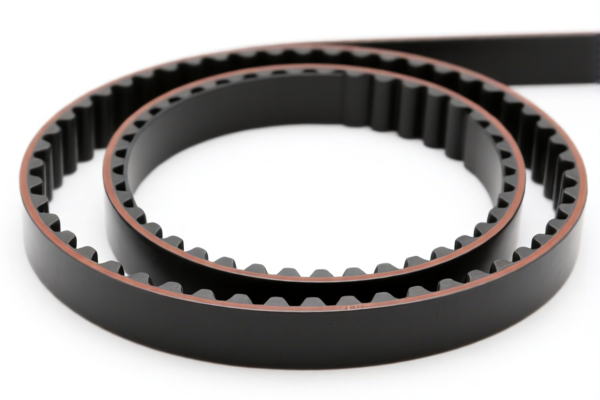
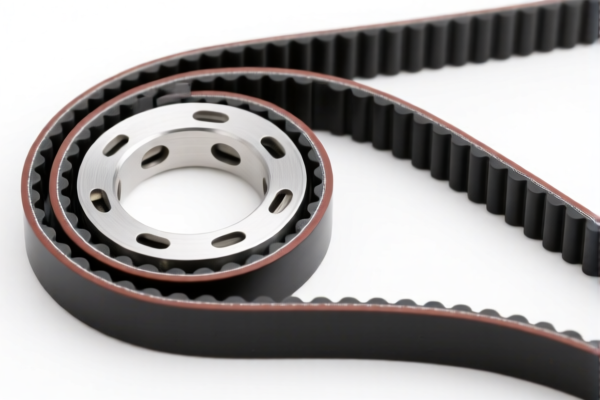
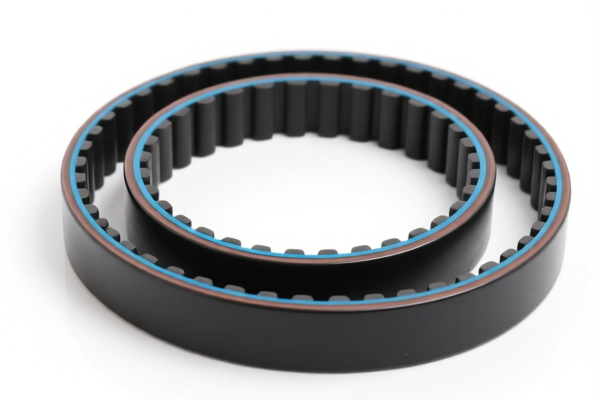
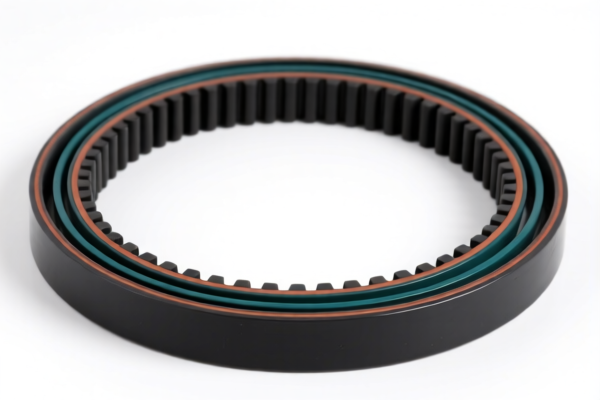
AI分析
🏭 Industrial Grade Plastic Synchronous Belts (Plastic Timing Belts)
🌐 HS Code Classification & Customs Clearance Guide | 2026 Latest Tariff Analysis | Strategic Compliance for US Imports
📌 I. Product Definition & Classification: What Exactly Is a "Plastic Synchronous Belt"?
Industrial-grade plastic synchronous belts (also known as timing belts or toothed belts) are critical transmission components used in automation, conveyor systems, and machinery. Unlike traditional V-belts, they use teeth to engage with pulleys, ensuring zero-slippage precision synchronization.
Key Distinction Factors for Classification: 1. Material: Primarily Polyurethane (PU), Nylon, or Acetal. 2. Form: Toothed belt, reinforced or unreinforced. 3. End Use: * As a Drive Component: If used to transmit power between shafts (e.g., motors to pumps), it falls under Chapter 39 (Plastics and Articles Thereof). * As a Conveyor/Transmission Part: If used as part of a larger machinery system (e.g., inside a conveyor system), it may fall under Chapter 84 (Machinery).
⚠️ Critical Classification Logic: * Chapter 39 (3926.90.60.10): The belt itself is viewed as a "plastic article" specifically identified as a "synchronous belt." This is the most accurate and favorable classification for standalone belts. * Chapter 84 (8431.39.00.10 / 8431.49.90.84): Viewed as a "part of machinery" or "conveyor component." This is a fallback category and often attracts higher total tariffs due to specific duty structures on mechanical parts.
📦 II. HS Code Classification Details (2026 Latest Tariff Reference)
Based on the provided data, here are the four potential HS Codes, ranked from most recommended to highest risk.
| HS Code | Product Description | Classification Logic | Total Tax Rate | Risk Level |
|---|---|---|---|---|
3926.90.60.10 |
High-Strength Plastic Synchronous Belt | Primary Match: Specifically identifies the item as a "synchronous belt" made of plastic. Matches shape, material, and function perfectly. | 39.2% | ✅ Low (Most Accurate) |
8431.39.00.10 |
Plastic Synchronous Conveyor Belt | Secondary Match: Classified as a key component of conveyor systems. Material is plastic, function is conveyance. | 35.0% | ⚠️ Medium (Valid but specific) |
3926.90.60.10 |
Industrial-Grade Plastic Synchronous Belt | Duplicate Match: Reiteration of the primary match. "Industrial-grade" does not change the HS code if it remains a plastic synchronous belt. | 39.2% | ✅ Low (Consistent) |
8431.49.90.84 |
Plastic Synchronous Transmission Belt (Mechanical Part) | Fallback Match: Classified as "other mechanical parts/accessories." Applies if the belt is not clearly a "synchronous belt" in the plastic chapter. Includes steel/aluminum surcharge. | 85.0% | 🔴 High (Highest Cost) |
🔍 Key Insight:
-3926.90.60.10is the standard and safest classification for plastic synchronous belts.
-8431.39.00.10is viable if the belt is explicitly marketed as a "conveyor belt" component.
-8431.49.90.84should be AVOIDED unless necessary, as the 85% total tax is prohibitive due to additional surcharges on metal/aluminum components (if any reinforcement is present).
💰 III. 2026 Latest Tariff Rate Breakdown (US Imports from China)
✅ Applicable Country: United States (US)
✅ Country of Origin: China (CN)
✅ Effective Date: November 10, 2025 (and subsequent imports)
🎯 1. 3926.90.60.10 – Plastic Synchronous Belts (Recommended)
| Item | Details |
|---|---|
| Base Duty Rate | 4.2% (Ad Valorem) |
| Section 301 Additional Duty | +25.0% (On most plastic articles from China) |
| 122 Section Duty (IEEPA) | +10.0% (Targeting Chinese imports) |
| Total Effective Tax Rate | 39.2% |
| Tax Calculation | CIF Value × 39.2% |
| De Minimis Exemption | ❌ Not Applicable (Denied for Section 301/122 items) |
| Legal Authority | HTSUS 3926.90.60.10 → Section 301 Footnote → IEEPA 122 Provision |
📌 Explanation:
- The 39.2% rate is the baseline cost for accurate classification.
- This rate applies uniformly to all "plastic synchronous belts" under this code.
- No de minimis exemption applies, meaning even small shipments are subject to full taxation.
🎯 2. 8431.39.00.10 – Plastic Synchronous Conveyor Belts
| Item | Details |
|---|---|
| Base Duty Rate | 0.0% (Many machinery parts have 0% base duty) |
| Section 301 Additional Duty | +25.0% |
| 122 Section Duty (IEEPA) | +10.0% |
| Total Effective Tax Rate | 35.0% |
| Tax Calculation | CIF Value × 35.0% |
| De Minimis Exemption | ❌ Not Applicable |
| Legal Authority | HTSUS 8431.39.00.10 → Section 301 Footnote → IEEPA 122 Provision |
📌 Explanation:
- While the base duty is 0%, the 25% + 10% surcharges bring the total to 35%.
- This is 4.2% cheaper than3926.90.60.10, but riskier because it requires proving the belt is a "conveyor system component." Misclassification can lead to penalties.
🎯 3. 8431.49.90.84 – Mechanical Parts/Accessories (Fallback)
| Item | Details |
|---|---|
| Base Duty Rate | 0.0% |
| Section 301 Additional Duty | +25.0% |
| 122 Section Duty (IEEPA) | +10.0% |
| Steel/Aluminum Surcharge | +50.0% (If belt contains steel/aluminum reinforcement) |
| Total Effective Tax Rate | 85.0% |
| Tax Calculation | CIF Value × 85.0% |
| De Minimis Exemption | ❌ Not Applicable |
| Legal Authority | HTSUS 8431.49.90.84 → Section 301 Footnote → IEEPA 122 Provision → Steel/Aluminum Surcharge |
📌 Explanation:
- AVOID THIS CODE UNLESS NECESSARY.
- The 85% total tax is catastrophic for profitability.
- The 50% surcharge is triggered if the belt has steel or aluminum tooth reinforcement. Many industrial belts have steel cords, which triggers this penalty.
🛠️ IV. Customs Clearance Practical Advice (Avoiding Pitfalls)
✅ 1. Required Documentation Checklist
| Document | Mandatory? | Description |
|---|---|---|
| Product Specification Sheet | ✔️ | Must clearly state: "Plastic Synchronous Belt," Material (PU/Nylon), Tooth Profile, Reinforcement (if any). |
| Technical Diagram | ✔️ | Show the belt as a standalone product, not installed in machinery. |
| Commercial Invoice | ✔️ | Use precise description: "Industrial Grade Plastic Synchronous Belt, PU Material, No Metal Reinforcement" |
| Packing List | ✔️ | List item weight and quantity. |
| Certificate of Origin (CO) | ✔️ | To confirm origin (China) and apply correct surcharges. |
| Reinforcement Disclosure | ✔️ | Critical: Clearly state if the belt contains steel/aluminum cords. If yes, expect 85% tax unless reclassified. |
✅ 2. Declaration Strategy (Key Rules)
🔥 "Declare by Material & Form, Not Just Use!"
| Scenario | Recommended HS Code | Reasoning |
|---|---|---|
| Standalone Plastic Belt | 3926.90.60.10 |
Best match for "plastic article" specifically identified as a belt. |
| Conveyor Belt System Component | 8431.39.00.10 |
Only if explicitly sold as part of a conveyor system. |
| Belt with Steel/Aluminum Reinforcement | 8431.49.90.84 (or avoid) |
Triggers 50% surcharge. Try to source all-plastic belts to use 3926.90.60.10. |
| Belt Installed in Machine | Machine's HS Code | Do not separate the belt; classify the whole machine. |
✅ 3. Special Considerations
| Situation | Advice |
|---|---|
| Reinforced Belts | If your belt has steel cords, it may be classified under 8431.49.90.84 with 85% tax. Consider sourcing all-plastic (glass/polyester reinforced) belts to stay under 3926.90.60.10 (39.2%). |
| OEM Custom Belts | Provide OEM drawings to prove the product is a "synchronous belt" and not a generic "conveyor belt part." |
| Sample Shipments | Even samples are subject to 39.2% or 35.0% tax. Do not expect de minimis exemption. |
| Pre-Ruling | Apply for an Advance Ruling from CBP to confirm 3926.90.60.10 is acceptable for your specific belt. |
🌍 V. Global Market Comparison (2026)
| Market | Recommended HS Code | Total Tax (China Origin) | Notes |
|---|---|---|---|
| 🇺🇸 USA | 3926.90.60.10 |
39.2% | Includes 301 + 122 tariffs. Avoid 8431.49 due to 85% tax. |
| 🇨🇳 China | 3926.90.60.10 |
~5-8% | Low import duty. No additional surcharges. |
| 🇪🇺 EU | 3926.90.60.10 |
~4% | Standard MFN duty. No Section 301 equivalent. |
| 🇨🇦 Canada | 3926.90.60.10 |
~6% | CUSMA may apply if origin shifts. |
📌 Conclusion:
- The USA is the most challenging market due to layered tariffs (301 + 122).
- Correct classification is critical to avoid the 85% pitfall.
- All-plastic belts are significantly cheaper to import than reinforced belts.
📌 VI. Common Mistakes & Pitfalls (Lessons Learned)
❌ Mistake 1: Classifying plastic synchronous belts as "general plastic parts" without specifying "synchronous belt."
👉 Consequence: May be misclassified under generic codes with higher duties or rejected by CBP.
❌ Mistake 2: Failing to disclose steel/aluminum reinforcement.
👉 Consequence: If discovered, the 50% steel/aluminum surcharge is applied retroactively + penalties. Total tax jumps to 85%.
❌ Mistake 3: Assuming "conveyor belt" means 8431.39.00.10 is always cheaper.
👉 Consequence: If the belt is not part of a conveyor system, CBP may reclassify to 3926.90.60.10 (39.2%) and charge penalties for misclassification.
❌ Mistake 4: Using "timing belt" or "synchro belt" without HS code reference.
👉 Consequence: CBP may use their own discretion, potentially leading to a less favorable code.
✅ Correct Practice:
"Industrial Plastic Synchronous Belt, Polyurethane, No Metal Reinforcement, for Automation Machinery, Model XYZ"
🎯 VII. Conclusion: Strategic Recommendations
🎯 Key Takeaways:
1. Primary Choice: Use 3926.90.60.10 for all standalone plastic synchronous belts. Total tax: 39.2%.
2. Alternative: Use 8431.39.00.10 only if explicitly marketed as conveyor system components. Total tax: 35.0%.
3. Avoid: 8431.49.90.84 unless necessary. Total tax: 85.0% due to steel/aluminum surcharges.
4. Product Design: Consider using glass or polyester-reinforced belts to avoid the 50% metal surcharge.
5. Documentation: Clearly state "No Metal Reinforcement" on the commercial invoice.
📌 Pro Tip:
If your belt contains steel cords, the tax burden is 85%. To reduce costs, switch to all-plastic (glass/polyester reinforced) belts to qualify for the 39.2% rate under
3926.90.60.10.
📣 Immediate Action:
📞 Contact your customs broker to confirm if your specific belt design (reinforcement type) qualifies for
3926.90.60.10.
📄 Apply for an Advance Ruling from CBP to secure the 39.2% rate.
🚀 Optimize supply chain: Source all-plastic belts to maximize profit margins.
✨ Professional Clearance Starts with Accurate Classification!
💼 Every 1% Tax Difference Is Pure Profit!
用户评价
关于 HS 编码归类
协调制度(HS)是由世界海关组织(WCO)制定的国际贸易商品分类标准。全球 200 多个国家采用 HS 系统作为海关关税、贸易统计和进出口监管的基础。
每个 HS 编码遵循以下层级结构:
- 章(2 位)——商品大类(例如:第 84 章:机器和机械设备)
- 品目(4 位)——章内的更具体分类
- 子目(6 位)——国际通用细分,所有 WCO 成员国统一使用
- 本国细分(8-10 位)——各国自行扩展的细分编码,如美国 HTSUS 10 位编码
正确的 HS 编码归类对于顺利通关、准确缴纳关税和遵守贸易法规至关重要。错误归类可能导致海关延误、多缴关税或罚款。
从CN进口到US时,适用的关税税率可能包括:
- 最惠国(MFN)税率——适用于 WTO 成员国的标准关税税率
- 普通税率——适用于无贸易协定国家
- 贸易救济关税——附加关税,如 301 条款(反倾销)、232 条款(国家安全)或反补贴税
本页内容仅供参考。如需正式归类,请咨询当地海关或持牌报关代理。