industrial grade plastic synchronous belts
CN → US| HS Code | Tariff Rate | Origin | Destination | Doc |
|---|---|---|---|---|
| 3926906010 | 39.2% | CN | US | Official Doc |
| 8431390010 | 35.0% | CN | US | Official Doc |
| 8431499084 | 85.0% | CN | US | Official Doc |
| 3926906010 | 39.2% | CN | US | Official Doc |
| 3926906010 | 39.2% | CN | US | Official Doc |
Product Images
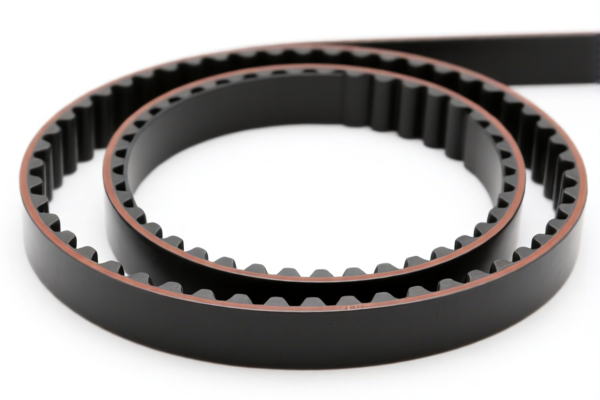
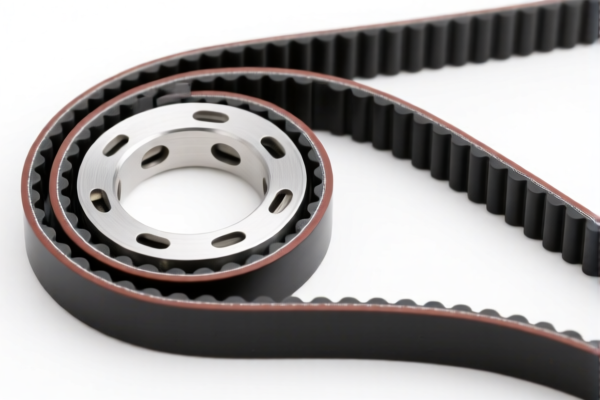
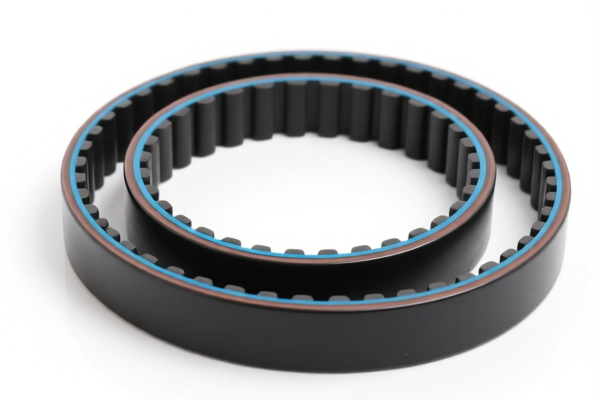
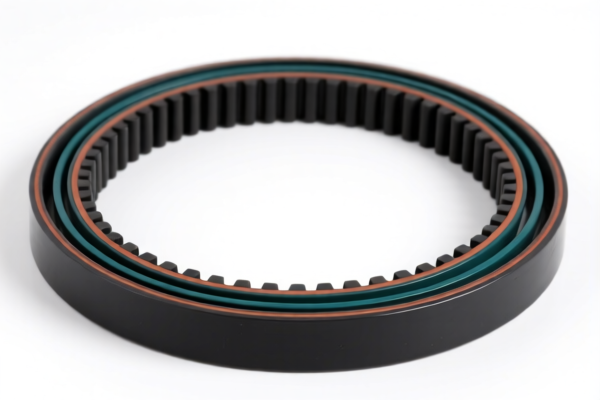
AI Analysis
🏭 Industrial Grade Plastic Synchronous Belts (Plastic Timing Belts)
🌐 HS Code Classification & Customs Clearance Guide | 2026 Latest Tariff Analysis | Strategic Compliance for US Imports
📌 I. Product Definition & Classification: What Exactly Is a "Plastic Synchronous Belt"?
Industrial-grade plastic synchronous belts (also known as timing belts or toothed belts) are critical transmission components used in automation, conveyor systems, and machinery. Unlike traditional V-belts, they use teeth to engage with pulleys, ensuring zero-slippage precision synchronization.
Key Distinction Factors for Classification: 1. Material: Primarily Polyurethane (PU), Nylon, or Acetal. 2. Form: Toothed belt, reinforced or unreinforced. 3. End Use: * As a Drive Component: If used to transmit power between shafts (e.g., motors to pumps), it falls under Chapter 39 (Plastics and Articles Thereof). * As a Conveyor/Transmission Part: If used as part of a larger machinery system (e.g., inside a conveyor system), it may fall under Chapter 84 (Machinery).
⚠️ Critical Classification Logic: * Chapter 39 (3926.90.60.10): The belt itself is viewed as a "plastic article" specifically identified as a "synchronous belt." This is the most accurate and favorable classification for standalone belts. * Chapter 84 (8431.39.00.10 / 8431.49.90.84): Viewed as a "part of machinery" or "conveyor component." This is a fallback category and often attracts higher total tariffs due to specific duty structures on mechanical parts.
📦 II. HS Code Classification Details (2026 Latest Tariff Reference)
Based on the provided data, here are the four potential HS Codes, ranked from most recommended to highest risk.
| HS Code | Product Description | Classification Logic | Total Tax Rate | Risk Level |
|---|---|---|---|---|
3926.90.60.10 |
High-Strength Plastic Synchronous Belt | Primary Match: Specifically identifies the item as a "synchronous belt" made of plastic. Matches shape, material, and function perfectly. | 39.2% | ✅ Low (Most Accurate) |
8431.39.00.10 |
Plastic Synchronous Conveyor Belt | Secondary Match: Classified as a key component of conveyor systems. Material is plastic, function is conveyance. | 35.0% | ⚠️ Medium (Valid but specific) |
3926.90.60.10 |
Industrial-Grade Plastic Synchronous Belt | Duplicate Match: Reiteration of the primary match. "Industrial-grade" does not change the HS code if it remains a plastic synchronous belt. | 39.2% | ✅ Low (Consistent) |
8431.49.90.84 |
Plastic Synchronous Transmission Belt (Mechanical Part) | Fallback Match: Classified as "other mechanical parts/accessories." Applies if the belt is not clearly a "synchronous belt" in the plastic chapter. Includes steel/aluminum surcharge. | 85.0% | 🔴 High (Highest Cost) |
🔍 Key Insight:
-3926.90.60.10is the standard and safest classification for plastic synchronous belts.
-8431.39.00.10is viable if the belt is explicitly marketed as a "conveyor belt" component.
-8431.49.90.84should be AVOIDED unless necessary, as the 85% total tax is prohibitive due to additional surcharges on metal/aluminum components (if any reinforcement is present).
💰 III. 2026 Latest Tariff Rate Breakdown (US Imports from China)
✅ Applicable Country: United States (US)
✅ Country of Origin: China (CN)
✅ Effective Date: November 10, 2025 (and subsequent imports)
🎯 1. 3926.90.60.10 – Plastic Synchronous Belts (Recommended)
| Item | Details |
|---|---|
| Base Duty Rate | 4.2% (Ad Valorem) |
| Section 301 Additional Duty | +25.0% (On most plastic articles from China) |
| 122 Section Duty (IEEPA) | +10.0% (Targeting Chinese imports) |
| Total Effective Tax Rate | 39.2% |
| Tax Calculation | CIF Value × 39.2% |
| De Minimis Exemption | ❌ Not Applicable (Denied for Section 301/122 items) |
| Legal Authority | HTSUS 3926.90.60.10 → Section 301 Footnote → IEEPA 122 Provision |
📌 Explanation:
- The 39.2% rate is the baseline cost for accurate classification.
- This rate applies uniformly to all "plastic synchronous belts" under this code.
- No de minimis exemption applies, meaning even small shipments are subject to full taxation.
🎯 2. 8431.39.00.10 – Plastic Synchronous Conveyor Belts
| Item | Details |
|---|---|
| Base Duty Rate | 0.0% (Many machinery parts have 0% base duty) |
| Section 301 Additional Duty | +25.0% |
| 122 Section Duty (IEEPA) | +10.0% |
| Total Effective Tax Rate | 35.0% |
| Tax Calculation | CIF Value × 35.0% |
| De Minimis Exemption | ❌ Not Applicable |
| Legal Authority | HTSUS 8431.39.00.10 → Section 301 Footnote → IEEPA 122 Provision |
📌 Explanation:
- While the base duty is 0%, the 25% + 10% surcharges bring the total to 35%.
- This is 4.2% cheaper than3926.90.60.10, but riskier because it requires proving the belt is a "conveyor system component." Misclassification can lead to penalties.
🎯 3. 8431.49.90.84 – Mechanical Parts/Accessories (Fallback)
| Item | Details |
|---|---|
| Base Duty Rate | 0.0% |
| Section 301 Additional Duty | +25.0% |
| 122 Section Duty (IEEPA) | +10.0% |
| Steel/Aluminum Surcharge | +50.0% (If belt contains steel/aluminum reinforcement) |
| Total Effective Tax Rate | 85.0% |
| Tax Calculation | CIF Value × 85.0% |
| De Minimis Exemption | ❌ Not Applicable |
| Legal Authority | HTSUS 8431.49.90.84 → Section 301 Footnote → IEEPA 122 Provision → Steel/Aluminum Surcharge |
📌 Explanation:
- AVOID THIS CODE UNLESS NECESSARY.
- The 85% total tax is catastrophic for profitability.
- The 50% surcharge is triggered if the belt has steel or aluminum tooth reinforcement. Many industrial belts have steel cords, which triggers this penalty.
🛠️ IV. Customs Clearance Practical Advice (Avoiding Pitfalls)
✅ 1. Required Documentation Checklist
| Document | Mandatory? | Description |
|---|---|---|
| Product Specification Sheet | ✔️ | Must clearly state: "Plastic Synchronous Belt," Material (PU/Nylon), Tooth Profile, Reinforcement (if any). |
| Technical Diagram | ✔️ | Show the belt as a standalone product, not installed in machinery. |
| Commercial Invoice | ✔️ | Use precise description: "Industrial Grade Plastic Synchronous Belt, PU Material, No Metal Reinforcement" |
| Packing List | ✔️ | List item weight and quantity. |
| Certificate of Origin (CO) | ✔️ | To confirm origin (China) and apply correct surcharges. |
| Reinforcement Disclosure | ✔️ | Critical: Clearly state if the belt contains steel/aluminum cords. If yes, expect 85% tax unless reclassified. |
✅ 2. Declaration Strategy (Key Rules)
🔥 "Declare by Material & Form, Not Just Use!"
| Scenario | Recommended HS Code | Reasoning |
|---|---|---|
| Standalone Plastic Belt | 3926.90.60.10 |
Best match for "plastic article" specifically identified as a belt. |
| Conveyor Belt System Component | 8431.39.00.10 |
Only if explicitly sold as part of a conveyor system. |
| Belt with Steel/Aluminum Reinforcement | 8431.49.90.84 (or avoid) |
Triggers 50% surcharge. Try to source all-plastic belts to use 3926.90.60.10. |
| Belt Installed in Machine | Machine's HS Code | Do not separate the belt; classify the whole machine. |
✅ 3. Special Considerations
| Situation | Advice |
|---|---|
| Reinforced Belts | If your belt has steel cords, it may be classified under 8431.49.90.84 with 85% tax. Consider sourcing all-plastic (glass/polyester reinforced) belts to stay under 3926.90.60.10 (39.2%). |
| OEM Custom Belts | Provide OEM drawings to prove the product is a "synchronous belt" and not a generic "conveyor belt part." |
| Sample Shipments | Even samples are subject to 39.2% or 35.0% tax. Do not expect de minimis exemption. |
| Pre-Ruling | Apply for an Advance Ruling from CBP to confirm 3926.90.60.10 is acceptable for your specific belt. |
🌍 V. Global Market Comparison (2026)
| Market | Recommended HS Code | Total Tax (China Origin) | Notes |
|---|---|---|---|
| 🇺🇸 USA | 3926.90.60.10 |
39.2% | Includes 301 + 122 tariffs. Avoid 8431.49 due to 85% tax. |
| 🇨🇳 China | 3926.90.60.10 |
~5-8% | Low import duty. No additional surcharges. |
| 🇪🇺 EU | 3926.90.60.10 |
~4% | Standard MFN duty. No Section 301 equivalent. |
| 🇨🇦 Canada | 3926.90.60.10 |
~6% | CUSMA may apply if origin shifts. |
📌 Conclusion:
- The USA is the most challenging market due to layered tariffs (301 + 122).
- Correct classification is critical to avoid the 85% pitfall.
- All-plastic belts are significantly cheaper to import than reinforced belts.
📌 VI. Common Mistakes & Pitfalls (Lessons Learned)
❌ Mistake 1: Classifying plastic synchronous belts as "general plastic parts" without specifying "synchronous belt."
👉 Consequence: May be misclassified under generic codes with higher duties or rejected by CBP.
❌ Mistake 2: Failing to disclose steel/aluminum reinforcement.
👉 Consequence: If discovered, the 50% steel/aluminum surcharge is applied retroactively + penalties. Total tax jumps to 85%.
❌ Mistake 3: Assuming "conveyor belt" means 8431.39.00.10 is always cheaper.
👉 Consequence: If the belt is not part of a conveyor system, CBP may reclassify to 3926.90.60.10 (39.2%) and charge penalties for misclassification.
❌ Mistake 4: Using "timing belt" or "synchro belt" without HS code reference.
👉 Consequence: CBP may use their own discretion, potentially leading to a less favorable code.
✅ Correct Practice:
"Industrial Plastic Synchronous Belt, Polyurethane, No Metal Reinforcement, for Automation Machinery, Model XYZ"
🎯 VII. Conclusion: Strategic Recommendations
🎯 Key Takeaways:
1. Primary Choice: Use 3926.90.60.10 for all standalone plastic synchronous belts. Total tax: 39.2%.
2. Alternative: Use 8431.39.00.10 only if explicitly marketed as conveyor system components. Total tax: 35.0%.
3. Avoid: 8431.49.90.84 unless necessary. Total tax: 85.0% due to steel/aluminum surcharges.
4. Product Design: Consider using glass or polyester-reinforced belts to avoid the 50% metal surcharge.
5. Documentation: Clearly state "No Metal Reinforcement" on the commercial invoice.
📌 Pro Tip:
If your belt contains steel cords, the tax burden is 85%. To reduce costs, switch to all-plastic (glass/polyester reinforced) belts to qualify for the 39.2% rate under
3926.90.60.10.
📣 Immediate Action:
📞 Contact your customs broker to confirm if your specific belt design (reinforcement type) qualifies for
3926.90.60.10.
📄 Apply for an Advance Ruling from CBP to secure the 39.2% rate.
🚀 Optimize supply chain: Source all-plastic belts to maximize profit margins.
✨ Professional Clearance Starts with Accurate Classification!
💼 Every 1% Tax Difference Is Pure Profit!
Customer Reviews
About HS Code Classification
The Harmonized System (HS) is an internationally standardized nomenclature developed by the World Customs Organization (WCO) to classify traded products. Over 200 countries use the HS system as the basis for customs tariffs, trade statistics, and import/export regulations.
Each HS code follows a hierarchical structure:
- Chapter (2 digits) — Broad category of goods (e.g., Chapter 84: Machinery and Mechanical Appliances)
- Heading (4 digits) — More specific grouping within the chapter
- Subheading (6 digits) — Internationally standardized breakdown, used by all WCO member countries
- National subdivisions (8-10 digits) — Country-specific extensions for further classification, such as US HTSUS 10-digit codes
Correct HS code classification is essential for smooth customs clearance, accurate duty payment, and compliance with trade regulations. Misclassification can lead to customs delays, overpayment of duties, or penalties.
When importing from CN to US, the applicable tariff rates may include:
- Most-Favored-Nation (MFN) rate — The standard duty rate applied to WTO members
- General rate — Applied to countries without trade agreements
- Trade remedy duties — Additional tariffs such as Section 301 (anti-dumping), Section 232 (national security), or countervailing duties
The information provided on this page is for reference purposes only. For official classification, please consult with your local customs authority or a licensed customs broker.