knitted or crocheted garments for babies
CN → US| HS编码 | 关税税率 | 原产国 | 目的国 | 文档 |
|---|---|---|---|---|
| 6109100070 | 34.0% | CN | US | 官方文档 |
| 6112110010 | 32.4% | CN | US | 官方文档 |
| 6109100027 | 34.0% | CN | US | 官方文档 |
| 6109908030 | 33.5% | CN | US | 官方文档 |
| 6111205000 | 32.4% | CN | US | 官方文档 |
商品图片
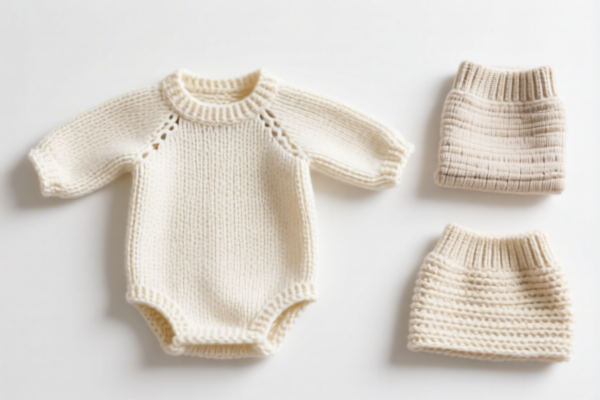
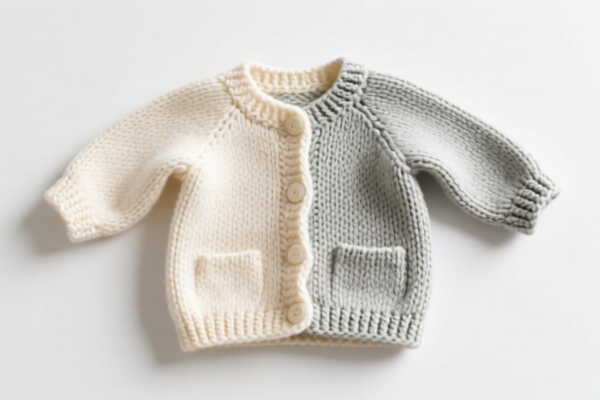
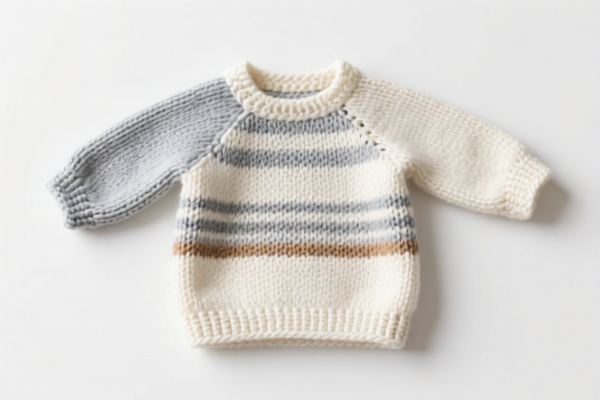
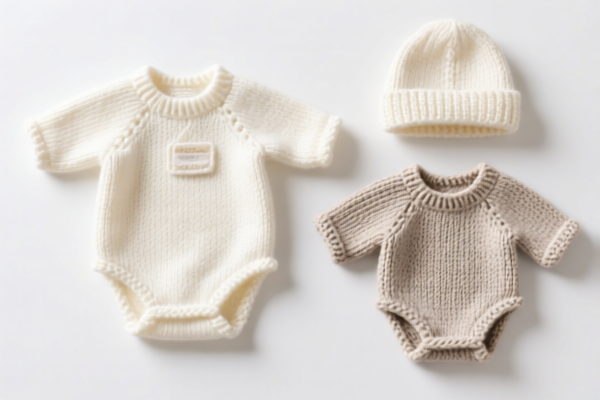
AI分析
👶 Knitted or Crocheted Garments for Babies
🌐 HS Code Reference & Customs Clearance Guide | 2026 Latest Tariff Analysis | Professional Clearance Strategy
📌 I. Product Definition & Classification: Do You Really Know "Baby Knitwear"?
Knitted or crocheted garments for babies are a specialized category within Chapter 61 of the Harmonized System (HS). In international trade, these items are strictly categorized based on form (garment type), material composition, and intended use (infants under 2 years old).
Key Distinctions:
- Specific vs. General Knitwear: If the garment is specifically designed for infants (e.g., rompers, baby pants, infant tops), it falls under specific headings like 6111 or 6109.
- Material Matters: The tax rate varies significantly based on whether the material is Cotton, Synthetic Fibers (e.g., Polyester), or Other Textile Materials.
- Form Factor: "Garments for babies" often include specific sub-items like "infant trousers" (钩编婴儿裤) or "T-shirts" (T恤) which have dedicated HS codes distinct from general adult apparel.
⚠️ Critical Classification Point:
- If the item is a T-shirt for babies → Check 6109.10 (Cotton) or 6109.90 (Other materials).
- If the item is Pants/Bottoms for babies → Check 6111.20 (Cotton) or 6111.30 (Synthetics).
- Do NOT confuse "baby garments" with "adult small sizes"; they must meet the definition of "for infants."
📦 II. HS Code Classification Details (2026 Latest Tariff Authority Comparison)
Based on the provided , here are the precise HS Codes for knitted/crocheted baby garments, categorized by type and material.
| HS Code | Product Description | Material Inference | Application Scenario |
|---|---|---|---|
6109.10.00.70 |
Knitted or crocheted T-shirts | Cotton (Inferred) | Infant T-shirts, general baby tops |
6109.10.00.27 |
Knitted or crocheted T-shirts | Cotton or Polyester (Inferred) | Baby T-shirts, mixed material tops |
6109.90.80.30 |
Crocheted Baby Pants/Trousers | Non-Wool Textile (Inferred) | Baby pants, general non-wool infant bottoms |
6111.20.50.00 |
Crocheted Baby Pants | Cotton | Cotton infant trousers, specific baby wear |
6112.11.00.10 |
Knitted/Crocheted Garments | Unspecified (Likely Cotton/Synth) | General baby garments, form/usage match |
6111.30.10.00 |
Crocheted Baby Pants | Synthetic Fiber or Cotton | Infant pants, synthetic-heavy blends |
🔍 Important Note:
- 6109 Series: Primarily for T-shirts and similar tops.
- 6111 Series: Specifically for Garments for Infants (including pants, rompers, etc.).
- 6112 Series: For Sports/Other Special Use garments; only used if the baby garment fits this specific functional description (less common for general baby wear).
💰 III. 2026 Latest Tariff Rate Breakdown (Including Surtaxes & Policy Add-ons)
✅ Applicable Country: United States (US)
✅ Country of Origin: China (CN)
✅ Effective Date: Current tariffs apply (Base + Section 301 + Section 122/IEEPA)
🎯 1. 6109.10.00.70 & 6109.10.00.27 —— Knitted T-shirts (Cotton/Polyester)
| Item | Content |
|---|---|
| Base Tariff | 16.5% (Ad Valorem) |
| Surtax (Section 301) | +7.5% (Specific to HTSUS 6109.10.00) |
| Additional Tax (Section 122/IEEPA) | +10% (Targeted trade measures) |
| Total Tax Rate | 34.0% |
| Tax Calculation | CIF Value × 34.0% |
| De Minimis Exemption | ❌ Not Eligible (High tariff rate usually excludes from 800 USD de minimis if flagged, or strictly controlled) |
| Legal Basis Path | HTSUS:6109.10.00 → Section 301 Footnote 9903.88.01 → Section 122/IEEPA Order |
📌 Explanation:
- Base 16.5%: Standard Most Favored Nation (MFN) rate for cotton/synthetic knitted T-shirts.
- 7.5% Surtax: Part of the Section 301 tariff list for specific apparel categories.
- 10% Additional Tax: Reflects recent policy add-ons (e.g., Section 122 or similar emergency powers).
- Total 34.0%: A significant cost burden. Must be factored into pricing.
🎯 2. 6109.90.80.30 —— Crocheted Baby Pants (Non-Wool)
| Item | Content |
|---|---|
| Base Tariff | 16.0% |
| Surtax (Section 301) | +7.5% |
| Additional Tax (Section 122/IEEPA) | +10% |
| Total Tax Rate | 33.5% |
| Tax Calculation | CIF Value × 33.5% |
| De Minimis Exemption | ❌ Not Eligible |
| Legal Basis Path | HTSUS:6109.90.80 → Section 301 Footnote 9903.88.01 → Section 122/IEEPA Order |
📌 Explanation:
- Slightly lower base rate (16.0%) compared to cotton T-shirts (16.5%), but surtaxes remain the same.
- "Non-wool" classification is key here; wool items would fall under different chapters (Chapter 61 or 62 with different rates).
🎯 3. 6111.20.50.00 —— Crocheted Baby Pants (Cotton)
| Item | Content |
|---|---|
| Base Tariff | 14.9% |
| Surtax (Section 301) | +7.5% |
| Additional Tax (Section 122/IEEPA) | +10% |
| Total Tax Rate | 32.4% |
| Tax Calculation | CIF Value × 32.4% |
| De Minimis Exemption | ❌ Not Eligible |
| Legal Basis Path | HTSUS:6111.20.50 → Section 301 Footnote 9903.88.01 → Section 122/IEEPA Order |
📌 Explanation:
- Lowest Base Rate (14.9%) among the listed codes for cotton-specific baby garments.
- Total 32.4%: Still high, but 0.5%-1.6% lower than the T-shirt category. This highlights the importance of precise HS code selection.
🎯 4. 6111.30.10.00 —— Crocheted Baby Pants (Synthetic/Cotton Blend)
| Item | Content |
|---|---|
| Base Tariff | 28.2% |
| Surtax (Section 301) | +7.5% |
| Additional Tax (Section 122/IEEPA) | +10% |
| Total Tax Rate | 45.7% |
| Tax Calculation | CIF Value × 45.7% |
| De Minimis Exemption | ❌ Not Eligible |
| Legal Basis Path | HTSUS:6111.30.10 → Section 301 Footnote 9903.88.01 → Section 122/IEEPA Order |
📌 Explanation:
- Highest Tax Rate (45.7%)!
- Synthetic fibers (e.g., Polyester, Nylon) often attract higher base tariffs (28.2%) in the US tariff schedule.
- Warning: Misclassifying a synthetic-blend baby pant as cotton can lead to massive underpayment penalties. Conversely, if it is synthetic, expect a nearly 50% tax hit.
🎯 5. 6112.11.00.10 —— Knitted/Crocheted Garments (General/Sports)
| Item | Content |
|---|---|
| Base Tariff | 14.9% |
| Surtax (Section 301) | +7.5% |
| Additional Tax (Section 122/IEEPA) | +10% |
| Total Tax Rate | 32.4% |
| Tax Calculation | CIF Value × 32.4% |
| De Minimis Exemption | ❌ Not Eligible |
| Legal Basis Path | HTSUS:6112.11.00 → Section 301 Footnote 9903.88.01 → Section 122/IEEPA Order |
📌 Explanation:
- Matches the rate of Cotton Baby Pants (6111.20.50.00).
- Only applicable if the garment is explicitly for sports/athletic use or fits this specific subheading. For general baby clothes,6111is more accurate.
🛠️ IV. Customs Clearance Practical Advice (Real-World Pitfall Guide)
✅ 1. Required Documentation Checklist (All Mandatory)
| Document | Must Provide? | Explanation |
|---|---|---|
| ✅ Product Specification Sheet | ✔️ | Must detail: Material (Cotton vs. Synthetic), Age Group (0-24 months), Knitting Method (Knitted vs. Crocheted). |
| ✅ Material Composition Label | ✔️ | Clear % breakdown (e.g., "100% Cotton" or "65% Polyester, 35% Cotton"). Crucial for base tariff determination. |
| ✅ Product Photos | ✔️ | Show entire garment, tags, and close-ups of fabric texture (to prove knitted/crocheted). |
| ✅ Commercial Invoice | ✔️ | Must state "Knitted Baby Garments" or "Crocheted Infant Pants," NOT just "Clothing." |
| ✅ Packing List | ✔️ | Confirm quantity, weight, and dimensions. |
| ✅ Origin Certificate (CO) | ✔️ | Required for US origin determination; China origin triggers surtaxes. |
✅ 2. Declaration Tips (Key Mantras)
🔥 "Material Defines Base, Form Defines Chapter, Name Must Be Precise!"
| Situation | Correct Declaration | Wrong Approach |
|---|---|---|
| Cotton Baby T-Shirt | 6109.10.00.70 |
Misclassify as adult cotton T-shirt → Same code, but verify infant definition. |
| Synthetic Baby Pants | 6111.30.10.00 |
Misclassify as Cotton → Penalty for undervaluation + wrong HS. |
| Crocheted (Not Knitted) Pants | 6109.90.80.30 or 6111.20.50.00 |
Label as "Knitted" → Customs may reject due to manufacturing method mismatch. |
| General Baby Clothes (Unsure) | 6112.11.00.10 (if sports) or 6111 (general) |
Use vague term "Baby Clothes" → High risk of reclassification and delay. |
✅ 3. Special Case Handling
| Scenario | Handling Advice |
|---|---|
| Mixed Material Garments | Declare based on the principal material (usually >50% by weight). If equal, follow HTSUS General Rule of Interpretation 3(b). |
| OEM/Custom Designs | Provide design sketches and customer orders. Avoid generic descriptions like "Baby Shirt"; use "Infant Romper, Cotton, Knitted." |
| Accessories (Hats, Mittens) | Ensure they are classified correctly (e.g., Hats may be Chapter 65, not 61). Do not bundle with clothing unless declared separately. |
| "De Minimis" Strategy | ⚠️ Caution: With total rates >32%, these items are highly unlikely to qualify for Section 321 (de minimis) exemption if flagged for Section 301/122 tariffs. Assume full taxation. |
🌍 V. Global Market Clearance Comparison (2026 Latest)
| Country/Region | Recommended HS Code | Tariff Rate | Certification Requirements | Notes |
|---|---|---|---|---|
| 🇺🇸 USA | 6109.10.00.70 / 6111.20.50.00 |
32.4% - 45.7% | CPC (Children's Product Certificate) | High tariffs due to Section 301 & 122. CPC mandatory for <12 years. |
| 🇨🇳 China | 6109.10.00 / 6111.20 |
5% - 9% | CCC (if applicable) | Low import tariffs for finished goods. |
| 🇪🇺 EU | 6109.10 / 6111.20 |
12% - 17% | CE + REACH + CPSIA-like safety | No Section 301 equivalent, but high standard compliance costs. |
| 🇨🇦 Canada | 6109.10 / 6111.20 |
17.5% - 18% | Health Canada Safety Standards | MFN rate applies; no surtaxes. |
| 🇦🇺 Australia | 6109.10 / 6111.20 |
5% - 10% | ACCC Safety Standards | Low tariffs, strict safety labeling. |
📌 Conclusion:
- USA is the most challenging market due to the combination of high base tariffs + Section 301 surtaxes + Section 122/IEEPA add-ons.
- Total landed cost in the US can be nearly 50% of the CIF value for synthetic items.
- Compliance (CPC) is as critical as tariff classification. Failure to provide a CPC can lead to detention at US CBP.
📌 VI. Common Mistakes & Pitfalls (Lessons Learned)
❌ Mistake 1: Assuming "Baby Clothes" qualify for de minimis ($800 exemption)
👉 Consequence: CBP may flag the shipment for Section 301/122 review. If duties are owed, the package is returned or destroyed.
Solution: Assume full duty payment is required for goods from China to the US.
❌ Mistake 2: Misidentifying Material (e.g., calling Polyester "Cotton")
👉 Consequence: Rate drops from 45.7% to 32.4% if misclassified. CBP audit will result in back duties + penalties.
Solution: Always provide a third-party lab test report for material composition.
❌ Mistake 3: Using "Knitted" for Crocheted Items
👉 Consequence: Discrepancy in HS code subheadings. While sometimes absorbed, it causes delays.
Solution: Specify "Crocheted" if the manufacturing method is crochet.
❌ Mistake 4: Ignoring CPC (Children’s Product Certificate)
👉 Consequence: Goods held at US port. Cannot be sold without CPC for children under 12.
Solution: Obtain CPC from an CPSC-accepted laboratory.
✅ Correct Declaration Example:
"Infant T-Shirt, Knitted, 100% Cotton, for babies 0-24 months, Model XYZ, CPC Certified."
🎯 VII. Conclusion: Professional Declaration, Cost Optimization, Risk Reduction
🎯 Remember the Mantra:
🔹 "Material Sets Base Rate, Section 301 Adds 7.5%, Section 122 Adds 10%."
🔹 "Cotton is Cheaper (32.4%), Synthetic is Expensive (45.7%)."
🔹 "Always have CPC. Always declare accurately."
📌 Pro Tip:
- If you are exporting to the US, pre-classify your goods using an Advance Ruling from US CBP.
- Consider supply chain diversification (e.g., Vietnam, Bangladesh) to avoid Section 301/122 tariffs if volumes are high.
- Lab tests are your best friend: Keep material composition reports updated and accessible.
📣 Take Action Now:
📞 Contact a licensed US customs broker + Provide detailed product specs + Obtain CPC
🚀 Ensure smooth clearance, avoid penalties, and maximize your profit margins!
✨ Professional clearance starts with precise classification!
💼 Every cent of tax savings matters!
用户评价
关于 HS 编码归类
协调制度(HS)是由世界海关组织(WCO)制定的国际贸易商品分类标准。全球 200 多个国家采用 HS 系统作为海关关税、贸易统计和进出口监管的基础。
每个 HS 编码遵循以下层级结构:
- 章(2 位)——商品大类(例如:第 84 章:机器和机械设备)
- 品目(4 位)——章内的更具体分类
- 子目(6 位)——国际通用细分,所有 WCO 成员国统一使用
- 本国细分(8-10 位)——各国自行扩展的细分编码,如美国 HTSUS 10 位编码
正确的 HS 编码归类对于顺利通关、准确缴纳关税和遵守贸易法规至关重要。错误归类可能导致海关延误、多缴关税或罚款。
从CN进口到US时,适用的关税税率可能包括:
- 最惠国(MFN)税率——适用于 WTO 成员国的标准关税税率
- 普通税率——适用于无贸易协定国家
- 贸易救济关税——附加关税,如 301 条款(反倾销)、232 条款(国家安全)或反补贴税
本页内容仅供参考。如需正式归类,请咨询当地海关或持牌报关代理。