knitted or crocheted garments for babies
CN → US| HS Code | Tariff Rate | Origin | Destination | Doc |
|---|---|---|---|---|
| 6109100070 | 34.0% | CN | US | Official Doc |
| 6112110010 | 32.4% | CN | US | Official Doc |
| 6109100027 | 34.0% | CN | US | Official Doc |
| 6109908030 | 33.5% | CN | US | Official Doc |
| 6111205000 | 32.4% | CN | US | Official Doc |
Product Images
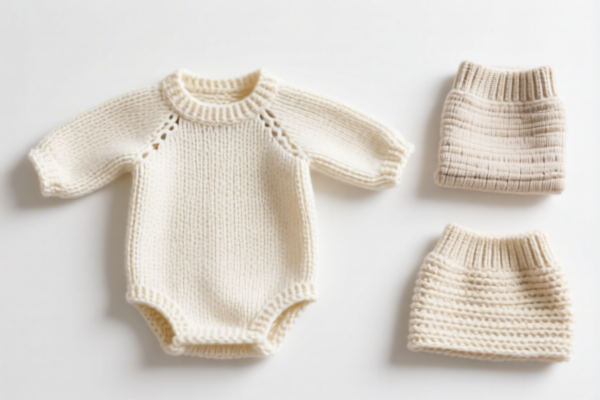
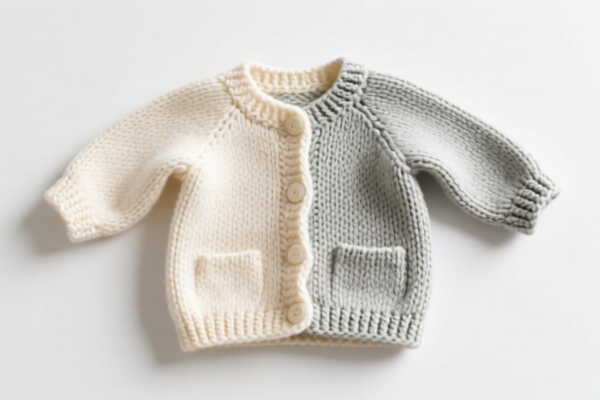
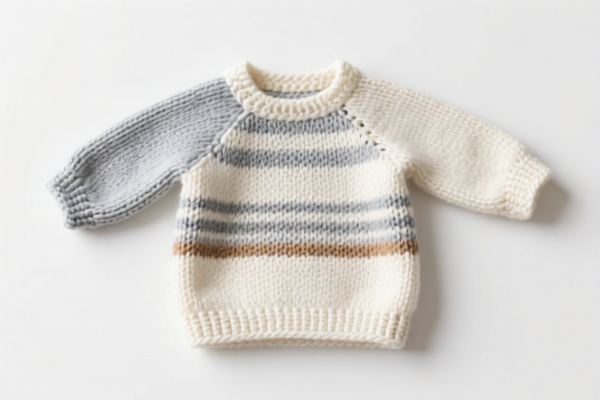
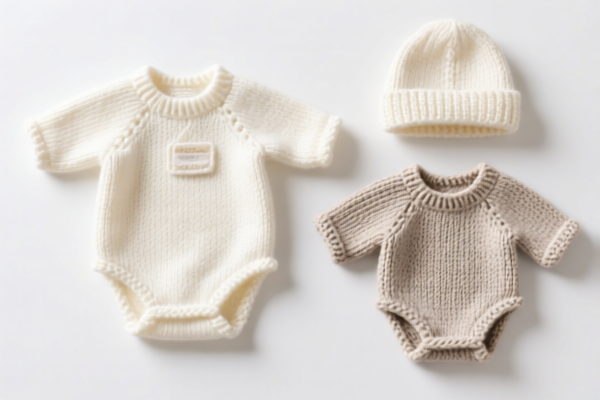
AI Analysis
👶 Knitted or Crocheted Garments for Babies
🌐 HS Code Reference & Customs Clearance Guide | 2026 Latest Tariff Analysis | Professional Clearance Strategy
📌 I. Product Definition & Classification: Do You Really Know "Baby Knitwear"?
Knitted or crocheted garments for babies are a specialized category within Chapter 61 of the Harmonized System (HS). In international trade, these items are strictly categorized based on form (garment type), material composition, and intended use (infants under 2 years old).
Key Distinctions:
- Specific vs. General Knitwear: If the garment is specifically designed for infants (e.g., rompers, baby pants, infant tops), it falls under specific headings like 6111 or 6109.
- Material Matters: The tax rate varies significantly based on whether the material is Cotton, Synthetic Fibers (e.g., Polyester), or Other Textile Materials.
- Form Factor: "Garments for babies" often include specific sub-items like "infant trousers" (钩编婴儿裤) or "T-shirts" (T恤) which have dedicated HS codes distinct from general adult apparel.
⚠️ Critical Classification Point:
- If the item is a T-shirt for babies → Check 6109.10 (Cotton) or 6109.90 (Other materials).
- If the item is Pants/Bottoms for babies → Check 6111.20 (Cotton) or 6111.30 (Synthetics).
- Do NOT confuse "baby garments" with "adult small sizes"; they must meet the definition of "for infants."
📦 II. HS Code Classification Details (2026 Latest Tariff Authority Comparison)
Based on the provided , here are the precise HS Codes for knitted/crocheted baby garments, categorized by type and material.
| HS Code | Product Description | Material Inference | Application Scenario |
|---|---|---|---|
6109.10.00.70 |
Knitted or crocheted T-shirts | Cotton (Inferred) | Infant T-shirts, general baby tops |
6109.10.00.27 |
Knitted or crocheted T-shirts | Cotton or Polyester (Inferred) | Baby T-shirts, mixed material tops |
6109.90.80.30 |
Crocheted Baby Pants/Trousers | Non-Wool Textile (Inferred) | Baby pants, general non-wool infant bottoms |
6111.20.50.00 |
Crocheted Baby Pants | Cotton | Cotton infant trousers, specific baby wear |
6112.11.00.10 |
Knitted/Crocheted Garments | Unspecified (Likely Cotton/Synth) | General baby garments, form/usage match |
6111.30.10.00 |
Crocheted Baby Pants | Synthetic Fiber or Cotton | Infant pants, synthetic-heavy blends |
🔍 Important Note:
- 6109 Series: Primarily for T-shirts and similar tops.
- 6111 Series: Specifically for Garments for Infants (including pants, rompers, etc.).
- 6112 Series: For Sports/Other Special Use garments; only used if the baby garment fits this specific functional description (less common for general baby wear).
💰 III. 2026 Latest Tariff Rate Breakdown (Including Surtaxes & Policy Add-ons)
✅ Applicable Country: United States (US)
✅ Country of Origin: China (CN)
✅ Effective Date: Current tariffs apply (Base + Section 301 + Section 122/IEEPA)
🎯 1. 6109.10.00.70 & 6109.10.00.27 —— Knitted T-shirts (Cotton/Polyester)
| Item | Content |
|---|---|
| Base Tariff | 16.5% (Ad Valorem) |
| Surtax (Section 301) | +7.5% (Specific to HTSUS 6109.10.00) |
| Additional Tax (Section 122/IEEPA) | +10% (Targeted trade measures) |
| Total Tax Rate | 34.0% |
| Tax Calculation | CIF Value × 34.0% |
| De Minimis Exemption | ❌ Not Eligible (High tariff rate usually excludes from 800 USD de minimis if flagged, or strictly controlled) |
| Legal Basis Path | HTSUS:6109.10.00 → Section 301 Footnote 9903.88.01 → Section 122/IEEPA Order |
📌 Explanation:
- Base 16.5%: Standard Most Favored Nation (MFN) rate for cotton/synthetic knitted T-shirts.
- 7.5% Surtax: Part of the Section 301 tariff list for specific apparel categories.
- 10% Additional Tax: Reflects recent policy add-ons (e.g., Section 122 or similar emergency powers).
- Total 34.0%: A significant cost burden. Must be factored into pricing.
🎯 2. 6109.90.80.30 —— Crocheted Baby Pants (Non-Wool)
| Item | Content |
|---|---|
| Base Tariff | 16.0% |
| Surtax (Section 301) | +7.5% |
| Additional Tax (Section 122/IEEPA) | +10% |
| Total Tax Rate | 33.5% |
| Tax Calculation | CIF Value × 33.5% |
| De Minimis Exemption | ❌ Not Eligible |
| Legal Basis Path | HTSUS:6109.90.80 → Section 301 Footnote 9903.88.01 → Section 122/IEEPA Order |
📌 Explanation:
- Slightly lower base rate (16.0%) compared to cotton T-shirts (16.5%), but surtaxes remain the same.
- "Non-wool" classification is key here; wool items would fall under different chapters (Chapter 61 or 62 with different rates).
🎯 3. 6111.20.50.00 —— Crocheted Baby Pants (Cotton)
| Item | Content |
|---|---|
| Base Tariff | 14.9% |
| Surtax (Section 301) | +7.5% |
| Additional Tax (Section 122/IEEPA) | +10% |
| Total Tax Rate | 32.4% |
| Tax Calculation | CIF Value × 32.4% |
| De Minimis Exemption | ❌ Not Eligible |
| Legal Basis Path | HTSUS:6111.20.50 → Section 301 Footnote 9903.88.01 → Section 122/IEEPA Order |
📌 Explanation:
- Lowest Base Rate (14.9%) among the listed codes for cotton-specific baby garments.
- Total 32.4%: Still high, but 0.5%-1.6% lower than the T-shirt category. This highlights the importance of precise HS code selection.
🎯 4. 6111.30.10.00 —— Crocheted Baby Pants (Synthetic/Cotton Blend)
| Item | Content |
|---|---|
| Base Tariff | 28.2% |
| Surtax (Section 301) | +7.5% |
| Additional Tax (Section 122/IEEPA) | +10% |
| Total Tax Rate | 45.7% |
| Tax Calculation | CIF Value × 45.7% |
| De Minimis Exemption | ❌ Not Eligible |
| Legal Basis Path | HTSUS:6111.30.10 → Section 301 Footnote 9903.88.01 → Section 122/IEEPA Order |
📌 Explanation:
- Highest Tax Rate (45.7%)!
- Synthetic fibers (e.g., Polyester, Nylon) often attract higher base tariffs (28.2%) in the US tariff schedule.
- Warning: Misclassifying a synthetic-blend baby pant as cotton can lead to massive underpayment penalties. Conversely, if it is synthetic, expect a nearly 50% tax hit.
🎯 5. 6112.11.00.10 —— Knitted/Crocheted Garments (General/Sports)
| Item | Content |
|---|---|
| Base Tariff | 14.9% |
| Surtax (Section 301) | +7.5% |
| Additional Tax (Section 122/IEEPA) | +10% |
| Total Tax Rate | 32.4% |
| Tax Calculation | CIF Value × 32.4% |
| De Minimis Exemption | ❌ Not Eligible |
| Legal Basis Path | HTSUS:6112.11.00 → Section 301 Footnote 9903.88.01 → Section 122/IEEPA Order |
📌 Explanation:
- Matches the rate of Cotton Baby Pants (6111.20.50.00).
- Only applicable if the garment is explicitly for sports/athletic use or fits this specific subheading. For general baby clothes,6111is more accurate.
🛠️ IV. Customs Clearance Practical Advice (Real-World Pitfall Guide)
✅ 1. Required Documentation Checklist (All Mandatory)
| Document | Must Provide? | Explanation |
|---|---|---|
| ✅ Product Specification Sheet | ✔️ | Must detail: Material (Cotton vs. Synthetic), Age Group (0-24 months), Knitting Method (Knitted vs. Crocheted). |
| ✅ Material Composition Label | ✔️ | Clear % breakdown (e.g., "100% Cotton" or "65% Polyester, 35% Cotton"). Crucial for base tariff determination. |
| ✅ Product Photos | ✔️ | Show entire garment, tags, and close-ups of fabric texture (to prove knitted/crocheted). |
| ✅ Commercial Invoice | ✔️ | Must state "Knitted Baby Garments" or "Crocheted Infant Pants," NOT just "Clothing." |
| ✅ Packing List | ✔️ | Confirm quantity, weight, and dimensions. |
| ✅ Origin Certificate (CO) | ✔️ | Required for US origin determination; China origin triggers surtaxes. |
✅ 2. Declaration Tips (Key Mantras)
🔥 "Material Defines Base, Form Defines Chapter, Name Must Be Precise!"
| Situation | Correct Declaration | Wrong Approach |
|---|---|---|
| Cotton Baby T-Shirt | 6109.10.00.70 |
Misclassify as adult cotton T-shirt → Same code, but verify infant definition. |
| Synthetic Baby Pants | 6111.30.10.00 |
Misclassify as Cotton → Penalty for undervaluation + wrong HS. |
| Crocheted (Not Knitted) Pants | 6109.90.80.30 or 6111.20.50.00 |
Label as "Knitted" → Customs may reject due to manufacturing method mismatch. |
| General Baby Clothes (Unsure) | 6112.11.00.10 (if sports) or 6111 (general) |
Use vague term "Baby Clothes" → High risk of reclassification and delay. |
✅ 3. Special Case Handling
| Scenario | Handling Advice |
|---|---|
| Mixed Material Garments | Declare based on the principal material (usually >50% by weight). If equal, follow HTSUS General Rule of Interpretation 3(b). |
| OEM/Custom Designs | Provide design sketches and customer orders. Avoid generic descriptions like "Baby Shirt"; use "Infant Romper, Cotton, Knitted." |
| Accessories (Hats, Mittens) | Ensure they are classified correctly (e.g., Hats may be Chapter 65, not 61). Do not bundle with clothing unless declared separately. |
| "De Minimis" Strategy | ⚠️ Caution: With total rates >32%, these items are highly unlikely to qualify for Section 321 (de minimis) exemption if flagged for Section 301/122 tariffs. Assume full taxation. |
🌍 V. Global Market Clearance Comparison (2026 Latest)
| Country/Region | Recommended HS Code | Tariff Rate | Certification Requirements | Notes |
|---|---|---|---|---|
| 🇺🇸 USA | 6109.10.00.70 / 6111.20.50.00 |
32.4% - 45.7% | CPC (Children's Product Certificate) | High tariffs due to Section 301 & 122. CPC mandatory for <12 years. |
| 🇨🇳 China | 6109.10.00 / 6111.20 |
5% - 9% | CCC (if applicable) | Low import tariffs for finished goods. |
| 🇪🇺 EU | 6109.10 / 6111.20 |
12% - 17% | CE + REACH + CPSIA-like safety | No Section 301 equivalent, but high standard compliance costs. |
| 🇨🇦 Canada | 6109.10 / 6111.20 |
17.5% - 18% | Health Canada Safety Standards | MFN rate applies; no surtaxes. |
| 🇦🇺 Australia | 6109.10 / 6111.20 |
5% - 10% | ACCC Safety Standards | Low tariffs, strict safety labeling. |
📌 Conclusion:
- USA is the most challenging market due to the combination of high base tariffs + Section 301 surtaxes + Section 122/IEEPA add-ons.
- Total landed cost in the US can be nearly 50% of the CIF value for synthetic items.
- Compliance (CPC) is as critical as tariff classification. Failure to provide a CPC can lead to detention at US CBP.
📌 VI. Common Mistakes & Pitfalls (Lessons Learned)
❌ Mistake 1: Assuming "Baby Clothes" qualify for de minimis ($800 exemption)
👉 Consequence: CBP may flag the shipment for Section 301/122 review. If duties are owed, the package is returned or destroyed.
Solution: Assume full duty payment is required for goods from China to the US.
❌ Mistake 2: Misidentifying Material (e.g., calling Polyester "Cotton")
👉 Consequence: Rate drops from 45.7% to 32.4% if misclassified. CBP audit will result in back duties + penalties.
Solution: Always provide a third-party lab test report for material composition.
❌ Mistake 3: Using "Knitted" for Crocheted Items
👉 Consequence: Discrepancy in HS code subheadings. While sometimes absorbed, it causes delays.
Solution: Specify "Crocheted" if the manufacturing method is crochet.
❌ Mistake 4: Ignoring CPC (Children’s Product Certificate)
👉 Consequence: Goods held at US port. Cannot be sold without CPC for children under 12.
Solution: Obtain CPC from an CPSC-accepted laboratory.
✅ Correct Declaration Example:
"Infant T-Shirt, Knitted, 100% Cotton, for babies 0-24 months, Model XYZ, CPC Certified."
🎯 VII. Conclusion: Professional Declaration, Cost Optimization, Risk Reduction
🎯 Remember the Mantra:
🔹 "Material Sets Base Rate, Section 301 Adds 7.5%, Section 122 Adds 10%."
🔹 "Cotton is Cheaper (32.4%), Synthetic is Expensive (45.7%)."
🔹 "Always have CPC. Always declare accurately."
📌 Pro Tip:
- If you are exporting to the US, pre-classify your goods using an Advance Ruling from US CBP.
- Consider supply chain diversification (e.g., Vietnam, Bangladesh) to avoid Section 301/122 tariffs if volumes are high.
- Lab tests are your best friend: Keep material composition reports updated and accessible.
📣 Take Action Now:
📞 Contact a licensed US customs broker + Provide detailed product specs + Obtain CPC
🚀 Ensure smooth clearance, avoid penalties, and maximize your profit margins!
✨ Professional clearance starts with precise classification!
💼 Every cent of tax savings matters!
Customer Reviews
About HS Code Classification
The Harmonized System (HS) is an internationally standardized nomenclature developed by the World Customs Organization (WCO) to classify traded products. Over 200 countries use the HS system as the basis for customs tariffs, trade statistics, and import/export regulations.
Each HS code follows a hierarchical structure:
- Chapter (2 digits) — Broad category of goods (e.g., Chapter 84: Machinery and Mechanical Appliances)
- Heading (4 digits) — More specific grouping within the chapter
- Subheading (6 digits) — Internationally standardized breakdown, used by all WCO member countries
- National subdivisions (8-10 digits) — Country-specific extensions for further classification, such as US HTSUS 10-digit codes
Correct HS code classification is essential for smooth customs clearance, accurate duty payment, and compliance with trade regulations. Misclassification can lead to customs delays, overpayment of duties, or penalties.
When importing from CN to US, the applicable tariff rates may include:
- Most-Favored-Nation (MFN) rate — The standard duty rate applied to WTO members
- General rate — Applied to countries without trade agreements
- Trade remedy duties — Additional tariffs such as Section 301 (anti-dumping), Section 232 (national security), or countervailing duties
The information provided on this page is for reference purposes only. For official classification, please consult with your local customs authority or a licensed customs broker.