lash lift pad
CN → US| HS编码 | 关税税率 | 原产国 | 目的国 | 文档 |
|---|---|---|---|---|
| 3926903500 | 24.0% | CN | US | 官方文档 |
| 9603294090 | 0.0% | CN | US | 官方文档 |
| 6704190000 | 17.5% | CN | US | 官方文档 |
| 6704900000 | 17.5% | CN | US | 官方文档 |
| 3926904800 | 13.4% | CN | US | 官方文档 |
商品图片
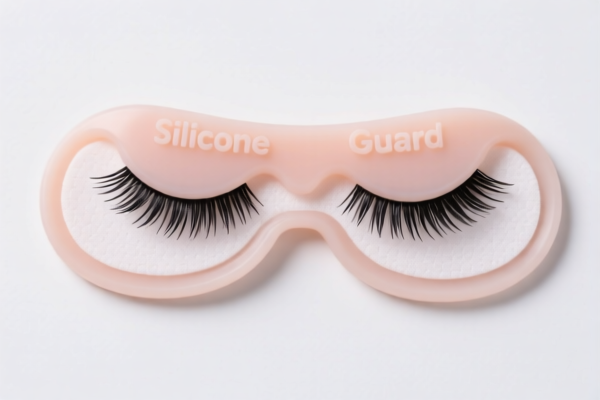
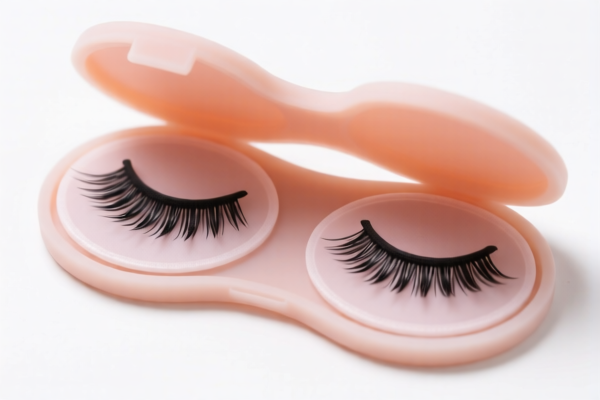
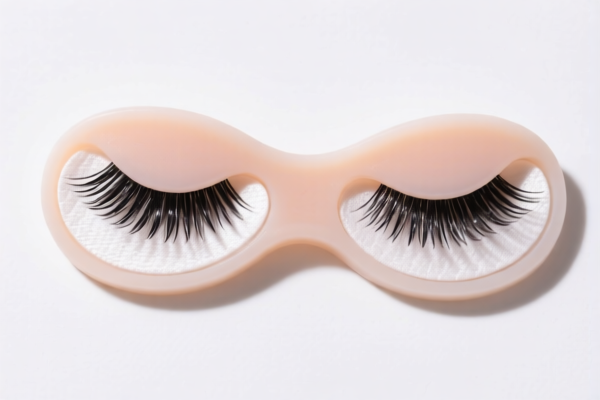
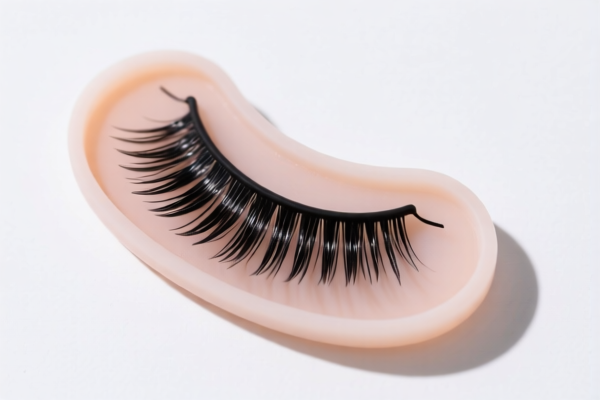
AI分析
👁️ Lash Lift Pads (Eyelash Extension Tools)
🌐 HS Code Reference & Customs Clearance Guide | 2026 Latest Tariff Analysis | Professional Level Entry Strategy
📌 I. Product Definition & Classification: What Exactly is a "Lash Lift Pad"?
A Lash Lift Pad is a small, curved, silicone or plastic tool used in professional eyelash extension services. It serves as a mold or base upon which natural eyelashes are lifted and curled. In international trade, these items are often miscategorized because they fall into a "gray area" between cosmetics, medical devices, and general plastic goods.
Based on the provided data, there are five potential HS Codes for this product, each carrying vastly different tax implications.
⚠️ Key Classification Distinction:
- Plastic/Silicone Tools: If viewed as a generic plastic implement → Chapter 39
- Cosmetic/Toiletry Implements: If viewed as a tool for application (like a brush) → Chapter 96
- Textile/Artificial Hair Products: If viewed as a "false lash" variant or textile-based → Chapter 67
📦 II. HS Code Classification Details (2026 Latest Tariff Authority Comparison)
| HS Code | Product Description | Application Scenario | Material Logic |
|---|---|---|---|
3926.90.35.00 |
Other articles of plastic, not elsewhere specified | Generic silicone/plastic lash lift pads | ✅ Silicone/Plastic (No conflict) |
9603.29.40.90 |
Other brushes, including brush parts; prepared knots & tufts for brush making | Cosmetic applicator tools, pads used in toiletry | ✅ Toiletry/Cosmetic tool logic |
6704.19.00.00 |
Wigs, false hair etc. of synthetic fibers; articles of human hair or of synthetic or other textile materials (other) | Pads inferred as synthetic textile materials | ✅ Synthetic textile inference |
6704.90.00.00 |
Wigs, false hair etc. of synthetic fibers; articles of human hair or of synthetic or other textile materials (other) | Lash-related products, non-human hair materials | ✅ Non-human hair logic |
3926.90.48.00 |
Other articles of plastic, not elsewhere specified | Silicone/plastic pads, generic "other" plastic category | ✅ Silicone/Plastic (Non-specific) |
🔍 Critical Reminder:
- Misclassification Risk: Declaring as6704(Textiles/Wigs) when the item is clearly Silicone/Plastic may lead to customs rejection or penalties, as the material does not match. - Tax Variance: The tax rate ranges from 0.2¢/unit + 17% to 24%, depending on the chapter chosen. - Material Conflict: Ensure your commercial invoice explicitly states the material (e.g., "Medical Grade Silicone") to support Chapter 39 or 96 classifications.
💰 III. 2026 Latest Tariff Rate Breakdown (Including Surtaxes & Policy Add-ons)
✅ Applicable Country: United States (US)
✅ Origin: China (CN)
✅ Effective Time: November 10, 2025 onwards (including subsequent imports)
🎯 1. 3926.90.35.00 —— Other Plastic Articles (High Risk/High Tax)
| Item | Content |
|---|---|
| Base Tariff | 6.5% |
| Section 301 Surtax | 7.5% |
| Section 301 Tariff (122 Clause) | +10% |
| Total Rate | 24.0% |
| Tax Calculation | CIF Value × 24% |
| De Minimis Eligibility | ❌ No (High value threshold risk) |
| Legal Basis Path | Base: 6.5% → Surtax: 7.5% → 122 Clause: 10% |
📌 Explanation:
- This classification treats the pad as a general plastic article. - It attracts the highest base tariff among plastic options. - Total 24% is significant for low-value cosmetic tools, impacting profit margins.
🎯 2. 9603.29.40.90 —— Toiletry/Cosmetic Brushes & Implements (Low Unit Duty, High Ad Valorem)
| Item | Content |
|---|---|
| Base Tariff | 0.2¢ per unit + 7% |
| Section 301 Surtax | 0.0% |
| Section 301 Tariff (122 Clause) | +10% |
| Total Rate | 0.2¢ + 17% (7% + 10%) |
| Tax Calculation | (0.2¢ × Quantity) + (CIF × 17%) |
| De Minimis Eligibility | ⚠️ Check: Low unit value may help in de minimis calculations, but ad valorem part remains. |
| Legal Basis Path | Base: 0.2¢ + 7% → Surtax: 0.0% → 122 Clause: 10% |
📌 Note:
- This is the most favorable classification IF the goods are accepted as "toiletry implements." - The Section 301 Surtax is 0%, saving 7.5% compared to Chapter 39. - However, the 7% base + 10% 122 Clause still applies to the value. - Risk: Customs may argue it is NOT a "brush" or "implement," leading to reclassification.
🎯 3. 6704.19.00.00 & 6704.90.00.00 —— Synthetic Fibers/Textiles (Medium Tax)
| Item | Content |
|---|---|
| Base Tariff | 0.0% |
| Section 301 Surtax | 7.5% |
| Section 301 Tariff (122 Clause) | +10% |
| Total Rate | 17.5% |
| Tax Calculation | CIF Value × 17.5% |
| De Minimis Eligibility | ❌ No |
| Legal Basis Path | Base: 0.0% → Surtax: 7.5% → 122 Clause: 10% |
📌 Explanation:
- These codes assume the product is made of synthetic textiles or is a variant of "false lash" products. - Base duty is 0%, but the surtax (7.5%) and 122 Clause (10%) apply. - Total 17.5% is better than Chapter 39 but worse than Chapter 96 (if accepted). - Material Conflict Warning: If the product is silicone/plastic, this classification is factually incorrect and risky.
🎯 4. 3926.90.48.00 —— Other Plastic Articles (Lowest Plastic Tax)
| Item | Content |
|---|---|
| Base Tariff | 3.4% |
| Section 301 Surtax | 0.0% |
| Section 301 Tariff (122 Clause) | +10% |
| Total Rate | 13.4% |
| Tax Calculation | CIF Value × 13.4% |
| De Minimis Eligibility | ❌ No |
| Legal Basis Path | Base: 3.4% → Surtax: 0.0% → 122 Clause: 10% |
📌 Note:
- This is the lowest tariff option for plastic products. - No Section 301 Surtax (0%) is a major advantage over3926.90.35.00. - Total 13.4% is the most cost-effective plastic-based classification. - Recommendation: If your pads are Silicone/Plastic, this is likely the best accurate classification.
🛠️ IV. Customs Clearance Practical Advice (Pitfall Avoidance Guide)
✅ 1. Required Documentation (Essential)
| Document | Required | Explanation |
|---|---|---|
| ✅ Product Specification Sheet | ✔️ | Must specify material: "100% Medical Grade Silicone" or "ABS Plastic" |
| ✅ Product Photos | ✔️ | Clear images showing the pad’s shape, curvature, and lack of bristles (to avoid Chapter 96 confusion) |
| ✅ Commercial Invoice | ✔️ | Describe as "Silicone Lash Lift Pad" or "Plastic Eyelash Curling Mold" |
| ✅ HS Code Pre-Ruling | ✔️ | Highly recommended to secure 3926.90.48.00 or 9603.29.40.90 |
| ✅ Material Certificates | ✔️ | FDA/CE compliance docs to prove safety for cosmetic use |
✅ 2. Declaration Strategy (Key Mantra)
🔥 “Material First, Function Second, Avoid ‘Brush’ if Not Bristled!”
| Scenario | Correct Declaration | Wrong Approach |
|---|---|---|
| Silicone/Plastic Pad | 3926.90.48.00 (13.4%) |
Declare as "Cosmetic Brush" → Risk of rejection |
| Textile Fiber Pad | 6704.19.00.00 (17.5%) |
Declare as "Plastic" → Material mismatch |
| Generic Plastic Tool | 3926.90.35.00 (24%) |
Overpaying tax unnecessarily |
| Complete Kit (Pad + Stick) | Declare as "Set" or Split | Mixed declaration → Confusion |
📌 Critical Tip:
- Do NOT declare silicone pads as "brushes" (9603) unless you can prove they are classified as "toiletry implements" by local customs precedent. Most silicone pads are considered plastic articles (Chapter 39). - Best Practice: Use3926.90.48.00for silicone/plastic pads. It is accurate (Plastic) and cost-effective (13.4% vs 24%).
✅ 3. Special Handling Cases
| Case | Handling Advice |
|---|---|
| OEM Custom Shapes | Provide design files to prove uniqueness, supporting "Other" classification |
| Packaged Sets (Pad + Glue) | Declare separately if possible; glue may have different HS Code |
| Multi-Color Variants | No impact on HS Code, but ensure packaging matches invoice description |
| New Material (e.g., Foam) | If foam-based, may fall under Chapter 39 or Chapter 40 (Rubber); consult expert |
🌍 V. Global Market Clearance Comparison (2026 Latest)
| Country/Region | Recommended HS Code | Tariff Rate | Certification Required | Notes |
|---|---|---|---|---|
| 🇺🇸 USA | 3926.90.48.00 |
13.4% | FDA/CE | Avoid 9603 unless proven as tool |
| 🇨🇳 China | 3926.90.90.90 |
5-7% | CCC (if applicable) | Low tariff, no surtax |
| 🇪🇺 EU | 3926.90.97 |
4% | REACH/CE | No surtax, low base duty |
| 🇬🇧 UK | 3926.90.90 |
4% | UKCA | Post-Brexit alignment with EU |
| 🇦🇺 Australia | 3926.90.90 |
5% | ACCC | No surtax |
📌 Conclusion:
- USA has the highest complexity due to Section 301 and 122 Clause taxes. -3926.90.48.00(13.4%) is the optimal balance of accuracy and cost for US imports. - Avoid9603unless you have a strong legal precedent, as it is likely to be challenged for non-bristled items.
📌 VI. Common Mistakes & Pitfall Guide (Lessons Learned)
❌ Mistake 1: Declaring Silicone Pads as "Cosmetic Brushes" (9603.29.40.90)
👉 Consequence: Customs may reject or reclassify to 3926.90.35.00 (24%) → Tax Increase!
❌ Mistake 2: Using 6704 Codes for Plastic Pads
👉 Consequence: Material mismatch → Seizure or Penalty!
❌ Mistake 3: Ignoring Section 301 Surtax
👉 Consequence: Assuming 10% total tax, but actually 13.4% or 24% → Profit Loss!
❌ Mistake 4: Inconsistent Material Description
👉 Consequence: Invoice says "Plastic," Description says "Silicone" → Customs Hold!
✅ Correct Approach:
"Silicone Lash Lift Pad, Medical Grade, Curved Shape, for Professional Eyelash Extension, Made of Silicone, Model XYZ, FDA Compliant"
🎯 VII. Conclusion: Professional Classification Saves Money!
🎯 Remember the Mantra:
🔹 "Silicone/Plastic → Chapter 39"
🔹 "3926.90.48.00→ 13.4% (Best for US)"
🔹 "Avoid9603unless it’s a Brush"
🔹 "6704is for Textiles/Hair, Not Plastic"
📌 Pro Tip:
If your lashes are manufactured in Vietnam or Thailand, you may avoid Section 301 Surtax, reducing total tax to 7.5%~10%.
Recommendation: Apply for an Advance Ruling from US Customs to secure 3926.90.48.00 and avoid disputes.
📣 Immediate Action:
📞 Consult a Customs Broker + Provide Material Specs + Apply for Pre-Ruling
🚀 Ensure your Lash Lift Pads, Smooth Clearance, High Profit, Fast Turnaround!
✨ Professional Clearance Starts with Accurate Classification!
💼 Every Cent Saved is Pure Profit!
用户评价
关于 HS 编码归类
协调制度(HS)是由世界海关组织(WCO)制定的国际贸易商品分类标准。全球 200 多个国家采用 HS 系统作为海关关税、贸易统计和进出口监管的基础。
每个 HS 编码遵循以下层级结构:
- 章(2 位)——商品大类(例如:第 84 章:机器和机械设备)
- 品目(4 位)——章内的更具体分类
- 子目(6 位)——国际通用细分,所有 WCO 成员国统一使用
- 本国细分(8-10 位)——各国自行扩展的细分编码,如美国 HTSUS 10 位编码
正确的 HS 编码归类对于顺利通关、准确缴纳关税和遵守贸易法规至关重要。错误归类可能导致海关延误、多缴关税或罚款。
从CN进口到US时,适用的关税税率可能包括:
- 最惠国(MFN)税率——适用于 WTO 成员国的标准关税税率
- 普通税率——适用于无贸易协定国家
- 贸易救济关税——附加关税,如 301 条款(反倾销)、232 条款(国家安全)或反补贴税
本页内容仅供参考。如需正式归类,请咨询当地海关或持牌报关代理。