leather roll
CN → US商品图片
AI分析
🖥️ Leather Rolls (Raw, Processed, or Semi-Processed)
🌐 HS Code Reference & Customs Clearance Guide | 2026 Latest Tariff Analysis | Professional Level通关 Strategy
📌 Part 1: Product Definition & Classification: Do You Really Understand “Leather”?
Leather rolls are fundamental raw materials or semi-finished goods used in footwear, apparel, furniture, automotive interiors, and luxury goods. In international trade, “leather” is not a single category but a spectrum depending on the processing stage. The critical distinction lies in whether the hide has been tanned and how it is finished.
Key Distinctions: * Raw Hides/Skins (Not Tanned): Often classified under Chapter 41, but if preserved (salted, dried) without tanning, they may fall under specific headings. * Chrome-Tanned Leather: The most common form for modern manufacturing. The tanning method (Chrome vs. Vegetable) significantly impacts the HS Code. * Finished vs. Semi-Processed: Is it just tanned (semi-finished) or dyed, printed, and coated (finished)? * Sheepskin vs. Cowhide vs. Other: Animal origin matters. Sheepskin has its own specific subheadings.
⚠️ Critical Differentiator:
- If the leather is chrome-tanned and finished (dyed, pigmented) → Usually 4107.21 or 4107.29.
- If the leather is vegetable-tanned → Usually 4104.41 or 4104.49.
- If it is sheepskin/lambskin (finished) → 4106.22.
- If it is raw/unprocessed (salted/dried) → 4101.10 or 4102.10.
📦 Part 2: HS Code Classification Details (2026 Latest Tariff Authority Comparison)
| HS Code | Product Description | Applicable Scenario | Tanning Method | Finish Level |
|---|---|---|---|---|
4107.21.10.00 |
Sheepskin/lambskin, chrome-tanned, split, finished | Luxury footwear, gloves, high-end apparel | Chrome | ✅ Finished |
4107.21.90.00 |
Sheepskin/lambskin, chrome-tanned, other (full grain) | Full-grain sheep leather for jackets | Chrome | ✅ Finished |
4107.29.10.00 |
Bovine leather (cowhide), chrome-tanned, split, finished | Lower-grade footwear, bags, accessories | Chrome | ✅ Finished |
4107.29.90.00 |
Bovine leather (cowhide), chrome-tanned, other (full grain) | High-quality handbags, shoes, furniture | Chrome | ✅ Finished |
4104.41.10.00 |
Boileather (vegetable-tanned), full grain, packed < 7 sq m | Artisanal goods, belts, tooling leather | Vegetable | ✅ Finished |
4104.49.10.00 |
Other vegetable-tanned bovine leather | Industrial uses, saddlery, lower-grade items | Vegetable | ✅ Finished |
4106.22.10.00 |
Sheepskin/lambskin, vegetable-tanned, split | Niche artisanal markets | Vegetable | ✅ Finished |
4106.29.10.00 |
Sheepskin/lambskin, vegetable-tanned, other | Specialty goods | Vegetable | ✅ Finished |
4101.10.00.00 |
Raw hides, bovine, fresh or salted, unprocessed | Initial supply chain, slaughterhouse exports | N/A | ❌ Unprocessed |
4101.20.00.00 |
Raw hides, bovine, split, fresh or salted | Semi-raw material for tanners | N/A | ❌ Unprocessed |
🔍 Key Reminder:
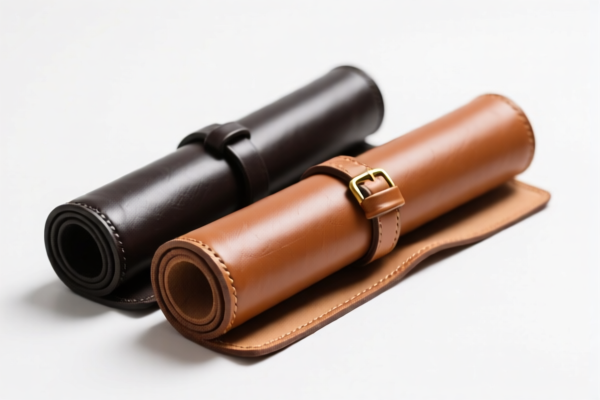
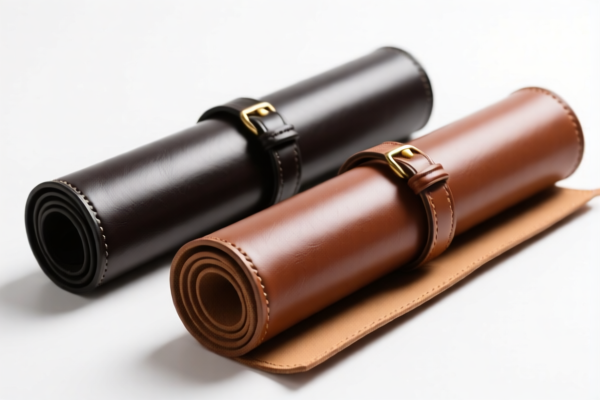
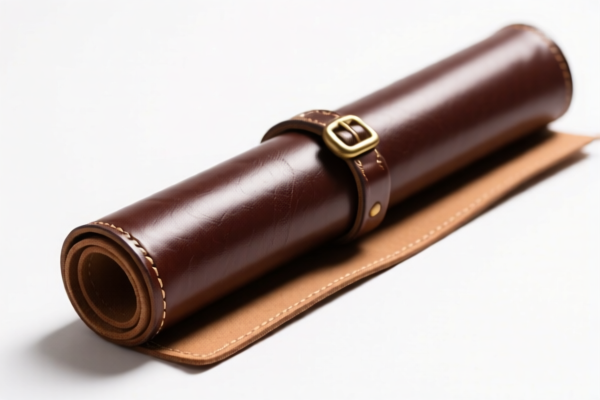
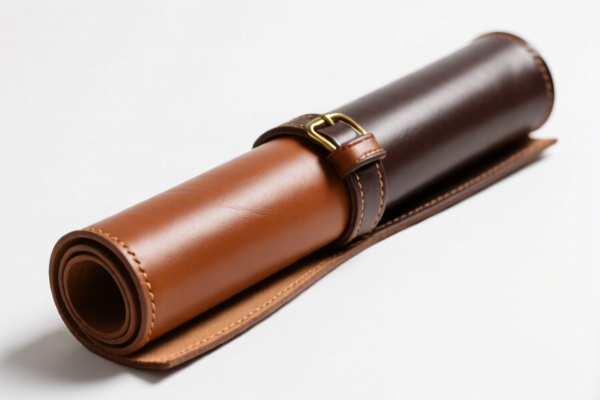
- “Rolls” imply bulk packaging, which is standard for B2B trade. Ensure the description matches the physical form (e.g., “Chrome-Tanned Cowhide Rolls”).
- Split Leather (the lower layer of the hide) is generally taxed differently or has lower value than Full Grain.
- Sheepskin is a separate category from Bovine (Cow) and Goat/Goatskin. Do not mix them up.
💰 Part 3: 2026 Latest Tariff Rate Breakdown (Including Surtaxes)
✅ Applicable Country: United States (US)
✅ Origin: China (CN)
✅ Effective Date: Post-2025.11.10 (Current Regime)
🎯 1. 4107.29.90.00 – Chrome-Tanned Bovine Leather (Full Grain, Finished)
| Item | Content |
|---|---|
| Base Rate (MFN) | 4.8% (ad valorem) |
| Section 301 Surtax | +7.5% (List 4B, adjusted for recent phases) |
| IEEPA Surtax | +10% (Targeting China-origin goods) |
| Total Tariff Rate | 22.3% |
| Tax Calculation | CIF Value × 22.3% |
| De Minimis Eligibility | ❌ No (Not eligible for $800 exemption due to textile/apparel raw material classification often scrutinized) |
| Legal Path | USITC:4107.29.90.00 → Section 301: Footnote 9903.88.01 → IEEPA:9903.01.24 |
📌 Explanation:
- China is the world’s largest leather producer. The US has maintained high tariffs on Chinese leather to protect domestic tanning industries and manage trade deficits.
- Total burden of ~22.3% is significant for low-margin leather goods.
🎯 2. 4107.21.90.00 – Chrome-Tanned Sheepskin (Finished)
| Item | Content |
|---|---|
| Base Rate (MFN) | 9.6% |
| Section 301 Surtax | +7.5% |
| IEEPA Surtax | +10% |
| Total Tariff Rate | 27.1% |
| Tax Calculation | CIF Value × 27.1% |
| De Minimis Eligibility | ❌ No |
| Legal Path | USITC:4107.21.90.00 → Section 301 → IEEPA:9903.01.24 |
📌 Note:
- Sheepskin tariffs are higher due to its status as a higher-value, fashion-oriented raw material.
- Even small rolls of luxury sheepskin are subject to these rates.
🎯 3. 4104.49.10.00 – Vegetable-Tanned Bovine Leather
| Item | Content |
|---|---|
| Base Rate (MFN) | 3.2% |
| Section 301 Surtax | +7.5% |
| IEEPA Surtax | +10% |
| Total Tariff Rate | 20.7% |
| Tax Calculation | CIF Value × 20.7% |
| De Minimis Eligibility | ❌ No |
📌 Note:
- Vegetable-tanned leather is often used in artisanal or eco-friendly markets. While the base rate is lower, the surtaxes make it expensive.
🛠️ Part 4: Customs Clearance Practical Advice (Real-World Pitfall Guide)
✅ 1. Required Documentation Checklist (Non-Negotiable)
| Document | Mandatory? | Details |
|---|---|---|
| ✅ Commercial Invoice | ✔️ | Must state: Material (Leather), Animal Origin (Bovine/Sheep), Tanning Method (Chrome/Veg), Finish (Split/Full Grain). |
| ✅ Packing List | ✔️ | Specify number of hides/rolls, gross/net weight, dimensions. |
| ✅ Tanning Certificate | ✔️ | Proof of tanning method (Chrome vs. Vegetable) is critical for HS Code accuracy. |
| ✅ Certificate of Origin (CO) | ✔️ | Essential for determining surtax eligibility. |
| ✅ Fiber Content Statement | ✔️ | 100% Leather (or blend if applicable). |
| ✅ Test Reports | ✔️ | Chromate content test (Cr6+ compliance for US/EU), AZO dye-free certification. |
✅ 2. Declaration Tips (Key Mnemonic)
🔥 “Origin, Tanning, and Finish: Get it wrong, pay it high!”
| Scenario | Correct Declaration | Wrong Practice |
|---|---|---|
| Chrome-Tanned Cowhide | 4107.29.90.00 |
Declare as “Raw Hides” → Audit Risk |
| Sheepskin (Luxury) | 4107.21.90.00 |
Declare as “Bovine Leather” → Misclassification Penalty |
| Split Leather | 4107.29.10.00 |
Declare as “Full Grain” → Overpayment (or underpayment if audit fails) |
| Raw Salted Hides | 4101.10.00.00 |
Declare as “Tanned Leather” → Rejection |
✅ 3. Special Situation Handling
| Situation | Handling Advice |
|---|---|
| Leather Blends (e.g., Leather + Textile) | If leather is the essential character, still Chapter 41. Provide detailed layer structure. |
| Chrome Content Limits | US/EU have strict limits on Hexavalent Chromium (Cr6+). Failure to test can lead to rejection even if HS Code is correct. |
| Animal Health Certificates | For raw hides, some US states require additional veterinary health certificates. Check state-specific rules. |
| Environmental Compliance | Ensure no banned substances (AZO dyes, PFAS) are present. EPA and CPSC regulations apply. |
🌍 Part 5: Global Market Clearance Comparison (2026 Latest)
| Country/Region | Recommended HS Code | Tariff (China Origin) | Certification Requirements | Remarks |
|---|---|---|---|---|
| 🇺🇸 USA | 4107.29.90.00 |
~22.3% | EPA (Chrome), CPSC (Chemicals) | High surtaxes; strict chemical testing |
| 🇨🇳 China | 4107.29.90.00 |
3.5% | None (for import) | Low base rate; major exporter |
| 🇪🇺 EU | 4107.29.90.00 |
6.5% (if MFN) | REACH (Chemicals), Ecolabel | Strict REACH compliance for chemicals |
| 🇬🇧 UK | 4107.29.90.00 |
6.5% | UK REACH | Post-Brexit rules mirror EU closely |
| 🇯🇵 Japan | 4107.29.90.00 |
7.0% | JIS Standards | High-quality standards; inspect for defects |
📌 Conclusion:
- USA has the highest total tariff burden due to surtaxes.
- EU focuses heavily on chemical compliance (REACH) rather than just tariffs.
- China remains the cheapest source but faces high export barriers to the US.
📌 Part 6: Common Errors & Pitfall Guide (Blood & Tears Lessons)
❌ Error 1: Declaring “Chrome-Tanned” leather as “Vegetable-Tanned”
👉 Consequence: HS Code misclassification → Potential fraud allegations + back taxes.
❌ Error 2: Ignoring “Split” vs. “Full Grain” distinction
👉 Consequence: Overpaying duties (if declared as Full Grain) or underpaying (if declared as Split and audited) → Penalties.
❌ Error 3: Failing to provide Chrome Content Test Reports
👉 Consequence: Customs holds shipment for lab testing → Delay + Storage Fees + Potential Rejection.
❌ Error 4: Mixing Raw Hides and Tanned Leather in One Shipment
👉 Consequence: Complex clearance → Higher scrutiny → Possible Seizure if documentation is inconsistent.
✅ Correct Approach:
“Chrome-Tanned Bovine Full-Grain Leather Rolls, Dyed Black, 2.0mm Thickness, Cr6+ Compliant, Origin China, For Footwear Manufacturing”
🎯 Part 7: Conclusion: Professional Declaration, Time & Cost Saving!
🎯 Remember the Mantra:
🔹 “Origin, Tanning, Finish: The Holy Trinity of Leather.”
🔹 “Chrome 4107, Veg 4104, Sheep 4106. Mix them up, lose your supply.”
🔹 “Chrome Test is Mandatory. Skip it, and your shipment stops.”
📌 Pro Tip:
If your leather is originating from Vietnam, India, or Brazil, you may avoid US Section 301 and IEEPA surtaxes.
Suggested Action:
📞 Consult a Customs Broker for Advance Ruling (Ruling Letter).
🚀 Secure your supply chain by verifying tanning certificates and chemical compliance before shipping.
📣 Immediate Action:
✅ Verify Animal Origin & Tanning Method on Invoice.
✅ Obtain Cr6+ Test Report from Supplier.
✅ Calculate Total Landed Cost including ~22.3% US Tariff.
🚀 Ensure smooth customs clearance and protect your margin!
✨ Professional Customs Clearance Starts with Accurate Classification!
💼 Your Leather Investment Deserves Precise Handling!
用户评价
关于 HS 编码归类
协调制度(HS)是由世界海关组织(WCO)制定的国际贸易商品分类标准。全球 200 多个国家采用 HS 系统作为海关关税、贸易统计和进出口监管的基础。
每个 HS 编码遵循以下层级结构:
- 章(2 位)——商品大类(例如:第 84 章:机器和机械设备)
- 品目(4 位)——章内的更具体分类
- 子目(6 位)——国际通用细分,所有 WCO 成员国统一使用
- 本国细分(8-10 位)——各国自行扩展的细分编码,如美国 HTSUS 10 位编码
正确的 HS 编码归类对于顺利通关、准确缴纳关税和遵守贸易法规至关重要。错误归类可能导致海关延误、多缴关税或罚款。
从CN进口到US时,适用的关税税率可能包括:
- 最惠国(MFN)税率——适用于 WTO 成员国的标准关税税率
- 普通税率——适用于无贸易协定国家
- 贸易救济关税——附加关税,如 301 条款(反倾销)、232 条款(国家安全)或反补贴税
本页内容仅供参考。如需正式归类,请咨询当地海关或持牌报关代理。