microporous catalyst support
CN → US| HS编码 | 关税税率 | 原产国 | 目的国 | 文档 |
|---|---|---|---|---|
| 3815905000 | 40.0% | CN | US | 官方文档 |
| 3926909989 | 22.8% | CN | US | 官方文档 |
| 6914908000 | 40.6% | CN | US | 官方文档 |
| 3815190000 | 35.0% | CN | US | 官方文档 |
| 3926909910 | 22.8% | CN | US | 官方文档 |
商品图片
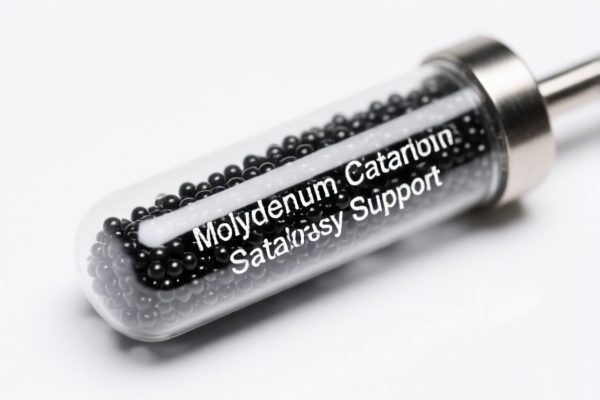
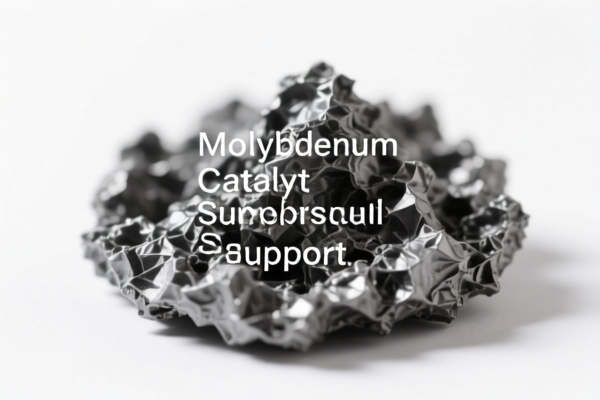
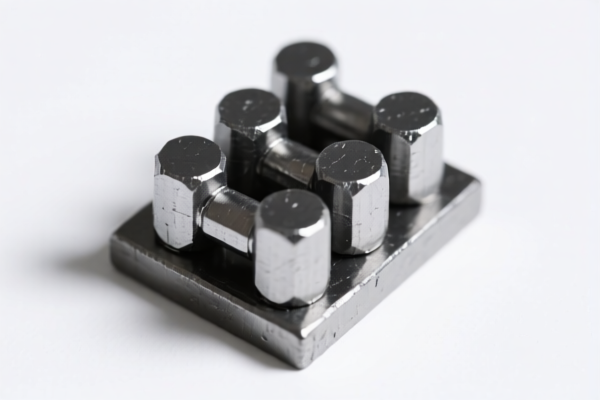
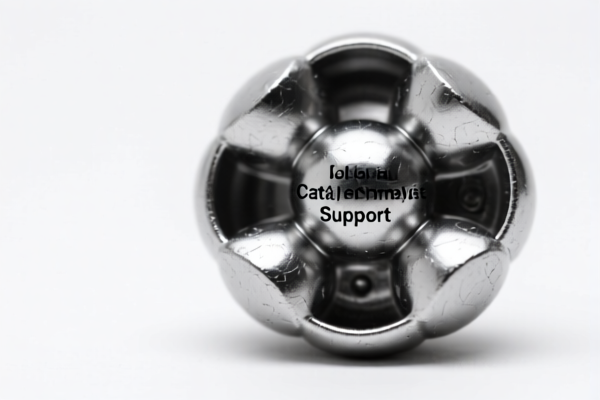
AI分析
🧪 Microporous Catalyst Support (Catalyst Carrier)
🌐 HS Code Reference & Customs Clearance Guide | 2026 Latest Tariff Analysis | Professional Clearance Strategy
📌 I. Product Definition & Classification: Do You Really Understand "Microporous Catalyst Support"?
A Microporous Catalyst Support (often referred to as a Carrier) is a critical material in chemical engineering and petrochemical industries. It serves as the structural foundation for active catalytic components. Its primary functions include: 1. High Surface Area: Providing vast surface area for dispersion of active metals (Pt, Pd, etc.). 2. Mechanical Strength: Withstanding high pressure and temperature in reaction beds. 3. Porosity Control: "Microporous" (typically <2nm pore size) allows for specific molecular sieving effects.
In international trade, classification depends heavily on the material composition (Alumina/Silica vs. Plastic/Composite) and the functional definition (Is it considered a "Catalyst Preparation" or a "Manufactured Article"?).
⚠️ Key Distinction Point:
- If classified under 3815: It is viewed functionally as a component of a catalyst preparation ("Support").
- If classified under 3926: It is viewed as a manufactured plastic/synthetic article.
- If classified under 6914: It is viewed as a ceramic/technical clay product.
📦 II. HS Code Classification Details (2026 Latest Tariff Authority Comparison)
| HS Code | Product Description | Applicability | Material Conflict? |
|---|---|---|---|
3815.90.50.00 |
Other prepared catalysts; Catalyst Supports | Matches "Catalyst" in name; Generic "Other" category. Supports are backing materials, no material conflict with catalyst form. | ❌ No Conflict |
3926.90.99.89 |
Other plastic articles; Microporous Support | Inferred as porous plastic/inorganic composite. No specific material conflict for "other" plastic articles. | ❌ No Conflict |
6914.90.80.00 |
Other ceramic articles; Microporous Support | Typically Alumina/Silica (Ceramic). Non-specific shape fits "Other" ceramic category. | ❌ No Conflict |
3815.19.00.00 |
Other prepared catalysts; Supports | "Support" = "Carrier" in chemical context. Fits "Other supported catalysts" definition perfectly. | ❌ No Conflict |
3926.90.99.10 |
Other plastic articles; Lab/Industrial Carrier | Inferred Plastic/Synthetic Polymer. Fits "Other plastic articles" catch-all for lab/industrial ware. | ❌ No Conflict |
🔍 Key Reminder:
- 3815 Codes: Best if the product is specifically marketed as a "Catalyst Component" or "Support for Catalysts."
- 3926/6914 Codes: Better if the product is sold as a generic "Porous Ceramic/Plastic Block" without explicit catalyst branding, though customs may still challenge this if function is obvious.
💰 III. 2026 Latest Tariff Rate Breakdown (Including Surcharges & Policy Add-ons)
✅ Applicable Country: United States (US)
✅ Origin: China (CN)
✅ Effective Time: From November 10, 2025 (Includes subsequent imports)
🎯 1. 3815.90.50.00 —— Other Catalyst Supports (Generic)
| Item | Content |
|---|---|
| Base Tariff | 5.0% |
| Section 301 Surcharge | +25.0% |
| Section 122 Tariff | +10.0% |
| Total Tax Rate | 40.0% |
| Tax Calculation | CIF Value × 40% |
| De Minimis Eligible | ❌ No (High duty rate disqualifies) |
| Legal Basis Path | USITC:3815.90.50.00 → FOOTNOTE:301 → FOOTNOTE:122 |
📌 Explanation:
- Base 5%: Standard Most Favored Nation (MFN) rate for other prepared catalysts/supports.
- 301 Surcharge 25%: Applies to Chinese origin goods under Section 301 of the Trade Act.
- Section 122 10%: Additional surcharge applied to Chinese imports under Section 122 of the Trade Expansion Act (often used for national security/economic reasons).
- Total 40%: This is a high-cost classification. Must be factored into landed cost calculations immediately.
🎯 2. 3926.90.99.89 —— Other Plastic Articles (Inferred Plastic Support)
| Item | Content |
|---|---|
| Base Tariff | 5.3% |
| Section 301 Surcharge | +7.5% |
| Section 122 Tariff | +10.0% |
| Total Tax Rate | 22.8% |
| Tax Calculation | CIF Value × 22.8% |
| De Minimis Eligible | ❌ No |
| Legal Basis Path | USITC:3926.90.99.89 → FOOTNOTE:301 → FOOTNOTE:122 |
📌 Note:
- This rate is significantly lower than 3815 codes because the "Base Tariff" and "301 Surcharge" are lower for certain plastic articles.
- Risk: Customs may reclassify this as3815if the product's primary function is clearly as a catalyst support, leading to a 17.2% penalty difference. Only use if material is predominantly plastic/polymer and not strictly defined as a chemical support.
🎯 3. 6914.90.80.00 —— Other Ceramic Articles (Alumina/Silica Support)
| Item | Content |
|---|---|
| Base Tariff | 5.6% |
| Section 301 Surcharge | +25.0% |
| Section 122 Tariff | +10.0% |
| Total Tax Rate | 40.6% |
| Tax Calculation | CIF Value × 40.6% |
| De Minimis Eligible | ❌ No |
| Legal Basis Path | USITC:6914.90.80.00 → FOOTNOTE:301 → FOOTNOTE:122 |
📌 Explanation:
- Typical for Alumina (Al₂O₃) or Silica Gel supports.
- Highest base rate among the options (5.6%) + highest 301 rate (25%).
- Use only if the product is undeniably a ceramic technical article and not sold as a "catalyst component."
🎯 4. 3815.19.00.00 —— Other Catalysts (Supports Defined as Catalyst)
| Item | Content |
|---|---|
| Base Tariff | 0.0% |
| Section 301 Surcharge | +25.0% |
| Section 122 Tariff | +10.0% |
| Total Tax Rate | 35.0% |
| Tax Calculation | CIF Value × 35.0% |
| De Minimis Eligible | ❌ No |
| Legal Basis Path | USITC:3815.19.00.00 → FOOTNOTE:301 → FOOTNOTE:122 |
📌 Critical Insight:
- Lowest Total Rate (35%)!
- This code has a 0% base tariff because it falls under "Other Prepared Catalysts" which sometimes enjoys lower base rates, but still incurs full 301 (25%) and 122 (10%) surcharges.
- Strategy: If customs accepts "Support" as a type of "Prepared Catalyst," this is the optimal cost-saving classification.
🎯 5. 3926.90.99.10 —— Other Plastic Articles (Specific Plastic Support)
| Item | Content |
|---|---|
| Base Tariff | 5.3% |
| Section 301 Surcharge | +7.5% |
| Section 122 Tariff | +10.0% |
| Total Tax Rate | 22.8% |
| Tax Calculation | CIF Value × 22.8% |
| De Minimis Eligible | ❌ No |
| Legal Basis Path | USITC:3926.90.99.10 → FOOTNOTE:301 → FOOTNOTE:122 |
📌 Note:
- Same tax burden as3926.90.99.89(22.8%).
- Sub-code.10might be more specific to "Lab/Industrial Wares."
- Risk: Same as above. Customs may argue it is a catalyst support (3815) rather than a general plastic article.
🛠️ IV. Customs Clearance Practical Advice (Field Avoidance Guide)
✅ 1. Preparation Checklist (All Must Be Provided)
| Document | Mandatory? | Description |
|---|---|---|
| ✅ Product Specification Sheet | ✔️ | Must detail Pore Size (microporous <2nm), Surface Area, Material (Alumina, Silica, Plastic). |
| ✅ Material Safety Data Sheet (MSDS) | ✔️ | Crucial for proving chemical inertness and non-hazardous nature. |
| ✅ Product Photos (Clear Label) | ✔️ | Show shape, branding, and any "Catalyst Support" labeling. |
| ✅ Commercial Invoice | ✔️ | Description: "Microporous Catalyst Support, Material: [X], Porosity: [Y], For Chemical Processing." |
| ✅ Origin Certificate | ✔️ | Essential for verifying CN origin to apply correct surcharges. |
| ✅ Packing List | ✔️ | Ensure weight/volume matches declaration. |
✅ 2. Declaration Tips (Key Mantra)
🔥 "Define Function, Specify Material, Avoid Ambiguity!"
| Scenario | Correct Declaration | Incorrect Action |
|---|---|---|
| Ceramic (Alumina) Support | 6914.90.80.00 OR 3815.19.00.00 |
Declaring as "Plastic" → Rejection |
| Polymer/Plastic Support | 3926.90.99.89 OR 3926.90.99.10 |
Declaring as "Ceramic" → Rejection |
| Sold as Catalyst Component | 3815.19.00.00 |
Declaring as "General Porous Block" → Higher Risk |
| Mixed Material Support | 3815.90.50.00 (Generic) |
Vague description "Support" → Delay |
📌 Strategic Choice:
- If the product is Ceramic and you want the lowest risk, use6914.90.80.00(40.6%).
- If the product is Ceramic and you want the lowest tax, try3815.19.00.00(35.0%) with strong justification.
- If the product is Plastic, use3926.90.99.89(22.8%) as it is likely the most accurate and cost-effective.
✅ 3. Special Circumstances Handling
| Situation | Handling Advice |
|---|---|
| Customs Challenges 3815 | Provide technical data sheets proving it is a "prepared catalyst support" not just a "raw material." |
| Plastic Support Accused of Being 3815 | Argue that it is a "manufactured plastic article" used in labs, not chemically bound to active catalysts yet. |
| New Form Factor (e.g., Honeycomb Monolith) | Ensure HS code matches shape if specific sub-codes exist; otherwise, use "Other." |
| Sample Shipment | Still declare correctly. Small value does not exempt from high surcharges. |
🌍 V. Global Market Comparison (2026 Latest)
| Country/Region | Recommended HS Code | Tariff Rate | Certification | Notes |
|---|---|---|---|---|
| 🇺🇸 USA | 3815.19.00.00 |
35.0% | N/A | Highest compliance risk due to 301+122. |
| 🇨🇳 China | 3815.19.00.00 |
~5-7% | CCC (if applicable) | Low tariff, easy export. |
| 🇪🇺 EU | 3815.19.00.00 |
0-4% | REACH | No Section 301/122. Very competitive. |
| 🇬🇧 UK | 3815.19.00.00 |
0-4% | UK REACH | Post-Brexit rates may vary slightly. |
| 🇯🇵 Japan | 3815.19.00.00 |
5-6% | JIS | No major surcharges. |
📌 Conclusion:
- USA is the most expensive market due to the combination of Base Tariff + 301 (25%) + 122 (10%).
- Diversification Strategy: Consider shipping catalyst supports to the EU or Asia first, then re-exporting (if rules of origin allow) to avoid US surcharges, though this adds logistics cost.
📌 VI. Common Mistakes & Pitfall Guide (Lessons Learned)
❌ Mistake 1: Declaring "Catalyst Support" as "Industrial Filter"
👉 Consequence: Misclassification. If found to be a support, back-taxes + penalties apply.
❌ Mistake 2: Ignoring Section 122 (10%)
👉 Consequence: Under-declaration of duties. CBP will audit and demand payment + interest.
❌ Mistake 3: Using 3926 for Ceramic Supports
👉 Consequence: CBP will reclassify to 6914 or 3815, resulting in higher duties (40%+ vs 22.8%).
❌ Mistake 4: Vague Description "Porous Material"
👉 Consequence: Customs detention for further examination. Always specify "Alumina" or "Plastic."
✅ Correct Practice:
"Microporous Alumina Catalyst Support, Pore Size <2nm, Surface Area 200m²/g, Used in Petrochemical Refining, Model XYZ."
🎯 VII. Conclusion: Precision in Classification Saves Money!
🎯 Remember the Mantra:
🔹 "Ceramic? 40.6%. Plastic? 22.8%. Catalyst Support? 35.0% (Best)."
🔹 "301 is 25%, 122 is 10%. Don't let 35% become 45%!"
📌 Pro Tip:
If you are exporting to the US, consult a customs broker before shipping high-value batches. Apply for a Pre-Ruling (Advance Ruling) from CBP if the classification is borderline between 3815 and 6914/3926. This locks in the 35.0% rate if eligible, saving you 5-5.6% per shipment.
📣 Immediate Action:
📞 Contact a licensed US Customs Broker
📄 Provide Product Spec Sheets (Material + Porosity)
🚀 Optimize Your Landed Cost Today!
✨ Professional Clearance Starts with Accurate Classification!
💼 Every Percent Saved is Pure Profit!
用户评价
关于 HS 编码归类
协调制度(HS)是由世界海关组织(WCO)制定的国际贸易商品分类标准。全球 200 多个国家采用 HS 系统作为海关关税、贸易统计和进出口监管的基础。
每个 HS 编码遵循以下层级结构:
- 章(2 位)——商品大类(例如:第 84 章:机器和机械设备)
- 品目(4 位)——章内的更具体分类
- 子目(6 位)——国际通用细分,所有 WCO 成员国统一使用
- 本国细分(8-10 位)——各国自行扩展的细分编码,如美国 HTSUS 10 位编码
正确的 HS 编码归类对于顺利通关、准确缴纳关税和遵守贸易法规至关重要。错误归类可能导致海关延误、多缴关税或罚款。
从CN进口到US时,适用的关税税率可能包括:
- 最惠国(MFN)税率——适用于 WTO 成员国的标准关税税率
- 普通税率——适用于无贸易协定国家
- 贸易救济关税——附加关税,如 301 条款(反倾销)、232 条款(国家安全)或反补贴税
本页内容仅供参考。如需正式归类,请咨询当地海关或持牌报关代理。