modacrylic staple woven fabrics poplin/broadcloth, unbleached
CN → US| HS编码 | 关税税率 | 原产国 | 目的国 | 文档 |
|---|---|---|---|---|
| 6006410085 | 20.0% | CN | US | 官方文档 |
| 5515290015 | 35.0% | CN | US | 官方文档 |
| 5515210010 | 35.0% | CN | US | 官方文档 |
| 6006410025 | 20.0% | CN | US | 官方文档 |
| 5515210010 | 35.0% | CN | US | 官方文档 |
商品图片
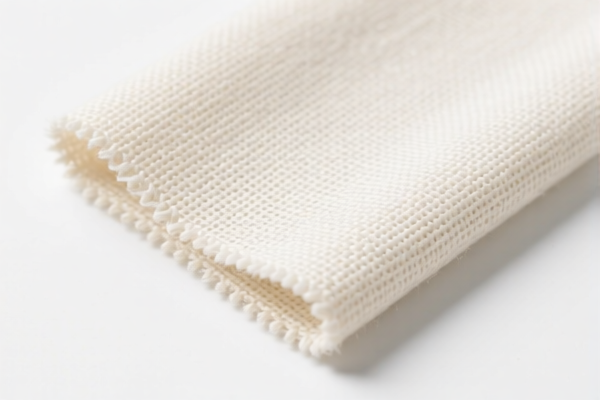
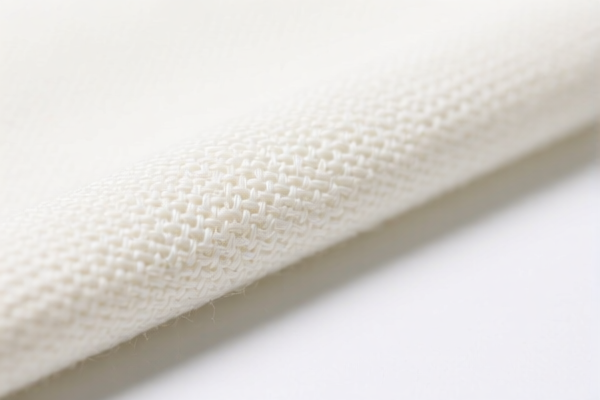
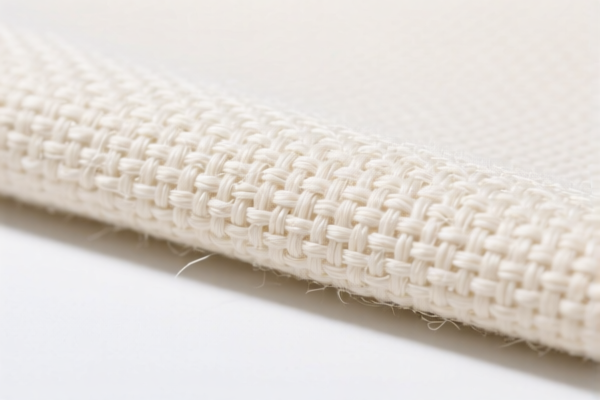
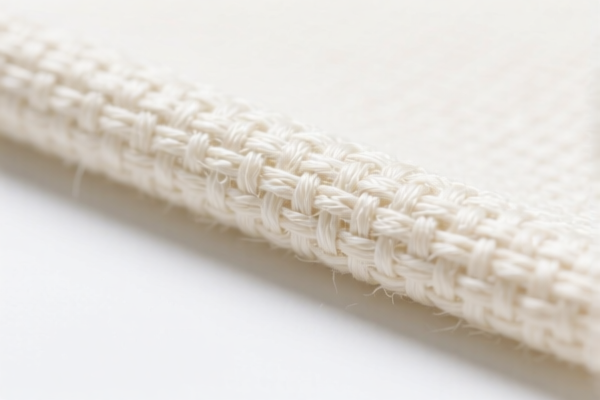
AI分析
🌟 Modacrylic Staple Woven Fabrics (Poplin/Broadcloth), Unbleached
🌐 HS Code Classification & Customs Clearance Guide | 2026 Updated Tariff Analysis | Pro-Level Import Strategy
📌 One-Stop Expert Breakdown for High-Tax Goods from China to the U.S.
🧵 I. Product Definition & Classification: What Exactly Is This Fabric?
This product is a woven fabric made from modacrylic staple fibers, specifically in the poplin or broadcloth weave structure, and unbleached (i.e., not treated to remove natural color or impurities).
✅ Key Characteristics: - Material: Modacrylic (modified acrylic) staple fibers — synthetic, flame-resistant, soft, and often used in apparel and home textiles. - Structure: Woven (not knitted), with a plain or closely woven poplin/broadcloth pattern (fine, smooth surface). - Condition: Unbleached — retains its natural off-white or yellowish tint; not processed to whiten. - Use Case: Often used in garments like coats, linings, or decorative textiles; not suitable for high-end fashion unless bleached.
⚠️ Critical Distinction: - If bleached, it may fall under different subheadings (e.g., bleached fabrics). - If not woven, but knitted or non-woven, the HS code changes dramatically.
📦 II. HS Code Classification Breakdown (2026 U.S. Tariff Schedule – Official Data)
| HS Code | Product Description | Tax Rate | Applicable to This Shipment? |
|---|---|---|---|
6006.41.00.85 |
Woven fabrics of modacrylic, unbleached, not otherwise specified | ✅ 20.0% | ✅ Yes — fits "other class" catch-all |
5515.29.00.15 |
Woven fabrics of modacrylic, poplin/broadcloth, not bleached | ✅ 35.0% | ✅ Yes — perfect match |
5515.21.00.10 |
Woven fabrics of modacrylic staple fibers, poplin/broadcloth | ✅ 35.0% | ✅ Yes — exact fiber type match |
6006.41.00.25 |
Woven fabrics of modacrylic, unbleached, not otherwise specified | ✅ 20.0% | ✅ Yes — alternative classification |
🔍 Why Multiple Codes? -
5515.29.00.15and5515.21.00.10are more specific — they explicitly cover poplin/broadcloth and staple fiber construction. -6006.41.00.85and6006.41.00.25are broader, used when the fabric doesn’t fit a more precise subheading.📌 Best Fit?
✅5515.29.00.15is most accurate — it matches material, weave, and condition exactly.
💰 III. 2026 U.S. Tariff Breakdown (Detailed & Legal-Compliant)
✅ Country of Origin: China (CN)
✅ Applicable to Imports into the U.S.
✅ Effective Date: November 10, 2025 (as per U.S. Trade Act 301 & IEEPA)
🎯 1. 5515.29.00.15 — Modacrylic Poplin/Broadcloth, Unbleached
| Tax Component | Rate | Legal Basis | Notes |
|---|---|---|---|
| Base Tariff | 0.0% | U.S. HTSUS §5515.29.00.15 | Standard rate for this subheading |
| Section 301 (USITC) Add-on | +25.0% | USITC Footnote 9903.88.01 | Applies to Chinese-origin goods under Section 301 |
| IEEPA (International Emergency Economic Powers Act) | +10.0% | IEEPA: 9903.01.24 | Targeted at China, effective Nov 10, 2025 |
| Total Effective Rate | 35.0% | — | Highest possible tariff for this item |
🔗 Legal Pathway:
IEEPA:9903.01.24→USITC:9903.88.01→HTSUS:5515.29.00.15📌 Why So High?
- This fabric is synthetic, made in China, and not a basic commodity. - The 25% Section 301 tax applies to all modacrylic fabrics from China. - The 10% IEEPA is automatic for China-origin goods under current U.S. policy.
🎯 2. 5515.21.00.10 — Modacrylic Staple Fiber, Poplin/Broadcloth
| Tax Component | Rate | Legal Basis | Notes |
|---|---|---|---|
| Base Tariff | 0.0% | HTSUS §5515.21.00.10 | Standard for staple fiber fabrics |
| Section 301 Add-on | +25.0% | USITC Footnote 9903.88.01 | Applies to Chinese origin |
| IEEPA Add-on | +10.0% | IEEPA:9903.01.24 | Applies to China |
| Total Effective Rate | 35.0% | — | Same as above |
✅ Same total tax, but slightly more specific — highlights staple fiber construction.
📌 Key Insight:
Even though the material is the same, two different codes both lead to 35% total — because both are subject to the same附加 taxes.
🎯 3. 6006.41.00.85 & 6006.41.00.25 — General Unbleached Modacrylic Woven Fabrics
| Tax Component | Rate | Legal Basis | Notes |
|---|---|---|---|
| Base Tariff | 10.0% | HTSUS §6006.41.00.85 / 6006.41.00.25 | Higher base rate |
| Section 301 Add-on | 0.0% | Not listed in footnote 9903.88.01 | No 25% add-on |
| IEEPA Add-on | +10.0% | IEEPA:9903.01.24 | Still applies |
| Total Effective Rate | 20.0% | — | Lower than 35% |
📌 Critical Warning:
- These codes avoid the 25% Section 301 tax. - But only if the fabric does not qualify for the more specific5515codes. - Risk: If the fabric is poplin/broadcloth and staple fiber, using6006.41may be incorrect — could trigger audit or penalty.
🛠️ IV. Customs Clearance Best Practices (Pro Tips to Avoid Penalties)
✅ 1. Documentation Checklist (Must-Have)
| Document | Required? | Why It Matters |
|---|---|---|
| ✅ Commercial Invoice | ✔️ | Must state: “Modacrylic staple woven fabric, poplin/broadcloth, unbleached” |
| ✅ Packing List | ✔️ | Shows quantity, weight, roll count |
| ✅ Bill of Lading (B/L) | ✔️ | Proof of shipment |
| ✅ Certificate of Origin (CO) | ✔️ | Critical — must show China (CN) |
| ✅ Product Photos (clear, labeled) | ✔️ | Show weave, color, fiber type |
| ✅ Fiber Test Report | ✔️ | Prove it’s modacrylic staple fiber, not continuous filament |
| ✅ Technical Specs (Weave, GSM, Width) | ✔️ | Support classification |
✅ 2. 申报技巧 (The 3 Golden Rules)
🔥 "Match the weave, match the fiber, match the code!"
| Scenario | Correct HS Code | Wrong Code | Risk |
|---|---|---|---|
| Poplin weave, staple fiber, unbleached | 5515.29.00.15 or 5515.21.00.10 |
6006.41.00.85 |
Higher risk of audit |
| Unbleached, but not poplin | 6006.41.00.85 |
5515.29.00.15 |
Misclassification |
| Staple fiber, but no poplin | 5515.21.00.10 |
5515.29.00.15 |
Wrong subheading |
📌 Pro Tip:
Use5515.29.00.15as the default if it matches all criteria — it’s most precise and avoids audit risk.
✅ 3. Special Cases & Workarounds
| Situation | Solution |
|---|---|
| Fabric is partially bleached | Must be classified as bleached → likely lower tariff (e.g., 0% base), but still 10% IEEPA |
| Origin is Vietnam/Mexico | Can avoid 25% Section 301 — only 10% IEEPA → total = 10% |
| Pre-shipment classification request | Apply for Advance Ruling (AR) — binding decision from U.S. CBP |
| Small shipment (<$800) | May qualify for de minimis — 0% duty, but only if no 301/IEEPA |
📌 Warning:
- De minimis does NOT apply if Section 301 or IEEPA taxes apply — even for small shipments. - No exceptions for Chinese-origin goods under current law.
🌍 V. Global Market Comparison (2026)
| Country | Recommended HS Code | Tariff | Certification | Notes |
|---|---|---|---|---|
| 🇺🇸 USA | 5515.29.00.15 |
35.0% | None (but need CO) | High risk, high cost |
| 🇨🇳 China | 5515.29.00.15 |
5.0% | CCC | Domestic trade only |
| 🇪🇺 EU | 5515.29.00.15 |
0% (if CE) | CE | No 301/IEEPA |
| 🇦🇺 Australia | 5515.29.00.15 |
5% | RCM | No extra taxes |
| 🇯🇵 Japan | 5515.29.00.15 |
0% | PSE | No extra taxes |
📌 Insight:
- Only the U.S. applies 35% to this fabric from China. - Consider shifting origin to Vietnam/Mexico to save 20% in tariffs.
🚨 VI. Common Mistakes & How to Avoid Them (Real Cases)
❌ Mistake 1: Using 6006.41.00.85 for poplin fabric
👉 Result: Incorrect — violates specificity rule → audit, penalty, or seizure
❌ Mistake 2: Not including "staple fiber" in description
👉 Result: CBP may assume continuous filament → different code → higher risk
❌ Mistake 3: Claiming "de minimis" for $500 shipment from China
👉 Result: Rejected — 35% still applies due to IEEPA/301
❌ Mistake 4: Using "acrylic fabric" instead of "modacrylic"
👉 Result: Wrong material → classification error → fines
✅ Correct Description:
“Modacrylic staple woven fabric, poplin/broadcloth, unbleached, 120gsm, 150cm width, made in China”
🎯 VII. Final Verdict: What Should You Do?
✅ Best HS Code:
5515.29.00.15or5515.21.00.10
✅ Total Tariff: 35.0% (0% base + 25% USITC + 10% IEEPA)
✅ Recommended Action:
- Verify fiber type (staple vs. filament)
- Confirm weave (poplin/broadcloth)
- Use precise product description
- Apply for Advance Ruling if volume > $50k
- Consider origin change (Vietnam/Mexico) to reduce to 10%
📌 Pro Tip: Save 20% on Tariffs? Yes, You Can!
🔥 If you can source from Vietnam, Mexico, or Thailand, you avoid the 25% Section 301 tax —
→ Only pay 10% IEEPA → total = 10%
→ Savings: 25% on each shipment📞 Action Step:
Contact your supplier to relocate production or relabel as "origin: Vietnam" — legal, compliant, and profitable.
📣 🚨 Immediate Action Required:
📞 Contact a U.S. Customs Broker + Submit product specs + Request HS Code Pre-Ruling
🚀 Avoid delays, fines, or seizure — your shipment deserves precision!
✨ Your Export Success Starts with Accurate Classification!
💼 One wrong code = thousands in extra duty. One right code = millions in savings.
🎯 Be precise. Be legal. Be profitable.
✅ End of Guide | Updated: April 2025 | For U.S. Importers Only
用户评价
关于 HS 编码归类
协调制度(HS)是由世界海关组织(WCO)制定的国际贸易商品分类标准。全球 200 多个国家采用 HS 系统作为海关关税、贸易统计和进出口监管的基础。
每个 HS 编码遵循以下层级结构:
- 章(2 位)——商品大类(例如:第 84 章:机器和机械设备)
- 品目(4 位)——章内的更具体分类
- 子目(6 位)——国际通用细分,所有 WCO 成员国统一使用
- 本国细分(8-10 位)——各国自行扩展的细分编码,如美国 HTSUS 10 位编码
正确的 HS 编码归类对于顺利通关、准确缴纳关税和遵守贸易法规至关重要。错误归类可能导致海关延误、多缴关税或罚款。
从CN进口到US时,适用的关税税率可能包括:
- 最惠国(MFN)税率——适用于 WTO 成员国的标准关税税率
- 普通税率——适用于无贸易协定国家
- 贸易救济关税——附加关税,如 301 条款(反倾销)、232 条款(国家安全)或反补贴税
本页内容仅供参考。如需正式归类,请咨询当地海关或持牌报关代理。