modacrylic staple woven fabrics poplin/broadcloth, unbleached
CN → US| HS Code | Tariff Rate | Origin | Destination | Doc |
|---|---|---|---|---|
| 6006410085 | 20.0% | CN | US | Official Doc |
| 5515290015 | 35.0% | CN | US | Official Doc |
| 5515210010 | 35.0% | CN | US | Official Doc |
| 6006410025 | 20.0% | CN | US | Official Doc |
| 5515210010 | 35.0% | CN | US | Official Doc |
Product Images
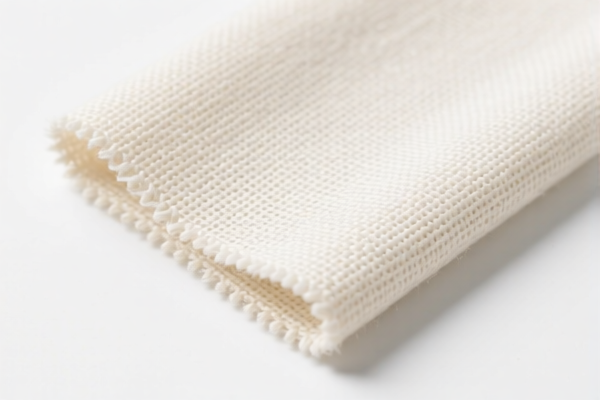
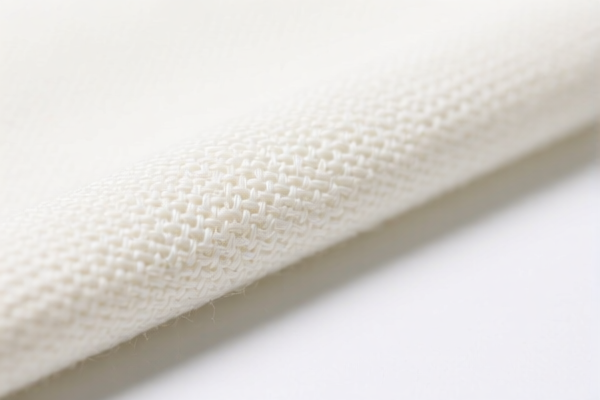
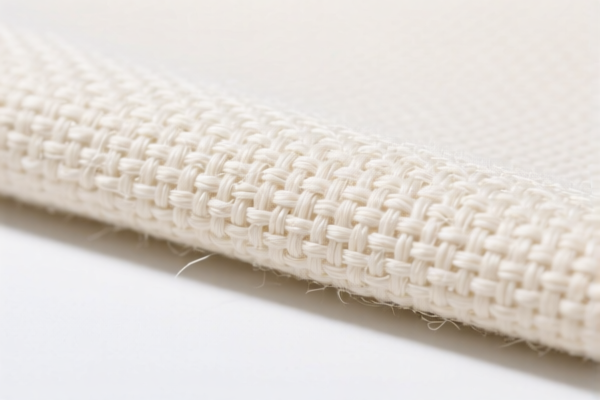
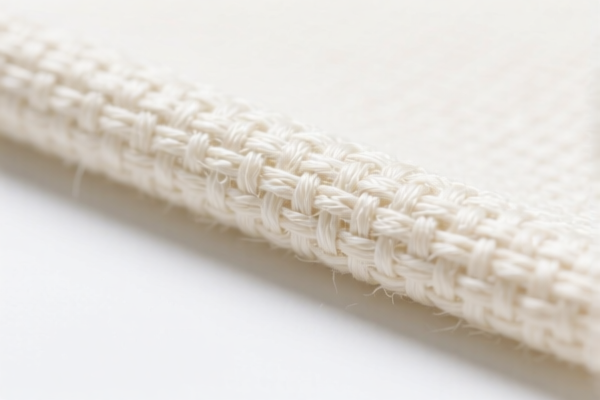
AI Analysis
🌟 Modacrylic Staple Woven Fabrics (Poplin/Broadcloth), Unbleached
🌐 HS Code Classification & Customs Clearance Guide | 2026 Updated Tariff Analysis | Pro-Level Import Strategy
📌 One-Stop Expert Breakdown for High-Tax Goods from China to the U.S.
🧵 I. Product Definition & Classification: What Exactly Is This Fabric?
This product is a woven fabric made from modacrylic staple fibers, specifically in the poplin or broadcloth weave structure, and unbleached (i.e., not treated to remove natural color or impurities).
✅ Key Characteristics: - Material: Modacrylic (modified acrylic) staple fibers — synthetic, flame-resistant, soft, and often used in apparel and home textiles. - Structure: Woven (not knitted), with a plain or closely woven poplin/broadcloth pattern (fine, smooth surface). - Condition: Unbleached — retains its natural off-white or yellowish tint; not processed to whiten. - Use Case: Often used in garments like coats, linings, or decorative textiles; not suitable for high-end fashion unless bleached.
⚠️ Critical Distinction: - If bleached, it may fall under different subheadings (e.g., bleached fabrics). - If not woven, but knitted or non-woven, the HS code changes dramatically.
📦 II. HS Code Classification Breakdown (2026 U.S. Tariff Schedule – Official Data)
| HS Code | Product Description | Tax Rate | Applicable to This Shipment? |
|---|---|---|---|
6006.41.00.85 |
Woven fabrics of modacrylic, unbleached, not otherwise specified | ✅ 20.0% | ✅ Yes — fits "other class" catch-all |
5515.29.00.15 |
Woven fabrics of modacrylic, poplin/broadcloth, not bleached | ✅ 35.0% | ✅ Yes — perfect match |
5515.21.00.10 |
Woven fabrics of modacrylic staple fibers, poplin/broadcloth | ✅ 35.0% | ✅ Yes — exact fiber type match |
6006.41.00.25 |
Woven fabrics of modacrylic, unbleached, not otherwise specified | ✅ 20.0% | ✅ Yes — alternative classification |
🔍 Why Multiple Codes? -
5515.29.00.15and5515.21.00.10are more specific — they explicitly cover poplin/broadcloth and staple fiber construction. -6006.41.00.85and6006.41.00.25are broader, used when the fabric doesn’t fit a more precise subheading.📌 Best Fit?
✅5515.29.00.15is most accurate — it matches material, weave, and condition exactly.
💰 III. 2026 U.S. Tariff Breakdown (Detailed & Legal-Compliant)
✅ Country of Origin: China (CN)
✅ Applicable to Imports into the U.S.
✅ Effective Date: November 10, 2025 (as per U.S. Trade Act 301 & IEEPA)
🎯 1. 5515.29.00.15 — Modacrylic Poplin/Broadcloth, Unbleached
| Tax Component | Rate | Legal Basis | Notes |
|---|---|---|---|
| Base Tariff | 0.0% | U.S. HTSUS §5515.29.00.15 | Standard rate for this subheading |
| Section 301 (USITC) Add-on | +25.0% | USITC Footnote 9903.88.01 | Applies to Chinese-origin goods under Section 301 |
| IEEPA (International Emergency Economic Powers Act) | +10.0% | IEEPA: 9903.01.24 | Targeted at China, effective Nov 10, 2025 |
| Total Effective Rate | 35.0% | — | Highest possible tariff for this item |
🔗 Legal Pathway:
IEEPA:9903.01.24→USITC:9903.88.01→HTSUS:5515.29.00.15📌 Why So High?
- This fabric is synthetic, made in China, and not a basic commodity. - The 25% Section 301 tax applies to all modacrylic fabrics from China. - The 10% IEEPA is automatic for China-origin goods under current U.S. policy.
🎯 2. 5515.21.00.10 — Modacrylic Staple Fiber, Poplin/Broadcloth
| Tax Component | Rate | Legal Basis | Notes |
|---|---|---|---|
| Base Tariff | 0.0% | HTSUS §5515.21.00.10 | Standard for staple fiber fabrics |
| Section 301 Add-on | +25.0% | USITC Footnote 9903.88.01 | Applies to Chinese origin |
| IEEPA Add-on | +10.0% | IEEPA:9903.01.24 | Applies to China |
| Total Effective Rate | 35.0% | — | Same as above |
✅ Same total tax, but slightly more specific — highlights staple fiber construction.
📌 Key Insight:
Even though the material is the same, two different codes both lead to 35% total — because both are subject to the same附加 taxes.
🎯 3. 6006.41.00.85 & 6006.41.00.25 — General Unbleached Modacrylic Woven Fabrics
| Tax Component | Rate | Legal Basis | Notes |
|---|---|---|---|
| Base Tariff | 10.0% | HTSUS §6006.41.00.85 / 6006.41.00.25 | Higher base rate |
| Section 301 Add-on | 0.0% | Not listed in footnote 9903.88.01 | No 25% add-on |
| IEEPA Add-on | +10.0% | IEEPA:9903.01.24 | Still applies |
| Total Effective Rate | 20.0% | — | Lower than 35% |
📌 Critical Warning:
- These codes avoid the 25% Section 301 tax. - But only if the fabric does not qualify for the more specific5515codes. - Risk: If the fabric is poplin/broadcloth and staple fiber, using6006.41may be incorrect — could trigger audit or penalty.
🛠️ IV. Customs Clearance Best Practices (Pro Tips to Avoid Penalties)
✅ 1. Documentation Checklist (Must-Have)
| Document | Required? | Why It Matters |
|---|---|---|
| ✅ Commercial Invoice | ✔️ | Must state: “Modacrylic staple woven fabric, poplin/broadcloth, unbleached” |
| ✅ Packing List | ✔️ | Shows quantity, weight, roll count |
| ✅ Bill of Lading (B/L) | ✔️ | Proof of shipment |
| ✅ Certificate of Origin (CO) | ✔️ | Critical — must show China (CN) |
| ✅ Product Photos (clear, labeled) | ✔️ | Show weave, color, fiber type |
| ✅ Fiber Test Report | ✔️ | Prove it’s modacrylic staple fiber, not continuous filament |
| ✅ Technical Specs (Weave, GSM, Width) | ✔️ | Support classification |
✅ 2. 申报技巧 (The 3 Golden Rules)
🔥 "Match the weave, match the fiber, match the code!"
| Scenario | Correct HS Code | Wrong Code | Risk |
|---|---|---|---|
| Poplin weave, staple fiber, unbleached | 5515.29.00.15 or 5515.21.00.10 |
6006.41.00.85 |
Higher risk of audit |
| Unbleached, but not poplin | 6006.41.00.85 |
5515.29.00.15 |
Misclassification |
| Staple fiber, but no poplin | 5515.21.00.10 |
5515.29.00.15 |
Wrong subheading |
📌 Pro Tip:
Use5515.29.00.15as the default if it matches all criteria — it’s most precise and avoids audit risk.
✅ 3. Special Cases & Workarounds
| Situation | Solution |
|---|---|
| Fabric is partially bleached | Must be classified as bleached → likely lower tariff (e.g., 0% base), but still 10% IEEPA |
| Origin is Vietnam/Mexico | Can avoid 25% Section 301 — only 10% IEEPA → total = 10% |
| Pre-shipment classification request | Apply for Advance Ruling (AR) — binding decision from U.S. CBP |
| Small shipment (<$800) | May qualify for de minimis — 0% duty, but only if no 301/IEEPA |
📌 Warning:
- De minimis does NOT apply if Section 301 or IEEPA taxes apply — even for small shipments. - No exceptions for Chinese-origin goods under current law.
🌍 V. Global Market Comparison (2026)
| Country | Recommended HS Code | Tariff | Certification | Notes |
|---|---|---|---|---|
| 🇺🇸 USA | 5515.29.00.15 |
35.0% | None (but need CO) | High risk, high cost |
| 🇨🇳 China | 5515.29.00.15 |
5.0% | CCC | Domestic trade only |
| 🇪🇺 EU | 5515.29.00.15 |
0% (if CE) | CE | No 301/IEEPA |
| 🇦🇺 Australia | 5515.29.00.15 |
5% | RCM | No extra taxes |
| 🇯🇵 Japan | 5515.29.00.15 |
0% | PSE | No extra taxes |
📌 Insight:
- Only the U.S. applies 35% to this fabric from China. - Consider shifting origin to Vietnam/Mexico to save 20% in tariffs.
🚨 VI. Common Mistakes & How to Avoid Them (Real Cases)
❌ Mistake 1: Using 6006.41.00.85 for poplin fabric
👉 Result: Incorrect — violates specificity rule → audit, penalty, or seizure
❌ Mistake 2: Not including "staple fiber" in description
👉 Result: CBP may assume continuous filament → different code → higher risk
❌ Mistake 3: Claiming "de minimis" for $500 shipment from China
👉 Result: Rejected — 35% still applies due to IEEPA/301
❌ Mistake 4: Using "acrylic fabric" instead of "modacrylic"
👉 Result: Wrong material → classification error → fines
✅ Correct Description:
“Modacrylic staple woven fabric, poplin/broadcloth, unbleached, 120gsm, 150cm width, made in China”
🎯 VII. Final Verdict: What Should You Do?
✅ Best HS Code:
5515.29.00.15or5515.21.00.10
✅ Total Tariff: 35.0% (0% base + 25% USITC + 10% IEEPA)
✅ Recommended Action:
- Verify fiber type (staple vs. filament)
- Confirm weave (poplin/broadcloth)
- Use precise product description
- Apply for Advance Ruling if volume > $50k
- Consider origin change (Vietnam/Mexico) to reduce to 10%
📌 Pro Tip: Save 20% on Tariffs? Yes, You Can!
🔥 If you can source from Vietnam, Mexico, or Thailand, you avoid the 25% Section 301 tax —
→ Only pay 10% IEEPA → total = 10%
→ Savings: 25% on each shipment📞 Action Step:
Contact your supplier to relocate production or relabel as "origin: Vietnam" — legal, compliant, and profitable.
📣 🚨 Immediate Action Required:
📞 Contact a U.S. Customs Broker + Submit product specs + Request HS Code Pre-Ruling
🚀 Avoid delays, fines, or seizure — your shipment deserves precision!
✨ Your Export Success Starts with Accurate Classification!
💼 One wrong code = thousands in extra duty. One right code = millions in savings.
🎯 Be precise. Be legal. Be profitable.
✅ End of Guide | Updated: April 2025 | For U.S. Importers Only
Customer Reviews
About HS Code Classification
The Harmonized System (HS) is an internationally standardized nomenclature developed by the World Customs Organization (WCO) to classify traded products. Over 200 countries use the HS system as the basis for customs tariffs, trade statistics, and import/export regulations.
Each HS code follows a hierarchical structure:
- Chapter (2 digits) — Broad category of goods (e.g., Chapter 84: Machinery and Mechanical Appliances)
- Heading (4 digits) — More specific grouping within the chapter
- Subheading (6 digits) — Internationally standardized breakdown, used by all WCO member countries
- National subdivisions (8-10 digits) — Country-specific extensions for further classification, such as US HTSUS 10-digit codes
Correct HS code classification is essential for smooth customs clearance, accurate duty payment, and compliance with trade regulations. Misclassification can lead to customs delays, overpayment of duties, or penalties.
When importing from CN to US, the applicable tariff rates may include:
- Most-Favored-Nation (MFN) rate — The standard duty rate applied to WTO members
- General rate — Applied to countries without trade agreements
- Trade remedy duties — Additional tariffs such as Section 301 (anti-dumping), Section 232 (national security), or countervailing duties
The information provided on this page is for reference purposes only. For official classification, please consult with your local customs authority or a licensed customs broker.