multiplication table chart
CN → US| HS编码 | 关税税率 | 原产国 | 目的国 | 文档 |
|---|---|---|---|---|
| 490110 | 0.0% | CN | US | 官方文档 |
| 490490 | 0.0% | CN | US | 官方文档 |
| 4911996000 | 17.5% | CN | US | 官方文档 |
| 4911914040 | 17.5% | CN | US | 官方文档 |
| 9023000000 | 17.5% | CN | US | 官方文档 |
| 4820900000 | 35.0% | CN | US | 官方文档 |
| 4820102060 | 35.0% | CN | US | 官方文档 |
商品图片
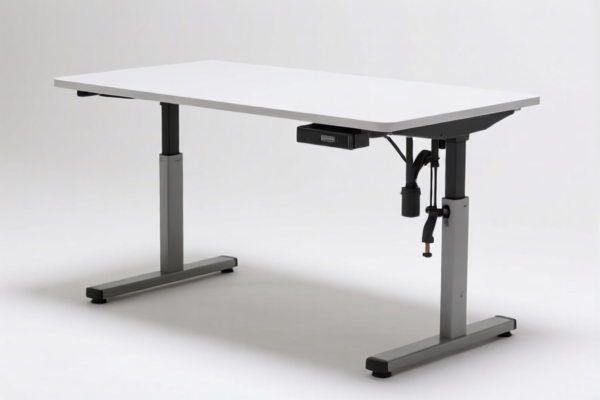
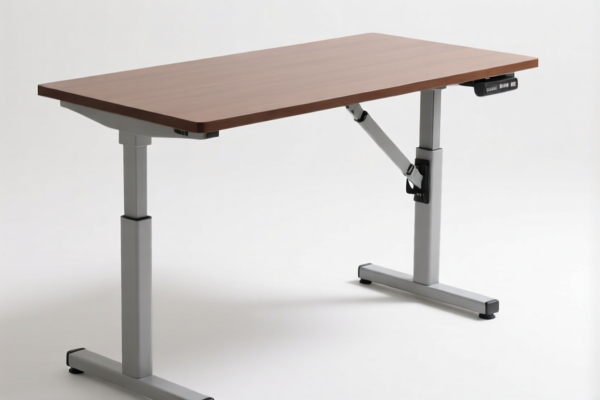
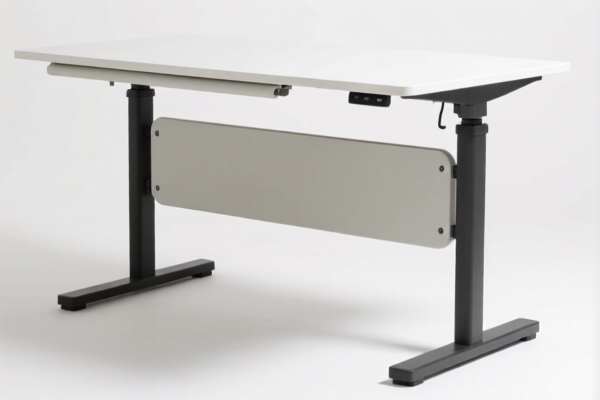
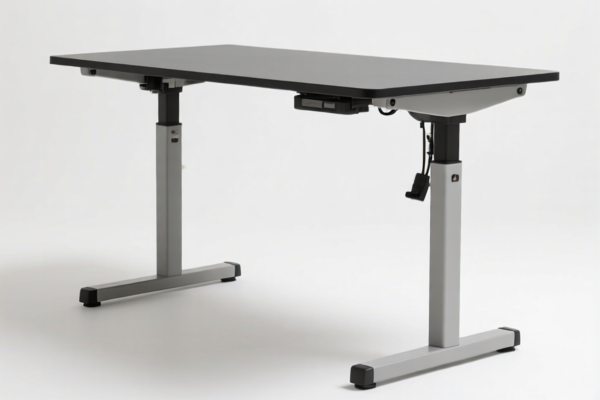
AI分析
Here is a comprehensive Multiplication Table Chart (1 to 10), followed by useful tips and patterns to help with memorization.
📊 Standard 10x10 Multiplication Chart
| × | 1 | 2 | 3 | 4 | 5 | 6 | 7 | 8 | 9 | 10 |
|---|---|---|---|---|---|---|---|---|---|---|
| 1 | 1 | 2 | 3 | 4 | 5 | 6 | 7 | 8 | 9 | 10 |
| 2 | 2 | 4 | 6 | 8 | 10 | 12 | 14 | 16 | 18 | 20 |
| 3 | 3 | 6 | 9 | 12 | 15 | 18 | 21 | 24 | 27 | 30 |
| 4 | 4 | 8 | 12 | 16 | 20 | 24 | 28 | 32 | 36 | 40 |
| 5 | 5 | 10 | 15 | 20 | 25 | 30 | 35 | 40 | 45 | 50 |
| 6 | 6 | 12 | 18 | 24 | 30 | 36 | 42 | 48 | 54 | 60 |
| 7 | 7 | 14 | 21 | 28 | 35 | 42 | 49 | 56 | 63 | 70 |
| 8 | 8 | 16 | 24 | 32 | 40 | 48 | 56 | 64 | 72 | 80 |
| 9 | 9 | 18 | 27 | 36 | 45 | 54 | 63 | 72 | 81 | 90 |
| 10 | 10 | 20 | 30 | 40 | 50 | 60 | 70 | 80 | 90 | 100 |
💡 Pro Tips for Memorization
1. The "9" Finger Trick
Hold all 10 fingers up. To multiply 9 × n: - Put down your n-th finger. - Count the fingers to the left of the dropped finger as the tens digit. - Count the fingers to the right as the ones digit. - Example (9 × 3): Put down the 3rd finger. 2 fingers left (20), 7 fingers right (7) → 27.
2. Commutative Property
Multiplication is symmetric. If you know 6 × 7 = 42, you automatically know 7 × 6 = 42. - You only need to memorize the upper triangle of the chart (including the diagonal).
3. Easy Numbers First
- ×1: The number stays the same.
- ×2: Double the number.
- ×5: Ends in 0 or 5. Half of 100.
- ×10: Just add a zero to the end.
4. Squares (Diagonal)
Memorize these "anchor" numbers: - $1^2 = 1$ - $2^2 = 4$ - $3^2 = 9$ - $4^2 = 16$ - $5^2 = 25$ - $6^2 = 36$ - $7^2 = 49$ - $8^2 = 64$ - $9^2 = 81$ - $10^2 = 100$
5. The "8" Pattern
The last digits of the 8 times table repeat in a cycle: 8, 6, 4, 2, 0. - $8 \times 1 = 8$ - $8 \times 2 = 16$ - $8 \times 3 = 24$ - $8 \times 4 = 32$ - $8 \times 5 = 40$ - $8 \times 6 = 48$ - ...and so on.
📝 Extended Reference: Common Hard Numbers
For faster recall, here are often-memorized specific facts: - $7 \times 8 = 56$ - $6 \times 7 = 42$ - $8 \times 8 = 64$ - $9 \times 9 = 81$ - $12 \times 12 = 144$
Would you like a printable PDF version or a chart expanded to 12x12?
用户评价
关于 HS 编码归类
协调制度(HS)是由世界海关组织(WCO)制定的国际贸易商品分类标准。全球 200 多个国家采用 HS 系统作为海关关税、贸易统计和进出口监管的基础。
每个 HS 编码遵循以下层级结构:
- 章(2 位)——商品大类(例如:第 84 章:机器和机械设备)
- 品目(4 位)——章内的更具体分类
- 子目(6 位)——国际通用细分,所有 WCO 成员国统一使用
- 本国细分(8-10 位)——各国自行扩展的细分编码,如美国 HTSUS 10 位编码
正确的 HS 编码归类对于顺利通关、准确缴纳关税和遵守贸易法规至关重要。错误归类可能导致海关延误、多缴关税或罚款。
从CN进口到US时,适用的关税税率可能包括:
- 最惠国(MFN)税率——适用于 WTO 成员国的标准关税税率
- 普通税率——适用于无贸易协定国家
- 贸易救济关税——附加关税,如 301 条款(反倾销)、232 条款(国家安全)或反补贴税
本页内容仅供参考。如需正式归类,请咨询当地海关或持牌报关代理。