multiplication table chart
CN → US| HS Code | Tariff Rate | Origin | Destination | Doc |
|---|---|---|---|---|
| 490110 | 0.0% | CN | US | Official Doc |
| 490490 | 0.0% | CN | US | Official Doc |
| 4911996000 | 17.5% | CN | US | Official Doc |
| 4911914040 | 17.5% | CN | US | Official Doc |
| 9023000000 | 17.5% | CN | US | Official Doc |
| 4820900000 | 35.0% | CN | US | Official Doc |
| 4820102060 | 35.0% | CN | US | Official Doc |
Product Images
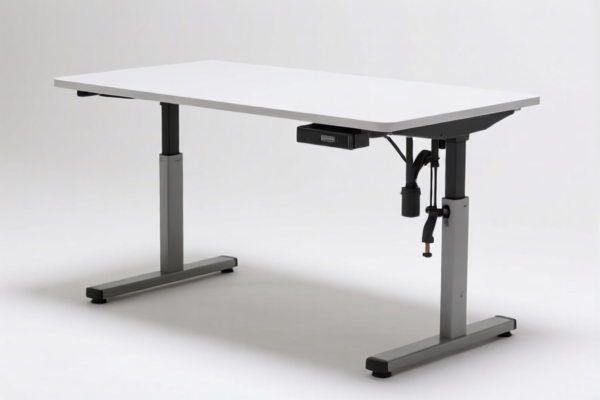
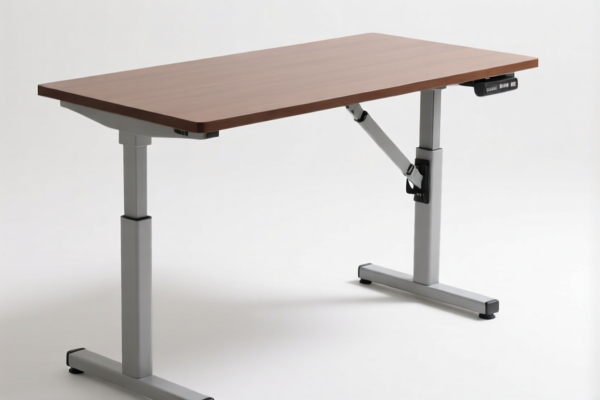
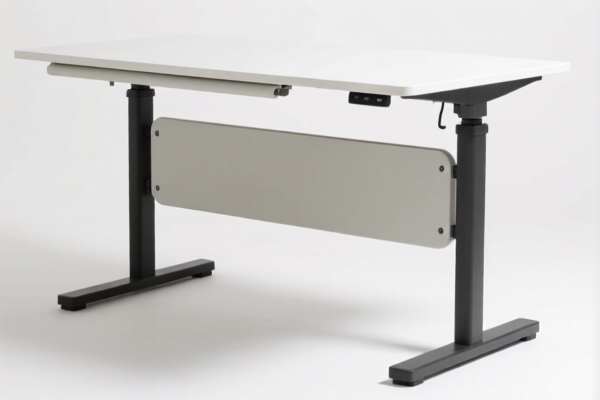
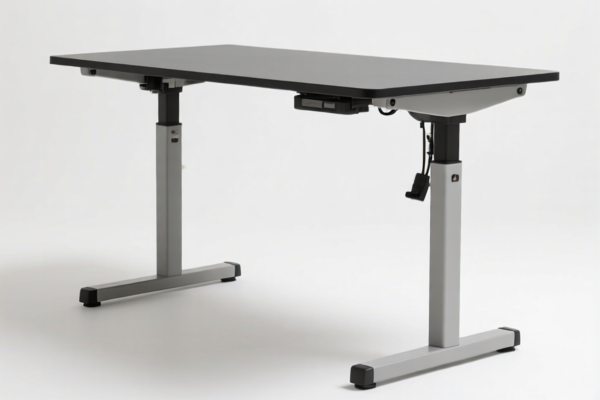
AI Analysis
Here is a comprehensive Multiplication Table Chart (1 to 10), followed by useful tips and patterns to help with memorization.
📊 Standard 10x10 Multiplication Chart
| × | 1 | 2 | 3 | 4 | 5 | 6 | 7 | 8 | 9 | 10 |
|---|---|---|---|---|---|---|---|---|---|---|
| 1 | 1 | 2 | 3 | 4 | 5 | 6 | 7 | 8 | 9 | 10 |
| 2 | 2 | 4 | 6 | 8 | 10 | 12 | 14 | 16 | 18 | 20 |
| 3 | 3 | 6 | 9 | 12 | 15 | 18 | 21 | 24 | 27 | 30 |
| 4 | 4 | 8 | 12 | 16 | 20 | 24 | 28 | 32 | 36 | 40 |
| 5 | 5 | 10 | 15 | 20 | 25 | 30 | 35 | 40 | 45 | 50 |
| 6 | 6 | 12 | 18 | 24 | 30 | 36 | 42 | 48 | 54 | 60 |
| 7 | 7 | 14 | 21 | 28 | 35 | 42 | 49 | 56 | 63 | 70 |
| 8 | 8 | 16 | 24 | 32 | 40 | 48 | 56 | 64 | 72 | 80 |
| 9 | 9 | 18 | 27 | 36 | 45 | 54 | 63 | 72 | 81 | 90 |
| 10 | 10 | 20 | 30 | 40 | 50 | 60 | 70 | 80 | 90 | 100 |
💡 Pro Tips for Memorization
1. The "9" Finger Trick
Hold all 10 fingers up. To multiply 9 × n: - Put down your n-th finger. - Count the fingers to the left of the dropped finger as the tens digit. - Count the fingers to the right as the ones digit. - Example (9 × 3): Put down the 3rd finger. 2 fingers left (20), 7 fingers right (7) → 27.
2. Commutative Property
Multiplication is symmetric. If you know 6 × 7 = 42, you automatically know 7 × 6 = 42. - You only need to memorize the upper triangle of the chart (including the diagonal).
3. Easy Numbers First
- ×1: The number stays the same.
- ×2: Double the number.
- ×5: Ends in 0 or 5. Half of 100.
- ×10: Just add a zero to the end.
4. Squares (Diagonal)
Memorize these "anchor" numbers: - $1^2 = 1$ - $2^2 = 4$ - $3^2 = 9$ - $4^2 = 16$ - $5^2 = 25$ - $6^2 = 36$ - $7^2 = 49$ - $8^2 = 64$ - $9^2 = 81$ - $10^2 = 100$
5. The "8" Pattern
The last digits of the 8 times table repeat in a cycle: 8, 6, 4, 2, 0. - $8 \times 1 = 8$ - $8 \times 2 = 16$ - $8 \times 3 = 24$ - $8 \times 4 = 32$ - $8 \times 5 = 40$ - $8 \times 6 = 48$ - ...and so on.
📝 Extended Reference: Common Hard Numbers
For faster recall, here are often-memorized specific facts: - $7 \times 8 = 56$ - $6 \times 7 = 42$ - $8 \times 8 = 64$ - $9 \times 9 = 81$ - $12 \times 12 = 144$
Would you like a printable PDF version or a chart expanded to 12x12?
Customer Reviews
About HS Code Classification
The Harmonized System (HS) is an internationally standardized nomenclature developed by the World Customs Organization (WCO) to classify traded products. Over 200 countries use the HS system as the basis for customs tariffs, trade statistics, and import/export regulations.
Each HS code follows a hierarchical structure:
- Chapter (2 digits) — Broad category of goods (e.g., Chapter 84: Machinery and Mechanical Appliances)
- Heading (4 digits) — More specific grouping within the chapter
- Subheading (6 digits) — Internationally standardized breakdown, used by all WCO member countries
- National subdivisions (8-10 digits) — Country-specific extensions for further classification, such as US HTSUS 10-digit codes
Correct HS code classification is essential for smooth customs clearance, accurate duty payment, and compliance with trade regulations. Misclassification can lead to customs delays, overpayment of duties, or penalties.
When importing from CN to US, the applicable tariff rates may include:
- Most-Favored-Nation (MFN) rate — The standard duty rate applied to WTO members
- General rate — Applied to countries without trade agreements
- Trade remedy duties — Additional tariffs such as Section 301 (anti-dumping), Section 232 (national security), or countervailing duties
The information provided on this page is for reference purposes only. For official classification, please consult with your local customs authority or a licensed customs broker.