nylon blended fabric high count and high density
CN → US商品图片
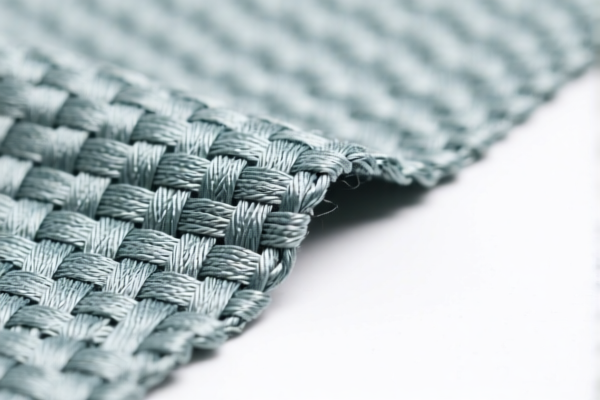
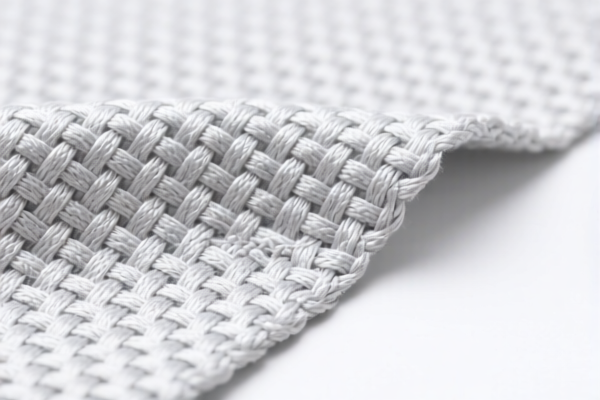
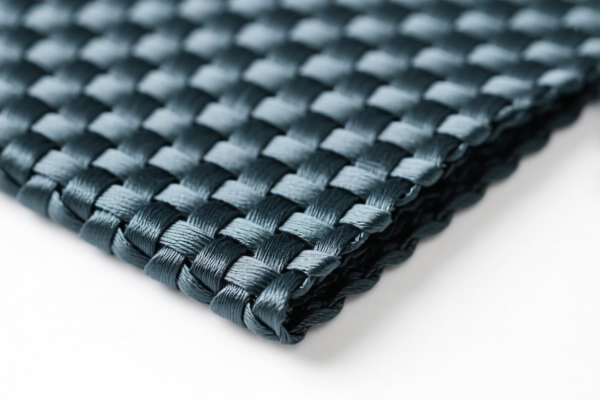
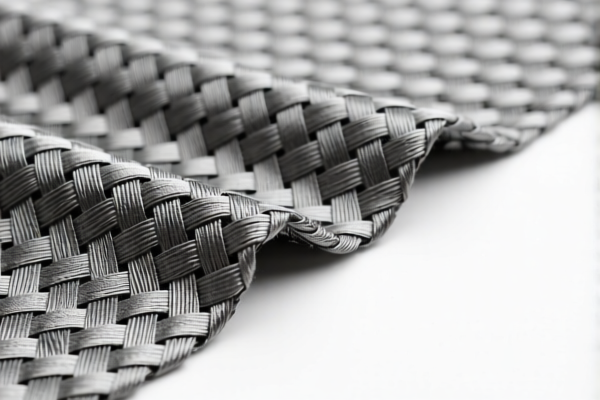
AI分析
🧵 Nylon Blended Fabric: High Count & High Density Specifications
🌐 HS Code Reference & Customs Clearance Guide | 2026 Latest Tariff Regulations | Professional Compliance Strategy
📌 I. Product Definition: What Exactly is "High Count, High Density Nylon Blend"?
Nylon blended fabric (typically Nylon/Spandex or Nylon/Polyester blends) characterized by high thread count (count) and high weaving density (density) offers superior durability, smoothness, and a premium feel. It is widely used in high-end sportswear, lingerie, swimwear, and technical outerwear.
Key Technical Indicators: - High Count (Fineness): Refers to the thickness of the yarn. Higher counts (e.g., 70D, 80D, 100D, or even finer like 20D-40D for silk-like feel) mean thinner, finer yarns. - High Density (Threads per Inch/Centimeter): Refers to the number of warp and weft threads per unit area. Higher density results in a tighter, less transparent, and more durable fabric.
⚠️ Critical Distinction:
- Knitted vs. Woven: Most high-count nylon blends are knitted (e.g., jersey, tricot, plain knit). Woven nylon is usually heavy-duty (e.g., parachutes). This guide focuses on Knitted Fabric for apparel. - Blended Composition: "Blend" usually implies Nylon + Spandex (Elastane) for stretch, or Nylon + Polyester for cost/durability balance.
📦 II. HS Code Classification Matrix (2026 Latest Tariff Authority)
| HS Code | Product Description | Application Scenario | Composition | Knitted/Woven |
|---|---|---|---|---|
6006.31.00 |
Knitted or crocheted fabrics, of nylon or other polyamides, containing >= 5% elastomeric rubber or spandex | High-end sportswear, swimwear, lingerie, leggings | Nylon + Spandex (Elastane) | ✅ Knitted |
6006.22.00 |
Knitted or crocheted fabrics, of synthetic fibers (polyester), mixed mainly with nylon | Sportswear, casual wear, lining | Nylon + Polyester | ✅ Knitted |
6006.34.00 |
Knitted or crocheted fabrics, of nylon or polyamides, dyed | General apparel, uniforms | 100% Nylon or Nylon-blend | ✅ Knitted |
5407.61.00 |
Woven fabrics, of synthetic fibers, containing >= 85% nylon | Technical textiles, outdoor gear, bags | 100% Nylon or Nylon-dominant | ❌ Woven |
6005.40.00 |
Other knitted fabrics, of synthetic fibers, bleached/printed | Linings, interlinings | Synthetic blend | ✅ Knitted |
🔍 Key Reminder:
- Spandex Content > 5%? → Likely6006.31.00(if nylon is main fiber).
- Pure Nylon Knitted? → Likely6006.34.00or6006.22.00depending on dyeing/printing status.
- Woven vs. Knitted? Must declare correctly. Knitted = 60xx, Woven = 54xx.
💰 III. 2026 Latest Tariff Rate Breakdown (Including Surcharge Policies)
✅ Applicable Country: USA (US)
✅ Origin: China (CN)
✅ Effective Date: November 10, 2025 (including subsequent imports)
🎯 1. 6006.31.00 —— Knitted Nylon/Spandex Fabric (High Count/High Density)
| Item | Content |
|---|---|
| Base Tariff | 0% (ad valorem) |
| USITC Surcharge | +25% (USITC Footnote 9903.88.01) |
| IEEPA Surcharge | +10% (China/HK product, effective Nov 10, 2025) |
| Total Rate | 45% |
| Tax Calculation | CIF Value × 45% |
| De Minimis Exemption Eligible? | ❌ No (deny_de_minimis) |
| Legal Basis Path | IEEPA:9903.01.25 → IEEPA:9903.01.24 → USITC:6006.31.00 → FOOTNOTE:9903.88.01 |
📌 Explanation:
- "USITC 25%" is from Section 301 duties under U.S. Trade Act;
- "IEEPA 10%" is the Additional Tariff under IEEPA for Chinese goods;
- Total 45% is considered high tariff, must be factored into cost!
🎯 2. 6006.22.00 —— Knitted Synthetic Fiber Fabric (Nylon/Polyester Blend)
| Item | Content |
|---|---|
| Base Tariff | 0% |
| USITC Surcharge | +25% |
| IEEPA Surcharge | +10% |
| Total Rate | 45% |
| Tax Calculation | CIF × 45% |
| De Minimis Exemption Eligible? | ❌ No |
| Legal Basis Path | IEEPA:9901.25 → IEEPA:9903.01.24 → USITC:6006.22.00 → FOOTNOTE:9903.88.01 |
📌 Note:
- Same as above, "Blended" synthetics face same high tariffs;
- Even if Polyester is main fiber, if blended with Nylon, still subject to synthetic fiber rules.
🛠️ IV. Customs Clearance Practical Guide (Pitfall Avoidance)
✅ 1. Required Documentation Checklist
| Document | Must Provide | Explanation |
|---|---|---|
| ✅ Product Specification Sheet | ✔️ | Including: Fiber content %, Count (D), Density (threads/inch/cm), Width, Weight (gsm) |
| ✅ Fabric Structure Diagram | ✔️ | To confirm Knitted vs. Woven |
| ✅ Product Photos (with Label) | ✔️ | Clear showing composition label, weight, care instructions |
| ✅ Third-Party Test Report | ✔️ | OEKO-TEX, REACH, CPSIA, etc. |
| ✅ Commercial Invoice | ✔️ | Must state "Knitted Fabric, Nylon/Spandex, High Count/High Density" |
| ✅ Certificate of Origin (CO) | ✔️ | If non-China origin, can claim preferential rates |
| ✅ Packing List | ✔️ | Show roll/roll packaging, avoid mixed declarations |
✅ 2. Declaration Tips (Key Mnemonics)
🔥 "Knitted 60, Woven 54, Spandex >5% is 31, Nylon pure is 34!"
| Scenario | Correct Declaration | Wrong Practice |
|---|---|---|
| Nylon + Spandex Knitted | 6006.31.00 |
Misdeclare as "Woven" → 30%+25% |
| Pure Nylon Knitted | 6006.34.00 |
Misdeclare as "Spandex blend" → 45% vs 20% |
| Nylon/Polyester Blend | 6006.22.00 |
Misdeclare as "Cotton" → 10% but wrong classification |
| Woven Nylon | 5407.61.00 |
Misdeclare as "Knitted" → 45% vs 20% |
✅ 3. Special Case Handling
| Scenario | Handling Advice |
|---|---|
| OEM Custom Fabric | Provide client order + design tech pack to avoid "non-standard" flag |
| High-Density, High-Count (Ultra-fine) | Still 6006.31.00, no special exemption |
| Recycled Nylon (Econyl) | Same HS Code, but can provide Recycled Content Certificate for brand compliance (not tariff) |
| Fabrics for Medical Use | If sterile/surgical, may require FDA docs, but HS remains same |
🌍 V. Global Market Customs Comparison (2026 Latest)
| Country/Region | Recommended HS Code | Tariff | Certification | Notes |
|---|---|---|---|---|
| 🇺🇸 USA | 6006.31.00 |
45% (China) | OEKO-TEX + REACH | High tariff due to Section 301 |
| 🇨🇳 China | 6006.31.00 |
5% | GB Standards | No surcharge |
| 🇪🇺 EU | 6006.31.00 |
0% (if CE-compliant) | REACH + OEKO-TEX | No surcharge |
| 🇦🇺 Australia | 6006.31.00 |
5% | RCM | No surcharge |
| 🇯🇵 Japan | 6006.31.00 |
0% | PSE | No surcharge |
📌 Conclusion:
- USA is the only market with high surcharges on synthetic knitted fabrics;
- China-origin nylon fabric has very high clearance costs in US, consider supply chain adjustment.
📌 VI. Common Errors & Pitfall Guide (Lessons Learned)
❌ Error 1: Declaring "Fabric" without specifying Knitted/Woven
👉 Consequence: Customs cannot classify → Delay or Return
❌ Error 2: Misdeclaring Nylon/Spandex as "Cotton Blend"
👉 Consequence: Tariff from 45% to 5% → Penalty + Back Tax!
❌ Error 3: Not providing fiber composition % on Invoice
👉 Consequence: Customs reclassifies → 10% penalty + delay
❌ Error 4: Using "Nylon Fabric" as generic name
👉 Consequence: If actual is Polyester, classification error → Audit Risk
✅ Correct Practice:
"Knitted Fabric, 80D Nylon/20% Spandex, High Count (50 threads/cm), High Density (200 threads/inch), Dyed, Model XYZ, OEKO-TEX Certified"
🎯 VII. Conclusion: Professional Declaration, Save Time & Cost!
🎯 Remember Mnemonic:
🔹 "Knitted 60, Woven 54, Spandex >5% is 31, Pure Nylon is 34!"
🔹 "HS Code determines life, 25% tariff difference, 1-step error, thousands lost!"
📌 Pro Tip:
If your fabric originates from Vietnam, Mexico, Thailand, Malaysia, you can apply for IEEPA Exemption, tariff only 0%~5%;
Recommend Advance Ruling to avoid clearance risks.
📣 Immediate Action:
📞 Contact Professional Broker + Provide Fabric Specs + Apply for HS Code Advance Ruling
🚀 Let your fabric clear smoothly, export efficiently, profit double!
✨ Professional Customs Clearance Starts with Accurate Classification!
💼 Every Cent of Your Cost Deserves Precise Calculation!
用户评价
关于 HS 编码归类
协调制度(HS)是由世界海关组织(WCO)制定的国际贸易商品分类标准。全球 200 多个国家采用 HS 系统作为海关关税、贸易统计和进出口监管的基础。
每个 HS 编码遵循以下层级结构:
- 章(2 位)——商品大类(例如:第 84 章:机器和机械设备)
- 品目(4 位)——章内的更具体分类
- 子目(6 位)——国际通用细分,所有 WCO 成员国统一使用
- 本国细分(8-10 位)——各国自行扩展的细分编码,如美国 HTSUS 10 位编码
正确的 HS 编码归类对于顺利通关、准确缴纳关税和遵守贸易法规至关重要。错误归类可能导致海关延误、多缴关税或罚款。
从CN进口到US时,适用的关税税率可能包括:
- 最惠国(MFN)税率——适用于 WTO 成员国的标准关税税率
- 普通税率——适用于无贸易协定国家
- 贸易救济关税——附加关税,如 301 条款(反倾销)、232 条款(国家安全)或反补贴税
本页内容仅供参考。如需正式归类,请咨询当地海关或持牌报关代理。