pet training bag
CN → US| HS编码 | 关税税率 | 原产国 | 目的国 | 文档 |
|---|---|---|---|---|
| 4202923900 | 52.6% | CN | US | 官方文档 |
| 6305330080 | 25.9% | CN | US | 官方文档 |
| 4202923131 | 52.6% | CN | US | 官方文档 |
| 6305390000 | 25.9% | CN | US | 官方文档 |
| 4202923900 | 52.6% | CN | US | 官方文档 |
商品图片
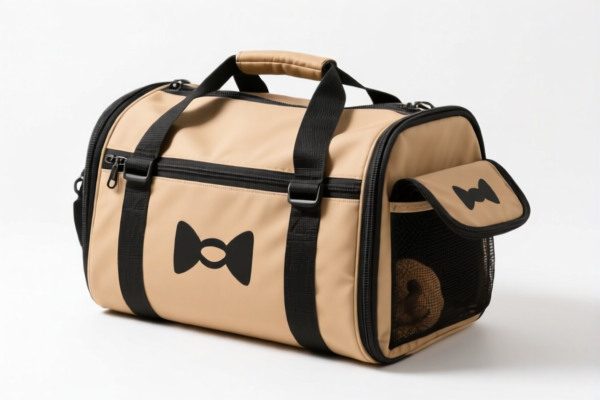
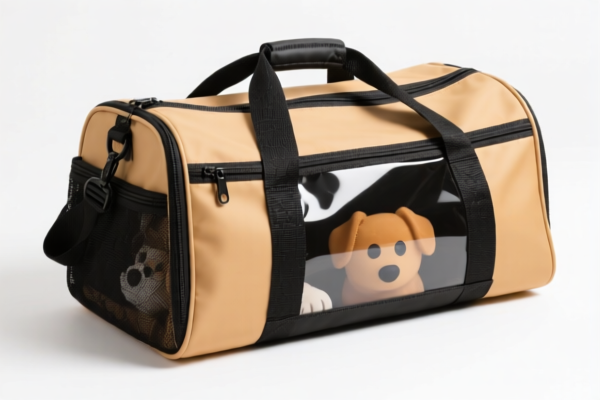
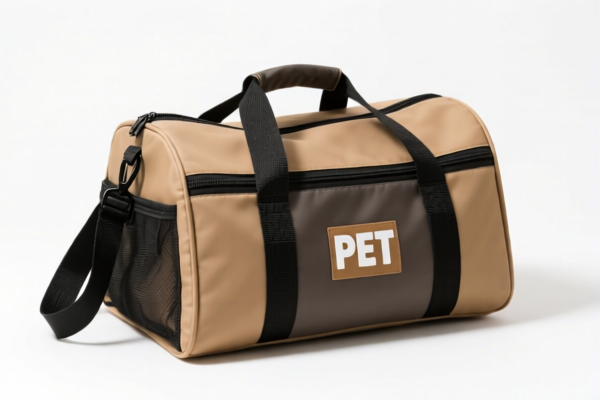
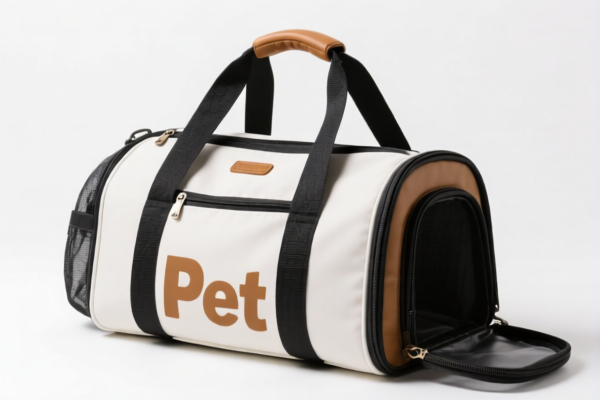
AI分析
🐕 PET TRAINING BAG (Dog Training Pouches & Utility Bags)
🌐 HS Code Reference & Customs Clearance Guide | 2026 Latest Tariff Analysis | Professional Clearance Strategy
📌 I. Product Definition & Classification: Do You Really Understand the "Pet Training Bag"?
A Pet Training Bag is a specialized accessory for dog owners, designed to hold training treats, waste bags, toys, and rewards. In international trade, its classification depends heavily on its primary material (often Polyester/PET) and structure (whether it has a rigid shape, zipper, or shoulder strap).
Because these bags are typically made of textile materials (like PET/Polyester), they generally fall under Chapter 42 (Articles of Leather; Saddle Harnesses and the like; Travel Goods, Handbags and Similar Containers) or Chapter 63 (Other Made-Up Textile Articles), depending on specific design features.
⚠️ Critical Distinction Point:
- If the bag is constructed like a handbag/travel bag (with handles, zippers, structured shape) → It falls under Chapter 42 (4202.92).
- If the bag is a simple pouch/sack without the structural features of a travel bag (e.g., a simple drawstring or open top) → It may fall under Chapter 63 (6305.33/6305.39) as "packing bags."
📦 II. HS Code Classification Details (2026 Latest Tariff Authority Comparison)
Based on the provided data, here are the two main classification paths for PET Pet Training Bags:
| HS Code | Product Description | Applicable Scenario | Material Key |
|---|---|---|---|
4202.92.39.00 |
Articles of travel, sports, and similar bags, outer surface of textile materials | Structured Bags: Handbag-style training pouches with zippers, shoulder straps, and rigid/semi-rigid structure | PET (Polyester) |
4202.92.31.31 |
Articles of travel, sports, and similar bags, outer surface of synthetic textile materials | Synthetic Focus: Specifically synthetic (PET) training bags falling under "Other" travel goods | PET (Synthetic) |
6305.33.00.80 |
Sacks and bags, of man-made textile materials, of polyester | Simple Pouches: Sacks/bags for carrying goods, not structured as travel/handbags | PET (Man-made) |
6305.39.00.00 |
Other sacks and bags, of man-made textile materials | Simple/Other Textile Bags: Non-PET-specific or less specific textile sacks | PET (Man-made) |
🔍 Key Reminder:
-4202Codes are preferred if the bag has handles, zippers, or a distinct "bag" shape intended for personal carry (like a fanny pack or cross-body bag).
-6305Codes are used if the item is more of a generic sack or pouch without the specific design features of Chapter 42.
- PET (Polyester) is the dominant material for these bags, making the "Synthetic Textile" distinction crucial for both chapters.
💰 III. 2026 Latest Tariff Rate Breakdown (Including Surcharges & Policy Add-ons)
✅ Applicable Country: United States (US)
✅ Origin: China (CN)
✅ Effective Time: Current regulations including Section 301 and Section 122 tariffs.
🎯 1. Group A: High Tariff Path (Chapter 42 - Travel/Sports Bags)
HS Codes: 4202.92.39.00 / 4202.92.31.31
| Item | Content |
|---|---|
| Base Tariff | 17.6% (General rate for travel goods/textile bags) |
| Section 301 Surcharge | +25.0% (Additional duties on Chinese imports, Category 4) |
| Section 122 Surcharge | +10.0% (Additional duty on certain textile/apparel products) |
| Total Tariff Rate | 52.6% |
| Tax Calculation | CIF Value × 52.6% |
| De Minimis Eligibility | ❌ NO (Denied) |
| Legal Basis Path | Section 122: 19 USC 1304 → Section 301: 19 CFR 1222 → USITC: 4202.92 |
📌 Explanation:
- This is the most common classification for structured pet training bags (e.g., treat pouches with clips/straps).
- The 52.6% rate is extremely high, composed of three layers: Base (17.6%) + 301 (25%) + 122 (10%).
- Cost Impact: For every $1000 of goods, you pay $526 in tariffs.
🎯 2. Group B: Lower Tariff Path (Chapter 63 - Other Textile Sacks/Bags)
HS Codes: 6305.33.00.80 / 6305.39.00.00
| Item | Content |
|---|---|
| Base Tariff | 8.4% (General rate for other textile sacks/bags) |
| Section 301 Surcharge | +7.5% (Lower category for certain textile sacks vs. travel goods) |
| Section 122 Surcharge | +10.0% (Applies to man-made textile materials) |
| Total Tariff Rate | 25.9% |
| Tax Calculation | CIF Value × 25.9% |
| De Minimis Eligibility | ❌ NO (Denied) |
| Legal Basis Path | Section 122: 19 USC 1304 → Section 301: 19 CFR 1222 → USITC: 6305.33 |
📌 Note:
- This classification applies if the bag is deemed a "sack" or "simple pouch" rather than a "travel/sports bag."
- The 25.9% rate is significantly lower than the 52.6% path.
- Risk: If Customs determines the bag has the characteristics of a travel/handbag, they will reclassify it to Chapter 42, leading to back taxes + penalties.
🛠️ IV. Customs Clearance Practical Advice (Battle-Tested Pitfall Avoidance)
✅ 1. Preparation Checklist (Non-Negotiable)
| Document | Required? | Explanation |
|---|---|---|
| ✅ Product Photos (Clear) | ✔️ | Must show zippers, straps, buckles, and overall shape. |
| ✅ Technical Spec Sheet | ✔️ | Detail material (e.g., "100% Polyester Fabric"), lining, closure type. |
| ✅ Commercial Invoice | ✔️ | Clearly describe as "PET Training Pouch" or "Dog Treat Bag." Avoid vague terms like "Bag." |
| ✅ Bill of Lading / Packing List | ✔️ | Consistent description across all docs. |
| ✅ Origin Certificate | ✔️ | If applicable for preferential treatment (though limited for China-US). |
✅ 2. Declaration Strategy (Key Mnemonic)
🔥 "Structure Dictates Category: 42 for Bags, 63 for Sacks!"
| Scenario | Correct HS Code | Wrong Declaration | Consequence |
|---|---|---|---|
| Structured Bag (Zipper, Strap, Handle) | 4202.92.39.00 (52.6%) |
Declare as 6305.33 |
Audit Risk: Customs reclassifies → Back taxes + Penalty. |
| Simple Pouch (No hard structure, just fabric sack) | 6305.33.00.80 (25.9%) |
Declare as 4202.92 |
Overpayment: You pay 52.6% instead of 25.9%. |
| Mixed Shipment | Separate Lines | Mix all under one code | Complexity: Delays in clearance. |
✅ 3. Special Considerations for PET Bags
| Issue | Advice |
|---|---|
| Material Proof | Customs may ask for Fabric Swatches or Supplier Declarations proving it is PET (Polyester), not cotton or leather. |
| "Bag" vs. "Pouch" | If the bag has shoulder straps or waist belts, it is almost certainly 4202. If it is a small clip-on pouch, argue for 6305 but be prepared for rebuttal. |
| Section 122 Application | Remember, Section 122 (10%) applies to many textile goods regardless of the base tariff. Do not assume it doesn't apply. |
| De Minimis (Section 321) | ❌ Do NOT attempt to use $800 De Minimis. Section 301 and Section 122 surcharges are not waived for de minimis shipments from China. |
🌍 V. Global Market Comparison (2026 Latest)
| Country/Region | Recommended HS Code | Estimated Total Duty | Certification | Notes |
|---|---|---|---|---|
| 🇺🇸 USA | 4202.92.39.00 |
52.6% | None required | High tariff due to 301+122. |
🇺🇸 USA (If 6305) |
6305.33.00.80 |
25.9% | None required | Only if simple pouch structure. |
| 🇨🇳 China | 4202.92 |
~10-15% | CCC (if applicable) | Lower duty, no Section 301. |
| 🇪🇺 EU | 4202.92 |
~4.5% | CE (if plastic parts) | No Section 301 equivalent. |
| 🇬🇧 UK | 4202.92 |
~5.0% | UKCA | Post-Brexit independent rates. |
| 🇨🇦 Canada | 4202.92 |
~10-12% | Health Canada | No major surcharges. |
📌 Conclusion:
- The US market is the most challenging due to the cumulative effect of Base + 301 + 122 tariffs.
- For Chapter 42 goods, the 52.6% rate is a major cost driver.
- Consider supply chain adjustments (e.g., transshipment through non-China countries, though risky) or product redesign (if possible) to explore Chapter 63, but ensure it is legally justifiable.
📌 VI. Common Errors & Pitfall Guide (Blood & Tears Lessons)
❌ Mistake 1: Declaring a structured waist bag as a "textile sack" (6305) to save tax.
👉 Consequence: Customs examines the photos, sees the buckle/strap, and reclassifies to 4202. You pay 26.7% more in tariffs + penalties.
❌ Mistake 2: Ignoring Section 122.
👉 Consequence: Assuming only Section 301 applies. In reality, many textile bags face both 301 and 122, leading to unexpected 10% additional cost.
❌ Mistake 3: Using De Minimis for bulk shipments.
👉 Consequence: CBP flags and seizes shipments under $800 if they are identified as textile goods subject to 301/122. Do not try this.
❌ Mistake 4: Vague Description ("Bag").
👉 Consequence: Customs officer uses their best judgment, often defaulting to the highest duty rate or holding the shipment for examination.
✅ Correct Declaration Example:
"PET Polyester Dog Training Treat Pouch, with Adjustable Nylon Strap and Zipper Closure, For Carrying Canine Rewards, Model PTB-2026"
🎯 VII. Conclusion: Professional Declaration Saves Money!
🎯 Remember the Key Takeaway:
🔹 "Structure is King: Straps/Zippers = Chapter 42 (52.6%). Simple Sacks = Chapter 63 (25.9%)."
🔹 "Don't ignore Section 122: It adds 10% on top of 301."
🔹 "De Minimis is off the table for China-origin textiles with these surcharges."
📌 Pro Tip:
If you are importing large volumes, consider Applying for a Binding Tariff Ruling (BTR) from US Customs and Border Protection (CBP). This provides legal certainty on whether your specific design falls under 4202 or 6305, avoiding costly disputes later.
📣 Immediate Action:
📞 Consult a Licensed Customs Broker: Provide photos and material specs.
📦 Document Everything: Keep supplier declarations and photos of the final product.
🚀 Plan for 52.6% or 25.9% Tariffs: Factor this into your pricing strategy immediately.
✨ Professional Clearance Starts with Precise Classification!
💼 Every Percent of Tariff Matters in Your Profit Margin!
用户评价
关于 HS 编码归类
协调制度(HS)是由世界海关组织(WCO)制定的国际贸易商品分类标准。全球 200 多个国家采用 HS 系统作为海关关税、贸易统计和进出口监管的基础。
每个 HS 编码遵循以下层级结构:
- 章(2 位)——商品大类(例如:第 84 章:机器和机械设备)
- 品目(4 位)——章内的更具体分类
- 子目(6 位)——国际通用细分,所有 WCO 成员国统一使用
- 本国细分(8-10 位)——各国自行扩展的细分编码,如美国 HTSUS 10 位编码
正确的 HS 编码归类对于顺利通关、准确缴纳关税和遵守贸易法规至关重要。错误归类可能导致海关延误、多缴关税或罚款。
从CN进口到US时,适用的关税税率可能包括:
- 最惠国(MFN)税率——适用于 WTO 成员国的标准关税税率
- 普通税率——适用于无贸易协定国家
- 贸易救济关税——附加关税,如 301 条款(反倾销)、232 条款(国家安全)或反补贴税
本页内容仅供参考。如需正式归类,请咨询当地海关或持牌报关代理。