pet training bag
CN → US| HS Code | Tariff Rate | Origin | Destination | Doc |
|---|---|---|---|---|
| 4202923900 | 52.6% | CN | US | Official Doc |
| 6305330080 | 25.9% | CN | US | Official Doc |
| 4202923131 | 52.6% | CN | US | Official Doc |
| 6305390000 | 25.9% | CN | US | Official Doc |
| 4202923900 | 52.6% | CN | US | Official Doc |
Product Images
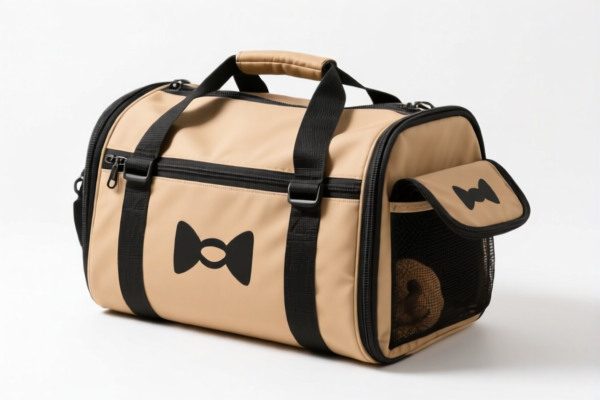
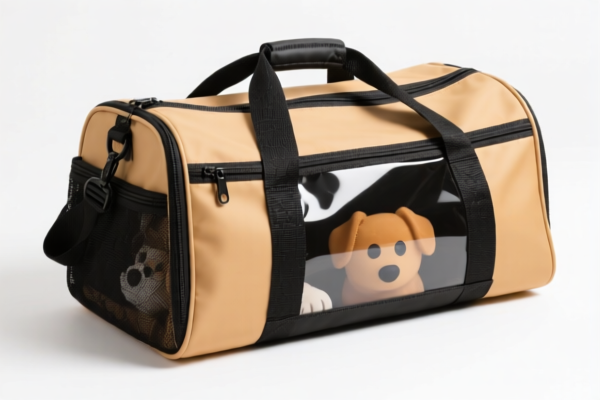
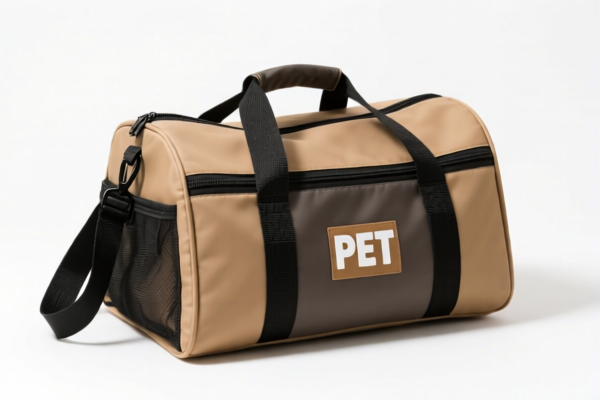
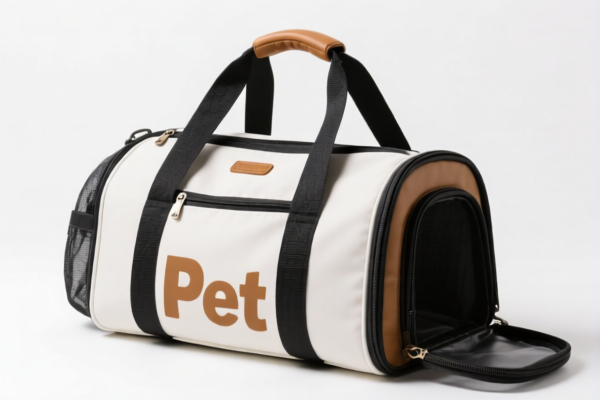
AI Analysis
🐕 PET TRAINING BAG (Dog Training Pouches & Utility Bags)
🌐 HS Code Reference & Customs Clearance Guide | 2026 Latest Tariff Analysis | Professional Clearance Strategy
📌 I. Product Definition & Classification: Do You Really Understand the "Pet Training Bag"?
A Pet Training Bag is a specialized accessory for dog owners, designed to hold training treats, waste bags, toys, and rewards. In international trade, its classification depends heavily on its primary material (often Polyester/PET) and structure (whether it has a rigid shape, zipper, or shoulder strap).
Because these bags are typically made of textile materials (like PET/Polyester), they generally fall under Chapter 42 (Articles of Leather; Saddle Harnesses and the like; Travel Goods, Handbags and Similar Containers) or Chapter 63 (Other Made-Up Textile Articles), depending on specific design features.
⚠️ Critical Distinction Point:
- If the bag is constructed like a handbag/travel bag (with handles, zippers, structured shape) → It falls under Chapter 42 (4202.92).
- If the bag is a simple pouch/sack without the structural features of a travel bag (e.g., a simple drawstring or open top) → It may fall under Chapter 63 (6305.33/6305.39) as "packing bags."
📦 II. HS Code Classification Details (2026 Latest Tariff Authority Comparison)
Based on the provided data, here are the two main classification paths for PET Pet Training Bags:
| HS Code | Product Description | Applicable Scenario | Material Key |
|---|---|---|---|
4202.92.39.00 |
Articles of travel, sports, and similar bags, outer surface of textile materials | Structured Bags: Handbag-style training pouches with zippers, shoulder straps, and rigid/semi-rigid structure | PET (Polyester) |
4202.92.31.31 |
Articles of travel, sports, and similar bags, outer surface of synthetic textile materials | Synthetic Focus: Specifically synthetic (PET) training bags falling under "Other" travel goods | PET (Synthetic) |
6305.33.00.80 |
Sacks and bags, of man-made textile materials, of polyester | Simple Pouches: Sacks/bags for carrying goods, not structured as travel/handbags | PET (Man-made) |
6305.39.00.00 |
Other sacks and bags, of man-made textile materials | Simple/Other Textile Bags: Non-PET-specific or less specific textile sacks | PET (Man-made) |
🔍 Key Reminder:
-4202Codes are preferred if the bag has handles, zippers, or a distinct "bag" shape intended for personal carry (like a fanny pack or cross-body bag).
-6305Codes are used if the item is more of a generic sack or pouch without the specific design features of Chapter 42.
- PET (Polyester) is the dominant material for these bags, making the "Synthetic Textile" distinction crucial for both chapters.
💰 III. 2026 Latest Tariff Rate Breakdown (Including Surcharges & Policy Add-ons)
✅ Applicable Country: United States (US)
✅ Origin: China (CN)
✅ Effective Time: Current regulations including Section 301 and Section 122 tariffs.
🎯 1. Group A: High Tariff Path (Chapter 42 - Travel/Sports Bags)
HS Codes: 4202.92.39.00 / 4202.92.31.31
| Item | Content |
|---|---|
| Base Tariff | 17.6% (General rate for travel goods/textile bags) |
| Section 301 Surcharge | +25.0% (Additional duties on Chinese imports, Category 4) |
| Section 122 Surcharge | +10.0% (Additional duty on certain textile/apparel products) |
| Total Tariff Rate | 52.6% |
| Tax Calculation | CIF Value × 52.6% |
| De Minimis Eligibility | ❌ NO (Denied) |
| Legal Basis Path | Section 122: 19 USC 1304 → Section 301: 19 CFR 1222 → USITC: 4202.92 |
📌 Explanation:
- This is the most common classification for structured pet training bags (e.g., treat pouches with clips/straps).
- The 52.6% rate is extremely high, composed of three layers: Base (17.6%) + 301 (25%) + 122 (10%).
- Cost Impact: For every $1000 of goods, you pay $526 in tariffs.
🎯 2. Group B: Lower Tariff Path (Chapter 63 - Other Textile Sacks/Bags)
HS Codes: 6305.33.00.80 / 6305.39.00.00
| Item | Content |
|---|---|
| Base Tariff | 8.4% (General rate for other textile sacks/bags) |
| Section 301 Surcharge | +7.5% (Lower category for certain textile sacks vs. travel goods) |
| Section 122 Surcharge | +10.0% (Applies to man-made textile materials) |
| Total Tariff Rate | 25.9% |
| Tax Calculation | CIF Value × 25.9% |
| De Minimis Eligibility | ❌ NO (Denied) |
| Legal Basis Path | Section 122: 19 USC 1304 → Section 301: 19 CFR 1222 → USITC: 6305.33 |
📌 Note:
- This classification applies if the bag is deemed a "sack" or "simple pouch" rather than a "travel/sports bag."
- The 25.9% rate is significantly lower than the 52.6% path.
- Risk: If Customs determines the bag has the characteristics of a travel/handbag, they will reclassify it to Chapter 42, leading to back taxes + penalties.
🛠️ IV. Customs Clearance Practical Advice (Battle-Tested Pitfall Avoidance)
✅ 1. Preparation Checklist (Non-Negotiable)
| Document | Required? | Explanation |
|---|---|---|
| ✅ Product Photos (Clear) | ✔️ | Must show zippers, straps, buckles, and overall shape. |
| ✅ Technical Spec Sheet | ✔️ | Detail material (e.g., "100% Polyester Fabric"), lining, closure type. |
| ✅ Commercial Invoice | ✔️ | Clearly describe as "PET Training Pouch" or "Dog Treat Bag." Avoid vague terms like "Bag." |
| ✅ Bill of Lading / Packing List | ✔️ | Consistent description across all docs. |
| ✅ Origin Certificate | ✔️ | If applicable for preferential treatment (though limited for China-US). |
✅ 2. Declaration Strategy (Key Mnemonic)
🔥 "Structure Dictates Category: 42 for Bags, 63 for Sacks!"
| Scenario | Correct HS Code | Wrong Declaration | Consequence |
|---|---|---|---|
| Structured Bag (Zipper, Strap, Handle) | 4202.92.39.00 (52.6%) |
Declare as 6305.33 |
Audit Risk: Customs reclassifies → Back taxes + Penalty. |
| Simple Pouch (No hard structure, just fabric sack) | 6305.33.00.80 (25.9%) |
Declare as 4202.92 |
Overpayment: You pay 52.6% instead of 25.9%. |
| Mixed Shipment | Separate Lines | Mix all under one code | Complexity: Delays in clearance. |
✅ 3. Special Considerations for PET Bags
| Issue | Advice |
|---|---|
| Material Proof | Customs may ask for Fabric Swatches or Supplier Declarations proving it is PET (Polyester), not cotton or leather. |
| "Bag" vs. "Pouch" | If the bag has shoulder straps or waist belts, it is almost certainly 4202. If it is a small clip-on pouch, argue for 6305 but be prepared for rebuttal. |
| Section 122 Application | Remember, Section 122 (10%) applies to many textile goods regardless of the base tariff. Do not assume it doesn't apply. |
| De Minimis (Section 321) | ❌ Do NOT attempt to use $800 De Minimis. Section 301 and Section 122 surcharges are not waived for de minimis shipments from China. |
🌍 V. Global Market Comparison (2026 Latest)
| Country/Region | Recommended HS Code | Estimated Total Duty | Certification | Notes |
|---|---|---|---|---|
| 🇺🇸 USA | 4202.92.39.00 |
52.6% | None required | High tariff due to 301+122. |
🇺🇸 USA (If 6305) |
6305.33.00.80 |
25.9% | None required | Only if simple pouch structure. |
| 🇨🇳 China | 4202.92 |
~10-15% | CCC (if applicable) | Lower duty, no Section 301. |
| 🇪🇺 EU | 4202.92 |
~4.5% | CE (if plastic parts) | No Section 301 equivalent. |
| 🇬🇧 UK | 4202.92 |
~5.0% | UKCA | Post-Brexit independent rates. |
| 🇨🇦 Canada | 4202.92 |
~10-12% | Health Canada | No major surcharges. |
📌 Conclusion:
- The US market is the most challenging due to the cumulative effect of Base + 301 + 122 tariffs.
- For Chapter 42 goods, the 52.6% rate is a major cost driver.
- Consider supply chain adjustments (e.g., transshipment through non-China countries, though risky) or product redesign (if possible) to explore Chapter 63, but ensure it is legally justifiable.
📌 VI. Common Errors & Pitfall Guide (Blood & Tears Lessons)
❌ Mistake 1: Declaring a structured waist bag as a "textile sack" (6305) to save tax.
👉 Consequence: Customs examines the photos, sees the buckle/strap, and reclassifies to 4202. You pay 26.7% more in tariffs + penalties.
❌ Mistake 2: Ignoring Section 122.
👉 Consequence: Assuming only Section 301 applies. In reality, many textile bags face both 301 and 122, leading to unexpected 10% additional cost.
❌ Mistake 3: Using De Minimis for bulk shipments.
👉 Consequence: CBP flags and seizes shipments under $800 if they are identified as textile goods subject to 301/122. Do not try this.
❌ Mistake 4: Vague Description ("Bag").
👉 Consequence: Customs officer uses their best judgment, often defaulting to the highest duty rate or holding the shipment for examination.
✅ Correct Declaration Example:
"PET Polyester Dog Training Treat Pouch, with Adjustable Nylon Strap and Zipper Closure, For Carrying Canine Rewards, Model PTB-2026"
🎯 VII. Conclusion: Professional Declaration Saves Money!
🎯 Remember the Key Takeaway:
🔹 "Structure is King: Straps/Zippers = Chapter 42 (52.6%). Simple Sacks = Chapter 63 (25.9%)."
🔹 "Don't ignore Section 122: It adds 10% on top of 301."
🔹 "De Minimis is off the table for China-origin textiles with these surcharges."
📌 Pro Tip:
If you are importing large volumes, consider Applying for a Binding Tariff Ruling (BTR) from US Customs and Border Protection (CBP). This provides legal certainty on whether your specific design falls under 4202 or 6305, avoiding costly disputes later.
📣 Immediate Action:
📞 Consult a Licensed Customs Broker: Provide photos and material specs.
📦 Document Everything: Keep supplier declarations and photos of the final product.
🚀 Plan for 52.6% or 25.9% Tariffs: Factor this into your pricing strategy immediately.
✨ Professional Clearance Starts with Precise Classification!
💼 Every Percent of Tariff Matters in Your Profit Margin!
Customer Reviews
About HS Code Classification
The Harmonized System (HS) is an internationally standardized nomenclature developed by the World Customs Organization (WCO) to classify traded products. Over 200 countries use the HS system as the basis for customs tariffs, trade statistics, and import/export regulations.
Each HS code follows a hierarchical structure:
- Chapter (2 digits) — Broad category of goods (e.g., Chapter 84: Machinery and Mechanical Appliances)
- Heading (4 digits) — More specific grouping within the chapter
- Subheading (6 digits) — Internationally standardized breakdown, used by all WCO member countries
- National subdivisions (8-10 digits) — Country-specific extensions for further classification, such as US HTSUS 10-digit codes
Correct HS code classification is essential for smooth customs clearance, accurate duty payment, and compliance with trade regulations. Misclassification can lead to customs delays, overpayment of duties, or penalties.
When importing from CN to US, the applicable tariff rates may include:
- Most-Favored-Nation (MFN) rate — The standard duty rate applied to WTO members
- General rate — Applied to countries without trade agreements
- Trade remedy duties — Additional tariffs such as Section 301 (anti-dumping), Section 232 (national security), or countervailing duties
The information provided on this page is for reference purposes only. For official classification, please consult with your local customs authority or a licensed customs broker.