plain cotton fabric
CN → US| HS编码 | 关税税率 | 原产国 | 目的国 | 文档 |
|---|---|---|---|---|
| 5209210050 | 42.7% | CN | US | 官方文档 |
| 5209110050 | 41.5% | CN | US | 官方文档 |
| 5208112020 | 42.0% | CN | US | 官方文档 |
| 5208114020 | 44.0% | CN | US | 官方文档 |
| 6006219080 | 45.0% | CN | US | 官方文档 |
商品图片
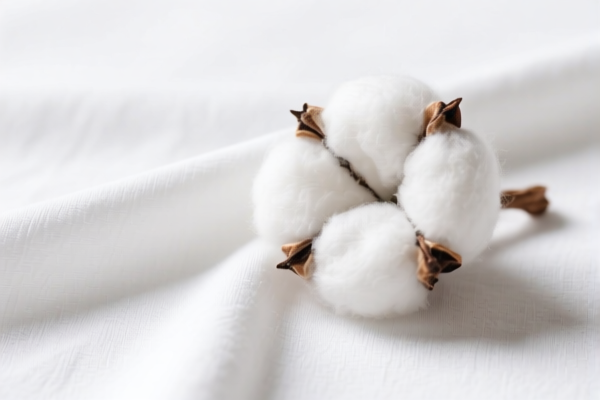
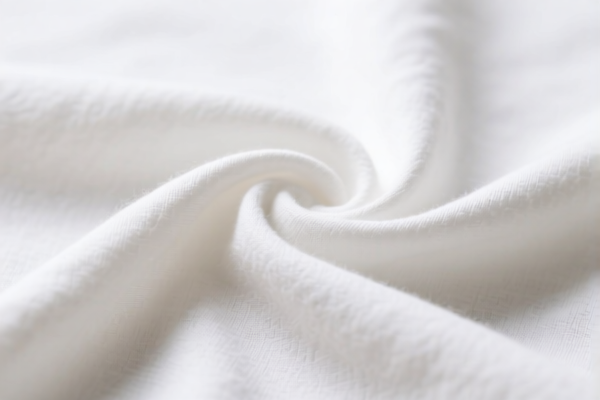
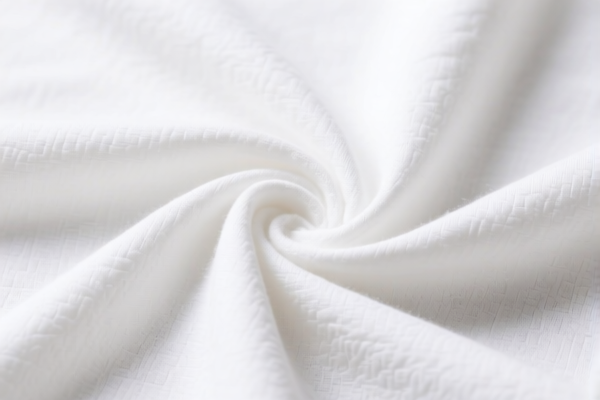
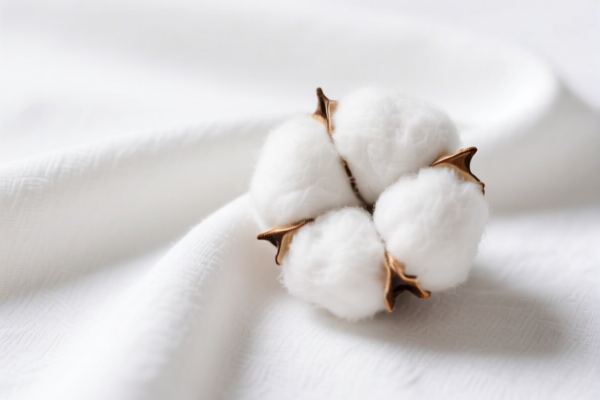
AI分析
🧵 Plain Cotton Fabric (Textiles of Cotton)
🌐 HS Code Reference & Customs Clearance Guide | 2026 Latest Tariff Analysis | Professional Clearance Strategy
📌 Part 1: Product Definition & Classification: Do You Know "Plain Cotton Fabric"?
Cotton fabric is one of the most widely traded textile commodities globally. However, "Plain Cotton Fabric" is a broad term that encompasses several sub-categories based on weaving method (woven vs. knit) and cotton content.
In international trade, the classification strictly depends on: 1. Weaving Type: Woven (machine-made flat fabric) vs. Knitted/Knitted-by-Loop (flexible, stretchy fabric). 2. Cotton Content: Specifically, whether the cotton content is 85% or more.
⚠️ Key Distinction:
- If the fabric is Woven (machine-made) and cotton content ≥ 85% → It falls under Chapter 52 (Cotton).
- If the fabric is Knitted and cotton content ≥ 85% → It also falls under Chapter 52, but a different section.
- If the cotton content is < 85% → It may fall under different sub-headings, but the examples provided here assume high-cotton content (>85%) as per the provided data.
📦 Part 2: HS Code Classification Details (2026 Latest Tariff Authority Comparison)
The following table details the specific HS Codes from the provided dataset, their matching criteria, and total tax rates.
| HS Code | Product Description & Matching Criteria | Total Tax Rate | Tax Breakdown |
|---|---|---|---|
| 5209.21.00.50 | Woven Cotton Fabric Matches pure cotton material and woven structure. |
42.7% | Base: 7.7% Section 301: 25.0% 122 Clause: 10% |
| 5209.11.00.50 | Woven Cotton Fabric Matches pure cotton material and woven structure. |
41.5% | Base: 6.5% Section 301: 25.0% 122 Clause: 10% |
| 5208.11.20.20 | Woven Cotton Fabric Cotton content ≥ 85% and woven. |
42.0% | Base: 7.0% Section 301: 25.0% 122 Clause: 10% |
| 5208.11.40.20 | Woven Cotton Fabric Cotton content ≥ 85% and woven. |
44.0% | Base: 9.0% Section 301: 25.0% 122 Clause: 10% |
| 6006.21.90.80 | Knitted Cotton Fabric Cotton knitted fabric, classified under "Other". |
45.0% | Base: 10.0% Section 301: 25.0% 122 Clause: 10% |
🔍 Key Reminder:
- All listed HS Codes involve Section 301 Tariffs (25%) and Section 122 Tariffs (10%), indicating these are likely imports from China to the US (or similar jurisdiction with these specific trade clauses).
- Woven fabrics (5209/5208) generally have slightly lower base rates (6.5%-9.0%) compared to Knitted fabrics (6006) which have a higher base rate (10.0%).
💰 Part 3: 2026 Latest Tariff Rate Detailed Explanation (Including Additional Taxes)
✅ Applicable Countries: Likely US (based on "Section 301" and "122 Clause" terminology)
✅ Origin: China (CN) – Implied by the high additional tariffs
✅ Effective Time: Current trade policy (Post-2024 trade war measures)
🎯 1. Woven Cotton Fabrics (HS Codes: 5209.21, 5209.11, 5208.11)
These codes apply to woven cotton fabrics. The difference lies in the specific thread count, weight, or finishing, which dictates the base tariff.
| Item | Content |
|---|---|
| Base Tariff | 6.5% – 9.0% (ad valorem) (Varies by specific weave type: 5209.11 vs 5208.11) |
| Section 301 Tariff | +25.0% (Retaliatory tariff on Chinese goods) |
| Section 122 Tariff | +10.0% (Specific clause tariff, often related to specific textile protections or trade remedies) |
| Total Tax Rate | 41.5% – 44.0% |
| Tax Calculation | CIF Value × Total Rate |
| De Minimis Exemption | ❌ Not Applicable (Textiles are generally excluded from de minimis relief due to high volumes and labor sensitivity) |
📌 Explanation:
- The Base Tariff varies:
-5209.11.00.50has the lowest base (6.5%) → Total 41.5%.
-5208.11.40.20has the highest base (9.0%) → Total 44.0%.
- The Section 301 (25%) and Section 122 (10%) are fixed for all these items, meaning the total burden is extremely high.
🎯 2. Knitted Cotton Fabric (HS Code: 6006.21.90.80)
This code applies to knitted cotton fabrics that do not fall into other specific knitted categories.
| Item | Content |
|---|---|
| Base Tariff | 10.0% (ad valorem) |
| Section 301 Tariff | +25.0% |
| Section 122 Tariff | +10.0% |
| Total Tax Rate | 45.0% |
| Tax Calculation | CIF Value × 45.0% |
| De Minimis Exemption | ❌ Not Applicable |
📌 Note:
- Knitted fabrics have a higher base tariff (10.0%) compared to woven fabrics (6.5%-9.0%), resulting in the highest total rate of 45.0% in this dataset.
- This reflects the protectionist nature of the textile industry in many markets.
🛠️ Part 4: Customs Clearance Practical Suggestions (Battle-Proven Pitfall Avoidance Guide)
✅ 1. Preparation Checklist (Mandatory)
| Document | Must Provide | Explanation |
|---|---|---|
| ✅ Product Specification Sheet | ✔️ | Must clearly state: Fabric Composition (e.g., 100% Cotton), Weave Type (Woven/Knitted), Weight (GSM), and Width. |
| ✅ Fabric Swatch/Photo | ✔️ | Visual proof of weave structure is critical for customs to distinguish between Woven (5209/5208) and Knitted (6006). |
| ✅ Commercial Invoice | ✔️ | Must match the HS Code description exactly. Use terms like "Plain Cotton Woven Fabric" or "Cotton Knitted Fabric". |
| ✅ Bill of Lading | ✔️ | Ensure cargo description matches invoice. |
| ✅ Certificate of Origin (CO) | ✔️ | Critical for determining origin. If not China, Section 301/122 may not apply (but check other FTAs). |
✅ 2. Declaration Tips (Critical Mnemonics)
🔥 "Weave Determines Code, Knitting is More Expensive!"
| Scenario | Correct Declaration | Consequence of Error |
|---|---|---|
| Woven Cotton, ≥85% Content | Use 5209 or 5208 series | Misdeclaring as knit (6006) → Higher tax (45% vs ~42%) + Audit risk |
| Knitted Cotton | Use 6006.21.90.80 | Misdeclaring as woven (5209) → Lower tax risk, but customs may seize for misclassification |
| Cotton Content < 85% | Do NOT use these codes | These codes specify high cotton content. Using them for low-cotton fabric is fraud → Severe penalties |
| Mixed Fibers (e.g., Cotton/Poly) | Verify exact % | If cotton < 85%, it may fall under different HS codes not listed here. Using these codes will lead to rejection. |
✅ 3. Special Handling
| Situation | Handling Advice |
|---|---|
| Sample Kits | Include a physical swatch with the declaration if requested. |
| Rolls vs. Cut Pieces | Declare as "Fabric Rolls" unless specifically sold as cut-to-length garments. |
| Printed Fabric | Ensure "Plain" in the name doesn't mislead if it's printed. "Plain" usually refers to weave structure (not printed/dyed), but confirm with customs if the fabric has prints. |
| High-Value Rolls | Consider Advance Ruling to lock in the HS Code and tariff rate before shipment. |
🌍 Part 5: Global Market Comparison (2026 Latest)
| Country/Region | Recommended HS Code | Base Tariff | Additional Tariffs (China Origin) | Total Effective Rate | Notes |
|---|---|---|---|---|---|
| 🇺🇸 USA | 5209.21.00.50 / 6006.21.90.80 |
6.5%-10% | +25% (301) +10% (122) | 41.5% - 45.0% | Highest burden. Strict enforcement on textile origin. |
| 🇨🇳 China | 5209.21.00.50 |
7.7% | 0% | 7.7% | Domestic production cost base. |
| 🇪🇺 EU | 5209.21.00 (Approx) |
7.8% | 0% (No Section 301) | ~7.8% | No major retaliatory tariffs on cotton fabric from China. |
| 🇬🇧 UK | 5209.21.00 |
7.8% | 0% | ~7.8% | Post-Brexit, aligns with old EU rates. |
| 🇦🇺 Australia | 5209.21.00 |
5.0% | 0% | ~5.0% | Low base rate, no major additional tariffs. |
📌 Conclusion:
- The US is the most challenging market for cotton fabric due to the 35-45% total tariff rate.
- EU, UK, and Australia offer significantly lower tariff burdens (~5-8%).
- Strategy: If targeting the US, consider supplier diversification (e.g., Vietnam, Bangladesh, India) or product reclassification (e.g., finished garments may have different rules) to mitigate costs.
📌 Part 6: Common Mistakes & Pitfall Avoidance (Blood Lessons)
❌ Mistake 1: Confusing Woven with Knitted
👉 Consequence:
- Woven (5209) base: 7.7% → Total: 42.7%
- Knitted (6006) base: 10.0% → Total: 45.0%
- Error: Declaring woven as knitted → Overpaying by 2.3%. Declaring knitted as woven → Underpaying → Customs Penalty + Back Taxes + Interest.
❌ Mistake 2: Ignoring Cotton Content
👉 Consequence:
- The provided codes assume ≥85% cotton.
- If your fabric is 50% Cotton / 50% Polyester, these HS Codes are WRONG.
- Error: Using high-cotton codes for blended fabric → Major Misclassification → Seizure and fines.
❌ Mistake 3: Missing Section 122 Clause
👉 Consequence:
- Many importers forget the 10% Section 122 tariff.
- Error: Only paying 7.7% + 25% = 32.7% → Owe 10% more + penalties.
- Always calculate Total Rate: Base + 25% + 10%.
✅ Correct Approach:
"100% Cotton, Plain Weave, 150 GSM, White, in Rolls, for Garment Manufacturing. HS Code: 5209.21.00.50. Origin: China."
🎯 Part 7: Conclusion: Professional Classification Saves Money!
🎯 Remember the Mnemonics:
🔹 "Woven vs. Knitted: Check the Weave!"
🔹 "Cotton >85%: Use 5209/5208/6006!"
🔹 "US Import: Add 35% (25%+10%) to Base Rate!"
🔹 "Blended Fabric: Look Elsewhere! Don't use these codes!"
📌 Pro Tip:
If your cotton fabric is not 100% pure but contains small percentages of synthetic fibers, or if it is treated (e.g., waterproof, flame-retardant), the HS Code may change entirely.
Recommendation: Always apply for a Customs Ruling or consult a licensed customs broker before shipping high-volume cotton fabric to the US.
📣 Immediate Action:
📞 Contact a Customs Broker + Provide Fabric Swatch + Verify Cotton % + Calculate Total Tax (Base + 35%)
🚀 Ensure your cotton fabric clears customs smoothly, avoids penalties, and protects your profit margins!
✨ Professional Clearance Starts with Accurate Classification!
💼 Your every cent of cost deserves precise calculation!
用户评价
关于 HS 编码归类
协调制度(HS)是由世界海关组织(WCO)制定的国际贸易商品分类标准。全球 200 多个国家采用 HS 系统作为海关关税、贸易统计和进出口监管的基础。
每个 HS 编码遵循以下层级结构:
- 章(2 位)——商品大类(例如:第 84 章:机器和机械设备)
- 品目(4 位)——章内的更具体分类
- 子目(6 位)——国际通用细分,所有 WCO 成员国统一使用
- 本国细分(8-10 位)——各国自行扩展的细分编码,如美国 HTSUS 10 位编码
正确的 HS 编码归类对于顺利通关、准确缴纳关税和遵守贸易法规至关重要。错误归类可能导致海关延误、多缴关税或罚款。
从CN进口到US时,适用的关税税率可能包括:
- 最惠国(MFN)税率——适用于 WTO 成员国的标准关税税率
- 普通税率——适用于无贸易协定国家
- 贸易救济关税——附加关税,如 301 条款(反倾销)、232 条款(国家安全)或反补贴税
本页内容仅供参考。如需正式归类,请咨询当地海关或持牌报关代理。