plain cotton fabric
CN → US| HS Code | Tariff Rate | Origin | Destination | Doc |
|---|---|---|---|---|
| 5209210050 | 42.7% | CN | US | Official Doc |
| 5209110050 | 41.5% | CN | US | Official Doc |
| 5208112020 | 42.0% | CN | US | Official Doc |
| 5208114020 | 44.0% | CN | US | Official Doc |
| 6006219080 | 45.0% | CN | US | Official Doc |
Product Images
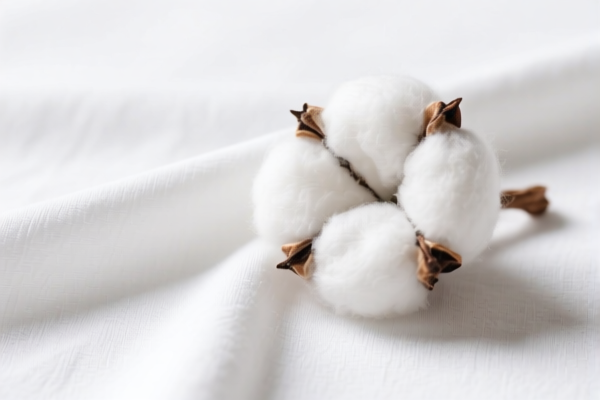
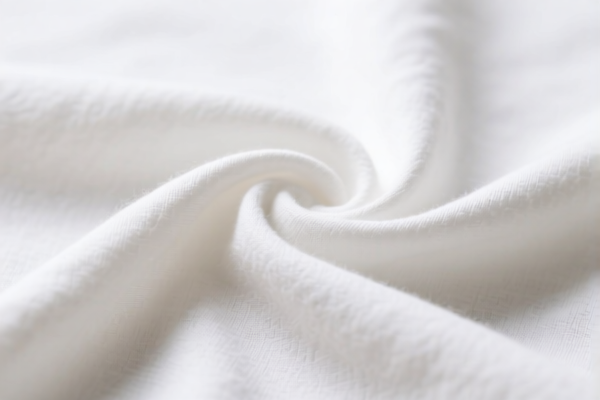
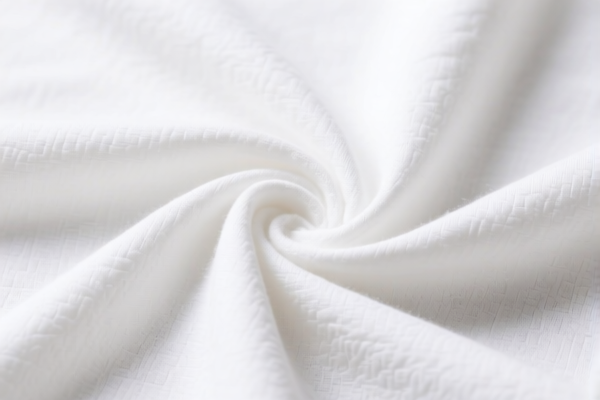
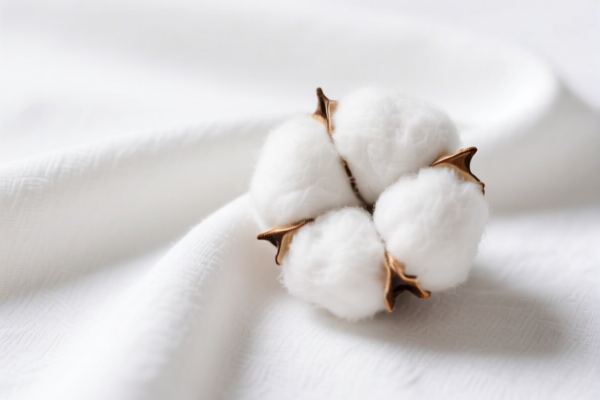
AI Analysis
🧵 Plain Cotton Fabric (Textiles of Cotton)
🌐 HS Code Reference & Customs Clearance Guide | 2026 Latest Tariff Analysis | Professional Clearance Strategy
📌 Part 1: Product Definition & Classification: Do You Know "Plain Cotton Fabric"?
Cotton fabric is one of the most widely traded textile commodities globally. However, "Plain Cotton Fabric" is a broad term that encompasses several sub-categories based on weaving method (woven vs. knit) and cotton content.
In international trade, the classification strictly depends on: 1. Weaving Type: Woven (machine-made flat fabric) vs. Knitted/Knitted-by-Loop (flexible, stretchy fabric). 2. Cotton Content: Specifically, whether the cotton content is 85% or more.
⚠️ Key Distinction:
- If the fabric is Woven (machine-made) and cotton content ≥ 85% → It falls under Chapter 52 (Cotton).
- If the fabric is Knitted and cotton content ≥ 85% → It also falls under Chapter 52, but a different section.
- If the cotton content is < 85% → It may fall under different sub-headings, but the examples provided here assume high-cotton content (>85%) as per the provided data.
📦 Part 2: HS Code Classification Details (2026 Latest Tariff Authority Comparison)
The following table details the specific HS Codes from the provided dataset, their matching criteria, and total tax rates.
| HS Code | Product Description & Matching Criteria | Total Tax Rate | Tax Breakdown |
|---|---|---|---|
| 5209.21.00.50 | Woven Cotton Fabric Matches pure cotton material and woven structure. |
42.7% | Base: 7.7% Section 301: 25.0% 122 Clause: 10% |
| 5209.11.00.50 | Woven Cotton Fabric Matches pure cotton material and woven structure. |
41.5% | Base: 6.5% Section 301: 25.0% 122 Clause: 10% |
| 5208.11.20.20 | Woven Cotton Fabric Cotton content ≥ 85% and woven. |
42.0% | Base: 7.0% Section 301: 25.0% 122 Clause: 10% |
| 5208.11.40.20 | Woven Cotton Fabric Cotton content ≥ 85% and woven. |
44.0% | Base: 9.0% Section 301: 25.0% 122 Clause: 10% |
| 6006.21.90.80 | Knitted Cotton Fabric Cotton knitted fabric, classified under "Other". |
45.0% | Base: 10.0% Section 301: 25.0% 122 Clause: 10% |
🔍 Key Reminder:
- All listed HS Codes involve Section 301 Tariffs (25%) and Section 122 Tariffs (10%), indicating these are likely imports from China to the US (or similar jurisdiction with these specific trade clauses).
- Woven fabrics (5209/5208) generally have slightly lower base rates (6.5%-9.0%) compared to Knitted fabrics (6006) which have a higher base rate (10.0%).
💰 Part 3: 2026 Latest Tariff Rate Detailed Explanation (Including Additional Taxes)
✅ Applicable Countries: Likely US (based on "Section 301" and "122 Clause" terminology)
✅ Origin: China (CN) – Implied by the high additional tariffs
✅ Effective Time: Current trade policy (Post-2024 trade war measures)
🎯 1. Woven Cotton Fabrics (HS Codes: 5209.21, 5209.11, 5208.11)
These codes apply to woven cotton fabrics. The difference lies in the specific thread count, weight, or finishing, which dictates the base tariff.
| Item | Content |
|---|---|
| Base Tariff | 6.5% – 9.0% (ad valorem) (Varies by specific weave type: 5209.11 vs 5208.11) |
| Section 301 Tariff | +25.0% (Retaliatory tariff on Chinese goods) |
| Section 122 Tariff | +10.0% (Specific clause tariff, often related to specific textile protections or trade remedies) |
| Total Tax Rate | 41.5% – 44.0% |
| Tax Calculation | CIF Value × Total Rate |
| De Minimis Exemption | ❌ Not Applicable (Textiles are generally excluded from de minimis relief due to high volumes and labor sensitivity) |
📌 Explanation:
- The Base Tariff varies:
-5209.11.00.50has the lowest base (6.5%) → Total 41.5%.
-5208.11.40.20has the highest base (9.0%) → Total 44.0%.
- The Section 301 (25%) and Section 122 (10%) are fixed for all these items, meaning the total burden is extremely high.
🎯 2. Knitted Cotton Fabric (HS Code: 6006.21.90.80)
This code applies to knitted cotton fabrics that do not fall into other specific knitted categories.
| Item | Content |
|---|---|
| Base Tariff | 10.0% (ad valorem) |
| Section 301 Tariff | +25.0% |
| Section 122 Tariff | +10.0% |
| Total Tax Rate | 45.0% |
| Tax Calculation | CIF Value × 45.0% |
| De Minimis Exemption | ❌ Not Applicable |
📌 Note:
- Knitted fabrics have a higher base tariff (10.0%) compared to woven fabrics (6.5%-9.0%), resulting in the highest total rate of 45.0% in this dataset.
- This reflects the protectionist nature of the textile industry in many markets.
🛠️ Part 4: Customs Clearance Practical Suggestions (Battle-Proven Pitfall Avoidance Guide)
✅ 1. Preparation Checklist (Mandatory)
| Document | Must Provide | Explanation |
|---|---|---|
| ✅ Product Specification Sheet | ✔️ | Must clearly state: Fabric Composition (e.g., 100% Cotton), Weave Type (Woven/Knitted), Weight (GSM), and Width. |
| ✅ Fabric Swatch/Photo | ✔️ | Visual proof of weave structure is critical for customs to distinguish between Woven (5209/5208) and Knitted (6006). |
| ✅ Commercial Invoice | ✔️ | Must match the HS Code description exactly. Use terms like "Plain Cotton Woven Fabric" or "Cotton Knitted Fabric". |
| ✅ Bill of Lading | ✔️ | Ensure cargo description matches invoice. |
| ✅ Certificate of Origin (CO) | ✔️ | Critical for determining origin. If not China, Section 301/122 may not apply (but check other FTAs). |
✅ 2. Declaration Tips (Critical Mnemonics)
🔥 "Weave Determines Code, Knitting is More Expensive!"
| Scenario | Correct Declaration | Consequence of Error |
|---|---|---|
| Woven Cotton, ≥85% Content | Use 5209 or 5208 series | Misdeclaring as knit (6006) → Higher tax (45% vs ~42%) + Audit risk |
| Knitted Cotton | Use 6006.21.90.80 | Misdeclaring as woven (5209) → Lower tax risk, but customs may seize for misclassification |
| Cotton Content < 85% | Do NOT use these codes | These codes specify high cotton content. Using them for low-cotton fabric is fraud → Severe penalties |
| Mixed Fibers (e.g., Cotton/Poly) | Verify exact % | If cotton < 85%, it may fall under different HS codes not listed here. Using these codes will lead to rejection. |
✅ 3. Special Handling
| Situation | Handling Advice |
|---|---|
| Sample Kits | Include a physical swatch with the declaration if requested. |
| Rolls vs. Cut Pieces | Declare as "Fabric Rolls" unless specifically sold as cut-to-length garments. |
| Printed Fabric | Ensure "Plain" in the name doesn't mislead if it's printed. "Plain" usually refers to weave structure (not printed/dyed), but confirm with customs if the fabric has prints. |
| High-Value Rolls | Consider Advance Ruling to lock in the HS Code and tariff rate before shipment. |
🌍 Part 5: Global Market Comparison (2026 Latest)
| Country/Region | Recommended HS Code | Base Tariff | Additional Tariffs (China Origin) | Total Effective Rate | Notes |
|---|---|---|---|---|---|
| 🇺🇸 USA | 5209.21.00.50 / 6006.21.90.80 |
6.5%-10% | +25% (301) +10% (122) | 41.5% - 45.0% | Highest burden. Strict enforcement on textile origin. |
| 🇨🇳 China | 5209.21.00.50 |
7.7% | 0% | 7.7% | Domestic production cost base. |
| 🇪🇺 EU | 5209.21.00 (Approx) |
7.8% | 0% (No Section 301) | ~7.8% | No major retaliatory tariffs on cotton fabric from China. |
| 🇬🇧 UK | 5209.21.00 |
7.8% | 0% | ~7.8% | Post-Brexit, aligns with old EU rates. |
| 🇦🇺 Australia | 5209.21.00 |
5.0% | 0% | ~5.0% | Low base rate, no major additional tariffs. |
📌 Conclusion:
- The US is the most challenging market for cotton fabric due to the 35-45% total tariff rate.
- EU, UK, and Australia offer significantly lower tariff burdens (~5-8%).
- Strategy: If targeting the US, consider supplier diversification (e.g., Vietnam, Bangladesh, India) or product reclassification (e.g., finished garments may have different rules) to mitigate costs.
📌 Part 6: Common Mistakes & Pitfall Avoidance (Blood Lessons)
❌ Mistake 1: Confusing Woven with Knitted
👉 Consequence:
- Woven (5209) base: 7.7% → Total: 42.7%
- Knitted (6006) base: 10.0% → Total: 45.0%
- Error: Declaring woven as knitted → Overpaying by 2.3%. Declaring knitted as woven → Underpaying → Customs Penalty + Back Taxes + Interest.
❌ Mistake 2: Ignoring Cotton Content
👉 Consequence:
- The provided codes assume ≥85% cotton.
- If your fabric is 50% Cotton / 50% Polyester, these HS Codes are WRONG.
- Error: Using high-cotton codes for blended fabric → Major Misclassification → Seizure and fines.
❌ Mistake 3: Missing Section 122 Clause
👉 Consequence:
- Many importers forget the 10% Section 122 tariff.
- Error: Only paying 7.7% + 25% = 32.7% → Owe 10% more + penalties.
- Always calculate Total Rate: Base + 25% + 10%.
✅ Correct Approach:
"100% Cotton, Plain Weave, 150 GSM, White, in Rolls, for Garment Manufacturing. HS Code: 5209.21.00.50. Origin: China."
🎯 Part 7: Conclusion: Professional Classification Saves Money!
🎯 Remember the Mnemonics:
🔹 "Woven vs. Knitted: Check the Weave!"
🔹 "Cotton >85%: Use 5209/5208/6006!"
🔹 "US Import: Add 35% (25%+10%) to Base Rate!"
🔹 "Blended Fabric: Look Elsewhere! Don't use these codes!"
📌 Pro Tip:
If your cotton fabric is not 100% pure but contains small percentages of synthetic fibers, or if it is treated (e.g., waterproof, flame-retardant), the HS Code may change entirely.
Recommendation: Always apply for a Customs Ruling or consult a licensed customs broker before shipping high-volume cotton fabric to the US.
📣 Immediate Action:
📞 Contact a Customs Broker + Provide Fabric Swatch + Verify Cotton % + Calculate Total Tax (Base + 35%)
🚀 Ensure your cotton fabric clears customs smoothly, avoids penalties, and protects your profit margins!
✨ Professional Clearance Starts with Accurate Classification!
💼 Your every cent of cost deserves precise calculation!
Customer Reviews
About HS Code Classification
The Harmonized System (HS) is an internationally standardized nomenclature developed by the World Customs Organization (WCO) to classify traded products. Over 200 countries use the HS system as the basis for customs tariffs, trade statistics, and import/export regulations.
Each HS code follows a hierarchical structure:
- Chapter (2 digits) — Broad category of goods (e.g., Chapter 84: Machinery and Mechanical Appliances)
- Heading (4 digits) — More specific grouping within the chapter
- Subheading (6 digits) — Internationally standardized breakdown, used by all WCO member countries
- National subdivisions (8-10 digits) — Country-specific extensions for further classification, such as US HTSUS 10-digit codes
Correct HS code classification is essential for smooth customs clearance, accurate duty payment, and compliance with trade regulations. Misclassification can lead to customs delays, overpayment of duties, or penalties.
When importing from CN to US, the applicable tariff rates may include:
- Most-Favored-Nation (MFN) rate — The standard duty rate applied to WTO members
- General rate — Applied to countries without trade agreements
- Trade remedy duties — Additional tariffs such as Section 301 (anti-dumping), Section 232 (national security), or countervailing duties
The information provided on this page is for reference purposes only. For official classification, please consult with your local customs authority or a licensed customs broker.