plastic conveying pipe
CN → US| HS编码 | 关税税率 | 原产国 | 目的国 | 文档 |
|---|---|---|---|---|
| 3917290090 | 38.1% | CN | US | 官方文档 |
| 3926909987 | 22.8% | CN | US | 官方文档 |
| 3917210000 | 38.1% | CN | US | 官方文档 |
| 3926909989 | 22.8% | CN | US | 官方文档 |
| 3917320020 | 38.1% | CN | US | 官方文档 |
商品图片
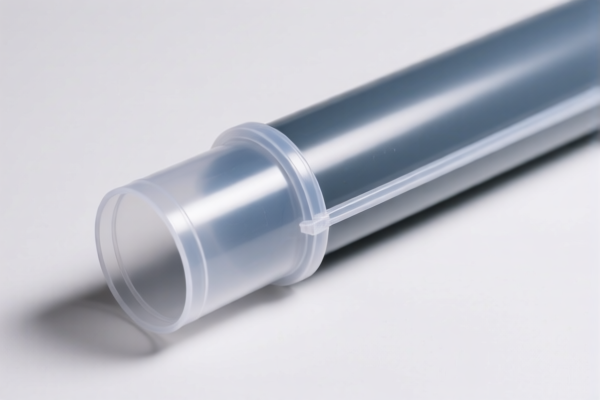
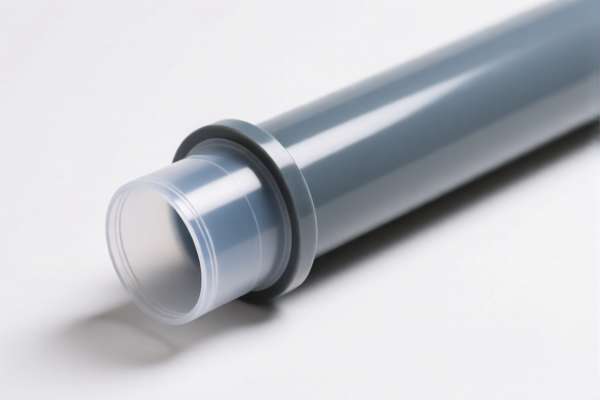
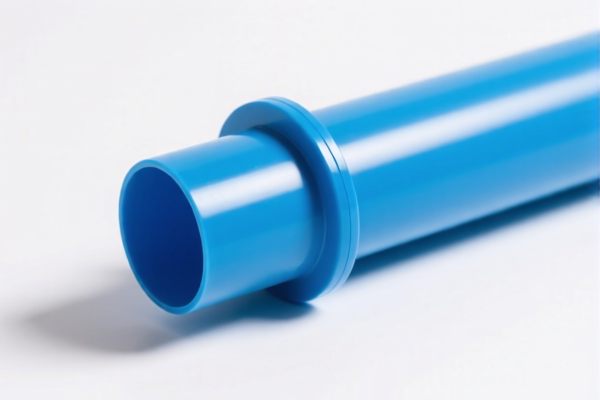
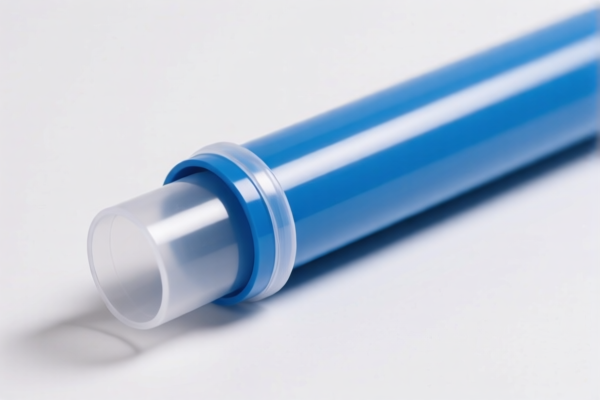
AI分析
🏗️ Plastic Conveying Pipe (Industrial/Utility Tubing)
🌐 HS Code Reference & Customs Clearance Guide | 2026 Latest Tariff Analysis | Professional Clearance Strategy
📌 I. Product Definition & Classification: What Exactly is a "Plastic Conveying Pipe"?
In international trade, "Plastic Conveying Pipe" generally refers to rigid or semi-rigid tubes used for transporting liquids, gases, or granular solids. The critical factor for classification is the material composition (e.g., Polyethylene, PVC, etc.) and the specific shape/form.
Based on the provided data, the products fall under two main chapters: 1. Chapter 3917: Pipes, tubes, and hoses, rigid or flexible, of plastics (with or without fittings). 2. Chapter 3926: Other articles of plastics (fallback/general category if specific pipe definitions aren't met).
⚠️ Key Distinction Point:
- If the product is specifically defined as a pipe/tube/hose (especially rigid) and matches specific plastic materials like Polyethylene (PE), it likely falls under 3917.
- If the "pipe" is irregular, non-standard, or does not fit the strict definition of Chapter 3917, it may fall under 3926 (Other plastic articles).
- Crucial Note: All listed HS Codes attract significant additional tariffs due to US-China trade policies.
📦 II. HS Code Classification Details (2026 Latest Tariff Authority Comparison)
| HS Code | Summary Description | Reason for Classification | Tax Rate (Total) |
|---|---|---|---|
3917.29.00.90 |
Plastic pipes, not elsewhere specified (NES), of plastics (unspecified length). | Matches Material (Plastic) & Form (Pipe). Used when length is not specified. | 38.1% |
3926.90.99.87 |
Other plastic articles (Fallback/Catch-all category). | Matches Material (Plastic) & Form (Pipe), classified based on "Other" principles. | 22.8% |
3917.21.00.00 |
Plastic pipes, rigid, of polyethylene. | Matches Material (Plastic) & Form (Pipe). Specific classification for PE pipes. | 38.1% |
3926.90.99.89 |
Other plastic articles (Generic fallback). | Matches Material (Plastic). Inferred as plastic product based on name, no conflict. | 22.8% |
3917.32.00.20 |
Plastic pipes, flexible, of polyethylene. | Matches Material (Polyethylene) & Form (Pipe). Fits definition of PE tubing. | 38.1% |
🔍 Critical Observation:
- Products classified under 3917 (Pipes) carry a higher total tax rate (38.1%) compared to those under 3926 (Other articles, 22.8%).
- However, 3926 is often a "fallback" category. Misclassification from 3917 to 3926 to save tax can lead to audits if the product clearly fits the definition of a pipe under 3917.
💰 III. 2026 Latest Tariff Rate Breakdown (Including Additional Taxes)
✅ Applicable Country: United States (US)
✅ Origin: China (CN)
✅ Effective Time: 2025/2026 Current Trade Policies
🎯 1. High-Tariff Category: 3917 Series (Pipes/Hoses/Tubing)
Applicable HS Codes:
- 3917.29.00.90
- 3917.21.00.00
- 3917.32.00.20
| Component | Rate | Legal Basis / Description |
|---|---|---|
| Base Tariff | 3.1% | Standard Most Favored Nation (MFN) duty for plastic pipes. |
| Section 301 (Additional) | 25.0% | Additional duty under US Trade Act Section 301 against China. |
| Section 122 (Additional) | 10.0% | Additional duty under Section 122 (often applied to specific strategic goods or reciprocal measures). |
| TOTAL TAX RATE | 38.1% | 3.1% + 25.0% + 10.0% |
📌 Explanation:
- The 25% is the core penalty tariff for most Chinese goods under Section 301.
- The 10% is an additional levy (Section 122).
- Total Burden: 38.1% on the CIF value. This is a very high cost for low-margin plastic components.
🎯 2. Lower-Tariff Category: 3926 Series (Other Plastic Articles)
Applicable HS Codes:
- 3926.90.99.87
- 3926.90.99.89
| Component | Rate | Legal Basis / Description |
|---|---|---|
| Base Tariff | 5.3% | Standard MFN duty for other plastic articles. |
| Section 301 (Additional) | 7.5% | Reduced additional duty for certain categories under Section 301. |
| Section 122 (Additional) | 10.0% | Additional duty under Section 122. |
| TOTAL TAX RATE | 22.8% | 5.3% + 7.5% + 10.0% |
📌 Explanation:
- While the rate is lower (22.8%), this classification relies on the product being deemed "Other plastic articles" rather than a strict "pipe."
- Risk: If Customs determines the item is a functional pipe, they may reclassify it to 3917, triggering the 38.1% rate + back taxes + penalties.
🛠️ IV. Customs Clearance Practical Advice (Battle-Tested Pitfall Guide)
✅ 1. Documentation Checklist (Non-Negotiable)
| Document | Required | Purpose |
|---|---|---|
| Product Specification Sheet | ✔️ | Must specify material (e.g., PE, PVC), diameter, wall thickness, and length (if applicable). |
| Technical Drawing | ✔️ | To prove the product fits the definition of "Pipe/Tube/Hose" (Chapter 3917) vs. "Other Article" (Chapter 3926). |
| Material Test Report | ✔️ | Confirms plastic composition (critical for distinguishing between 3917 subheadings). |
| Commercial Invoice | ✔️ | Clearly state "Plastic Conveying Pipe" and HS Code. Avoid vague terms like "Plastic Part." |
| Packing List | ✔️ | Detail net/gross weight. Note: Pipes are often bundled; ensure weight matches. |
✅ 2. Declaration Strategy (Key Mnemonic)
🔥 “Define the Form, Prove the Material, Choose the Code Wisely!”
| Scenario | Recommended HS Code | Risk Level |
|---|---|---|
| Standard Rigid Pipe (PE/PVC) | 3917.21.00.00 or 3917.29.00.90 |
Medium (High Tax) |
| Flexible Tubing (PE) | 3917.32.00.20 |
Medium (High Tax) |
| Non-Standard/Complex Plastic Shape | 3926.90.99.87 / .89 |
High (Audit Risk) |
⚠️ Warning:
- Do NOT arbitrarily choose 3926 to save tax if the product is clearly a pipe. Customs has advanced imaging and classification algorithms.
- If you use 3926, ensure the product is not a simple cylindrical tube for fluid transport, but rather a complex molded plastic part.
✅ 3. Special Circumstances
| Situation | Handling Advice |
|---|---|
| With Fittings | If pipes are sold with connectors, they may still be classified as pipes (3917) if the fittings are minor. If significant, consult a specialist. |
| Coils vs. Straight Pipes | Flexible pipes in coils (3917.32) have a specific code. Rigid pipes are 3917.2x. Correct distinction is vital. |
| Food Grade Pipes | Still classified under 3917. Add "Food Grade" to description for compliance, but tax remains 38.1%. |
🌍 V. Global Market Clearance Comparison (2026)
| Country/Region | Recommended HS Code | Total Tariff (Approx.) | Notes |
|---|---|---|---|
| 🇺🇸 USA | 3917.21.00.00 |
38.1% | Highest burden due to Section 301 + 122. |
| 🇺🇸 USA | 3926.90.99.87 |
22.8% | Lower, but high misclassification risk. |
| 🇨🇳 China | 3917.29.00.00 |
~5-7% | No Section 301. Lower entry cost for imports. |
| 🇪🇺 EU | 3917.29.90 |
~3-5% | No major additional duties unless specific sanctions apply. |
| 🇲🇽 Mexico | 3917.29.00 |
~5% | Potential USMCA benefits if originating in NA. |
📌 Conclusion:
- The US market is the most challenging for plastic pipes due to the 38.1% combined tax rate.
- Strategic Tip: If possible, structure the product (e.g., as a complex plastic assembly) to fit under 3926 (22.8%), but only if technically accurate.
- Alternative: Source from non-China countries (Vietnam, Mexico) to avoid Section 301/122 tariffs entirely.
📌 VI. Common Errors & Pitfalls (Lessons Learned)
❌ Error 1: Using vague name "Plastic Tube" without material specification.
👉 Consequence: Customs may assign the highest default duty or request a re-classification, causing delays.
❌ Error 2: Misclassifying Rigid Pipes as Flexible Tubing (or vice versa).
👉 Consequence: Wrong HS code → Audit + Back Taxes. 3917.21 (Rigid) and 3917.32 (Flexible) have different base duties.
❌ Error 3: Ignoring Section 122 Tariff.
👉 Consequence: Underpaying by 10%. Customs will assess the difference + interest + penalties.
❌ Error 4: Assuming "Plastic Parts" = 3926.
👉 Consequence: If the item is a pipe, it must go to 3917. Misclassification is considered negligence.
✅ Correct Practice:
“Rigid Plastic Pipe, Polyethylene (PE), 2-inch Diameter, 10ft Length, for Water Conveyance. Model: XYZ, Meets ASTM D3035.”
🎯 VII. Conclusion: Professional Classification for Cost Efficiency
🎯 Remember the Mantra:
🔹 “Pipes go to 3917 (38.1%), Parts go to 3926 (22.8%). Don’t cheat, or you’ll pay more!”
🔹 “Material Matters: PE Pipes are specific. Don’t generalize!”
📌 Pro Tip:
If your plastic pipes are intended for the US market, conduct an HS Code Pre-Ruling (APA) with US Customs and Border Protection (CBP) before shipping. This provides legal certainty on whether your product qualifies for 3917 (38.1%) or 3926 (22.8%).
📣 Immediate Action:
📞 Contact a certified customs broker.
📤 Submit product specs + drawings.
🚀 Avoid the 38.1% trap if legally possible, but never risk fraud.
✨ Precision in Classification is Precision in Profit!
💼 Every percentage point matters in cross-border trade!
用户评价
关于 HS 编码归类
协调制度(HS)是由世界海关组织(WCO)制定的国际贸易商品分类标准。全球 200 多个国家采用 HS 系统作为海关关税、贸易统计和进出口监管的基础。
每个 HS 编码遵循以下层级结构:
- 章(2 位)——商品大类(例如:第 84 章:机器和机械设备)
- 品目(4 位)——章内的更具体分类
- 子目(6 位)——国际通用细分,所有 WCO 成员国统一使用
- 本国细分(8-10 位)——各国自行扩展的细分编码,如美国 HTSUS 10 位编码
正确的 HS 编码归类对于顺利通关、准确缴纳关税和遵守贸易法规至关重要。错误归类可能导致海关延误、多缴关税或罚款。
从CN进口到US时,适用的关税税率可能包括:
- 最惠国(MFN)税率——适用于 WTO 成员国的标准关税税率
- 普通税率——适用于无贸易协定国家
- 贸易救济关税——附加关税,如 301 条款(反倾销)、232 条款(国家安全)或反补贴税
本页内容仅供参考。如需正式归类,请咨询当地海关或持牌报关代理。