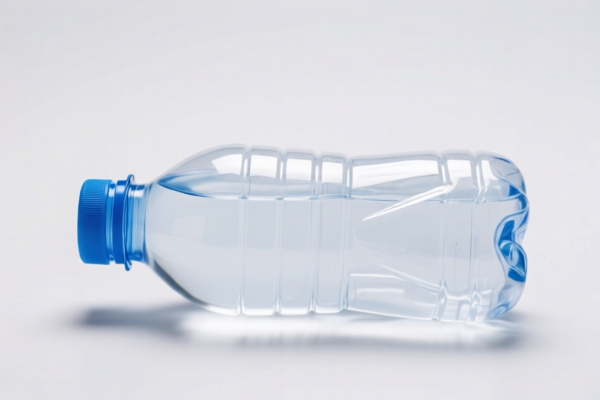
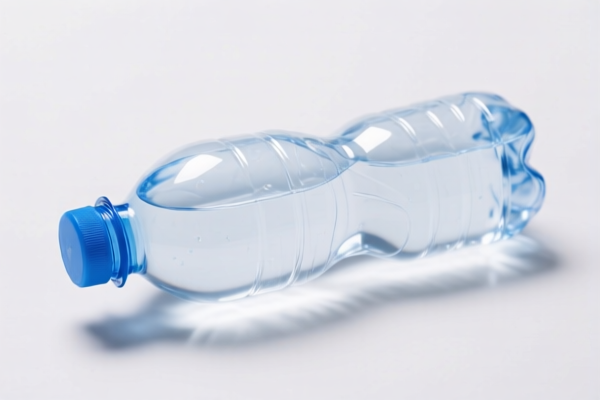
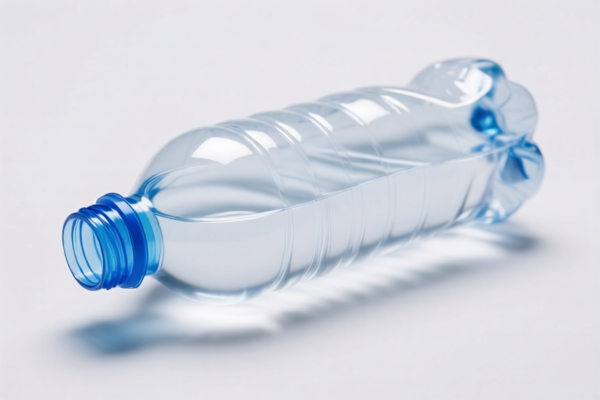
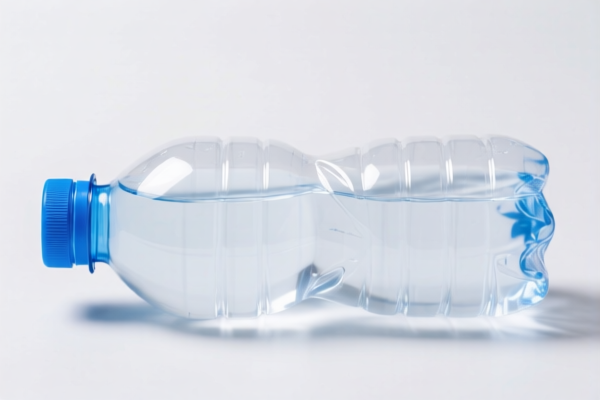
plastic empty bottle
CN → US| HS编码 | 关税税率 | 原产国 | 目的国 | 文档 |
|---|---|---|---|---|
| 3924104000 | 13.4% | CN | US | 官方文档 |
| 3923300010 | 38.0% | CN | US | 官方文档 |
| 3924905650 | 20.9% | CN | US | 官方文档 |
| 3923300090 | 38.0% | CN | US | 官方文档 |
| 3923300090 | 38.0% | CN | US | 官方文档 |
商品图片
AI分析
🧴 Plastic Empty Bottle: HS Code Guide & Customs Clearance Strategy | 2026 Latest Tariff Analysis
🌐 HS Code Reference & Customs Clearance Guide | 2026 Latest Tariff Regulations | Professional Clearance Strategy
📌 I. Product Definition & Classification: What Exactly is a "Plastic Empty Bottle"?
In international trade, "Plastic Empty Bottle" is a broad term that triggers different Harmonized System (HS) codes based on its specific design, material composition, and intended use. The key distinction lies in whether the bottle is classified as a general packaging container or a specific household/hygienic utensil.
The Critical Distinction: * Category A: Packaging Containers (Packaging Use): Bottles designed primarily for holding, transporting, or dispensing liquids (cosmetics, disinfectants, etc.) as part of a supply chain or retail packaging. These fall under Chapter 39, Heading 3923. * Category B: Hygienic/Household Utensils (Hygiene/Toilet Use): Bottles designed for direct personal hygiene, toiletry, or household cleaning usage, often resembling domestic ware. These fall under Chapter 39, Heading 3924.
⚠️ Key Differentiator:
- If the product is a container for packaging goods (e.g., empty cosmetic bottles before filling, industrial disinfectant containers) → HS 3923.xxxxxx
- If the product is considered a hygienic or toilet article (e.g., soap dispensers, cosmetic bottles for final consumer hygiene use) → HS 3924.xxxxxx
📦 II. HS Code Classification Details (2026 Latest Tariff Authority Comparison)
Based on the provided data, here are the specific HS codes, their summaries, and tax implications.
| HS Code | Product Summary & Description | Tax Rate (Total) | Tariff Breakdown |
|---|---|---|---|
3924.10.40.00 |
Plastic Cosmetic Bottle: Material: Plastic. Use: Hygiene or Toilet Articles. | 13.4% | Base: 3.4% Add-on: 0.0% Section 122: 10% |
3923.30.00.10 |
Plastic Cosmetic/Dispensing Bottle: Material: Plastic. Form: Bottle. Use: Packaging Articles. | 38.0% | Base: 3.0% Add-on: 25.0% Section 122: 10% |
3924.90.56.50 |
Plastic Cosmetic/Disinfectant Bottle: Material: Plastic. Use: Hygiene or Household Articles. | 20.9% | Base: 3.4% Add-on: 7.5% Section 122: 10% |
3923.30.00.90 |
Plastic Cosmetic/Disinfectant Bottle: Material: Plastic. Form: Bottle Articles. Use: Packaging/Container. | 38.0% | Base: 3.0% Add-on: 25.0% Section 122: 10% |
3923.30.00.90 |
Plastic Disinfectant Bottle: Material: Plastic. Use: Packaging/Container. | 38.0% | Base: 3.0% Add-on: 25.0% Section 122: 10% |
🔍 Focus Reminder:
- The 3923 series (Packaging) carries a significantly higher tariff (38.0%) due to the 25% Add-on Tariff.
- The 3924 series (Hygiene/Toilet) carries lower tariffs (13.4% - 20.9%) with 0% or 7.5% Add-on Tariffs.
- Misclassification risk: Classifying a hygiene bottle as packaging (or vice versa) can lead to a massive tax discrepancy or customs delays.
💰 III. 2026 Latest Tariff Rate Details (Including Surtaxes & Policy Surcharges)
✅ Applicable Country: United States (US)
✅ Origin: China (CN) (Implied by "Section 122" and typical surtax structures)
✅ Effective Time: Current 2026 Regulations
🎯 1. 3924.10.40.00 — Plastic Cosmetic Bottle (Hygiene/Toilet Category)
| Item | Content |
|---|---|
| Base Tariff | 3.4% (ad valorem) |
| USITC Add-on Tariff | 0.0% |
| Section 122 Tariff | +10% (Specific provision for this HS) |
| Total Rate | 13.4% |
| Tax Calculation | CIF Value × 13.4% |
| De Minimis Eligibility | ❌ No (Standard for goods subject to Section 122) |
| Legal Path | HTSUS:3924.10.40.00 → Section 122: +10% |
📌 Explanation:
- This code falls under "Toilet, hygienic or bathing articles."
- It benefits from no additional USITC surtax (0% add-on), resulting in the lowest total duty among the options.
- The 10% Section 122 tariff is specific to this subheading.
🎯 2. 3923.30.00.10 — Plastic Cosmetic/Dispensing Bottle (Packaging Category)
| Item | Content |
|---|---|
| Base Tariff | 3.0% (ad valorem) |
| USITC Add-on Tariff | +25% (From USITC Footnote) |
| Section 122 Tariff | +10% |
| Total Rate | 38.0% |
| Tax Calculation | CIF Value × 38.0% |
| De Minimis Eligibility | ❌ No |
| Legal Path | HTSUS:3923.30.00.10 → USITC: +25% → Section 122: +10% |
📌 Warning:
- Despite a lower base rate (3.0%), the 25% USITC Add-on Tariff makes this category extremely expensive.
- This applies to "Packaging articles," specifically bottles for packaging cosmetics or disinfectants.
🎯 3. 3924.90.56.50 — Plastic Cosmetic/Disinfectant Bottle (Hygiene/Household)
| Item | Content |
|---|---|
| Base Tariff | 3.4% (ad valorem) |
| USITC Add-on Tariff | +7.5% |
| Section 122 Tariff | +10% |
| Total Rate | 20.9% |
| Tax Calculation | CIF Value × 20.9% |
| De Minimis Eligibility | ❌ No |
| Legal Path | HTSUS:3924.90.56.50 → USITC: +7.5% → Section 122: +10% |
📌 Note:
- This code is for "Other toilet/hygienic articles."
- It has a moderate 7.5% add-on tariff, making it more expensive than3924.10.40.00but cheaper than any 3923 code.
🎯 4. 3923.30.00.90 — Plastic Cosmetic/Disinfectant Bottle (Packaging/Container)
| Item | Content |
|---|---|
| Base Tariff | 3.0% (ad valorem) |
| USITC Add-on Tariff | +25% |
| Section 122 Tariff | +10% |
| Total Rate | 38.0% |
| Tax Calculation | CIF Value × 38.0% |
| De Minimis Eligibility | ❌ No |
| Legal Path | HTSUS:3923.30.00.90 → USITC: +25% → Section 122: +10% |
📌 Note:
- Same tax structure as3923.30.00.10.
- Any "bottle article" classified under 3923.30 (Packaging) incurs the 25% surtax.
- Applies to both cosmetic and disinfectant bottles if deemed packaging.
🛠️ IV. Customs Clearance Practical Advice (Battle-Tested Pitfall Avoidance)
✅ 1. Preparation Checklist (Mandatory)
| Document | Required | Explanation |
|---|---|---|
| ✅ Product Specifications | ✔️ | Must clearly state material (Plastic type, e.g., PET, HDPE), shape, and intended use. |
| ✅ Usage Declaration | ✔️ | Crucial: Explicitly state if the bottle is for "Hygiene/Toilet Use" (3924) or "Packaging/Container" (3923). |
| ✅ Product Photos | ✔️ | Clear images showing the bottle, caps, and any labels. No liquid inside. |
| ✅ Commercial Invoice | ✔️ | Description must match HS code rationale (e.g., "Cosmetic Dispenser Bottle" vs. "Packaging Container"). |
| ✅ Packing List | ✔️ | Item weight and dimensions. |
✅ 2. Declaration Tactics (Key Mantra)
🔥 "Use Defines Code! Hygiene is Low, Packaging is High!"
| Scenario | Correct Declaration | Wrong Action |
|---|---|---|
| Bottle for personal use (soap dispenser, cosmetic jar) | 3924.10.40.00 or 3924.90.56.50 |
Declaring as "Packaging" → 38% Tax |
| Empty bottle for shipping/retail packaging | 3923.30.00.10 or 3923.30.00.90 |
Declaring as "Hygiene Article" → Potential Misclassification Penalty |
| Disinfectant Bottle | Determine if it's for dispensing (3924) or storage/shipping (3923) | Ambiguous description → Customs Hold |
📌 Critical Tip:
- If the bottle is part of a cosmetic set intended for direct consumer hygiene, argue for 3924 (Lower Tax).
- If the bottle is empty and shipped to a filler for further packaging, it is likely 3923 (Higher Tax).
- Do not simply write "Plastic Bottle." Be specific: "Plastic Cosmetic Dispenser Bottle for Toiletry Use."
✅ 3. Special Situation Handling
| Situation | Handling Advice |
|---|---|
| Bottle with Pumps/Dispensers | If the pump is integral for hygiene application, lean towards 3924. If it's a simple cap for storage, 3923 may apply. |
| Mixed Shipments | Do not mix 3924 and 3923 items in one line item. Declare separately to avoid audit flags. |
| OEM Custom Bottles | Provide design files to prove the bottle's form factor aligns with hygiene articles (e.g., ergonomic shape for hand soap). |
| High-Value Items | For 3923 (38% tax), consider supply chain optimization or pre-classification rulings. |
🌍 V. Global Market Clearance Comparison (2026 Latest)
| Country/Region | Recommended HS Code | Tariff Rate | Certification | Notes |
|---|---|---|---|---|
| 🇺🇸 USA | 3924.10.40.00 |
13.4% | FDA (if food/contact) | Lowest duty. Best for hygiene-focused bottles. |
| 🇺🇸 USA | 3923.30.00.90 |
38.0% | N/A | Highest duty. Avoid if possible. |
| 🇨🇳 China | 3923.30.00.00 |
~5-10% | N/A | Lower baseline, no Section 122. |
| 🇪🇺 EU | 3923.30.00.00 |
4.5% | CE (if applicable) | No heavy surtaxes like US Section 122. |
📌 Conclusion:
- USA is the highest-cost market due to Section 122 and USITC add-ons.
- Strategic Advice: If the bottle can be legally classified as a "Hygiene/Toilet Article" (3924), the tax burden drops from 38% to 13.4% or 20.9%. This is a huge saving.
- Ensure product design, marketing, and documentation support the "Hygiene" classification.
📌 VI. Common Errors & Pitfall Guide (Blood & Tears Lessons)
❌ Error 1: Declaring a hygiene dispenser bottle as a "Packaging Container"
👉 Consequence: Paying 38% tax instead of 13.4%. Overpayment of ~25%.
❌ Error 2: Declaring a packaging bottle as a "Hygiene Article" to save tax
👉 Consequence: Customs audit → Back taxes + Penalties + Delay. Misclassification of 3923 as 3924 is a red flag.
❌ Error 3: Vague Description "Plastic Bottle"
👉 Consequence: Customs Officer uses discretion → Likely defaults to 3923 (Packaging) → 38% Tax. Always be specific.
❌ Error 4: Ignoring Section 122
👉 Consequence: Surprises at border. All listed codes have a 10% Section 122 component. It is non-negotiable for Chinese-origin goods in these categories.
✅ Correct Practice:
"Empty Plastic Cosmetic Bottle, HDPE, with Pump Dispenser, for Hand Soap Use, Model XYZ"
(Supports 3924 classification)
🎯 VII. Conclusion: Precision Classification Saves Money!
🎯 Remember the Mantra:
🔹 "Hygiene is Low (13.4-20.9%), Packaging is High (38%)!"
🔹 "Section 122 applies to all (10% base surtax)!"
🔹 "Define Use Clearly to Avoid 38% Pitfall!"
📌 Pro Tip:
If your product is borderline (e.g., a bottle that could be either), provide design specifications and marketing materials showing intended hygiene/toilet use to support 3924 classification.
For 3923 products, factor the 38% duty into your cost model immediately.
📣 Immediate Action:
📞 Consult with a licensed customs broker for a Pre-Ruling on your specific bottle design.
🚀 Classify Correctly, Clear Fast, Maximize Profit!
✨ Professional Clearance Starts with Accurate Classification!
💼 Every Percent in Duty is Profit Lost!
用户评价
关于 HS 编码归类
协调制度(HS)是由世界海关组织(WCO)制定的国际贸易商品分类标准。全球 200 多个国家采用 HS 系统作为海关关税、贸易统计和进出口监管的基础。
每个 HS 编码遵循以下层级结构:
- 章(2 位)——商品大类(例如:第 84 章:机器和机械设备)
- 品目(4 位)——章内的更具体分类
- 子目(6 位)——国际通用细分,所有 WCO 成员国统一使用
- 本国细分(8-10 位)——各国自行扩展的细分编码,如美国 HTSUS 10 位编码
正确的 HS 编码归类对于顺利通关、准确缴纳关税和遵守贸易法规至关重要。错误归类可能导致海关延误、多缴关税或罚款。
从CN进口到US时,适用的关税税率可能包括:
- 最惠国(MFN)税率——适用于 WTO 成员国的标准关税税率
- 普通税率——适用于无贸易协定国家
- 贸易救济关税——附加关税,如 301 条款(反倾销)、232 条款(国家安全)或反补贴税
本页内容仅供参考。如需正式归类,请咨询当地海关或持牌报关代理。