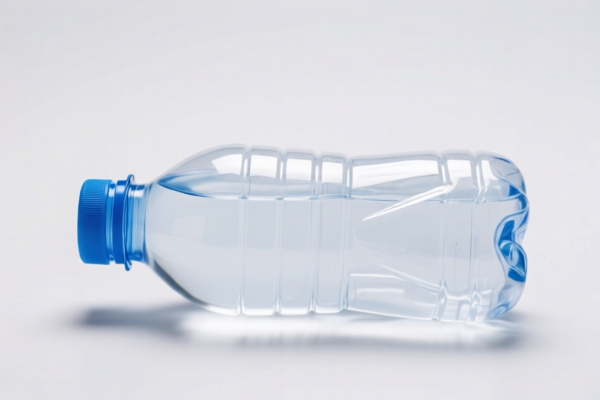
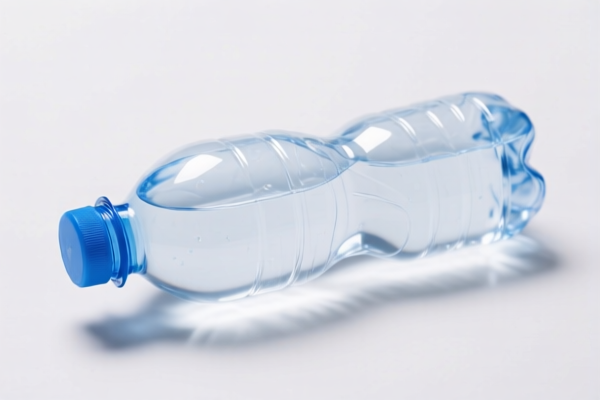
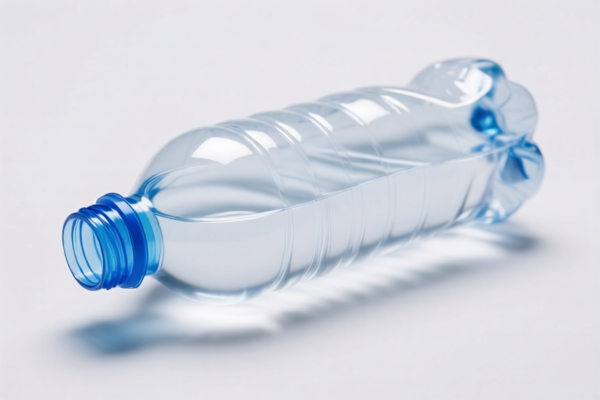
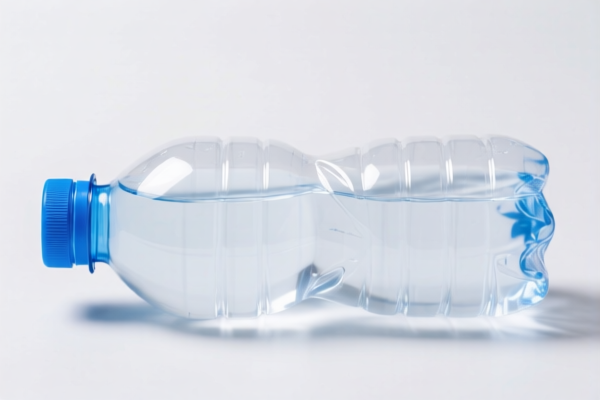
plastic empty bottle
CN → US| HS Code | Tariff Rate | Origin | Destination | Doc |
|---|---|---|---|---|
| 3924104000 | 13.4% | CN | US | Official Doc |
| 3923300010 | 38.0% | CN | US | Official Doc |
| 3924905650 | 20.9% | CN | US | Official Doc |
| 3923300090 | 38.0% | CN | US | Official Doc |
| 3923300090 | 38.0% | CN | US | Official Doc |
Product Images
AI Analysis
🧴 Plastic Empty Bottle: HS Code Guide & Customs Clearance Strategy | 2026 Latest Tariff Analysis
🌐 HS Code Reference & Customs Clearance Guide | 2026 Latest Tariff Regulations | Professional Clearance Strategy
📌 I. Product Definition & Classification: What Exactly is a "Plastic Empty Bottle"?
In international trade, "Plastic Empty Bottle" is a broad term that triggers different Harmonized System (HS) codes based on its specific design, material composition, and intended use. The key distinction lies in whether the bottle is classified as a general packaging container or a specific household/hygienic utensil.
The Critical Distinction: * Category A: Packaging Containers (Packaging Use): Bottles designed primarily for holding, transporting, or dispensing liquids (cosmetics, disinfectants, etc.) as part of a supply chain or retail packaging. These fall under Chapter 39, Heading 3923. * Category B: Hygienic/Household Utensils (Hygiene/Toilet Use): Bottles designed for direct personal hygiene, toiletry, or household cleaning usage, often resembling domestic ware. These fall under Chapter 39, Heading 3924.
⚠️ Key Differentiator:
- If the product is a container for packaging goods (e.g., empty cosmetic bottles before filling, industrial disinfectant containers) → HS 3923.xxxxxx
- If the product is considered a hygienic or toilet article (e.g., soap dispensers, cosmetic bottles for final consumer hygiene use) → HS 3924.xxxxxx
📦 II. HS Code Classification Details (2026 Latest Tariff Authority Comparison)
Based on the provided data, here are the specific HS codes, their summaries, and tax implications.
| HS Code | Product Summary & Description | Tax Rate (Total) | Tariff Breakdown |
|---|---|---|---|
3924.10.40.00 |
Plastic Cosmetic Bottle: Material: Plastic. Use: Hygiene or Toilet Articles. | 13.4% | Base: 3.4% Add-on: 0.0% Section 122: 10% |
3923.30.00.10 |
Plastic Cosmetic/Dispensing Bottle: Material: Plastic. Form: Bottle. Use: Packaging Articles. | 38.0% | Base: 3.0% Add-on: 25.0% Section 122: 10% |
3924.90.56.50 |
Plastic Cosmetic/Disinfectant Bottle: Material: Plastic. Use: Hygiene or Household Articles. | 20.9% | Base: 3.4% Add-on: 7.5% Section 122: 10% |
3923.30.00.90 |
Plastic Cosmetic/Disinfectant Bottle: Material: Plastic. Form: Bottle Articles. Use: Packaging/Container. | 38.0% | Base: 3.0% Add-on: 25.0% Section 122: 10% |
3923.30.00.90 |
Plastic Disinfectant Bottle: Material: Plastic. Use: Packaging/Container. | 38.0% | Base: 3.0% Add-on: 25.0% Section 122: 10% |
🔍 Focus Reminder:
- The 3923 series (Packaging) carries a significantly higher tariff (38.0%) due to the 25% Add-on Tariff.
- The 3924 series (Hygiene/Toilet) carries lower tariffs (13.4% - 20.9%) with 0% or 7.5% Add-on Tariffs.
- Misclassification risk: Classifying a hygiene bottle as packaging (or vice versa) can lead to a massive tax discrepancy or customs delays.
💰 III. 2026 Latest Tariff Rate Details (Including Surtaxes & Policy Surcharges)
✅ Applicable Country: United States (US)
✅ Origin: China (CN) (Implied by "Section 122" and typical surtax structures)
✅ Effective Time: Current 2026 Regulations
🎯 1. 3924.10.40.00 — Plastic Cosmetic Bottle (Hygiene/Toilet Category)
| Item | Content |
|---|---|
| Base Tariff | 3.4% (ad valorem) |
| USITC Add-on Tariff | 0.0% |
| Section 122 Tariff | +10% (Specific provision for this HS) |
| Total Rate | 13.4% |
| Tax Calculation | CIF Value × 13.4% |
| De Minimis Eligibility | ❌ No (Standard for goods subject to Section 122) |
| Legal Path | HTSUS:3924.10.40.00 → Section 122: +10% |
📌 Explanation:
- This code falls under "Toilet, hygienic or bathing articles."
- It benefits from no additional USITC surtax (0% add-on), resulting in the lowest total duty among the options.
- The 10% Section 122 tariff is specific to this subheading.
🎯 2. 3923.30.00.10 — Plastic Cosmetic/Dispensing Bottle (Packaging Category)
| Item | Content |
|---|---|
| Base Tariff | 3.0% (ad valorem) |
| USITC Add-on Tariff | +25% (From USITC Footnote) |
| Section 122 Tariff | +10% |
| Total Rate | 38.0% |
| Tax Calculation | CIF Value × 38.0% |
| De Minimis Eligibility | ❌ No |
| Legal Path | HTSUS:3923.30.00.10 → USITC: +25% → Section 122: +10% |
📌 Warning:
- Despite a lower base rate (3.0%), the 25% USITC Add-on Tariff makes this category extremely expensive.
- This applies to "Packaging articles," specifically bottles for packaging cosmetics or disinfectants.
🎯 3. 3924.90.56.50 — Plastic Cosmetic/Disinfectant Bottle (Hygiene/Household)
| Item | Content |
|---|---|
| Base Tariff | 3.4% (ad valorem) |
| USITC Add-on Tariff | +7.5% |
| Section 122 Tariff | +10% |
| Total Rate | 20.9% |
| Tax Calculation | CIF Value × 20.9% |
| De Minimis Eligibility | ❌ No |
| Legal Path | HTSUS:3924.90.56.50 → USITC: +7.5% → Section 122: +10% |
📌 Note:
- This code is for "Other toilet/hygienic articles."
- It has a moderate 7.5% add-on tariff, making it more expensive than3924.10.40.00but cheaper than any 3923 code.
🎯 4. 3923.30.00.90 — Plastic Cosmetic/Disinfectant Bottle (Packaging/Container)
| Item | Content |
|---|---|
| Base Tariff | 3.0% (ad valorem) |
| USITC Add-on Tariff | +25% |
| Section 122 Tariff | +10% |
| Total Rate | 38.0% |
| Tax Calculation | CIF Value × 38.0% |
| De Minimis Eligibility | ❌ No |
| Legal Path | HTSUS:3923.30.00.90 → USITC: +25% → Section 122: +10% |
📌 Note:
- Same tax structure as3923.30.00.10.
- Any "bottle article" classified under 3923.30 (Packaging) incurs the 25% surtax.
- Applies to both cosmetic and disinfectant bottles if deemed packaging.
🛠️ IV. Customs Clearance Practical Advice (Battle-Tested Pitfall Avoidance)
✅ 1. Preparation Checklist (Mandatory)
| Document | Required | Explanation |
|---|---|---|
| ✅ Product Specifications | ✔️ | Must clearly state material (Plastic type, e.g., PET, HDPE), shape, and intended use. |
| ✅ Usage Declaration | ✔️ | Crucial: Explicitly state if the bottle is for "Hygiene/Toilet Use" (3924) or "Packaging/Container" (3923). |
| ✅ Product Photos | ✔️ | Clear images showing the bottle, caps, and any labels. No liquid inside. |
| ✅ Commercial Invoice | ✔️ | Description must match HS code rationale (e.g., "Cosmetic Dispenser Bottle" vs. "Packaging Container"). |
| ✅ Packing List | ✔️ | Item weight and dimensions. |
✅ 2. Declaration Tactics (Key Mantra)
🔥 "Use Defines Code! Hygiene is Low, Packaging is High!"
| Scenario | Correct Declaration | Wrong Action |
|---|---|---|
| Bottle for personal use (soap dispenser, cosmetic jar) | 3924.10.40.00 or 3924.90.56.50 |
Declaring as "Packaging" → 38% Tax |
| Empty bottle for shipping/retail packaging | 3923.30.00.10 or 3923.30.00.90 |
Declaring as "Hygiene Article" → Potential Misclassification Penalty |
| Disinfectant Bottle | Determine if it's for dispensing (3924) or storage/shipping (3923) | Ambiguous description → Customs Hold |
📌 Critical Tip:
- If the bottle is part of a cosmetic set intended for direct consumer hygiene, argue for 3924 (Lower Tax).
- If the bottle is empty and shipped to a filler for further packaging, it is likely 3923 (Higher Tax).
- Do not simply write "Plastic Bottle." Be specific: "Plastic Cosmetic Dispenser Bottle for Toiletry Use."
✅ 3. Special Situation Handling
| Situation | Handling Advice |
|---|---|
| Bottle with Pumps/Dispensers | If the pump is integral for hygiene application, lean towards 3924. If it's a simple cap for storage, 3923 may apply. |
| Mixed Shipments | Do not mix 3924 and 3923 items in one line item. Declare separately to avoid audit flags. |
| OEM Custom Bottles | Provide design files to prove the bottle's form factor aligns with hygiene articles (e.g., ergonomic shape for hand soap). |
| High-Value Items | For 3923 (38% tax), consider supply chain optimization or pre-classification rulings. |
🌍 V. Global Market Clearance Comparison (2026 Latest)
| Country/Region | Recommended HS Code | Tariff Rate | Certification | Notes |
|---|---|---|---|---|
| 🇺🇸 USA | 3924.10.40.00 |
13.4% | FDA (if food/contact) | Lowest duty. Best for hygiene-focused bottles. |
| 🇺🇸 USA | 3923.30.00.90 |
38.0% | N/A | Highest duty. Avoid if possible. |
| 🇨🇳 China | 3923.30.00.00 |
~5-10% | N/A | Lower baseline, no Section 122. |
| 🇪🇺 EU | 3923.30.00.00 |
4.5% | CE (if applicable) | No heavy surtaxes like US Section 122. |
📌 Conclusion:
- USA is the highest-cost market due to Section 122 and USITC add-ons.
- Strategic Advice: If the bottle can be legally classified as a "Hygiene/Toilet Article" (3924), the tax burden drops from 38% to 13.4% or 20.9%. This is a huge saving.
- Ensure product design, marketing, and documentation support the "Hygiene" classification.
📌 VI. Common Errors & Pitfall Guide (Blood & Tears Lessons)
❌ Error 1: Declaring a hygiene dispenser bottle as a "Packaging Container"
👉 Consequence: Paying 38% tax instead of 13.4%. Overpayment of ~25%.
❌ Error 2: Declaring a packaging bottle as a "Hygiene Article" to save tax
👉 Consequence: Customs audit → Back taxes + Penalties + Delay. Misclassification of 3923 as 3924 is a red flag.
❌ Error 3: Vague Description "Plastic Bottle"
👉 Consequence: Customs Officer uses discretion → Likely defaults to 3923 (Packaging) → 38% Tax. Always be specific.
❌ Error 4: Ignoring Section 122
👉 Consequence: Surprises at border. All listed codes have a 10% Section 122 component. It is non-negotiable for Chinese-origin goods in these categories.
✅ Correct Practice:
"Empty Plastic Cosmetic Bottle, HDPE, with Pump Dispenser, for Hand Soap Use, Model XYZ"
(Supports 3924 classification)
🎯 VII. Conclusion: Precision Classification Saves Money!
🎯 Remember the Mantra:
🔹 "Hygiene is Low (13.4-20.9%), Packaging is High (38%)!"
🔹 "Section 122 applies to all (10% base surtax)!"
🔹 "Define Use Clearly to Avoid 38% Pitfall!"
📌 Pro Tip:
If your product is borderline (e.g., a bottle that could be either), provide design specifications and marketing materials showing intended hygiene/toilet use to support 3924 classification.
For 3923 products, factor the 38% duty into your cost model immediately.
📣 Immediate Action:
📞 Consult with a licensed customs broker for a Pre-Ruling on your specific bottle design.
🚀 Classify Correctly, Clear Fast, Maximize Profit!
✨ Professional Clearance Starts with Accurate Classification!
💼 Every Percent in Duty is Profit Lost!
Customer Reviews
About HS Code Classification
The Harmonized System (HS) is an internationally standardized nomenclature developed by the World Customs Organization (WCO) to classify traded products. Over 200 countries use the HS system as the basis for customs tariffs, trade statistics, and import/export regulations.
Each HS code follows a hierarchical structure:
- Chapter (2 digits) — Broad category of goods (e.g., Chapter 84: Machinery and Mechanical Appliances)
- Heading (4 digits) — More specific grouping within the chapter
- Subheading (6 digits) — Internationally standardized breakdown, used by all WCO member countries
- National subdivisions (8-10 digits) — Country-specific extensions for further classification, such as US HTSUS 10-digit codes
Correct HS code classification is essential for smooth customs clearance, accurate duty payment, and compliance with trade regulations. Misclassification can lead to customs delays, overpayment of duties, or penalties.
When importing from CN to US, the applicable tariff rates may include:
- Most-Favored-Nation (MFN) rate — The standard duty rate applied to WTO members
- General rate — Applied to countries without trade agreements
- Trade remedy duties — Additional tariffs such as Section 301 (anti-dumping), Section 232 (national security), or countervailing duties
The information provided on this page is for reference purposes only. For official classification, please consult with your local customs authority or a licensed customs broker.