plastic non woven wallpaper
CN → US| HS编码 | 关税税率 | 原产国 | 目的国 | 文档 |
|---|---|---|---|---|
| 3921901100 | 39.2% | CN | US | 官方文档 |
| 3921901910 | 40.3% | CN | US | 官方文档 |
| 3921901100 | 39.2% | CN | US | 官方文档 |
| 3921901910 | 40.3% | CN | US | 官方文档 |
| 3921901100 | 39.2% | CN | US | 官方文档 |
商品图片
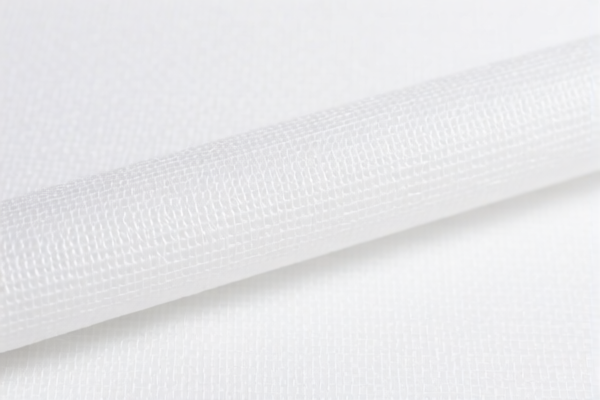
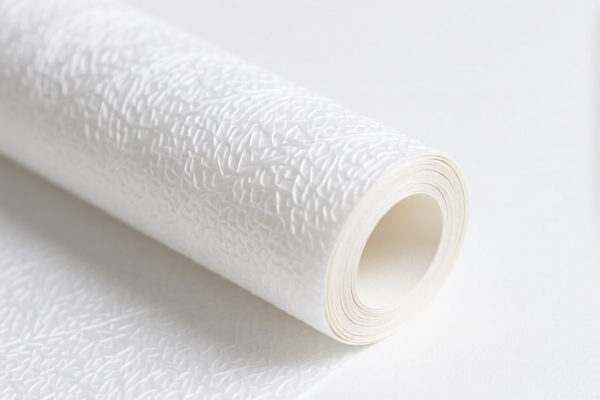
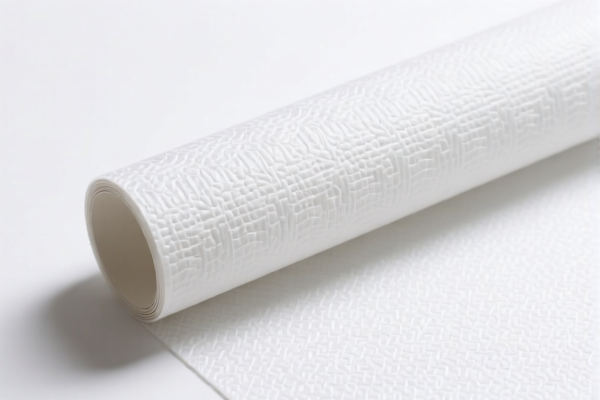
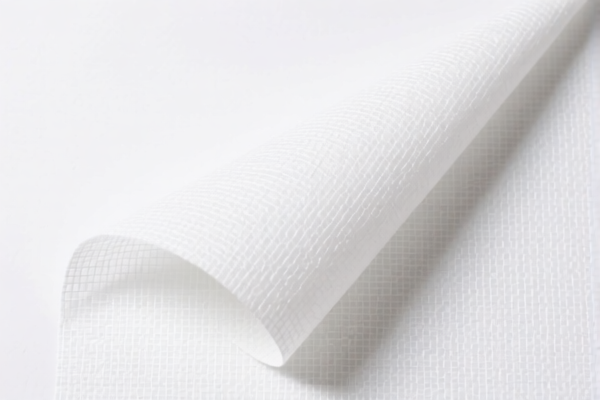
AI分析
🖼️ Plastic Non-Woven Wallpaper (Spunbond Non-Woven Wallpaper)
🌐 HS Code Reference & Customs Clearance Guide | 2026 Latest Tariff Analysis | Professional Entry Strategy
📌 I. Product Definition & Classification: Do You Really Understand "Plastic Non-Woven Wallpaper"?
"Plastic Non-Woven Wallpaper" refers to wall coverings made primarily of plastic materials, utilizing a spunbond non-woven manufacturing process. In international trade, the classification hinges on two critical factors: 1. Material Composition: Is it predominantly plastic, or a composite with textiles? 2. Form Factor: Is it defined as a "wallpaper," a "film/membrane," or a "thin plate/sheet"?
⚠️ Key Distinction Point:
- If the plastic weight accounts for >70% and it functions primarily as a wall covering or thin film combined with textile elements →归入 3921.90.11.00 (Lower Tax).
- If it is classified as a "thin plate, sheet, film, foil, strip, or block" of plastic where textile components are secondary or define it as a "thin material" without conflicting material definitions → 归入 3921.90.19.10 (Higher Tax).
📦 II. HS Code Classification Details (2026 Latest Tariff Authority Comparison)
| HS Code | Product Description | Application Scenario | Material Logic |
|---|---|---|---|
3921.90.11.00 |
Spunbond non-woven plastic wallpaper, plastic-dominated material, formed as wallpaper. | Wall covering where plastic weight is high (>70%), combined with textile materials. | ✅ Plastic Dominant (>70%) + Textile Composite |
3921.90.19.10 |
Spunbond non-woven plastic wallpaper, includes textile attributes, formed as plastic plate/sheet/film. | Thin materials definition; plastic board/film form; no material conflict. | ✅ Thin Material Definition + Plastic Film/Sheet Form |
3921.90.19.10 |
Plastic wall decorative film, non-woven base material, plastic material, film form. | Decorative films with non-woven (textile) base; fits composite logic. | ✅ Plastic Film + Textile Base |
3921.90.11.00 |
Plastic wall decorative film, non-woven base, plastic & textile combination, thin film form. | Fits logic of plastic weight >70% combined with textile materials. | ✅ Plastic Weight >70% + Textile Combo |
3921.90.19.10 |
Plastic non-woven wallpaper, spunbond non-woven feature, plastic film form. | Lightweight material definition; no material conflict. | ✅ Lightweight/Thin Material Definition |
🔍 Key Reminder:
-3921.90.11.00is generally favored if the product can be strictly defined as "wallpaper" with high plastic content and textile combination. It offers a slightly lower total tax rate (39.2%). -3921.90.19.10applies when the product is classified as a "film," "sheet," or "plate" of plastic, or when it fits the "thin material" definition. It carries a higher total tax rate (40.3%).
💰 III. 2026 Latest Tariff Rate Breakdown (Including Surcharges & Policy Add-ons)
✅ Applicable Country: United States (US)
✅ Origin: China (CN)
✅ Effective Time: Ongoing (Post-2018 Trade War & Subsequent Add-ons)
🎯 1. 3921.90.11.00 —— Plastic Wallpaper (Plastic-Dominated, Textile Composite)
| Item | Content |
|---|---|
| Base Tariff | 4.2% (ad valorem) |
| Section 301 Surcharge | +25.0% (From USITC Section 301 List 3/4) |
| Section 122 Tariff | +10.0% (Specific trade remedy or additional duty clause) |
| Total Tax Rate | 39.2% |
| Tax Calculation | CIF Value × 39.2% |
| De Minimis Exemption | ❌ Not Available (High value duties exclude this from low-value shipments) |
| Legal Basis Path | USITC:3921.90.11.00 → Section301:Footnote → Section122:SpecificClause |
📌 Explanation:
- The 4.2% base rate is the standard MFN duty for plastic plates/sheets/films. - The +25% is the standard Section 301 punitive tariff on Chinese plastics. - The +10% is an additional Section 122 tariff (or similar specific provision) applied to these specific plastic composite goods. - Total 39.2% is a high tariff, significantly impacting margins.
🎯 2. 3921.90.19.10 —— Plastic Film/Sheet (Thin Material, No Conflict)
| Item | Content |
|---|---|
| Base Tariff | 5.3% (ad valorem) |
| Section 301 Surcharge | +25.0% |
| Section 122 Tariff | +10.0% |
| Total Tax Rate | 40.3% |
| Tax Calculation | CIF Value × 40.3% |
| De Minimis Exemption | ❌ Not Available |
| Legal Basis Path | USITC:3921.90.19.10 → Section301:Footnote → Section122:SpecificClause |
📌 Note:
- This code has a higher base rate (5.3%) compared to3921.90.11.00(4.2%). - Even with the same surcharges, the total rate is 40.3%, which is 1.1% higher than the other option. - Use this code only if the product cannot be justified as "plastic-dominated wallpaper" but fits the "thin plastic film/sheet" definition.
🛠️ IV. Customs Clearance Practical Advice (Combat Pitfall Guide)
✅ 1. Preparation Checklist (Essential Documents)
| Document | Required | Explanation |
|---|---|---|
| ✅ Product Specification Sheet | ✔️ | Must detail material composition (Plastic % vs. Textile %), thickness, and manufacturing process (Spunbond). |
| ✅ Composition Declaration | ✔️ | Explicitly state if plastic weight is >70% (to support 3921.90.11.00). |
| ✅ Product Photos | ✔️ | Clear images showing the texture, backing, and application (wall covering). |
| ✅ Commercial Invoice | ✔️ | Description should align with HS Code: e.g., "Plastic Wallpaper, Spunbond Non-Woven, >70% Plastic Content." |
| ✅ Packing List | ✔️ | Confirm weight and dimensions to support "thin/lightweight" claims if using 3921.90.19.10. |
| ✅ Proof of Origin | ✔️ | Certificate of Origin for China (to confirm Section 301 applicability). |
✅ 2. Declaration Strategy (Critical Tips)
🔥 “Plastic Weight Dictates Code: >70% = 11.00; Thin/Film = 19.10”
| Scenario | Correct Declaration | Wrong Practice |
|---|---|---|
| Wallpaper with >70% Plastic | 3921.90.11.00 (39.2%) |
Misdeclare as "Film" → 40.3% |
| Decorative Film with Non-Woven Base | 3921.90.19.10 (40.3%) if thin film; 3921.90.11.00 if >70% plastic |
Ambiguous description → Audit Risk |
| Thin Plastic Sheet (No Wall Function) | 3921.90.19.10 (40.3%) |
Misdeclare as "Wallpaper" → Rejection |
| Textile-Heavy Wallcovering (<70% Plastic) | NOT Covered in Data | Attempting to force into plastic codes → Wrong Class |
📌 Critical Warning:
- To qualify for the lower tax (39.2%), you MUST prove the plastic weight占比 (proportion) exceeds 70% or that the product is fundamentally a "wallpaper" with plastic being the dominant material. - If the product is primarily a thin plastic film with a non-woven backing for handling, and the plastic content is lower, it may fall under3921.90.19.10.
✅ 3. Special Circumstances
| Scenario | Handling Advice |
|---|---|
| OEM Custom Patterns | Provide design files and material specs to prove it's a "wallpaper" product, not just generic film. |
| Mixed Packaging | If shipping rolls, ensure each roll's composition is consistent. Do not mix high-plastic and low-plastic batches in one declaration. |
| Samples | Even samples are subject to these tariffs. Do not assume "gift" status lowers the rate for commercial-style goods. |
🌍 V. Global Market Comparison (2026 Latest)
| Country/Region | Recommended HS Code | Tariff Rate | Certification | Remarks |
|---|---|---|---|---|
| 🇺🇸 USA | 3921.90.11.00 or 19.10 |
39.2% - 40.3% | None specific for plastic wallpaper | High Tariff: Due to Section 301 + Section 122. |
| 🇨🇳 China | 3921.90.11.00 |
~4.2% | CCC (if applicable) | No Section 301/122. |
| 🇪🇺 EU | 3921.90 (Varies) |
~6.5% | CE (if plastic additives regulated) | No US-style punitive tariffs. |
| 🇦🇺 Australia | 3921.90 |
~5.0% | None specific | Lower base rate. |
| 🇯🇵 Japan | 3921.90 |
~6.0% | PSE (if electrical/plastic safety) | Stable tariff. |
📌 Conclusion:
- The USA market is the most challenging for Chinese plastic non-woven wallpaper due to the cumulative 39-40% tax burden. - For other markets, the cost is significantly lower, but US importers must factor this into pricing strategies.
📌 VI. Common Mistakes & Pitfall Guide (Lessons from Experience)
❌ Mistake 1: Calling it "Textile Wallpaper" to avoid plastic duties
👉 Consequence: If plastic >70%, it will be reclassified as plastic → Back taxes + Penalties.
❌ Mistake 2: Misdeclaring "Film" as "Wallpaper" to get a lower code
👉 Consequence: If plastic content is not >70%, it may be forced into the higher 19.10 code anyway → No savings, just risk.
❌ Mistake 3: Ignoring Section 122 Tariff
👉 Consequence: Many importers calculate only Section 301 (25%) → Underestimating cost by 10%.
❌ Mistake 4: Not specifying "Spunbond Non-Woven"
👉 Consequence: Vague description leads to customs audit → Delays and potential reclassification.
✅ Correct Practice:
"Plastic Wallpaper, Spunbond Non-Woven, 80% Plastic / 20% Textile Composite, Roll Form, Model XYZ"
🎯 VII. Conclusion: Precision in Classification, Savings in Cost!
🎯 Key Takeaway:
🔹 If Plastic >70% → Aim for
3921.90.11.00(39.2%).
🔹 If Thin Film/Sheet/No High Plastic % →3921.90.19.10(40.3%).
🔹 Total Tax = Base + 25% (301) + 10% (122).
📌 Tip:
For US imports, every 1% of tax reduction is critical. Ensure your material analysis clearly supports the >70% plastic weight argument if targeting the lower
11.00code. Consider Advance Ruling from CBP if the product composition is borderline.
📣 Immediate Action:
📞 Consult a licensed customs broker + Provide detailed material composition report + Verify Section 122 applicability.
🚀 Optimize your HS Code, Control your costs, and ensure smooth customs clearance!
✨ Professional Clearance Starts with Precise Classification!
💼 Every Dollar Saved on Tariffs is Pure Profit!
用户评价
关于 HS 编码归类
协调制度(HS)是由世界海关组织(WCO)制定的国际贸易商品分类标准。全球 200 多个国家采用 HS 系统作为海关关税、贸易统计和进出口监管的基础。
每个 HS 编码遵循以下层级结构:
- 章(2 位)——商品大类(例如:第 84 章:机器和机械设备)
- 品目(4 位)——章内的更具体分类
- 子目(6 位)——国际通用细分,所有 WCO 成员国统一使用
- 本国细分(8-10 位)——各国自行扩展的细分编码,如美国 HTSUS 10 位编码
正确的 HS 编码归类对于顺利通关、准确缴纳关税和遵守贸易法规至关重要。错误归类可能导致海关延误、多缴关税或罚款。
从CN进口到US时,适用的关税税率可能包括:
- 最惠国(MFN)税率——适用于 WTO 成员国的标准关税税率
- 普通税率——适用于无贸易协定国家
- 贸易救济关税——附加关税,如 301 条款(反倾销)、232 条款(国家安全)或反补贴税
本页内容仅供参考。如需正式归类,请咨询当地海关或持牌报关代理。