plastic non woven wallpaper
CN → US| HS Code | Tariff Rate | Origin | Destination | Doc |
|---|---|---|---|---|
| 3921901100 | 39.2% | CN | US | Official Doc |
| 3921901910 | 40.3% | CN | US | Official Doc |
| 3921901100 | 39.2% | CN | US | Official Doc |
| 3921901910 | 40.3% | CN | US | Official Doc |
| 3921901100 | 39.2% | CN | US | Official Doc |
Product Images
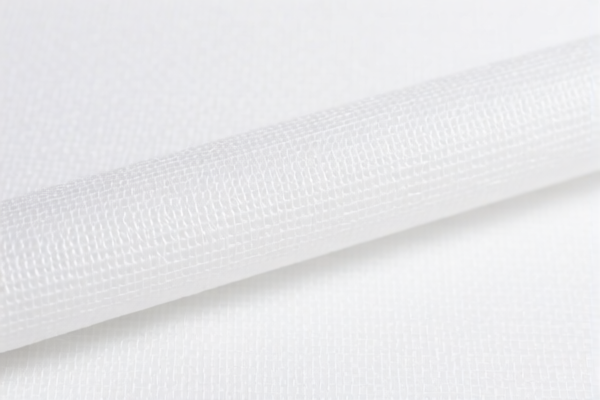
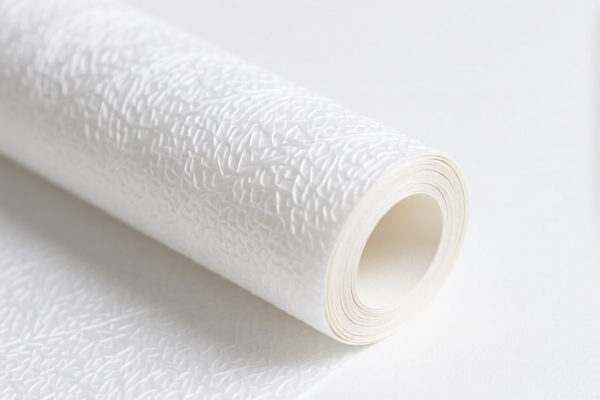
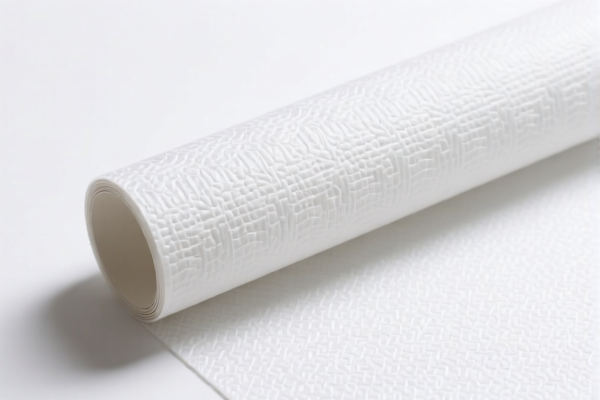
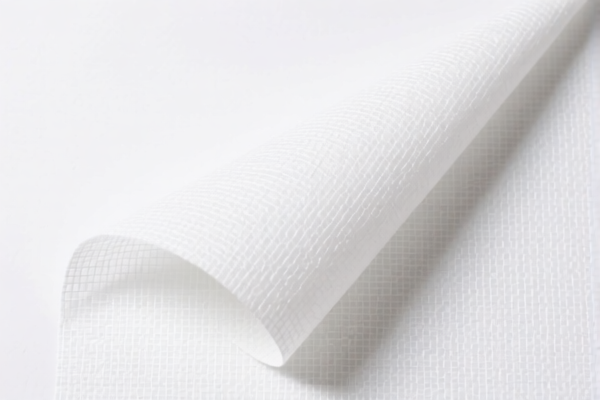
AI Analysis
🖼️ Plastic Non-Woven Wallpaper (Spunbond Non-Woven Wallpaper)
🌐 HS Code Reference & Customs Clearance Guide | 2026 Latest Tariff Analysis | Professional Entry Strategy
📌 I. Product Definition & Classification: Do You Really Understand "Plastic Non-Woven Wallpaper"?
"Plastic Non-Woven Wallpaper" refers to wall coverings made primarily of plastic materials, utilizing a spunbond non-woven manufacturing process. In international trade, the classification hinges on two critical factors: 1. Material Composition: Is it predominantly plastic, or a composite with textiles? 2. Form Factor: Is it defined as a "wallpaper," a "film/membrane," or a "thin plate/sheet"?
⚠️ Key Distinction Point:
- If the plastic weight accounts for >70% and it functions primarily as a wall covering or thin film combined with textile elements →归入 3921.90.11.00 (Lower Tax).
- If it is classified as a "thin plate, sheet, film, foil, strip, or block" of plastic where textile components are secondary or define it as a "thin material" without conflicting material definitions → 归入 3921.90.19.10 (Higher Tax).
📦 II. HS Code Classification Details (2026 Latest Tariff Authority Comparison)
| HS Code | Product Description | Application Scenario | Material Logic |
|---|---|---|---|
3921.90.11.00 |
Spunbond non-woven plastic wallpaper, plastic-dominated material, formed as wallpaper. | Wall covering where plastic weight is high (>70%), combined with textile materials. | ✅ Plastic Dominant (>70%) + Textile Composite |
3921.90.19.10 |
Spunbond non-woven plastic wallpaper, includes textile attributes, formed as plastic plate/sheet/film. | Thin materials definition; plastic board/film form; no material conflict. | ✅ Thin Material Definition + Plastic Film/Sheet Form |
3921.90.19.10 |
Plastic wall decorative film, non-woven base material, plastic material, film form. | Decorative films with non-woven (textile) base; fits composite logic. | ✅ Plastic Film + Textile Base |
3921.90.11.00 |
Plastic wall decorative film, non-woven base, plastic & textile combination, thin film form. | Fits logic of plastic weight >70% combined with textile materials. | ✅ Plastic Weight >70% + Textile Combo |
3921.90.19.10 |
Plastic non-woven wallpaper, spunbond non-woven feature, plastic film form. | Lightweight material definition; no material conflict. | ✅ Lightweight/Thin Material Definition |
🔍 Key Reminder:
-3921.90.11.00is generally favored if the product can be strictly defined as "wallpaper" with high plastic content and textile combination. It offers a slightly lower total tax rate (39.2%). -3921.90.19.10applies when the product is classified as a "film," "sheet," or "plate" of plastic, or when it fits the "thin material" definition. It carries a higher total tax rate (40.3%).
💰 III. 2026 Latest Tariff Rate Breakdown (Including Surcharges & Policy Add-ons)
✅ Applicable Country: United States (US)
✅ Origin: China (CN)
✅ Effective Time: Ongoing (Post-2018 Trade War & Subsequent Add-ons)
🎯 1. 3921.90.11.00 —— Plastic Wallpaper (Plastic-Dominated, Textile Composite)
| Item | Content |
|---|---|
| Base Tariff | 4.2% (ad valorem) |
| Section 301 Surcharge | +25.0% (From USITC Section 301 List 3/4) |
| Section 122 Tariff | +10.0% (Specific trade remedy or additional duty clause) |
| Total Tax Rate | 39.2% |
| Tax Calculation | CIF Value × 39.2% |
| De Minimis Exemption | ❌ Not Available (High value duties exclude this from low-value shipments) |
| Legal Basis Path | USITC:3921.90.11.00 → Section301:Footnote → Section122:SpecificClause |
📌 Explanation:
- The 4.2% base rate is the standard MFN duty for plastic plates/sheets/films. - The +25% is the standard Section 301 punitive tariff on Chinese plastics. - The +10% is an additional Section 122 tariff (or similar specific provision) applied to these specific plastic composite goods. - Total 39.2% is a high tariff, significantly impacting margins.
🎯 2. 3921.90.19.10 —— Plastic Film/Sheet (Thin Material, No Conflict)
| Item | Content |
|---|---|
| Base Tariff | 5.3% (ad valorem) |
| Section 301 Surcharge | +25.0% |
| Section 122 Tariff | +10.0% |
| Total Tax Rate | 40.3% |
| Tax Calculation | CIF Value × 40.3% |
| De Minimis Exemption | ❌ Not Available |
| Legal Basis Path | USITC:3921.90.19.10 → Section301:Footnote → Section122:SpecificClause |
📌 Note:
- This code has a higher base rate (5.3%) compared to3921.90.11.00(4.2%). - Even with the same surcharges, the total rate is 40.3%, which is 1.1% higher than the other option. - Use this code only if the product cannot be justified as "plastic-dominated wallpaper" but fits the "thin plastic film/sheet" definition.
🛠️ IV. Customs Clearance Practical Advice (Combat Pitfall Guide)
✅ 1. Preparation Checklist (Essential Documents)
| Document | Required | Explanation |
|---|---|---|
| ✅ Product Specification Sheet | ✔️ | Must detail material composition (Plastic % vs. Textile %), thickness, and manufacturing process (Spunbond). |
| ✅ Composition Declaration | ✔️ | Explicitly state if plastic weight is >70% (to support 3921.90.11.00). |
| ✅ Product Photos | ✔️ | Clear images showing the texture, backing, and application (wall covering). |
| ✅ Commercial Invoice | ✔️ | Description should align with HS Code: e.g., "Plastic Wallpaper, Spunbond Non-Woven, >70% Plastic Content." |
| ✅ Packing List | ✔️ | Confirm weight and dimensions to support "thin/lightweight" claims if using 3921.90.19.10. |
| ✅ Proof of Origin | ✔️ | Certificate of Origin for China (to confirm Section 301 applicability). |
✅ 2. Declaration Strategy (Critical Tips)
🔥 “Plastic Weight Dictates Code: >70% = 11.00; Thin/Film = 19.10”
| Scenario | Correct Declaration | Wrong Practice |
|---|---|---|
| Wallpaper with >70% Plastic | 3921.90.11.00 (39.2%) |
Misdeclare as "Film" → 40.3% |
| Decorative Film with Non-Woven Base | 3921.90.19.10 (40.3%) if thin film; 3921.90.11.00 if >70% plastic |
Ambiguous description → Audit Risk |
| Thin Plastic Sheet (No Wall Function) | 3921.90.19.10 (40.3%) |
Misdeclare as "Wallpaper" → Rejection |
| Textile-Heavy Wallcovering (<70% Plastic) | NOT Covered in Data | Attempting to force into plastic codes → Wrong Class |
📌 Critical Warning:
- To qualify for the lower tax (39.2%), you MUST prove the plastic weight占比 (proportion) exceeds 70% or that the product is fundamentally a "wallpaper" with plastic being the dominant material. - If the product is primarily a thin plastic film with a non-woven backing for handling, and the plastic content is lower, it may fall under3921.90.19.10.
✅ 3. Special Circumstances
| Scenario | Handling Advice |
|---|---|
| OEM Custom Patterns | Provide design files and material specs to prove it's a "wallpaper" product, not just generic film. |
| Mixed Packaging | If shipping rolls, ensure each roll's composition is consistent. Do not mix high-plastic and low-plastic batches in one declaration. |
| Samples | Even samples are subject to these tariffs. Do not assume "gift" status lowers the rate for commercial-style goods. |
🌍 V. Global Market Comparison (2026 Latest)
| Country/Region | Recommended HS Code | Tariff Rate | Certification | Remarks |
|---|---|---|---|---|
| 🇺🇸 USA | 3921.90.11.00 or 19.10 |
39.2% - 40.3% | None specific for plastic wallpaper | High Tariff: Due to Section 301 + Section 122. |
| 🇨🇳 China | 3921.90.11.00 |
~4.2% | CCC (if applicable) | No Section 301/122. |
| 🇪🇺 EU | 3921.90 (Varies) |
~6.5% | CE (if plastic additives regulated) | No US-style punitive tariffs. |
| 🇦🇺 Australia | 3921.90 |
~5.0% | None specific | Lower base rate. |
| 🇯🇵 Japan | 3921.90 |
~6.0% | PSE (if electrical/plastic safety) | Stable tariff. |
📌 Conclusion:
- The USA market is the most challenging for Chinese plastic non-woven wallpaper due to the cumulative 39-40% tax burden. - For other markets, the cost is significantly lower, but US importers must factor this into pricing strategies.
📌 VI. Common Mistakes & Pitfall Guide (Lessons from Experience)
❌ Mistake 1: Calling it "Textile Wallpaper" to avoid plastic duties
👉 Consequence: If plastic >70%, it will be reclassified as plastic → Back taxes + Penalties.
❌ Mistake 2: Misdeclaring "Film" as "Wallpaper" to get a lower code
👉 Consequence: If plastic content is not >70%, it may be forced into the higher 19.10 code anyway → No savings, just risk.
❌ Mistake 3: Ignoring Section 122 Tariff
👉 Consequence: Many importers calculate only Section 301 (25%) → Underestimating cost by 10%.
❌ Mistake 4: Not specifying "Spunbond Non-Woven"
👉 Consequence: Vague description leads to customs audit → Delays and potential reclassification.
✅ Correct Practice:
"Plastic Wallpaper, Spunbond Non-Woven, 80% Plastic / 20% Textile Composite, Roll Form, Model XYZ"
🎯 VII. Conclusion: Precision in Classification, Savings in Cost!
🎯 Key Takeaway:
🔹 If Plastic >70% → Aim for
3921.90.11.00(39.2%).
🔹 If Thin Film/Sheet/No High Plastic % →3921.90.19.10(40.3%).
🔹 Total Tax = Base + 25% (301) + 10% (122).
📌 Tip:
For US imports, every 1% of tax reduction is critical. Ensure your material analysis clearly supports the >70% plastic weight argument if targeting the lower
11.00code. Consider Advance Ruling from CBP if the product composition is borderline.
📣 Immediate Action:
📞 Consult a licensed customs broker + Provide detailed material composition report + Verify Section 122 applicability.
🚀 Optimize your HS Code, Control your costs, and ensure smooth customs clearance!
✨ Professional Clearance Starts with Precise Classification!
💼 Every Dollar Saved on Tariffs is Pure Profit!
Customer Reviews
About HS Code Classification
The Harmonized System (HS) is an internationally standardized nomenclature developed by the World Customs Organization (WCO) to classify traded products. Over 200 countries use the HS system as the basis for customs tariffs, trade statistics, and import/export regulations.
Each HS code follows a hierarchical structure:
- Chapter (2 digits) — Broad category of goods (e.g., Chapter 84: Machinery and Mechanical Appliances)
- Heading (4 digits) — More specific grouping within the chapter
- Subheading (6 digits) — Internationally standardized breakdown, used by all WCO member countries
- National subdivisions (8-10 digits) — Country-specific extensions for further classification, such as US HTSUS 10-digit codes
Correct HS code classification is essential for smooth customs clearance, accurate duty payment, and compliance with trade regulations. Misclassification can lead to customs delays, overpayment of duties, or penalties.
When importing from CN to US, the applicable tariff rates may include:
- Most-Favored-Nation (MFN) rate — The standard duty rate applied to WTO members
- General rate — Applied to countries without trade agreements
- Trade remedy duties — Additional tariffs such as Section 301 (anti-dumping), Section 232 (national security), or countervailing duties
The information provided on this page is for reference purposes only. For official classification, please consult with your local customs authority or a licensed customs broker.